
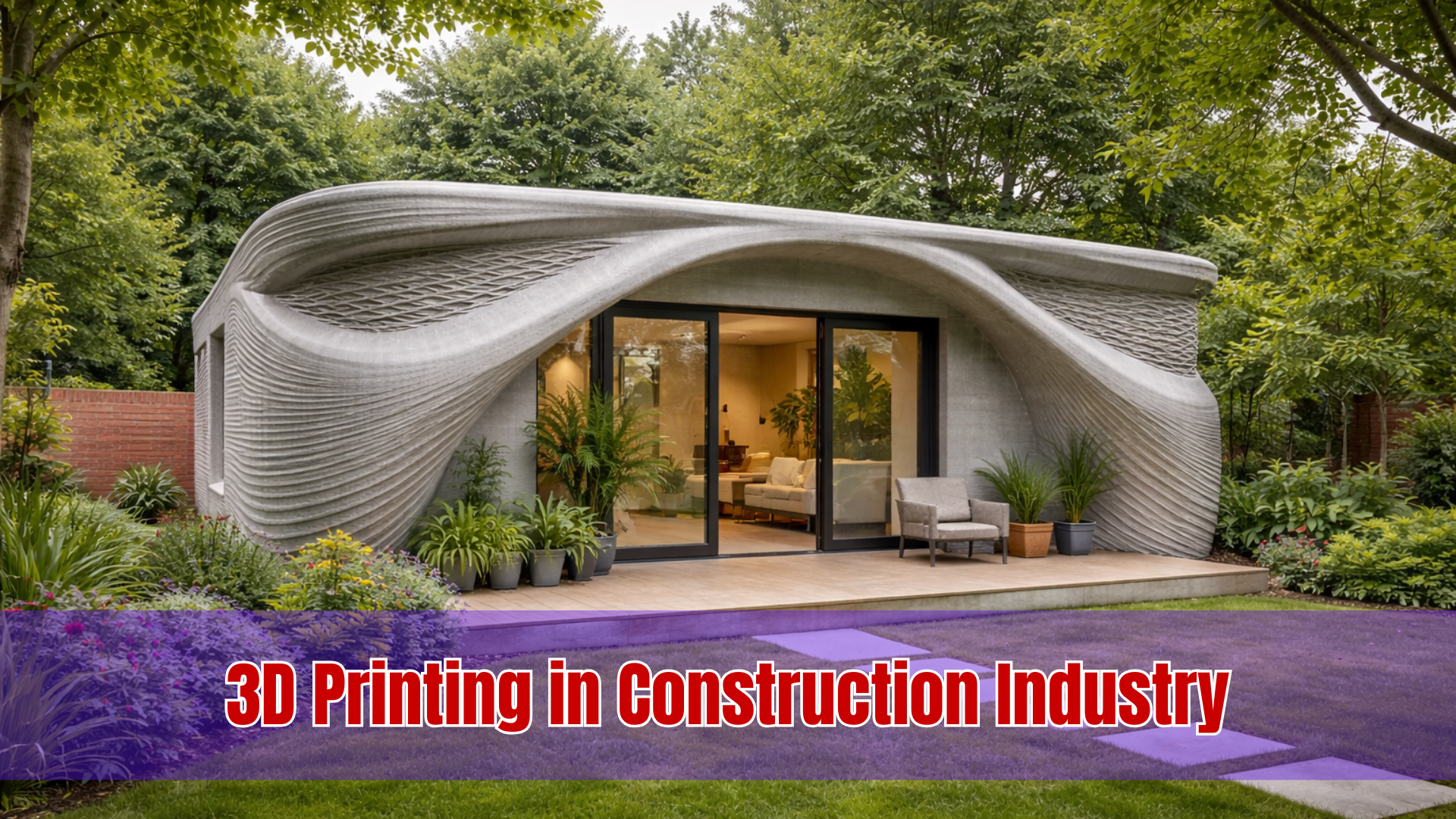
3D printing in the construction industry is changing how buildings are made, from small housing projects to large scale structures.
Instead of relying only on traditional tools and manual labor, construction teams can now use automated printing systems to shape walls and components with precision. This approach opens new possibilities for faster builds, flexible designs, and better use of materials.
Keep reading to discover how 3D printing works in construction and why it is becoming an important part of modern building methods.
What Is 3D Printing in Construction Industry
3D printing in the construction industry is a building method that uses large scale printers to create structures by adding material layer by layer. Instead of cutting materials or assembling many separate parts, the printer forms walls and components directly from a digital design.
This approach is also called additive manufacturing in construction and it focuses on precision, efficiency, and reduced waste. Compared to traditional construction, it allows more design freedom while using fewer resources.
How 3D Printing in Construction Industry Works

The process behind 3D printing in the construction industry starts with digital planning and ends with physical construction. Each stage works together to ensure accuracy and structural stability.
Digital Design and Planning
Every project begins with a digital model created using design software. This model includes details such as wall thickness, openings, and support areas.
Key elements planned during this stage include:
- Structural layout and dimensions
- Placement of doors, windows, and utilities
- Material flow and layer thickness
Layer by Layer Construction
After planning, the printer follows the digital design and begins printing. Material is placed in layers that bond together to form solid structures.
This process allows:
- Consistent material placement
- Smooth wall surfaces
- Reduced construction errors
Siraya 3D Filaments and Resin You May Shop
Explore More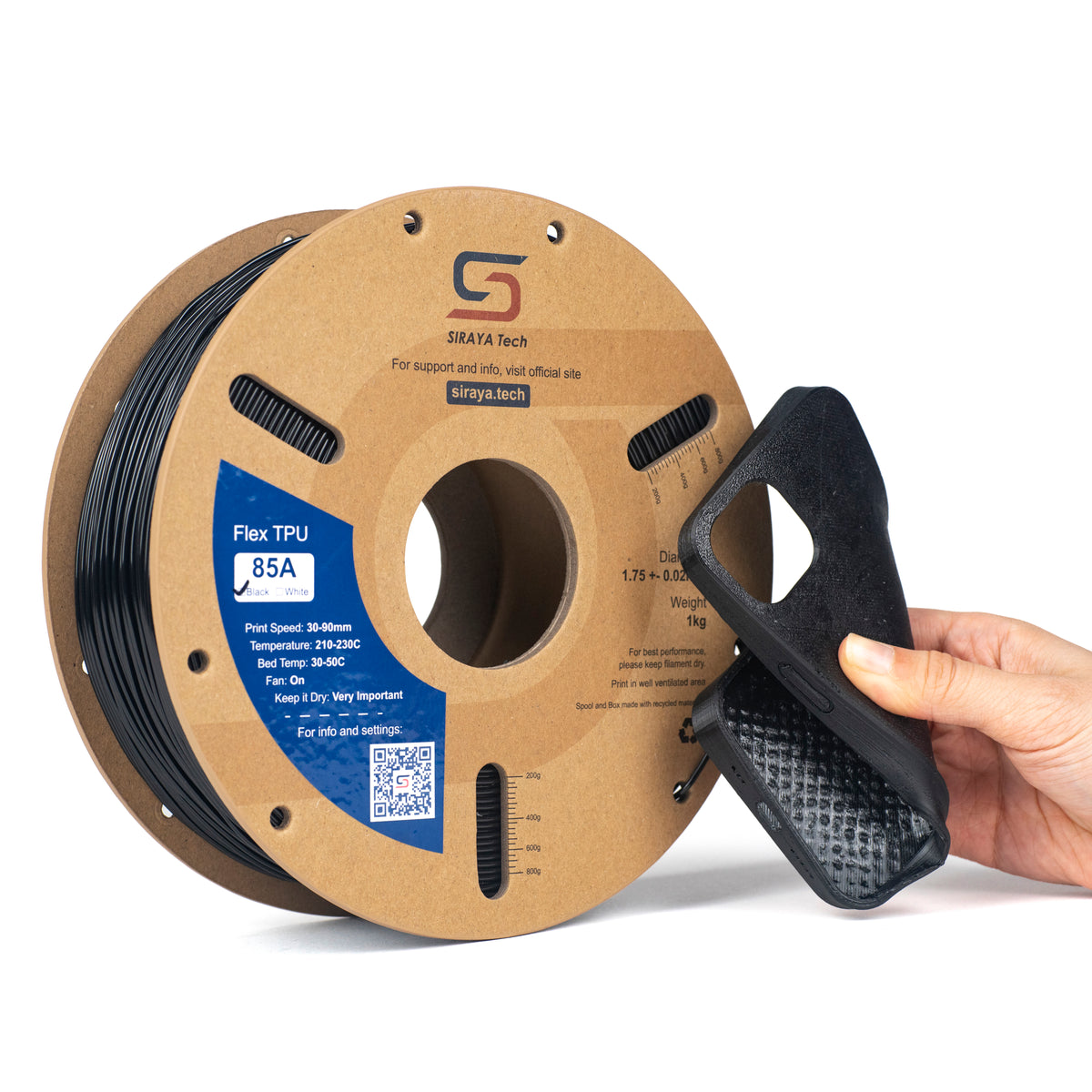
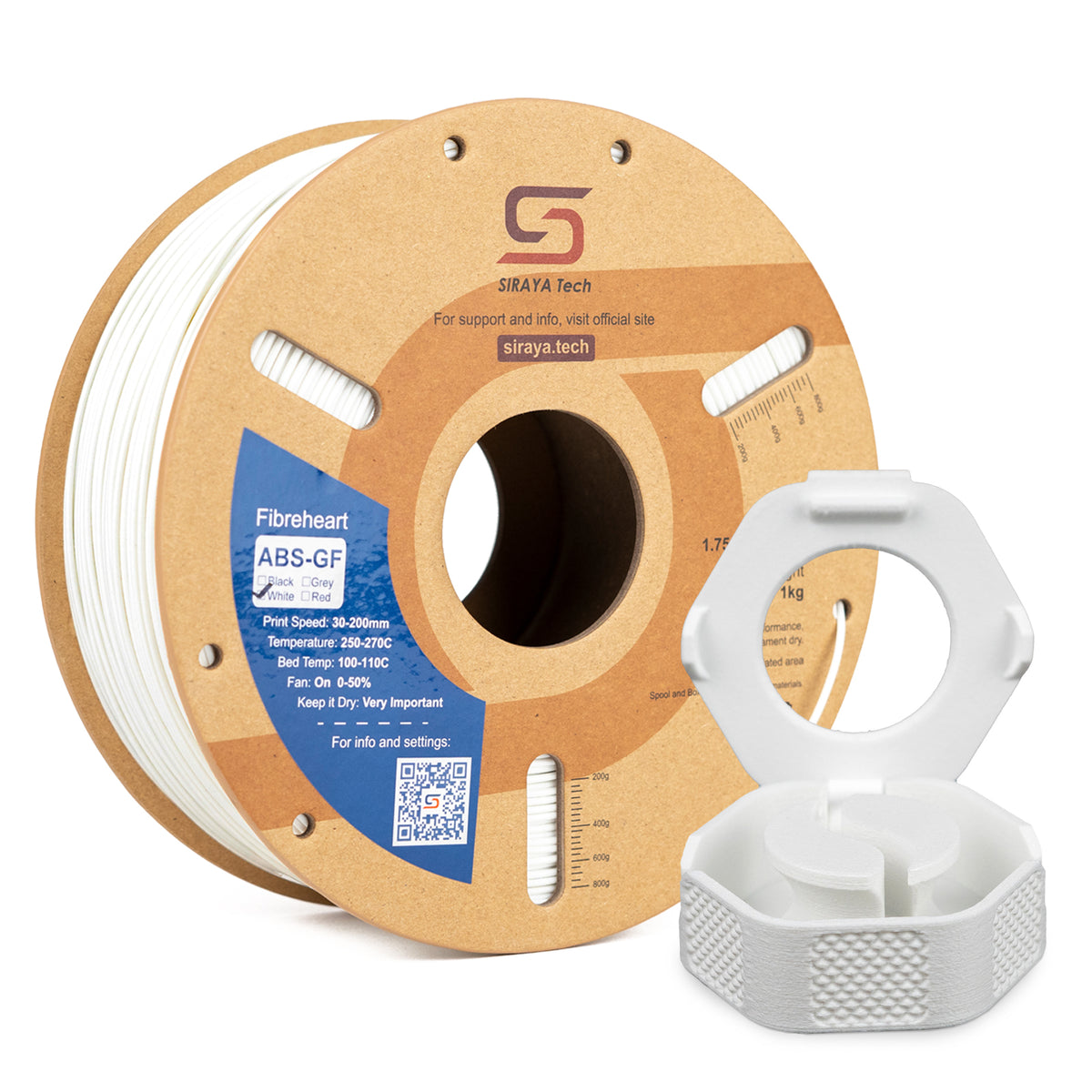

📌 If you are curious how this same technology is used beyond buildings, check out Useful Things to 3D Print: Practical Ideas for Everyday Projects to discover creative and practical applications of 3D printing.
Materials Used in 3D Printing in Construction Industry
Materials are essential to the success of 3D printing in the construction industry because they must be strong, durable, and easy to print. Most materials are specially designed to work with automated printing systems.
Common materials include:
- Concrete based mixtures designed for fast curing
- Fiber reinforced blends for added strength
- Experimental recycled materials for sustainability
Although full scale construction relies mostly on concrete, traditional 3D printing materials support the industry through modeling and prototyping.
Carbon fiber infused filaments, for example, share many properties with standard plastics but provide greater hardness and reduced warping, making them useful for testing construction components.
Siraya offers advanced 3D printing filaments and resins that are commonly used for accurate construction models and functional prototypes.
Types of 3D Printing Used in Construction Industry
Several printing methods are used within 3D printing in the construction industry, depending on the structure and purpose. Each method supports different construction needs.
Extrusion Based Concrete Printing
This is the most widely used method for buildings. Concrete is pushed through a nozzle using a robotic arm or gantry system to form walls and structural elements.
Powder Binding and Additive Welding
These methods are mainly used for components rather than full buildings.
They are often applied for:
- Creating molds for concrete parts
- Printing metal connectors and reinforcements
- Supporting complex structural designs
Applications of 3D Printing in Construction Industry

The real impact of 3D printing in the construction industry can be seen in how it is applied across different construction needs. These applications continue to expand as technology improves.
Common applications include:
- Residential homes and housing projects
- Emergency shelters and temporary buildings
- Architectural models and scale prototypes
- Structural components and custom parts
Prototyping is especially important during planning. High detail resin prints allow builders to test designs before full construction, while flexible materials similar to tenacious style resins help simulate stress and movement during testing. Siraya resins are often chosen for this stage due to their strength and precision.
📌 If you want to focus on one of the most important uses in construction, browse 3D Printed Walls: How They Work and Why They Matter in Construction to learn how printed walls are changing building design and efficiency.
Benefits of 3D Printing in Construction Industry
The rising popularity of 3D printing in the construction industry is driven by clear advantages that benefit builders and developers. These benefits affect speed, cost, and design flexibility.
Faster Construction and Lower Costs
Projects can move from design to structure much faster than traditional builds. Fewer workers and reduced waste help control costs.
Key benefits include:
- Shorter construction timelines
- Lower labor requirements
- Minimal material waste
Design Freedom and Customization
3D printing allows shapes that are difficult with standard methods.
This includes:
- Curved and organic wall designs
- Customized layouts without extra tooling
- Unique architectural details
Sustainability and Waste Reduction
Only the required material is used, which supports eco-friendly construction practices. This approach helps reduce excess waste and environmental impact.
Siraya 3D Filaments and Resin You May Shop
Explore More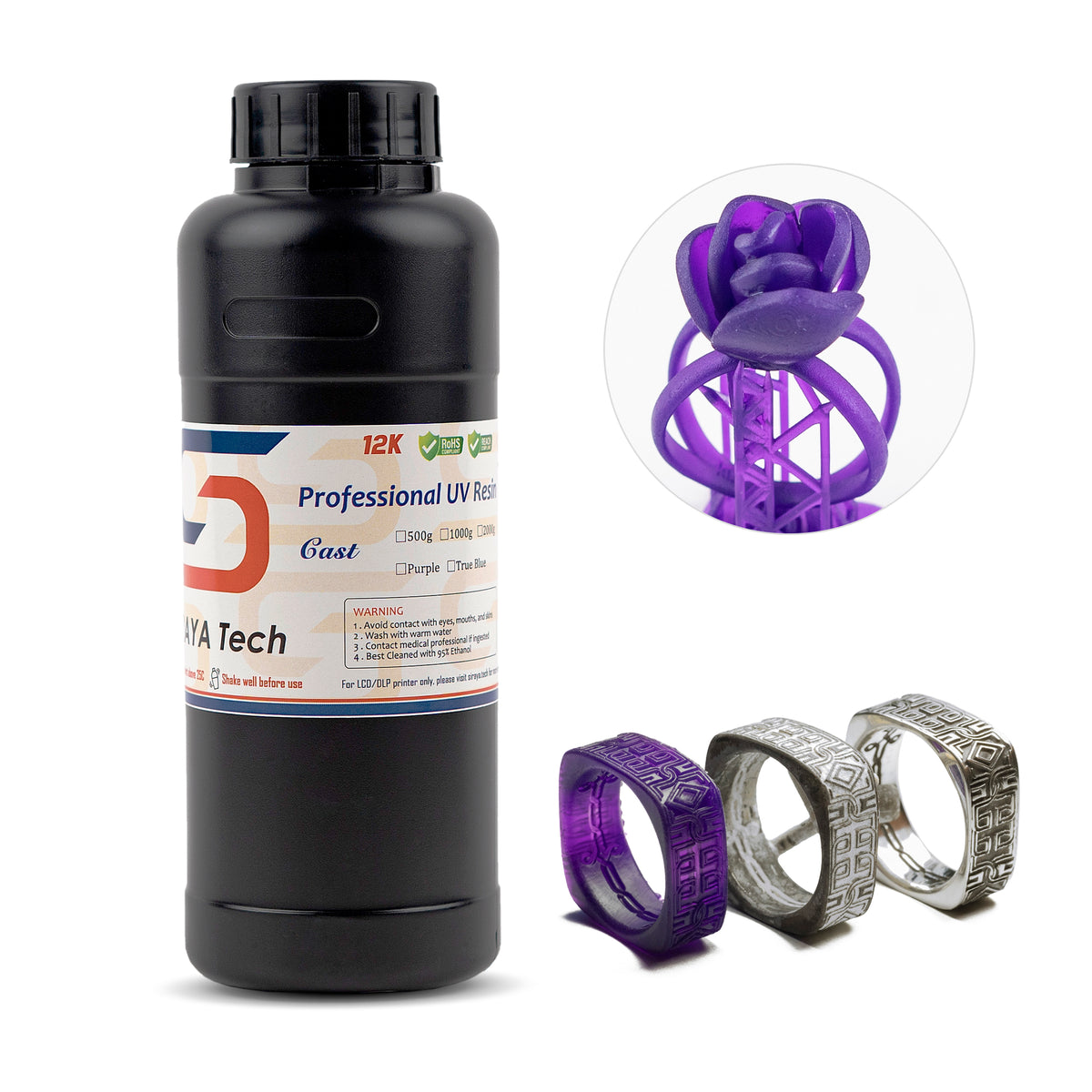
Challenges of 3D Printing in Construction Industry
Despite its advantages, 3D printing in the construction industry still faces several challenges. These issues affect how quickly the technology can be widely adopted.
Technical and Structural Challenges
Printed structures must meet safety standards and perform well over time.
Common concerns include:
- Long term durability
- Structural testing requirements
- Performance under extreme weather
Cost and Adoption Barriers
Large printers and setup costs can be significant. Training workers and adjusting workflows also take time.
Legal and Regulatory Considerations in 3D Printing in Construction Industry
Rules and regulations play an important role in 3D printing in the construction industry. Printed buildings must meet the same safety expectations as traditional structures.
Regulatory considerations often include:
- Building permits and inspections
- Compliance with local construction codes
-
Approval of materials and methods
These requirements vary by location, which means builders must work closely with local authorities.
Future of 3D Printing in Construction Industry
The future of 3D printing in the construction industry depends on continued innovation and acceptance. Improvements in materials, printers, and design tools are expanding what can be built.
Expected developments include:
- Faster and more precise printers
- Stronger and more sustainable materials
- Wider use in housing and infrastructure
As adoption grows, this method may help address housing shortages and improve construction efficiency.
Conclusion
3D printing in the construction industry is reshaping how buildings are planned and constructed by combining digital design with efficient material use. It offers faster build times, design flexibility, and sustainability benefits while still facing technical and regulatory challenges. As technology continues to advance, its role in construction is expected to grow.
For more helpful guides and practical tips about this topic and other areas of 3D printing, Siraya is a valuable resource to explore.
Siraya is also a trusted choice for high quality products such as 3D printing filaments, advanced resins including tough and tenacious resin, castable resin, and platinum silicone crafting materials that support reliable results for both prototyping and production projects.
FAQs About 3D Printing in Construction Industry
How is 3D printing used in the construction industry?
3D printing is used to create walls, structures, and building components by adding material layer by layer. The process follows a digital design to ensure accuracy. It is commonly used for homes, prototypes, and custom parts. This approach supports faster construction and reduced waste.
What is another name for 3D printing in construction?
It is often called additive manufacturing in construction. This term describes how material is added rather than removed. Both names refer to the same building process. The term is widely used in technical discussions.
What are the challenges of 3D printing in construction?
Challenges include meeting building codes and ensuring long term structural strength. Equipment costs and training needs can slow adoption. Weather conditions may also affect printing quality. Research and testing continue to improve reliability.
How long does it take to 3D print a 2000 sq ft house?
The printing phase may take several days to a few weeks. The total timeline depends on design complexity and finishing work. Plumbing and electrical installation still require time. Overall construction is usually faster than traditional methods.
Are permits needed for 3D printed houses?
Yes, permits are typically required. Local authorities review designs for safety and compliance. Inspections are part of the approval process. Regulations differ by location.