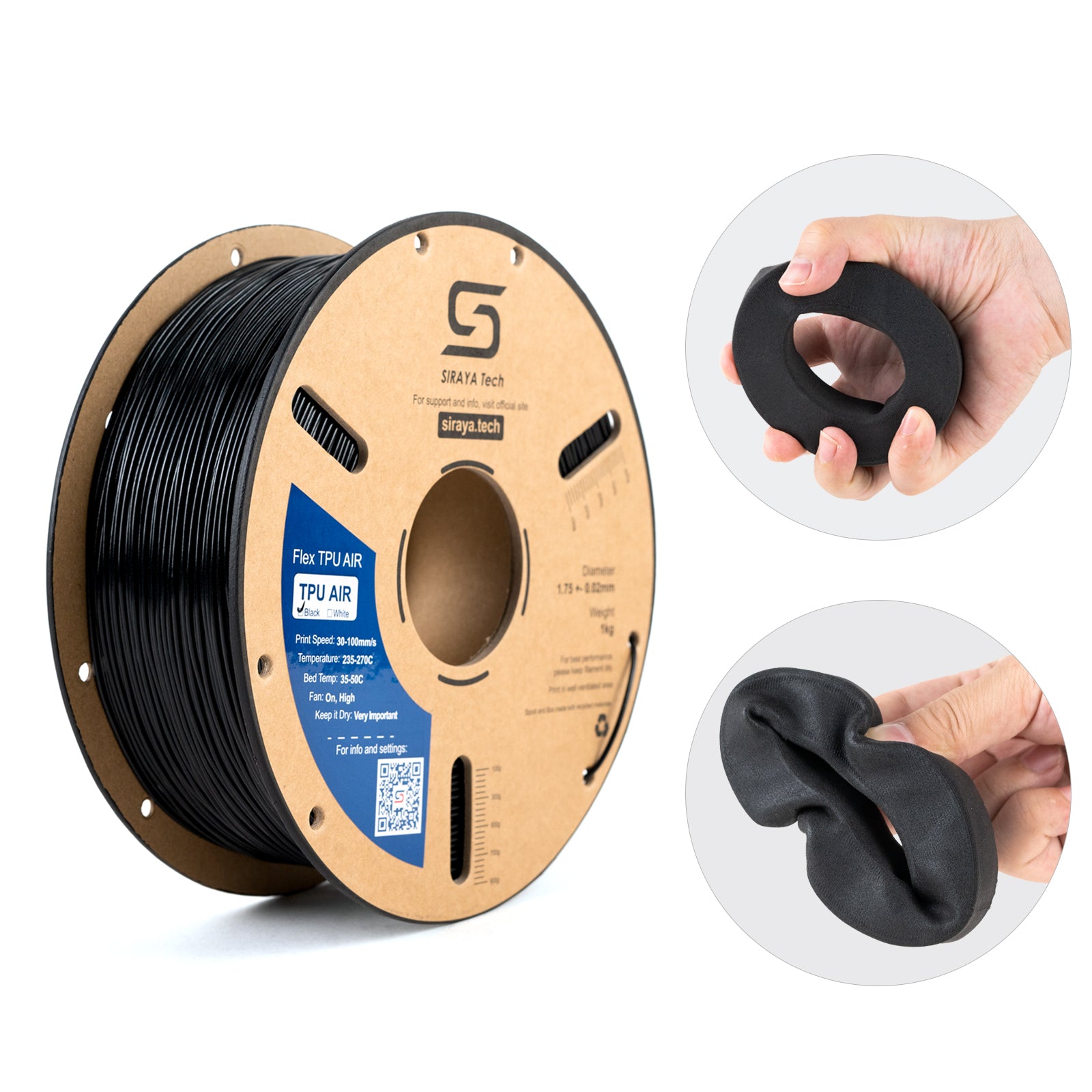
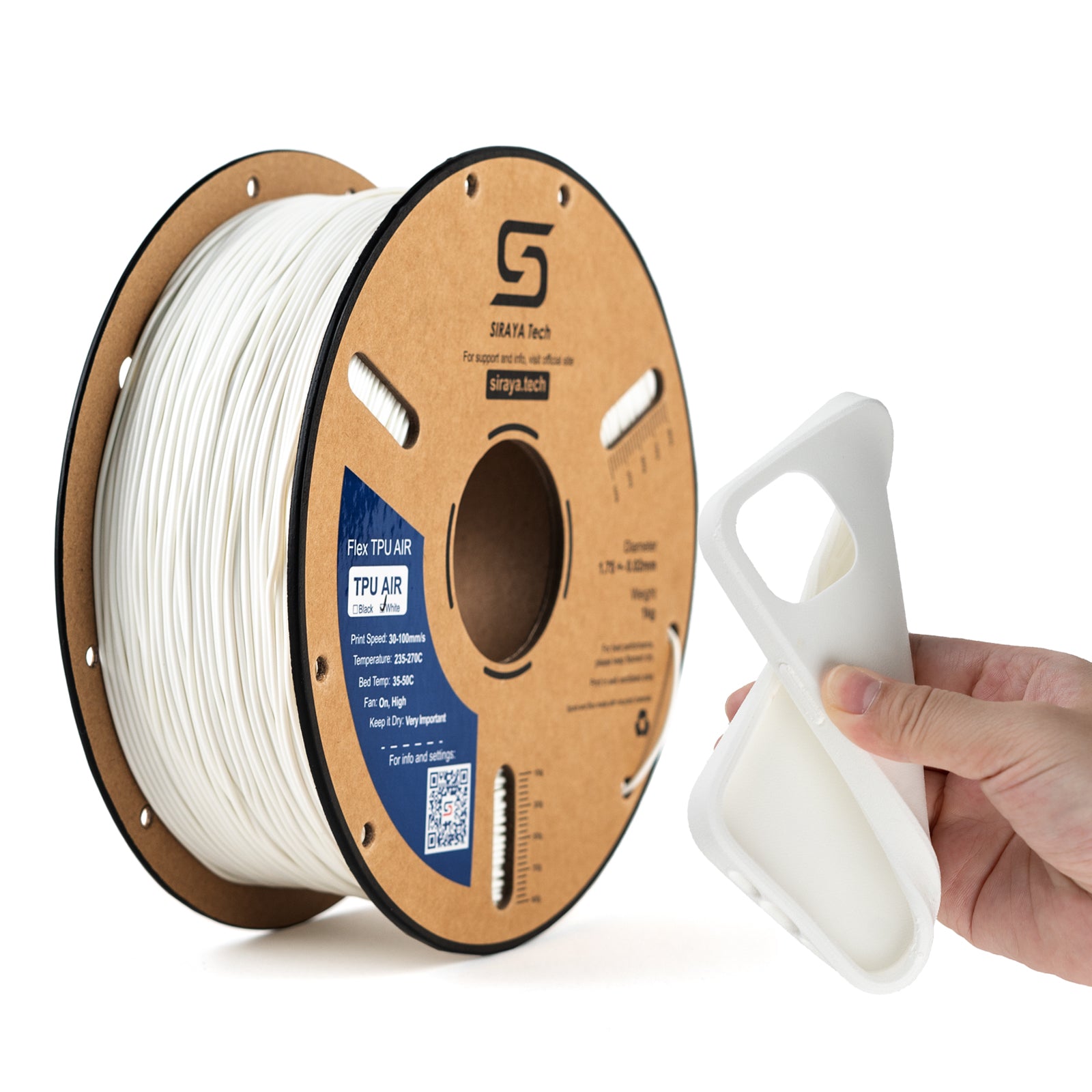
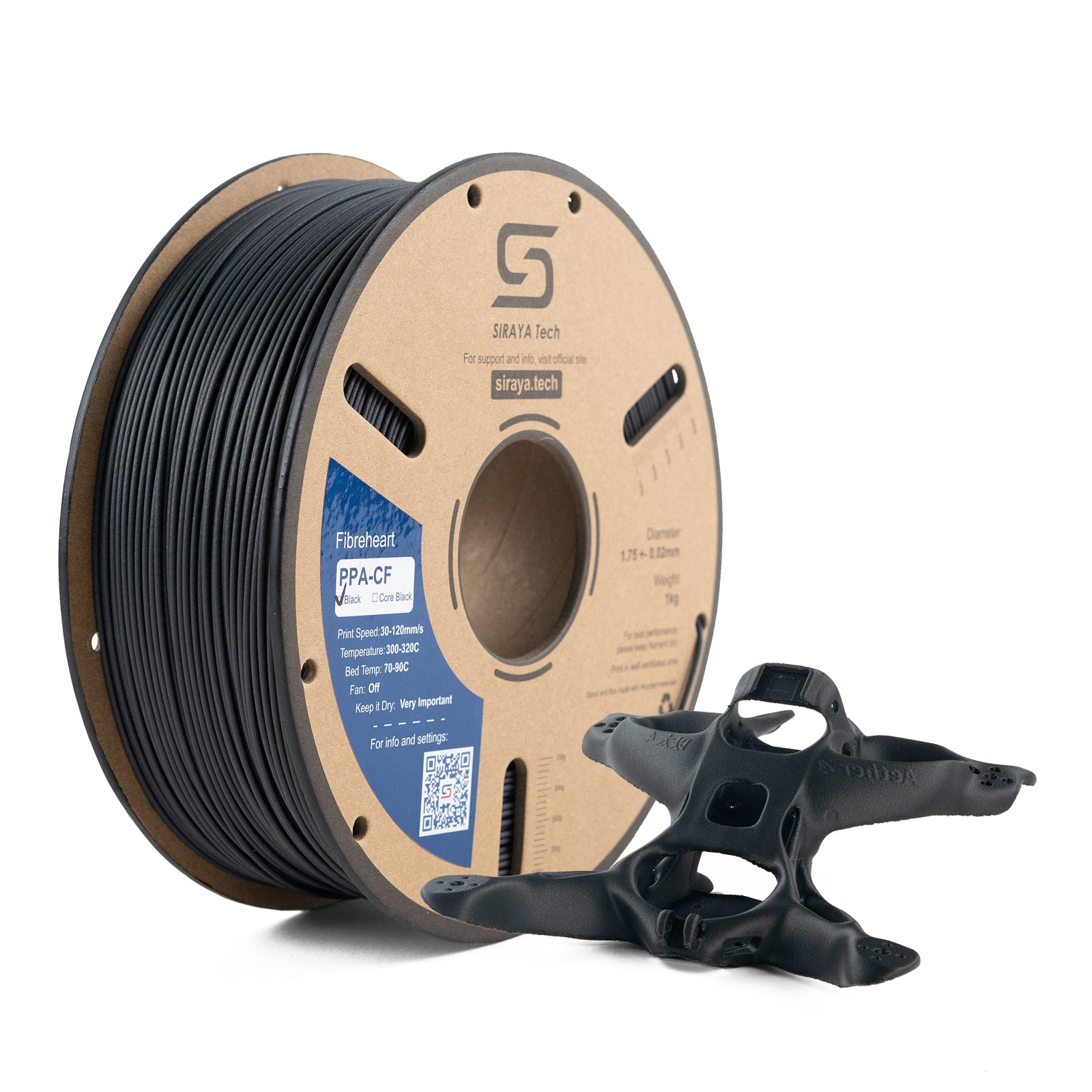
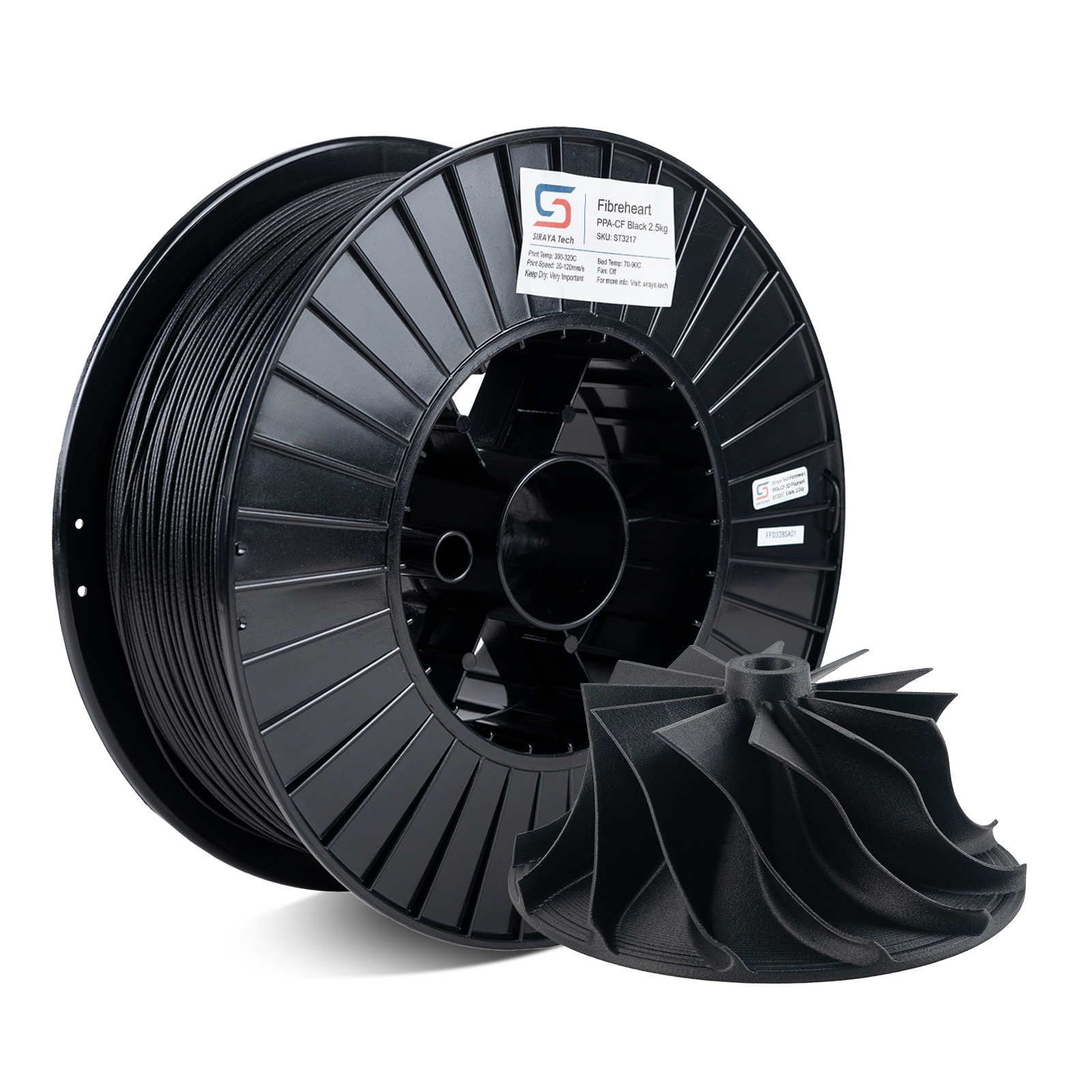
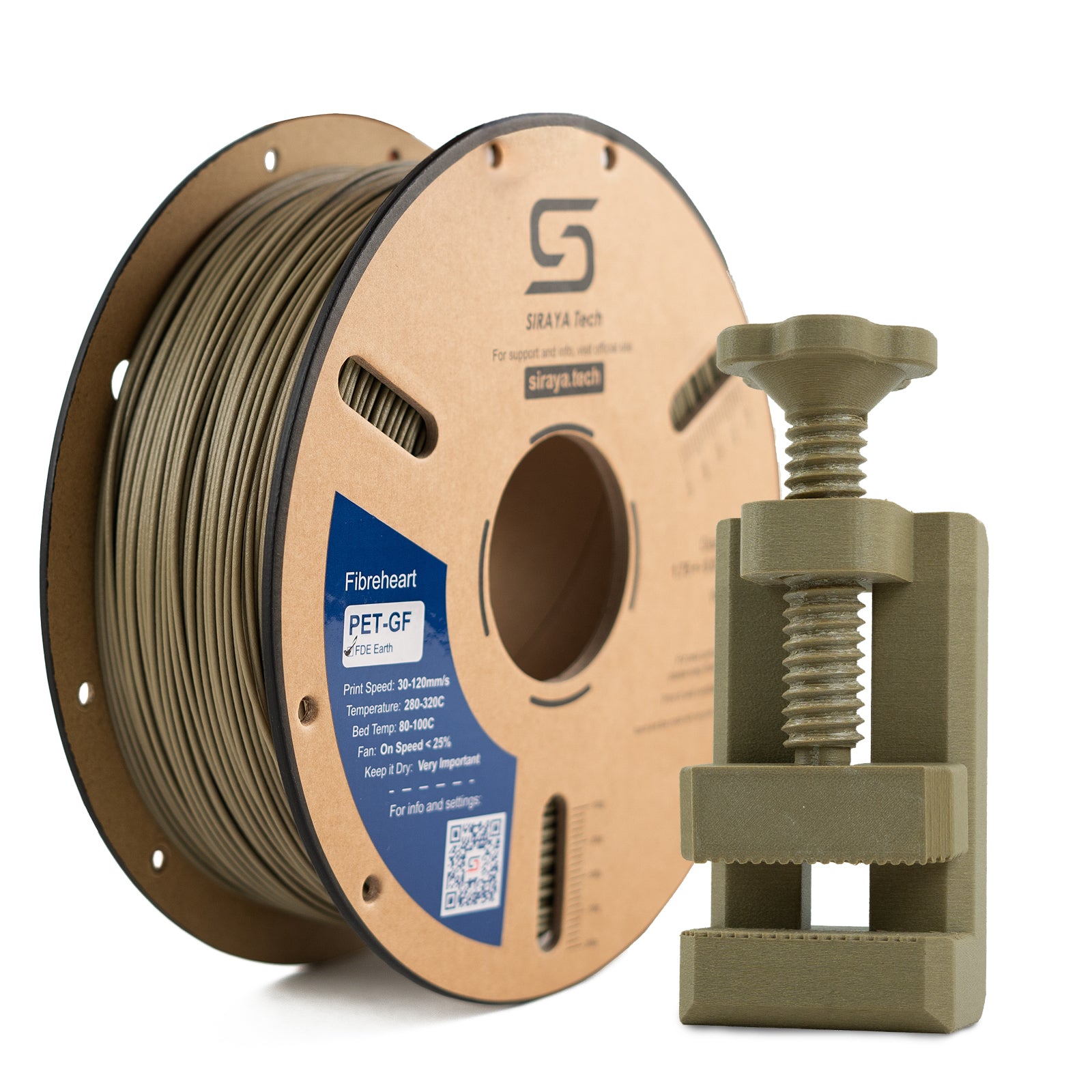
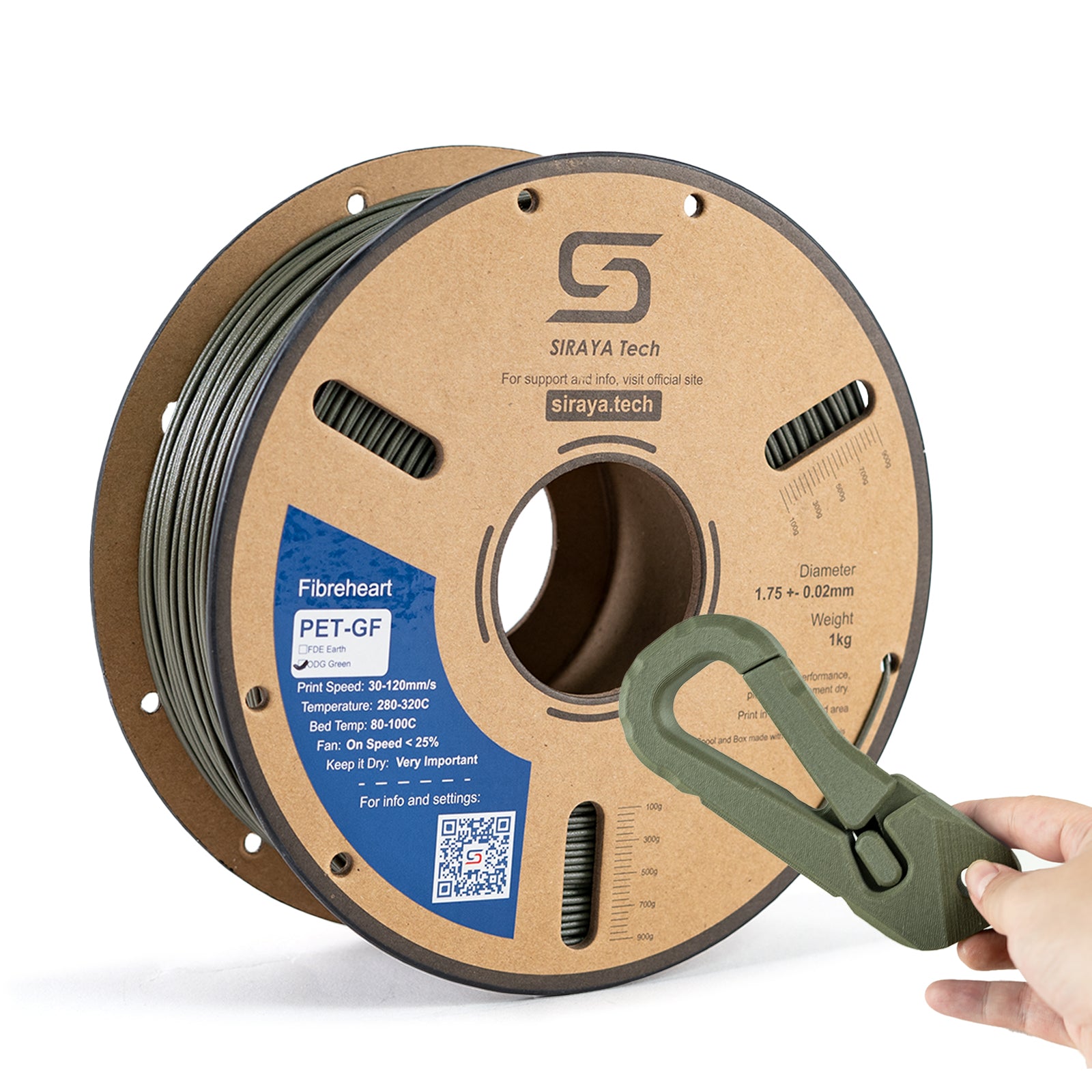
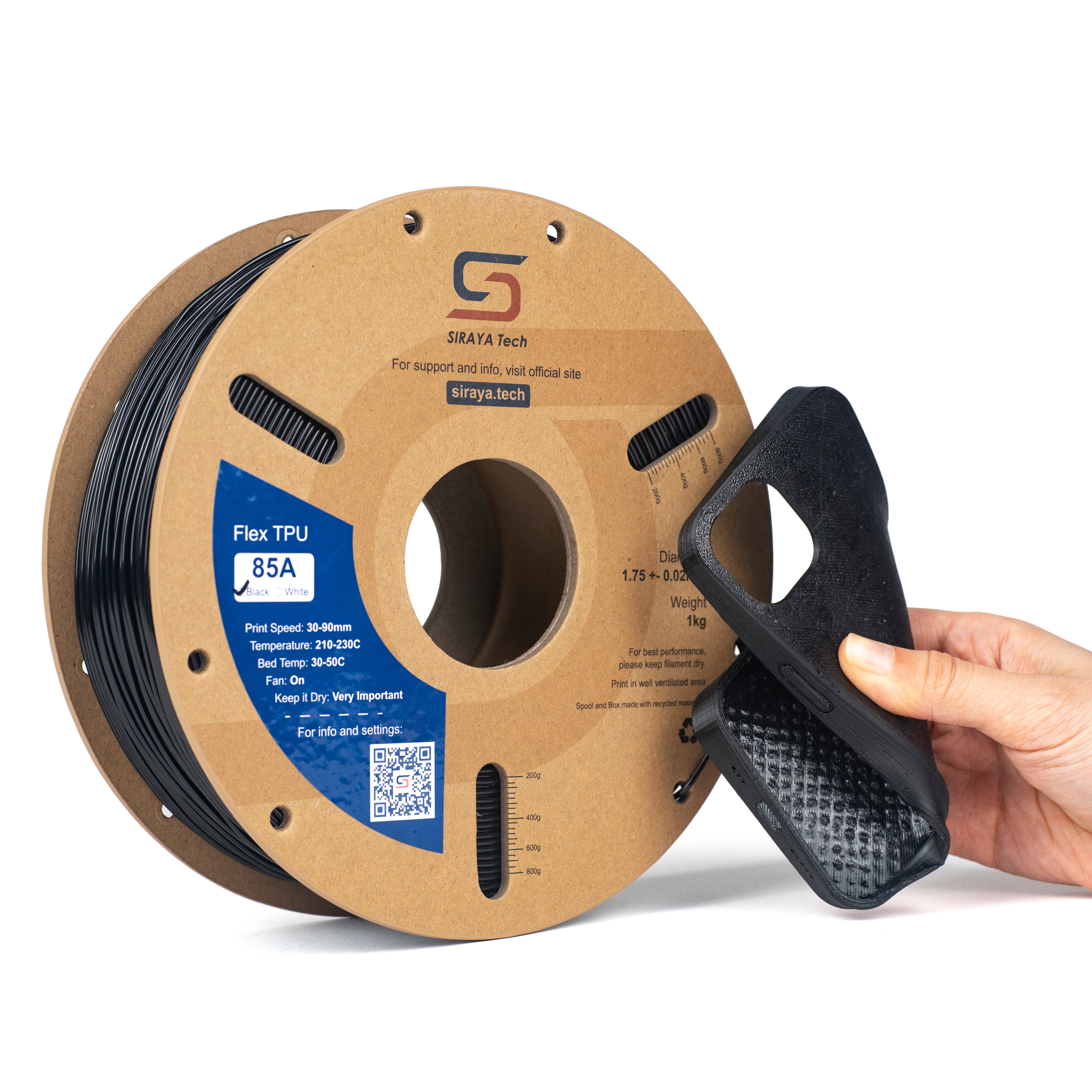
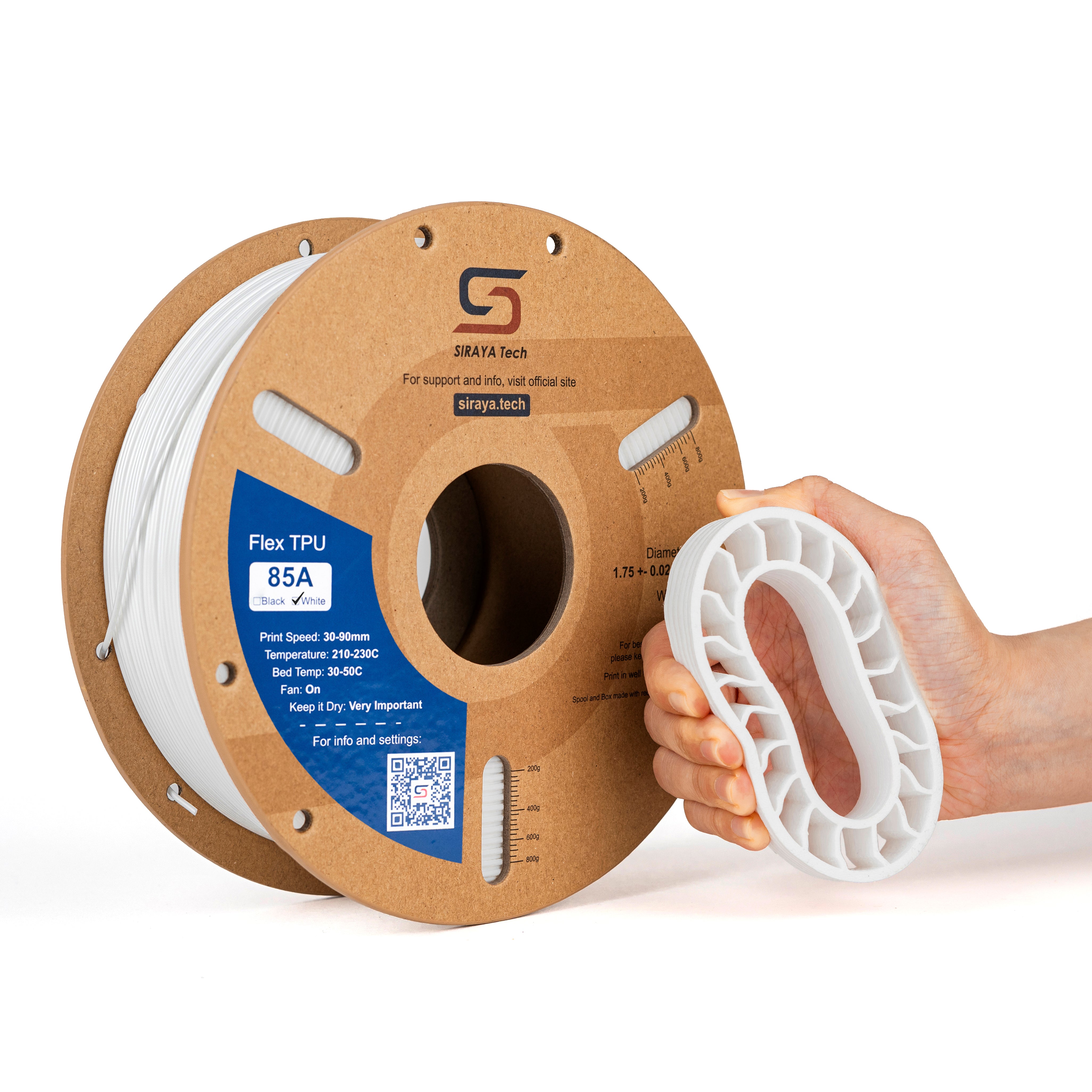
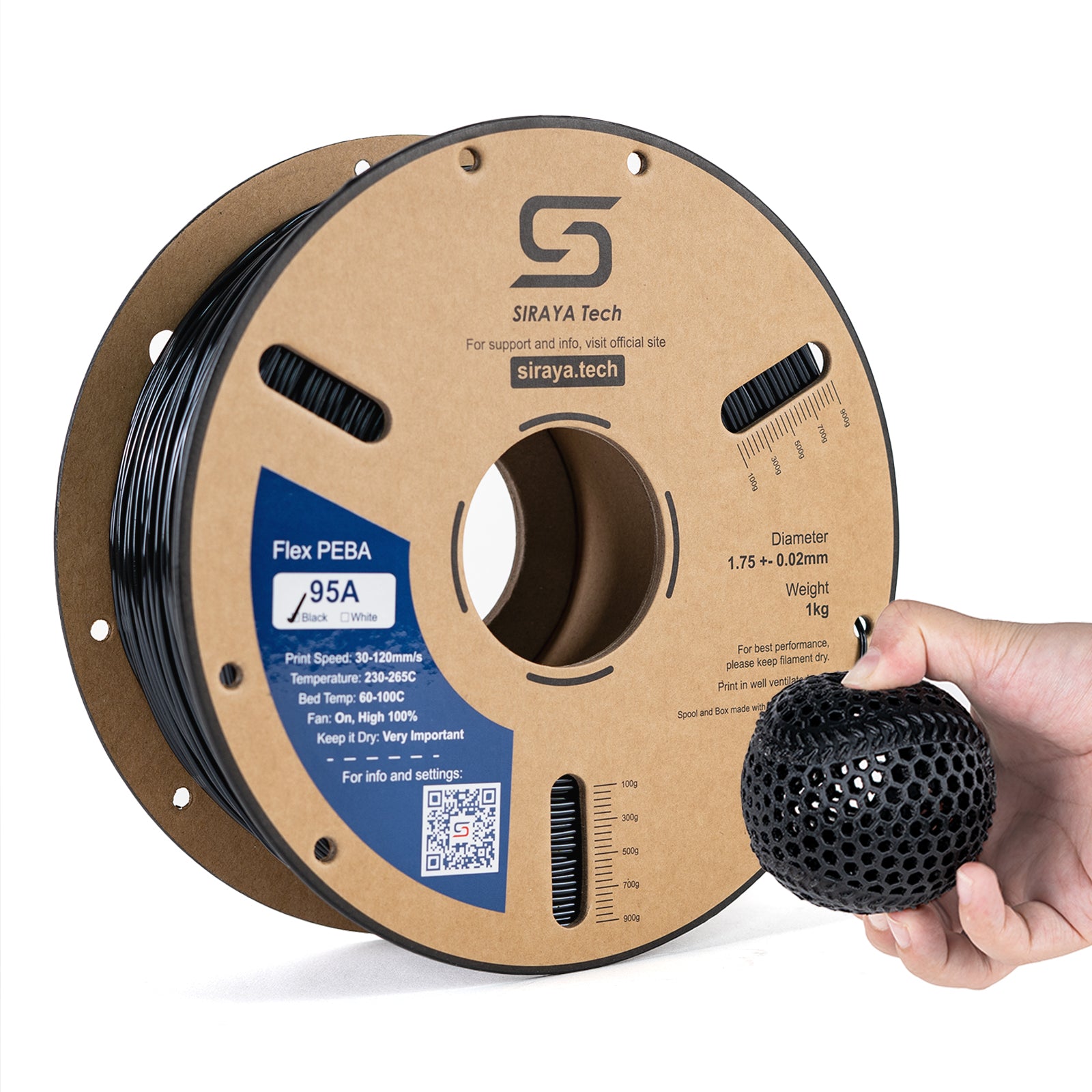
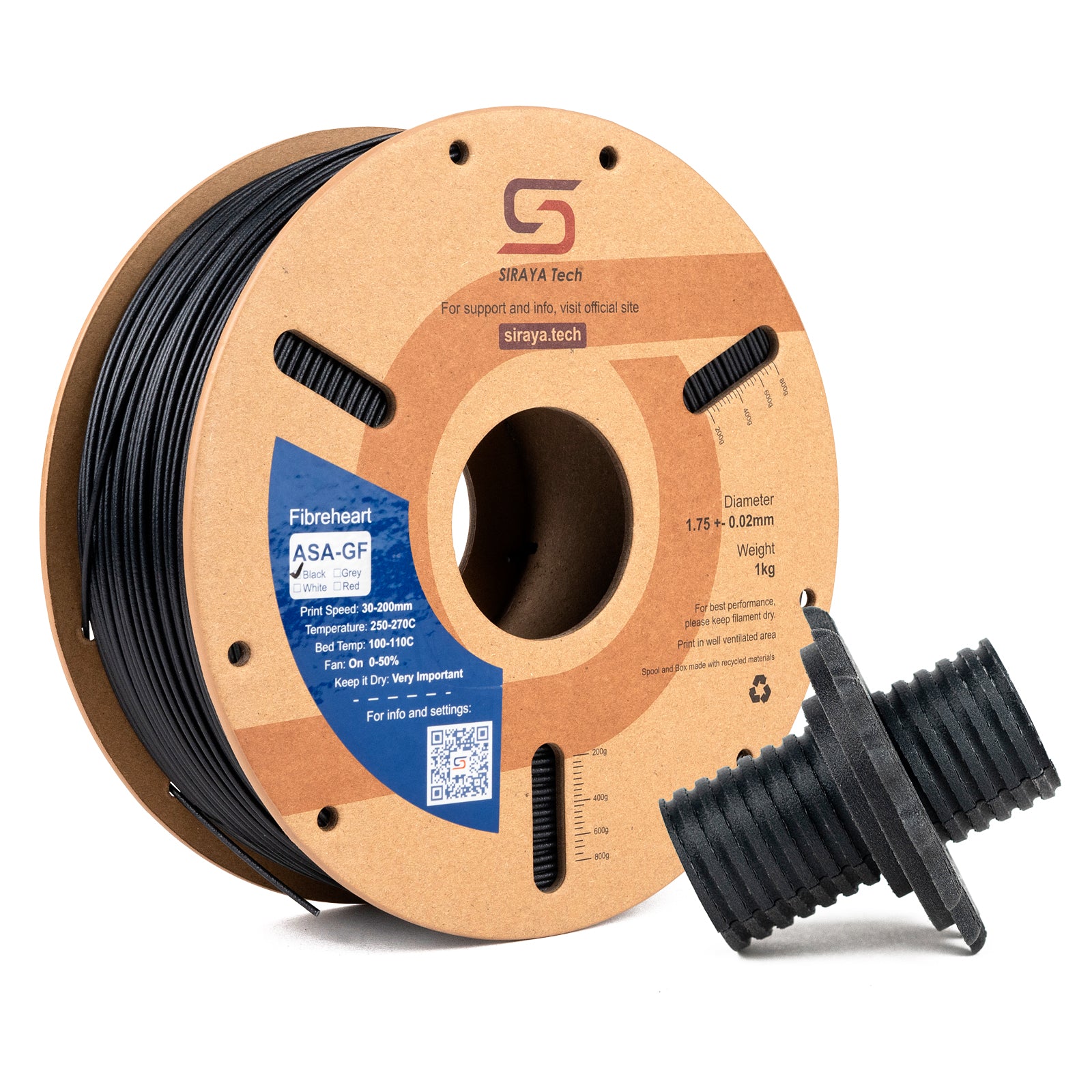
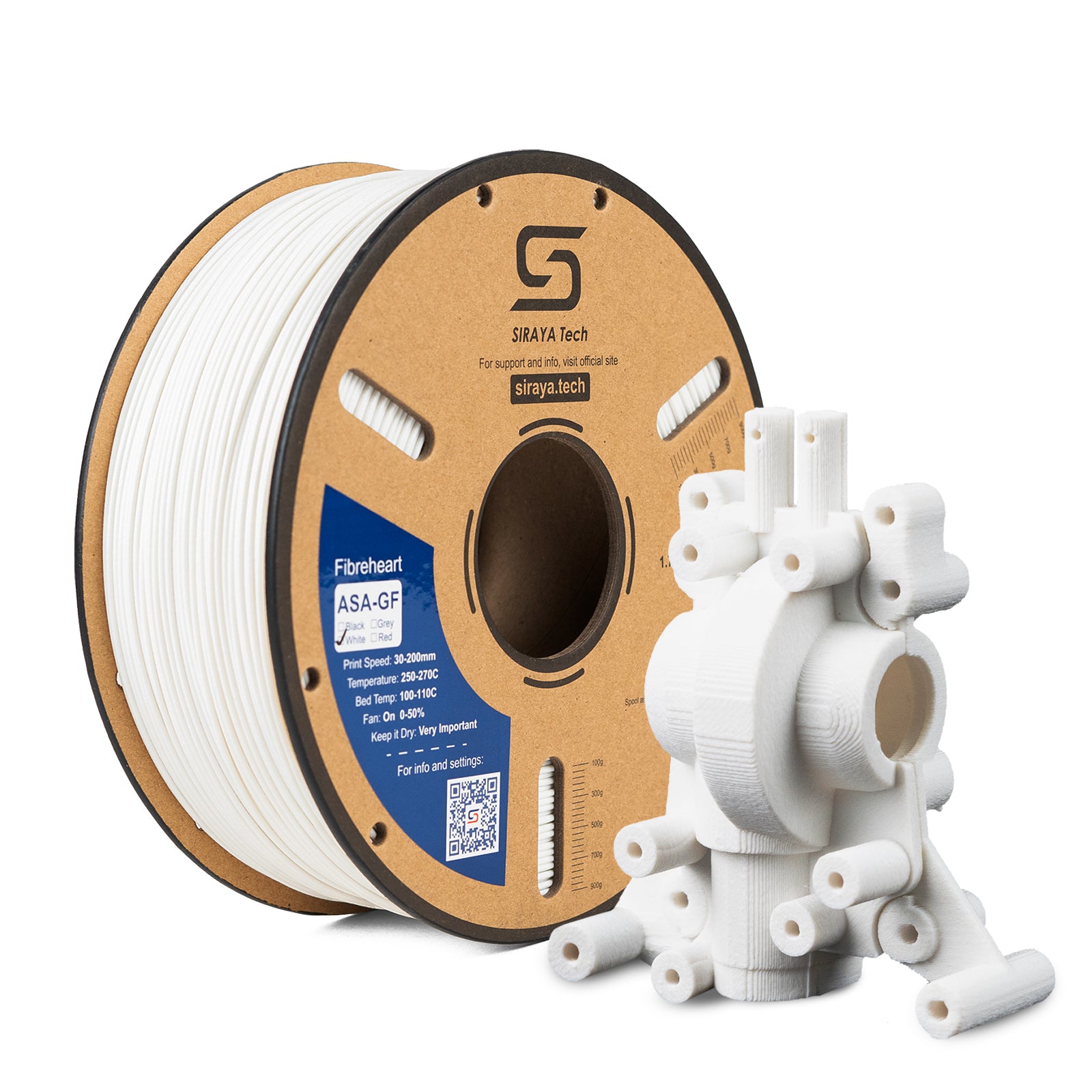
Beige filament from Siraya Tech gives your 3D prints a warm, neutral tone that works for prototypes, architectural models, and finished parts that need a natural appearance. This collection includes engineering-grade filaments in beige and natural tones, available in materials that range from tough ABS and PETG to flexible TPU.
Whether you're printing enclosures, display models, or functional components, beige provides a professional finish without requiring paint. All filaments are 1.75mm diameter and compatible with FDM printers from Bambu Lab, Creality, Prusa, Elegoo, and more.
Matte Filament — Filaments with a smooth matte surface that hides layer lines.
Frequently Asked Questions on Beige Filament
What is beige filament used for?
Beige filament is used for prototypes, architectural models, consumer product mock-ups, vintage hardware reproductions, and any print where a warm neutral tone is preferred. It's popular in design studios, maker spaces, and product development because it presents form without the distraction of bright color.
What materials are available in beige?
Beige and natural tones are available across multiple filament types including PLA, PETG, ABS, TPU, and reinforced engineering materials. The specific shade may vary slightly between material families. Check individual product listings for exact color samples.
Does beige filament hide layer lines better than other colors?
Matte beige finishes tend to diffuse light and reduce the visibility of layer lines compared to glossy or bright-colored filaments. The warm tone also draws less visual attention to surface imperfections. For the smoothest results, pair beige filament with finer layer heights.
Is beige filament good for outdoor use?
It depends on the base material. ASA and reinforced PETG in beige hold up well outdoors with UV and weather resistance. Standard PLA in beige may degrade over time in direct sunlight and heat. Choose the right base material for your environment.
How do I store beige filament?
Store in a sealed bag or container with desiccant packets to keep moisture out. Nylon-based and TPU filaments are especially sensitive to humidity. Drying filament at the recommended temperature before printing improves surface quality and reduces stringing.