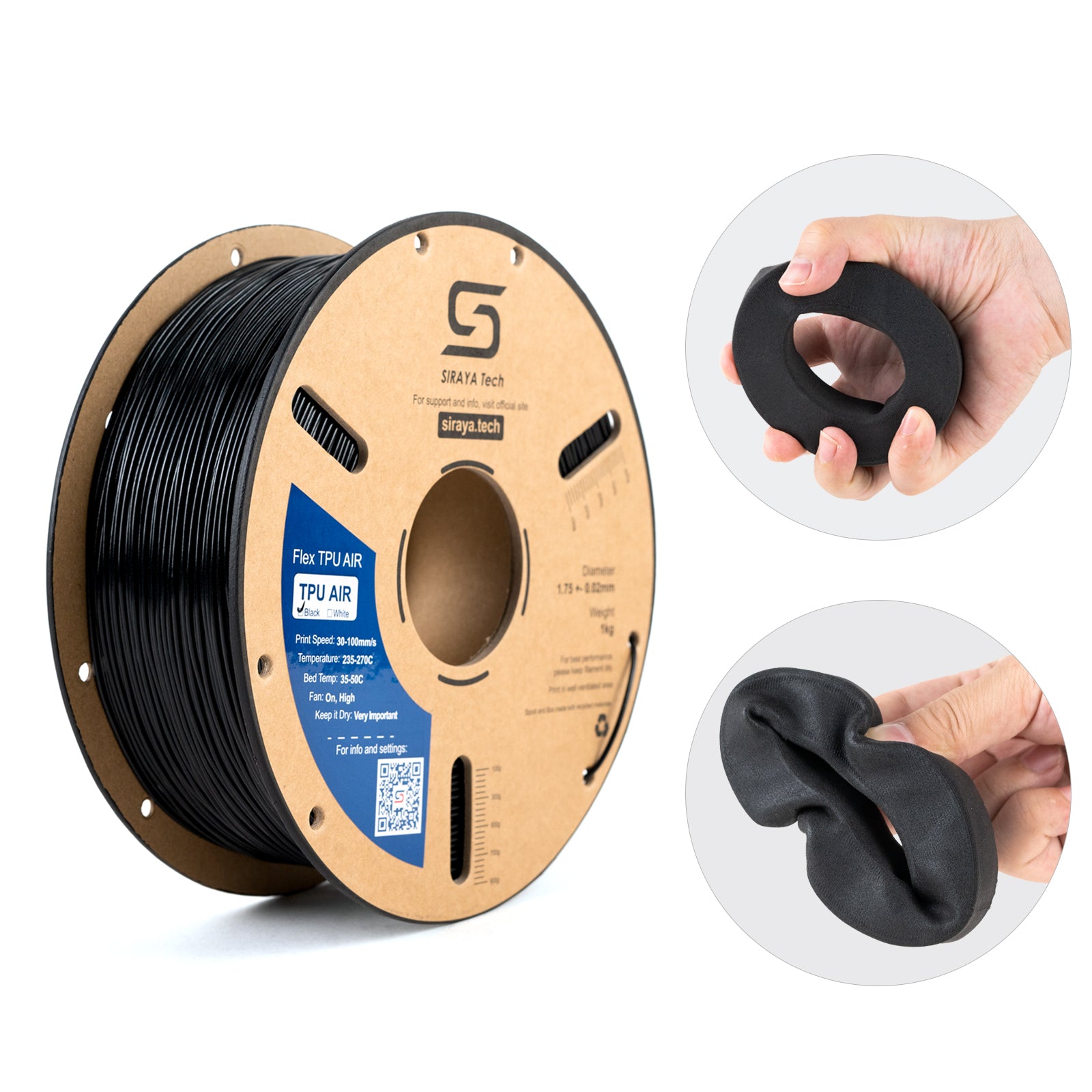
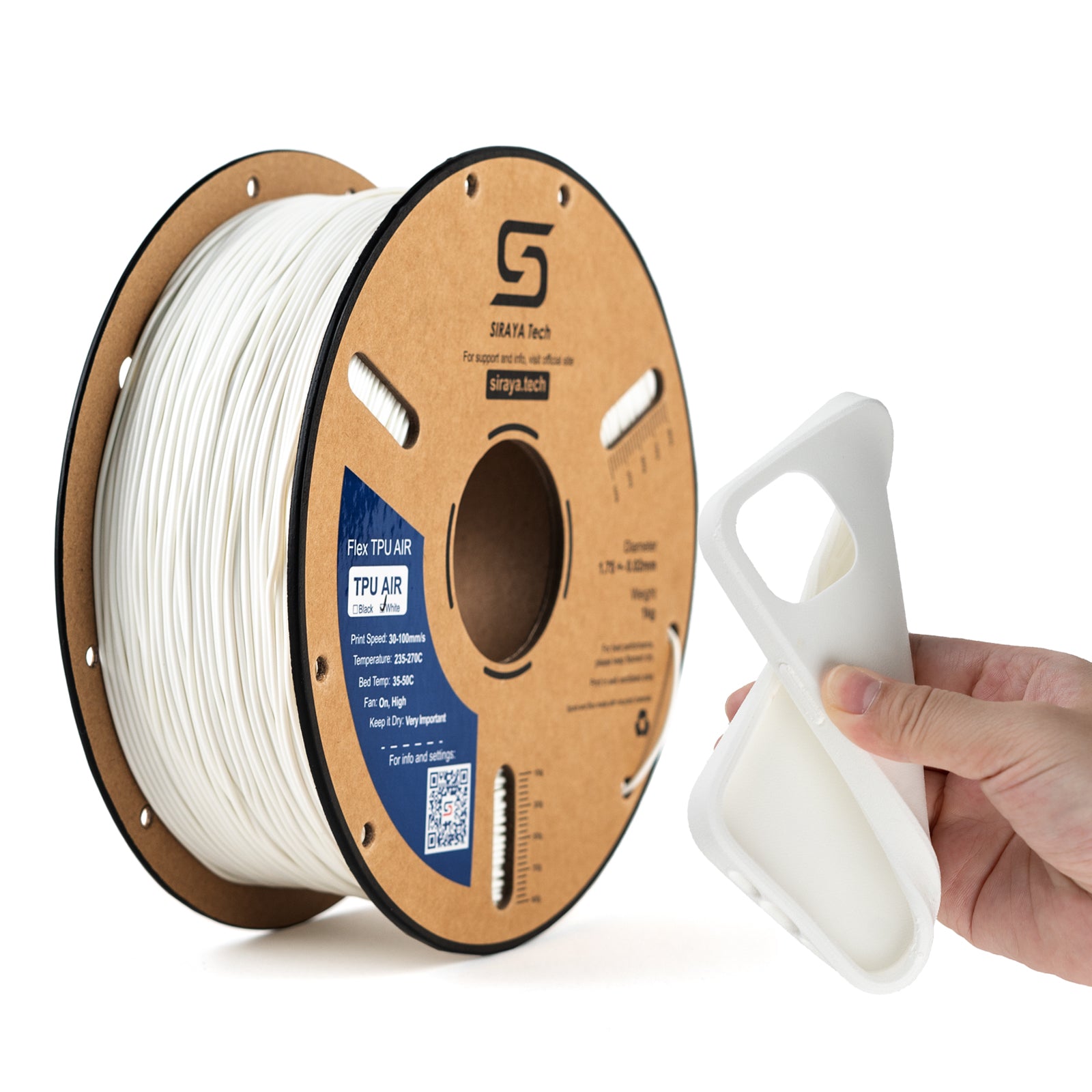
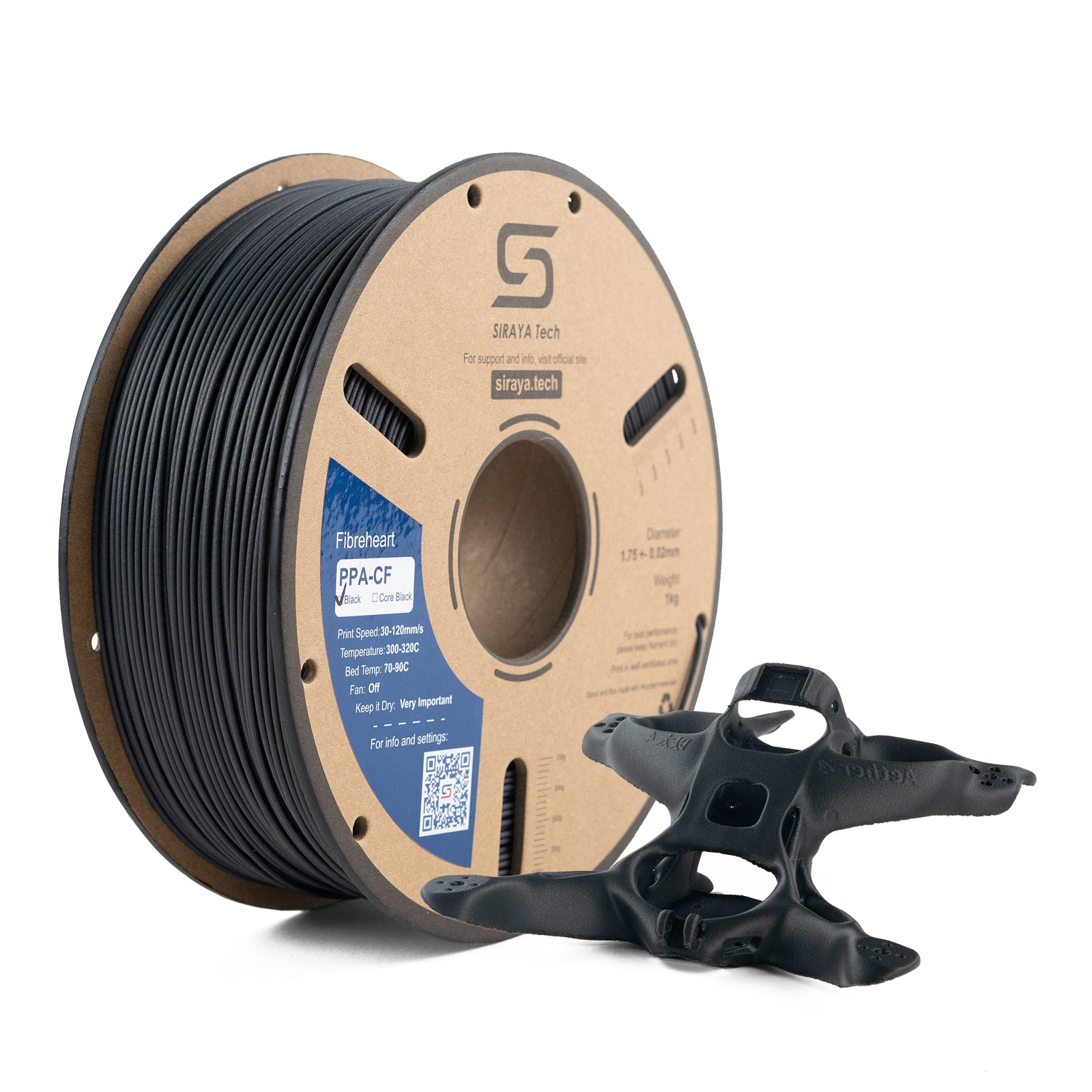
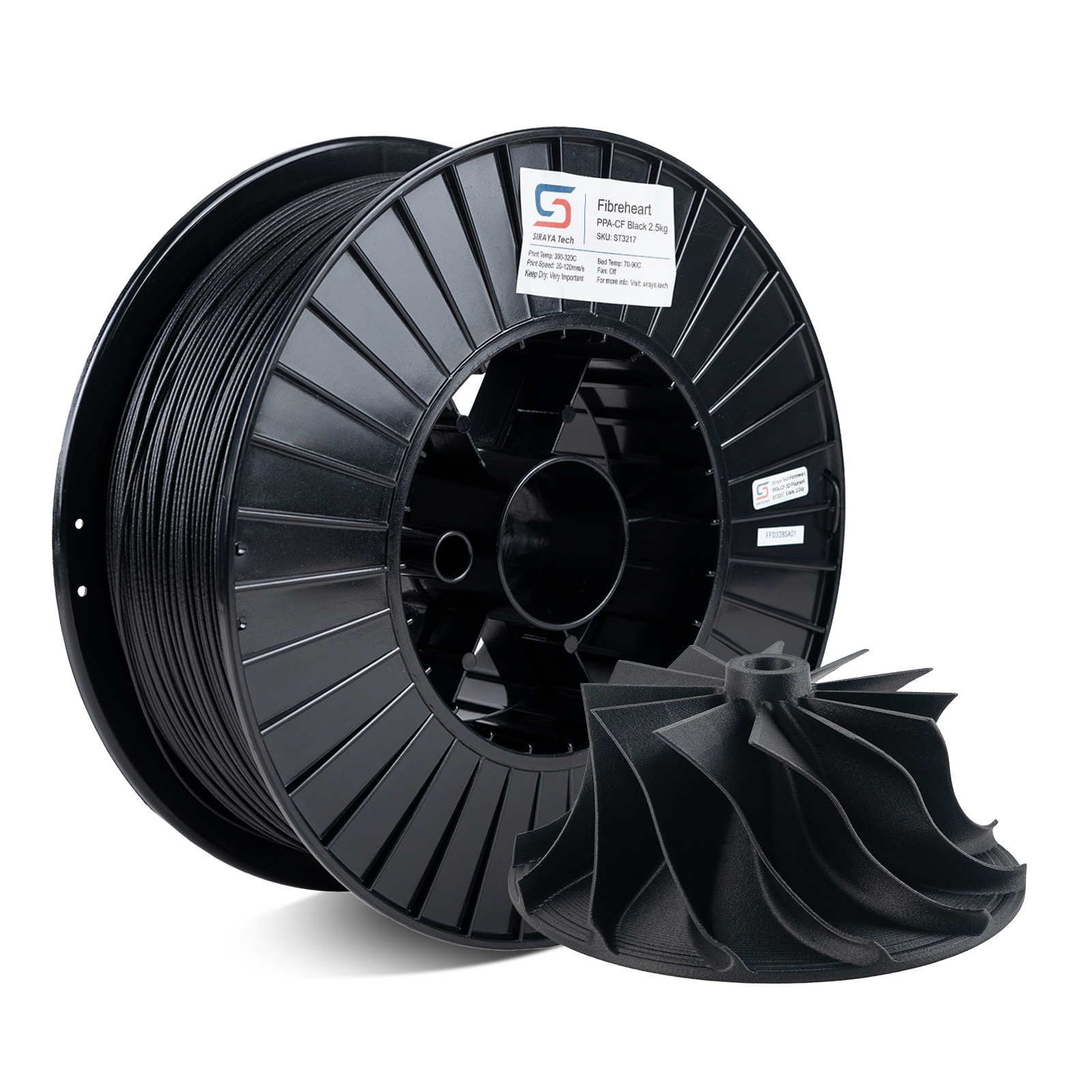
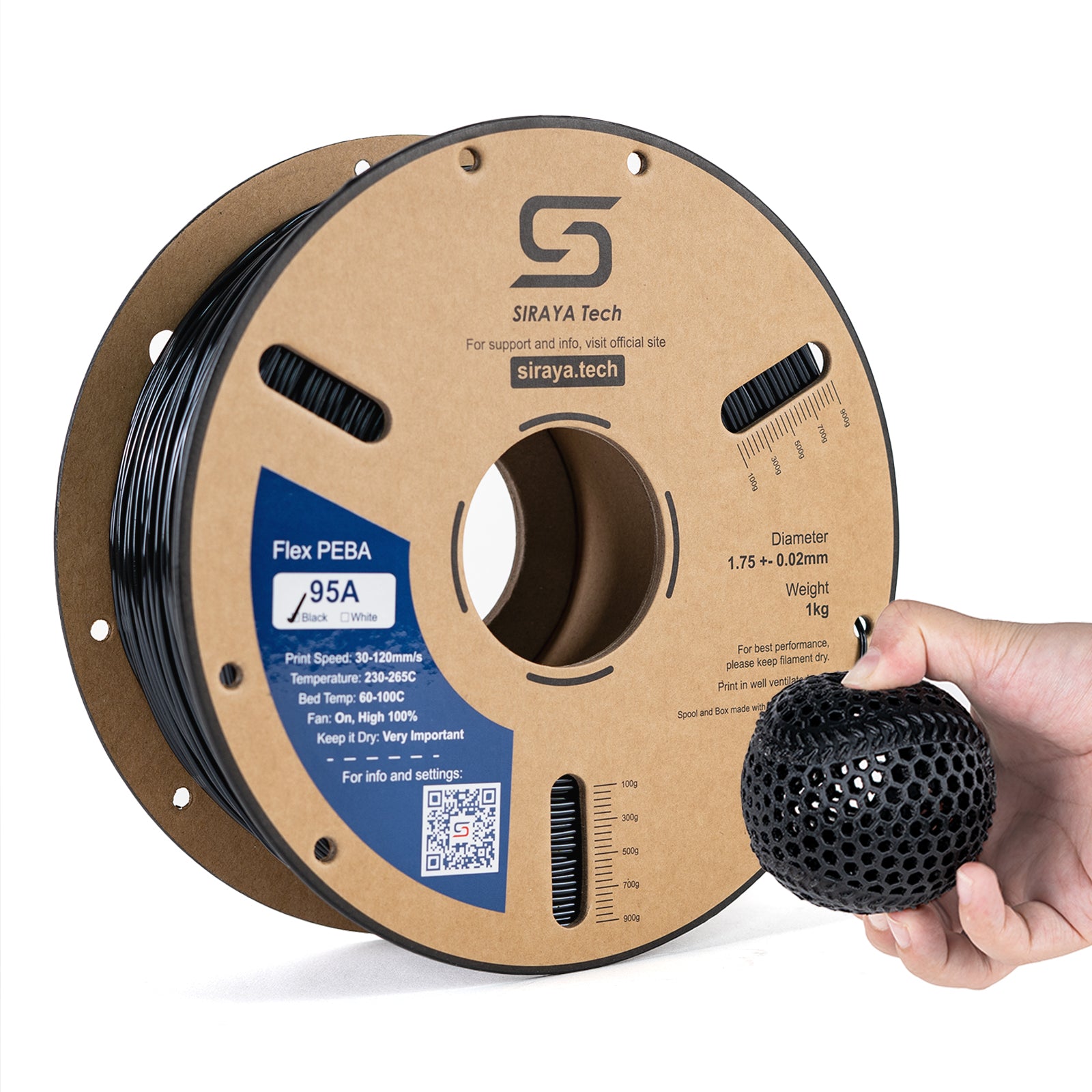
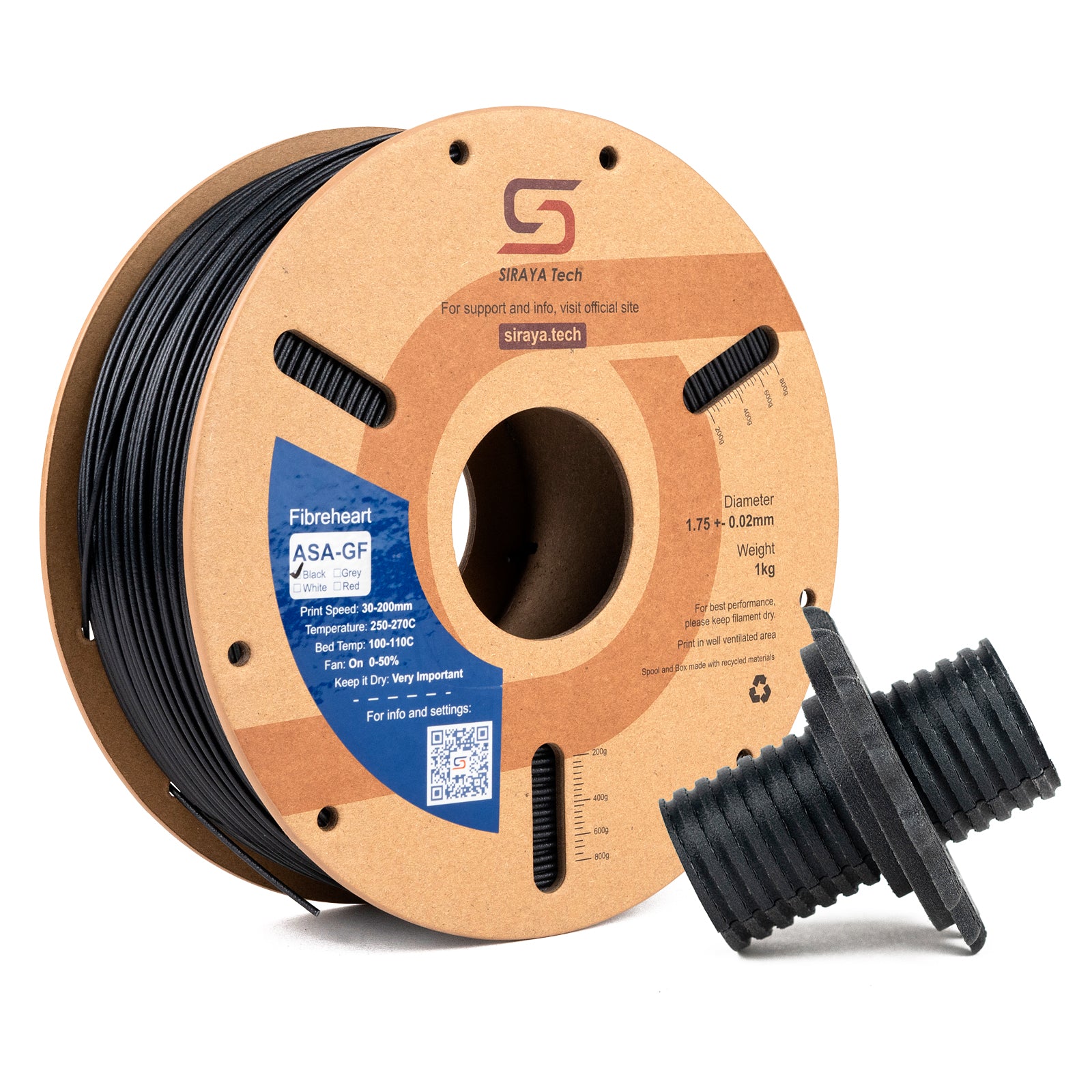
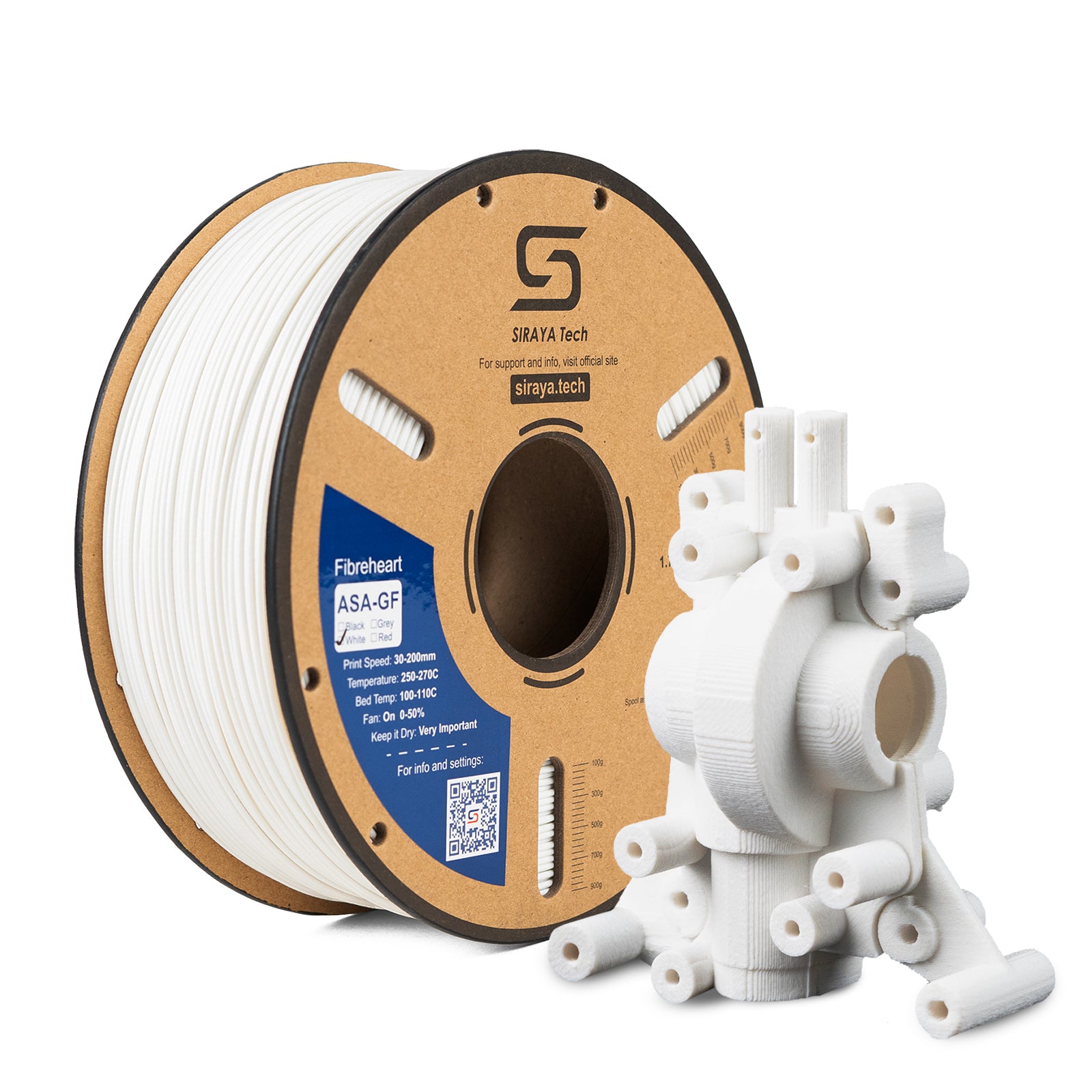
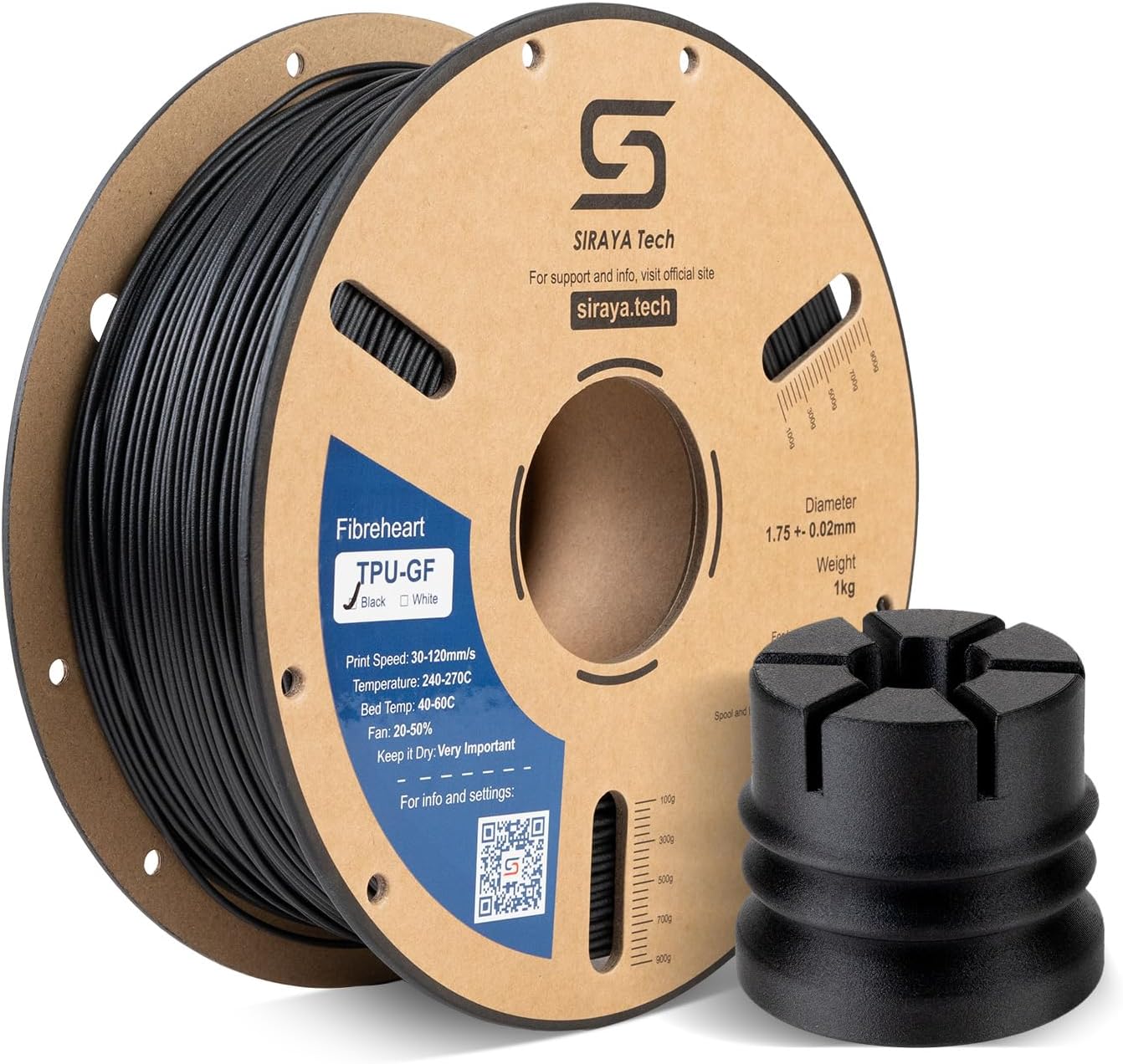
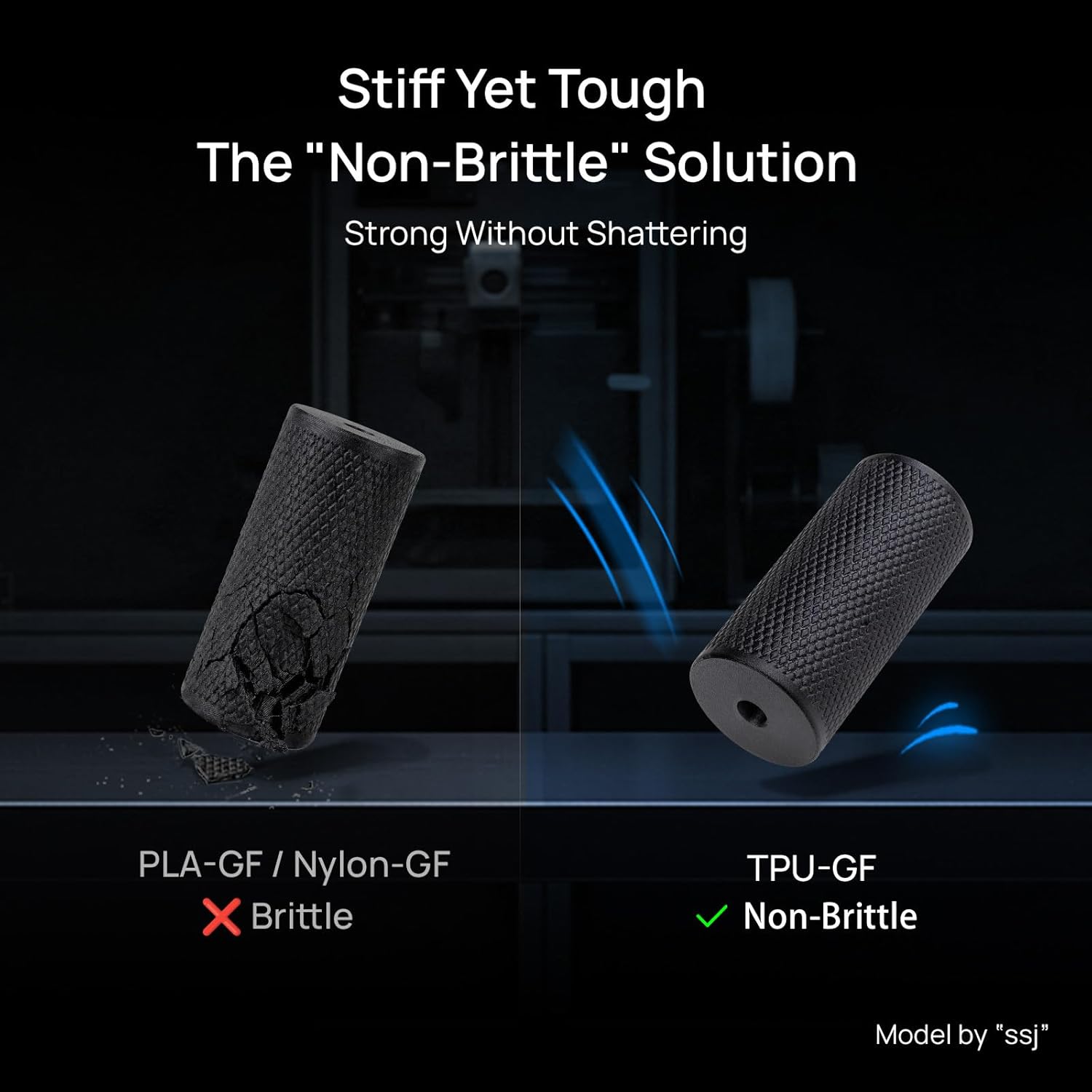
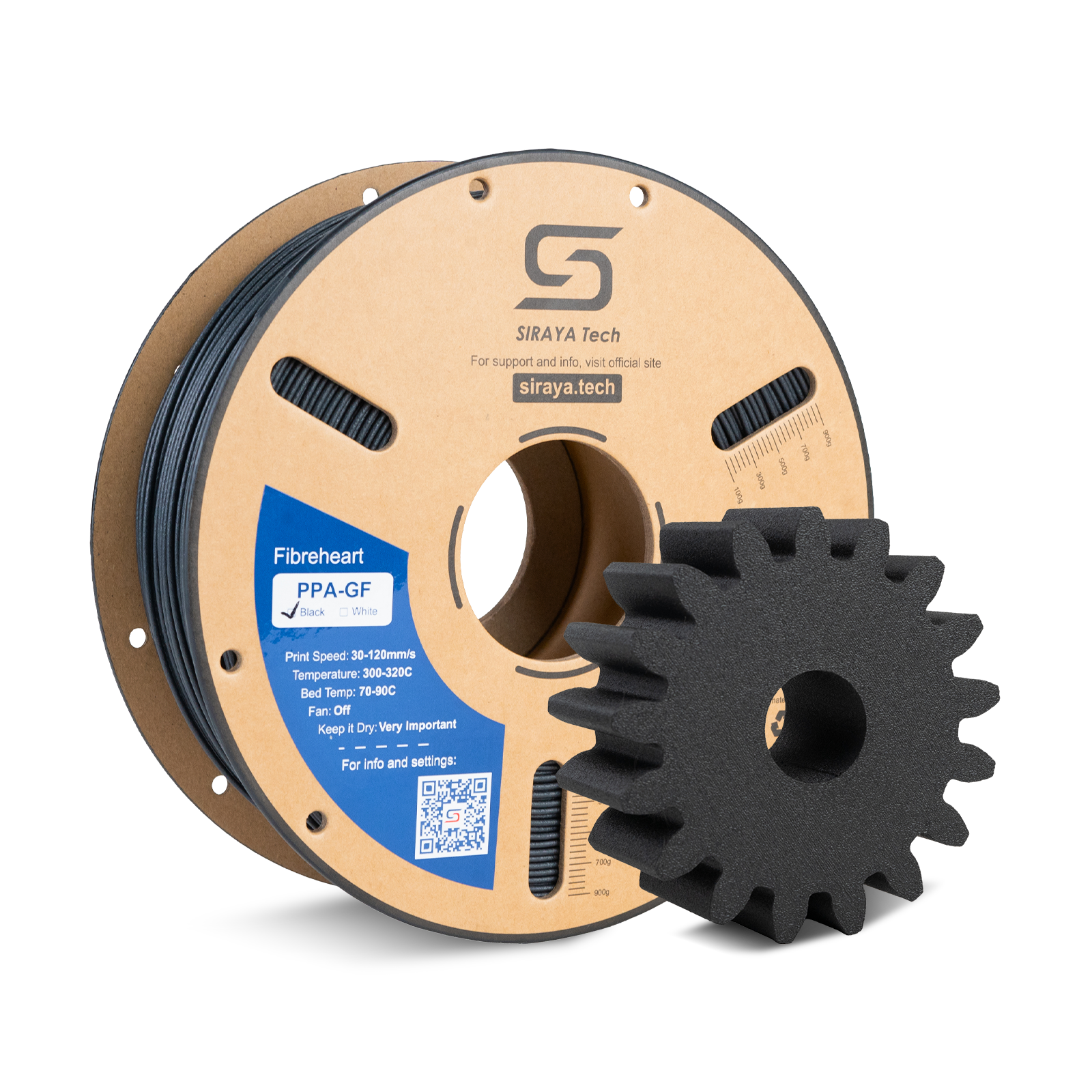
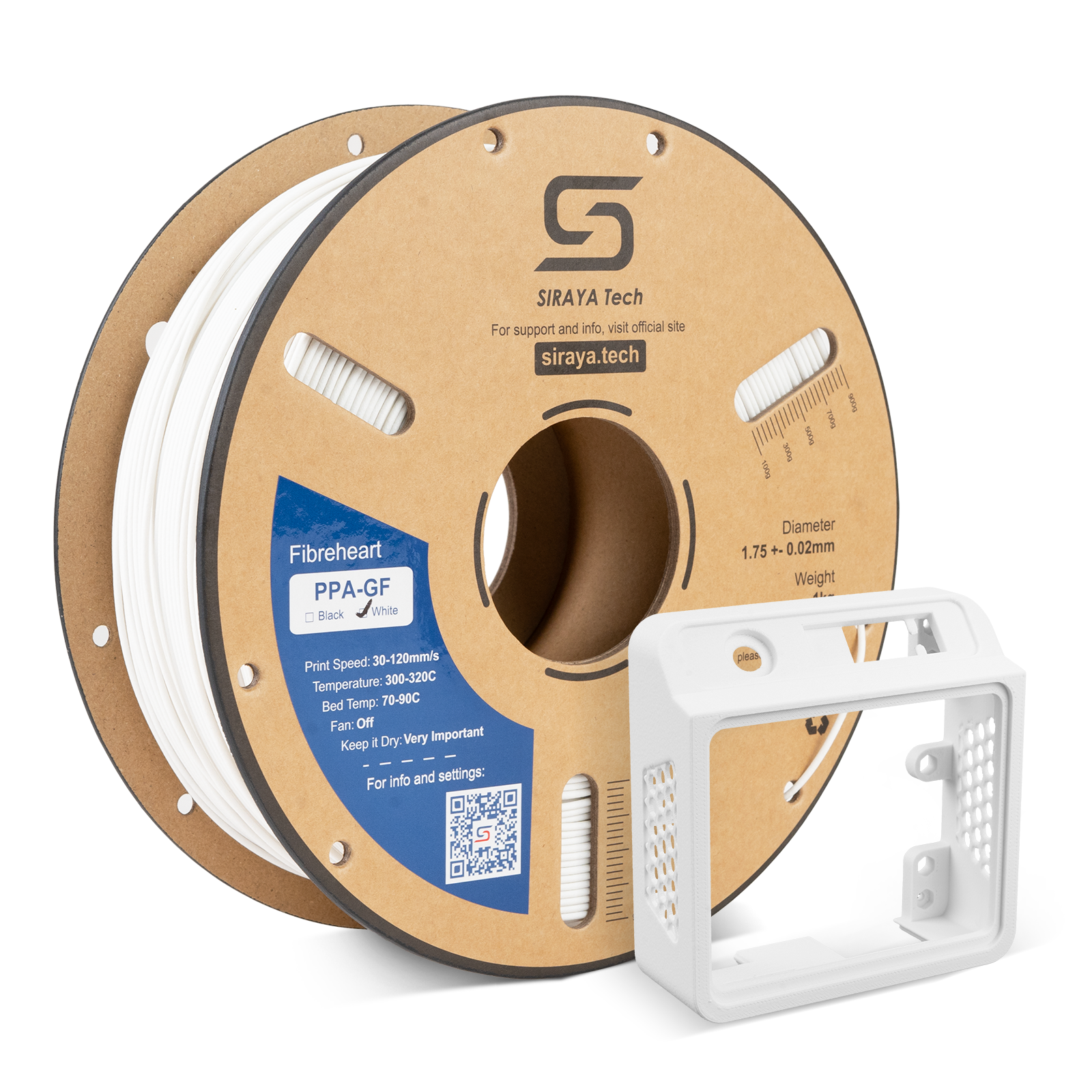
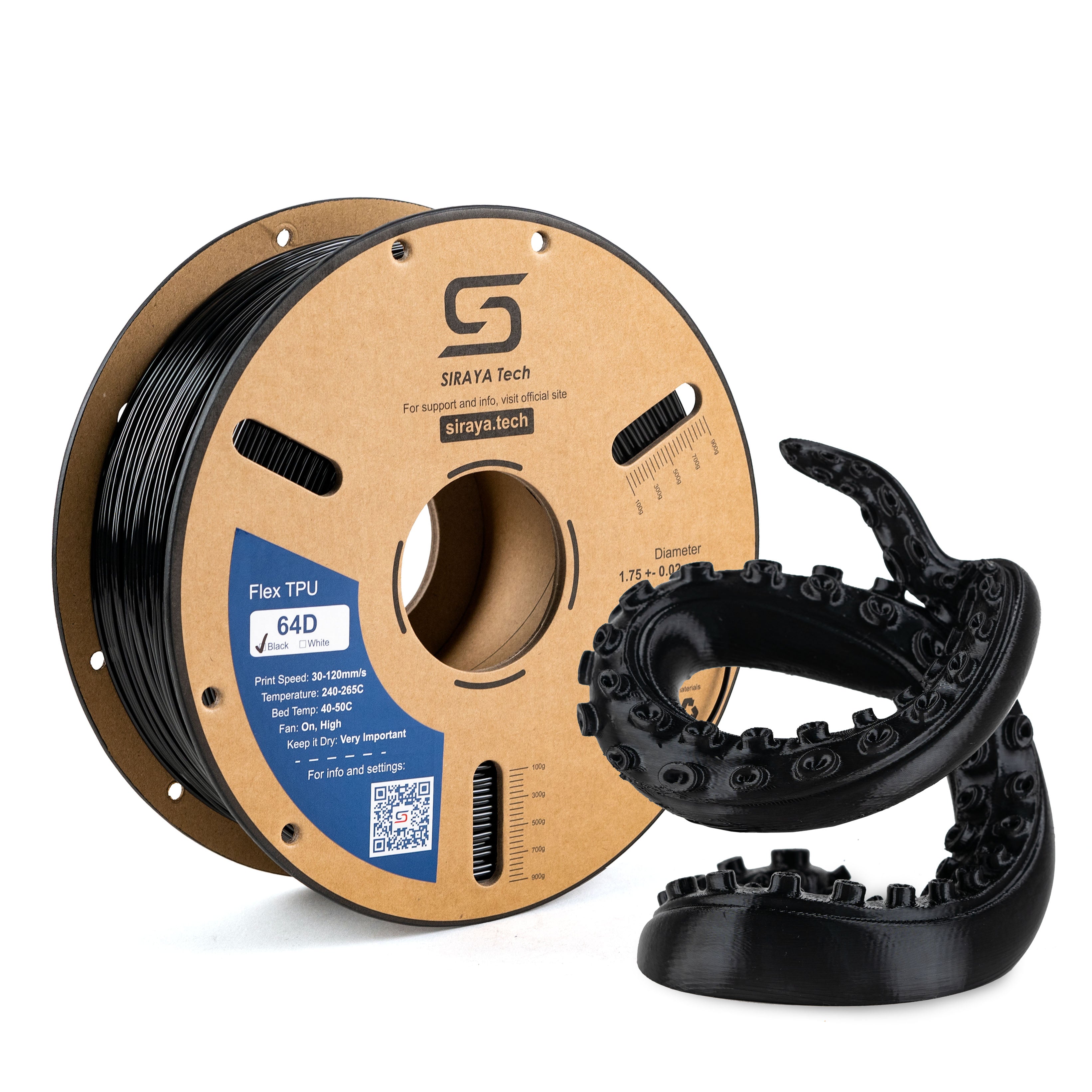
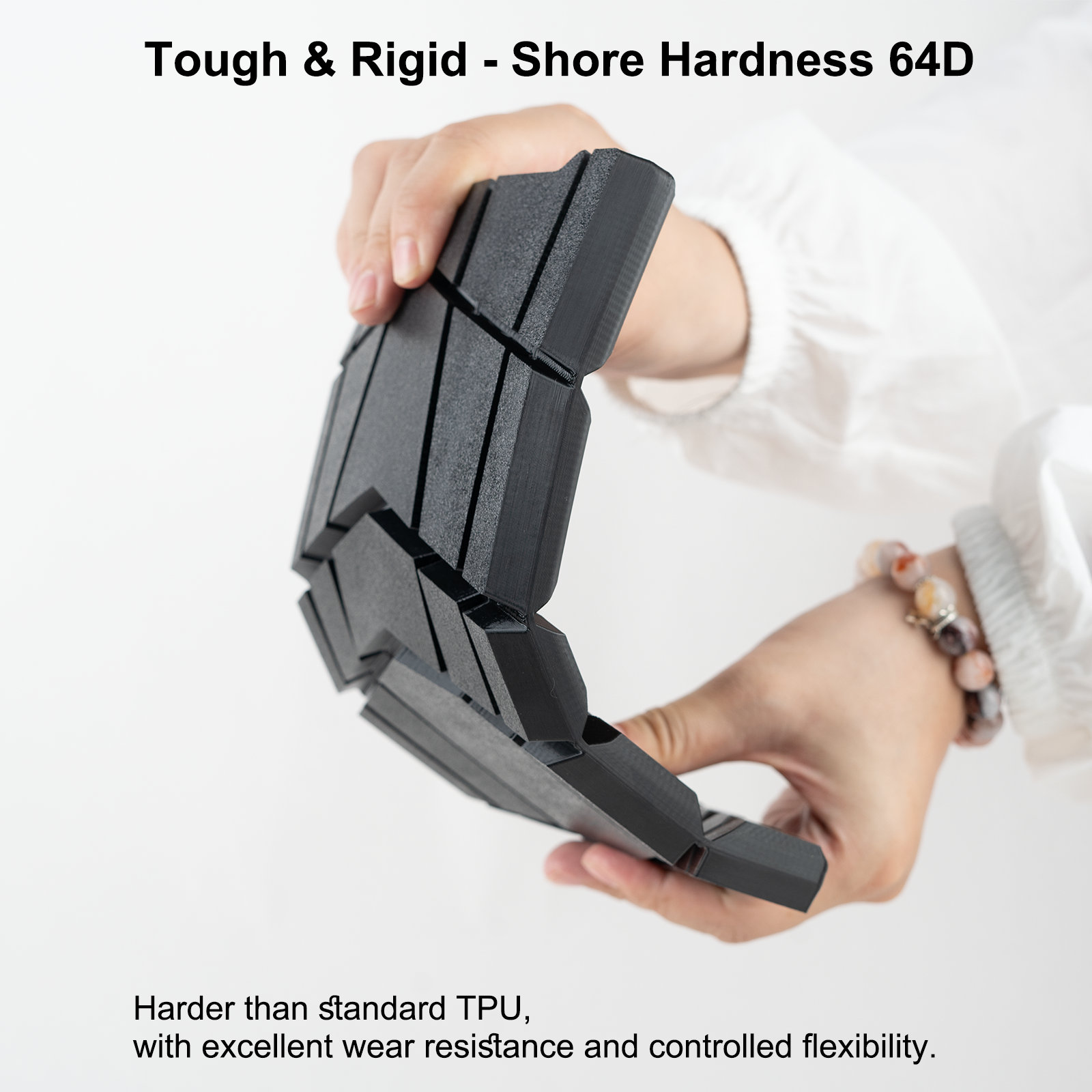
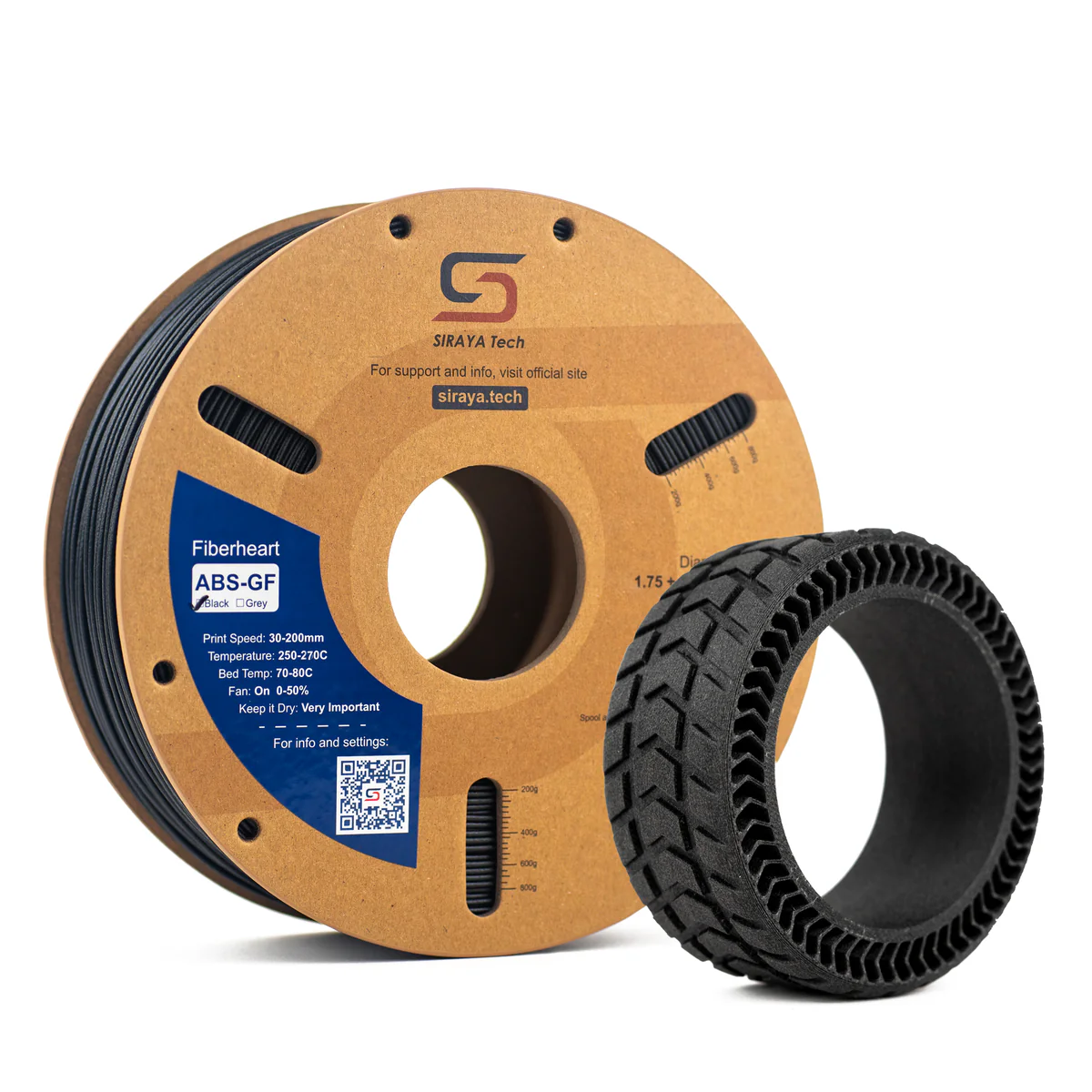
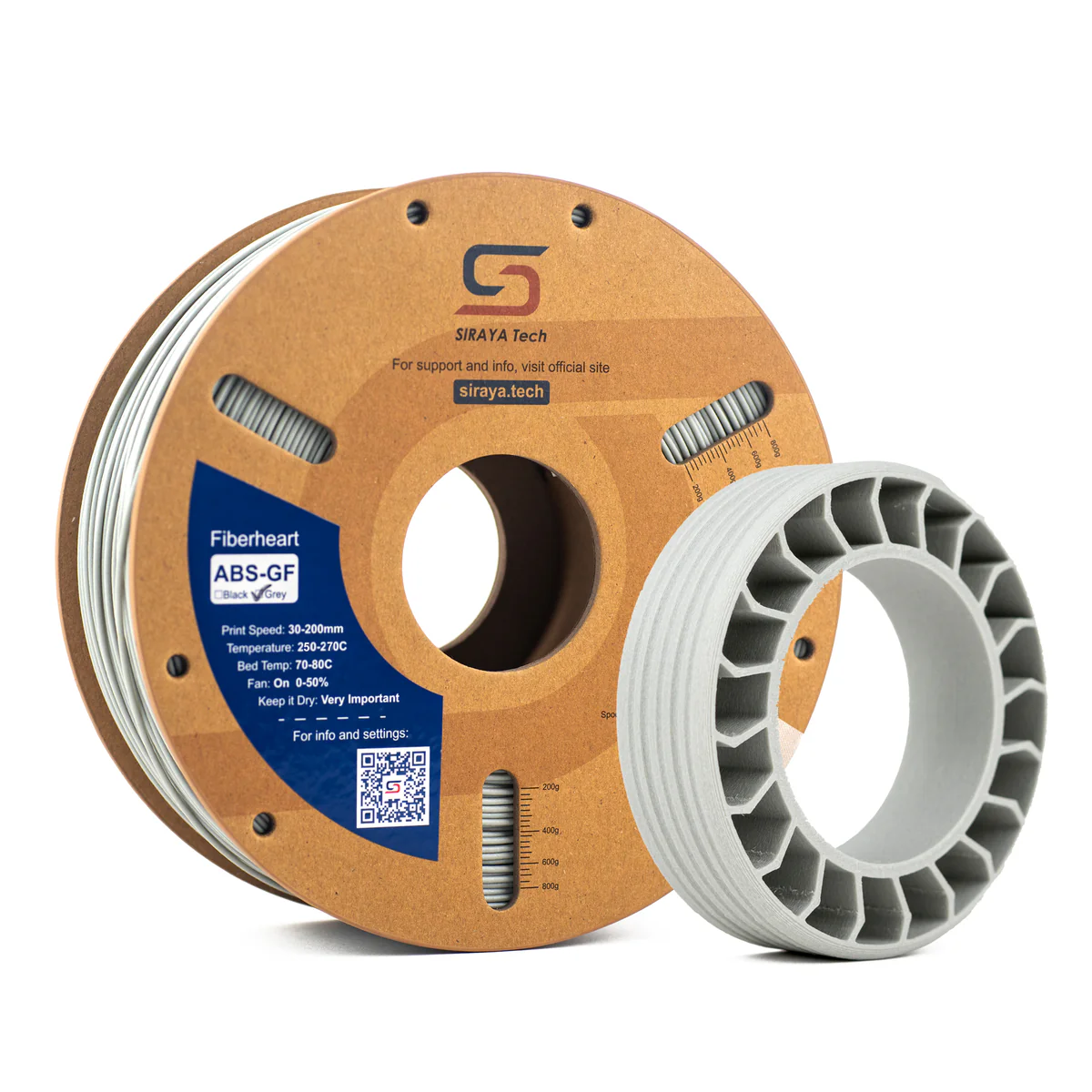
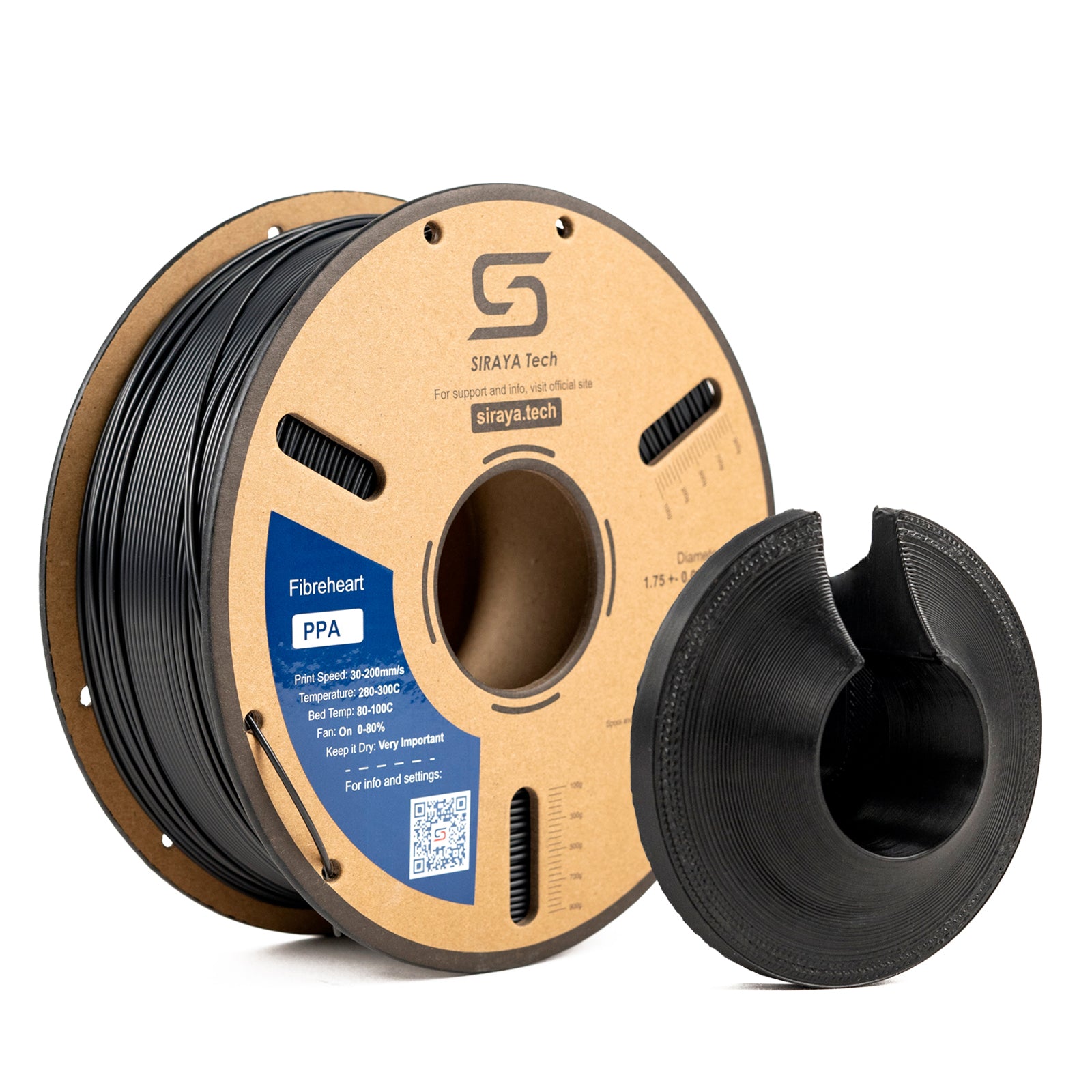
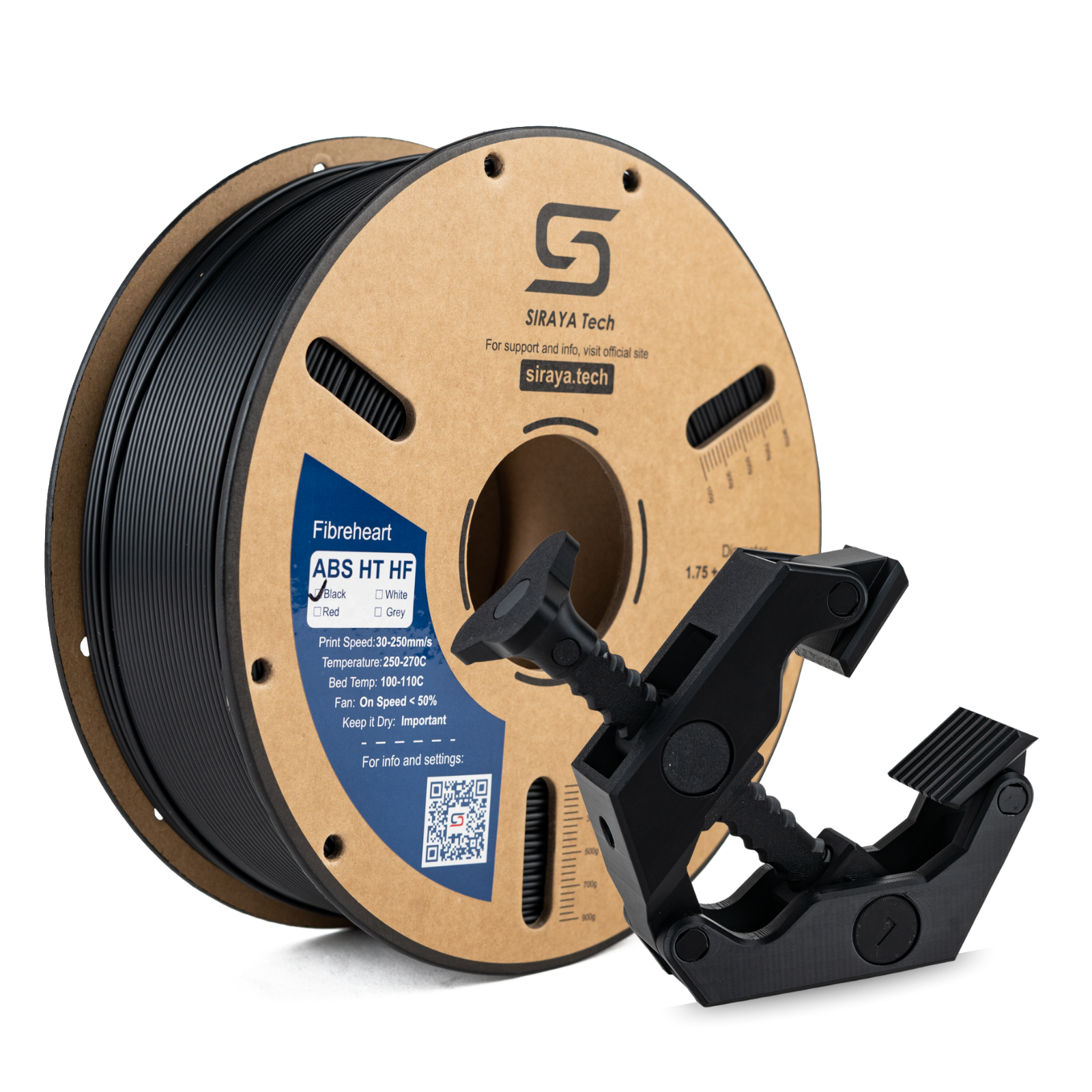
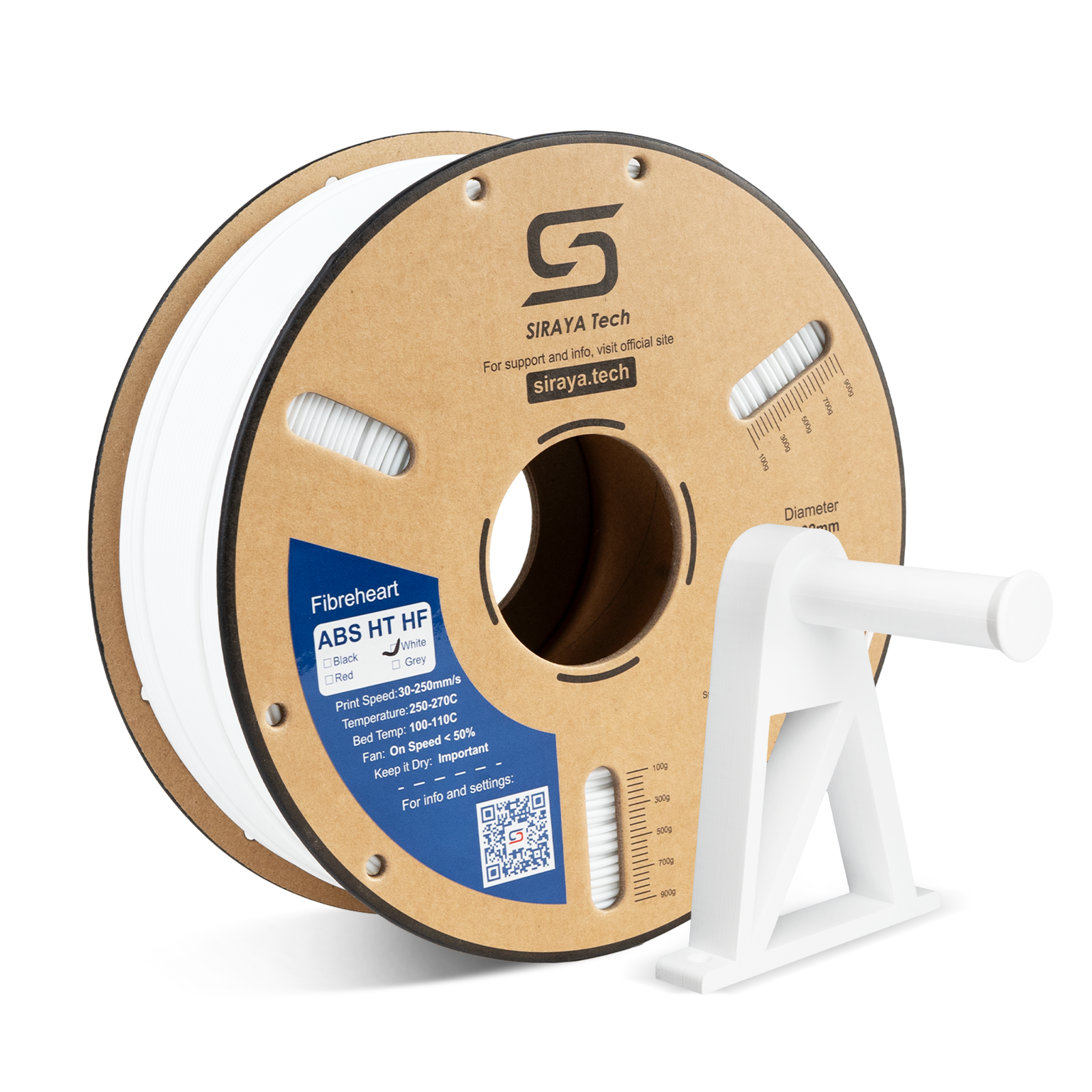
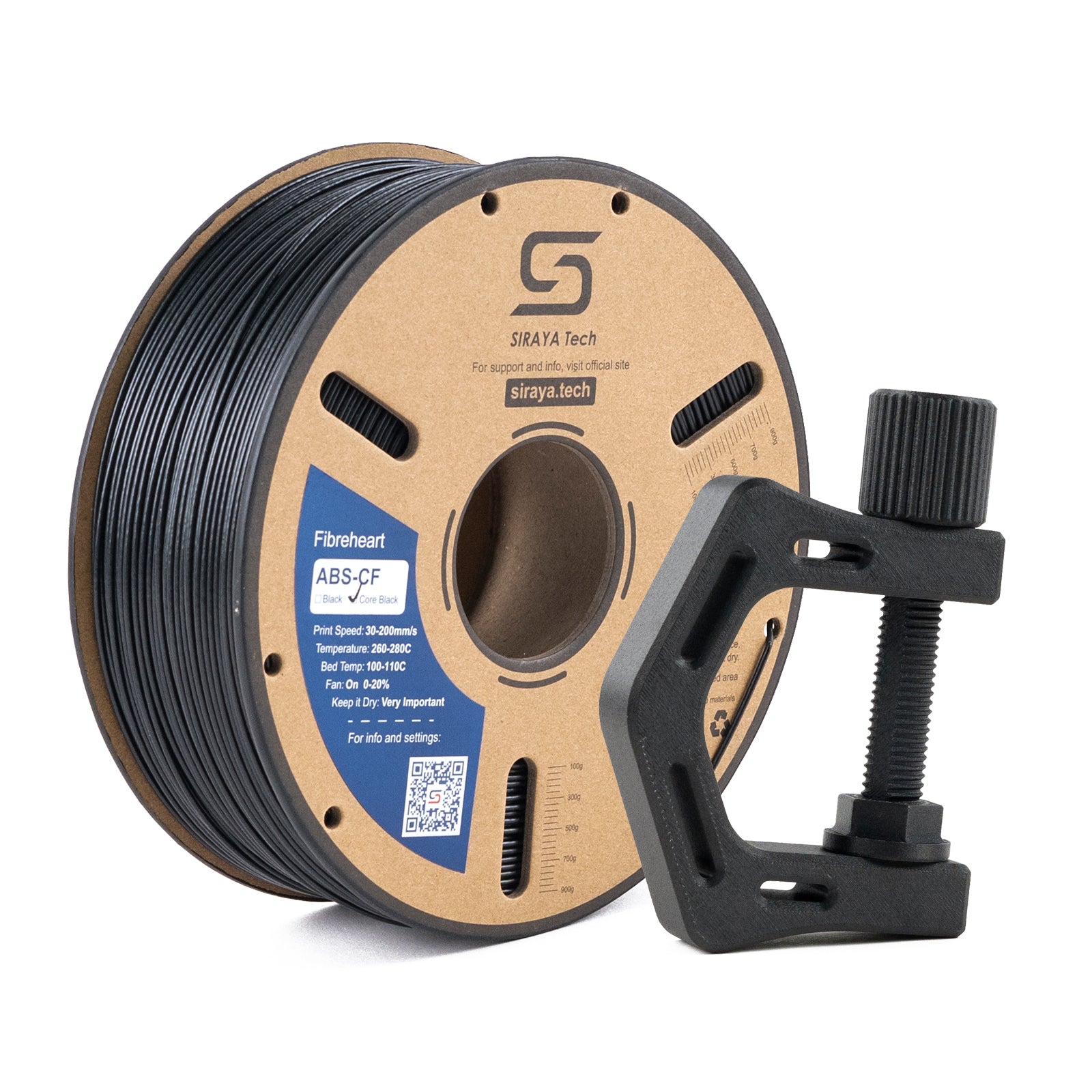
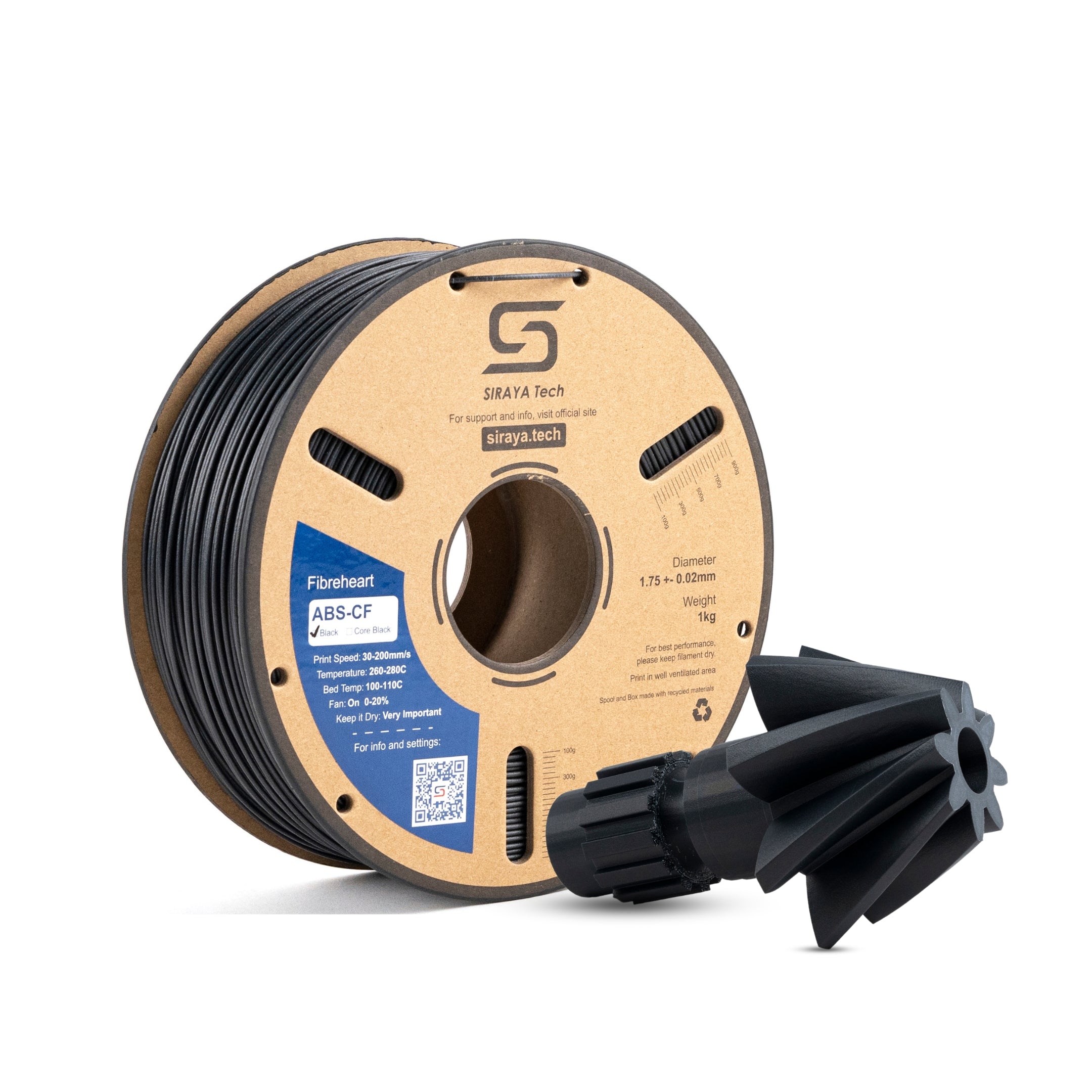
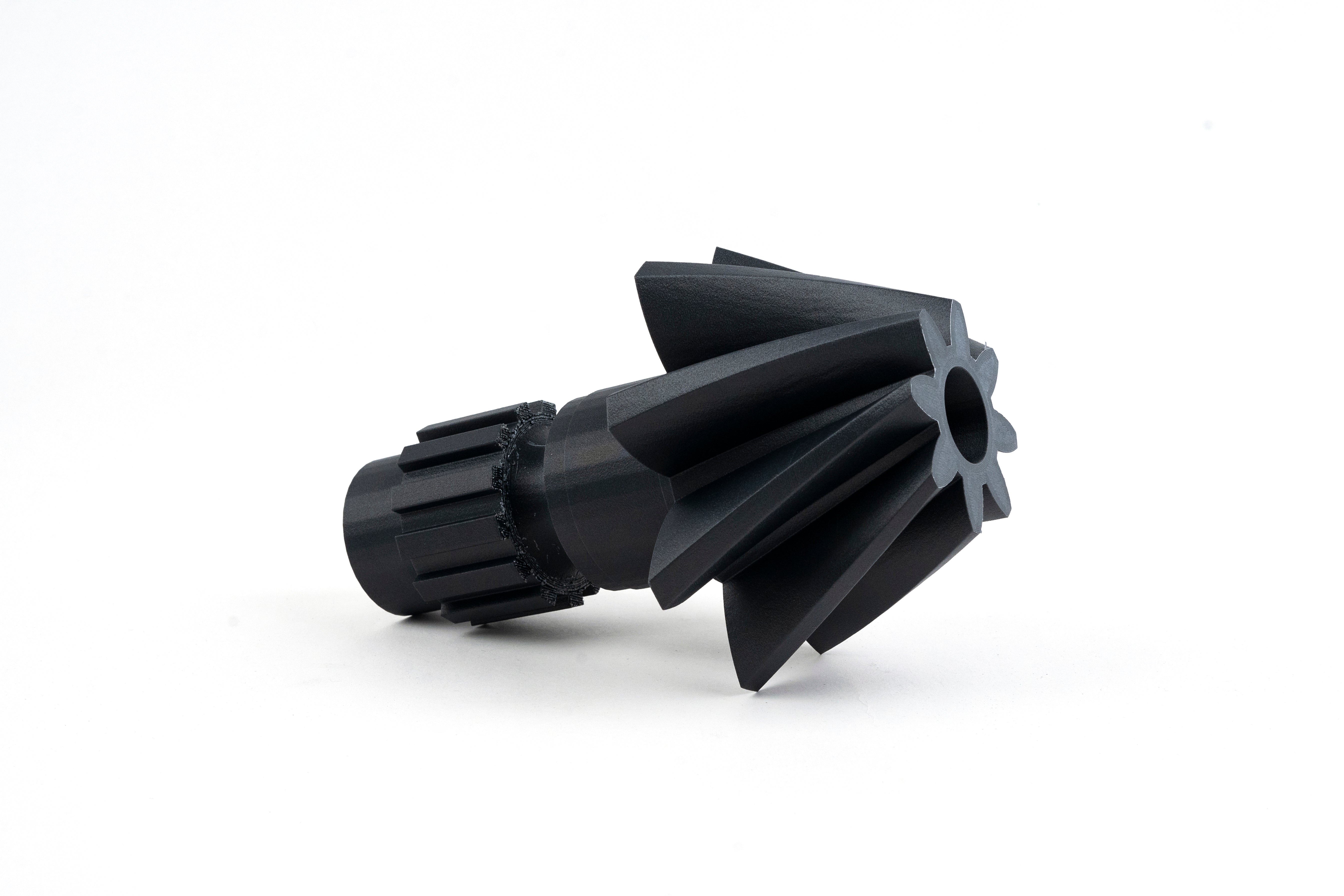
Voron filament covers two different needs: the material to build the printer's own structural parts, and whatever you print once it's running. Voron Design's own documentation names ABS as the primary recommended material for the first job, with PLA and PETG explicitly ruled out. Siraya Tech stocks ABS-CF and ASA-GF formulated to meet the thermal requirements Voron's own build guide specifies.
What Voron Filament Actually Means
Voron is an open source printer project with several models, including the V0, Trident, V2, and Switchwire, all enclosed by design so they can reliably print their own structural parts in ABS or ASA before printing anything else. Voron's official materials documentation states that PLA and PETG are not recommended for these parts due to low heat tolerance and ductility, while ABS and ASA meet the glass transition temperature the enclosed chamber requires.
ABS is Voron's primary recommended material for structural parts
ASA is fully supported with properties very close to ABS
PLA and PETG are not recommended for structural parts, only for non load bearing items
PC and PC blends are also not recommended due to low ductility under load
PLA vs PETG vs ABS vs ASA for Voron Parts
Material
Glass Transition
Voron Recommended
Why
PLA
55-60C
No
Low heat tolerance, risk of cracking
PETG
70-80C
No
Below Voron's 80C minimum
ABS
90-100C
Yes, primary
High heat tolerance with ductility
ASA
Similar to ABS
Yes
Fully supported, close to ABS
Swipe to see all columns →
Why ABS and ASA Are Required, Not Optional
Voron's enclosed chamber commonly reaches 55 to 60C during printing, and any structural material needs a glass transition temperature of at least 80C to avoid softening under that heat. PLA and PETG both fall short, which is why builders who substitute them report parts that crack under the gantry's mechanical load. Siraya Tech's ASA-GF documents a glass transition of 106C, well above Voron's stated minimum, with glass fiber added for extra stiffness on gantry corners and toolhead mounts.
How to Print Voron Parts Successfully
Set shrinkage compensation to 100 percent. Voron's parts are already designed around ABS and ASA shrinkage rates.
Use a 0.2mm layer height for structural parts. Thinner layers reduce interlayer adhesion on load bearing components.
Keep the enclosure chamber at 45 to 60C. Without it, larger parts are prone to warping.
Print at 40 to 55 percent infill using gyroid or honeycomb patterns for strength in multiple directions.
Use ABS-CF or ASA-GF on gantry corners and other high stress parts that see repeated mechanical load.
What is the best filament for printing Voron parts?
Voron's own documentation names ABS as the primary recommended material, with ASA fully supported as a close second. Both clear the 80C glass transition minimum the enclosed chamber requires. ABS-CF or ASA-GF add extra rigidity for high stress parts like gantry corners.
Can I print Voron parts in PLA or PETG?
Voron's documentation specifically advises against it for structural parts. PLA's glass transition sits at 55 to 60C and PETG at 70 to 80C, both below the 80C minimum the chamber requires. Both are fine for non structural items like skirts and panel clips.
Why is PLA not recommended for Voron printers?
It is not about ease of printing. PLA's glass transition temperature sits below the chamber temperature an enclosed Voron reaches during printing, and its low ductility means it can crack rather than flex under the gantry's mechanical load.
Is polycarbonate a good choice for Voron parts?
No, despite high heat resistance. PC and PC blends have a glass transition of 110 to 130C, but their stiffness and low ductility make them prone to sudden cracking under the shock loading Voron's gantry experiences.
What filament should I use once my Voron is built?
Once assembled, a Voron's enclosed CoreXY design handles PLA and PETG well, along with carbon and glass fiber reinforced filament, since the same enclosure that stabilizes ABS and ASA during the build also benefits other materials afterward.