
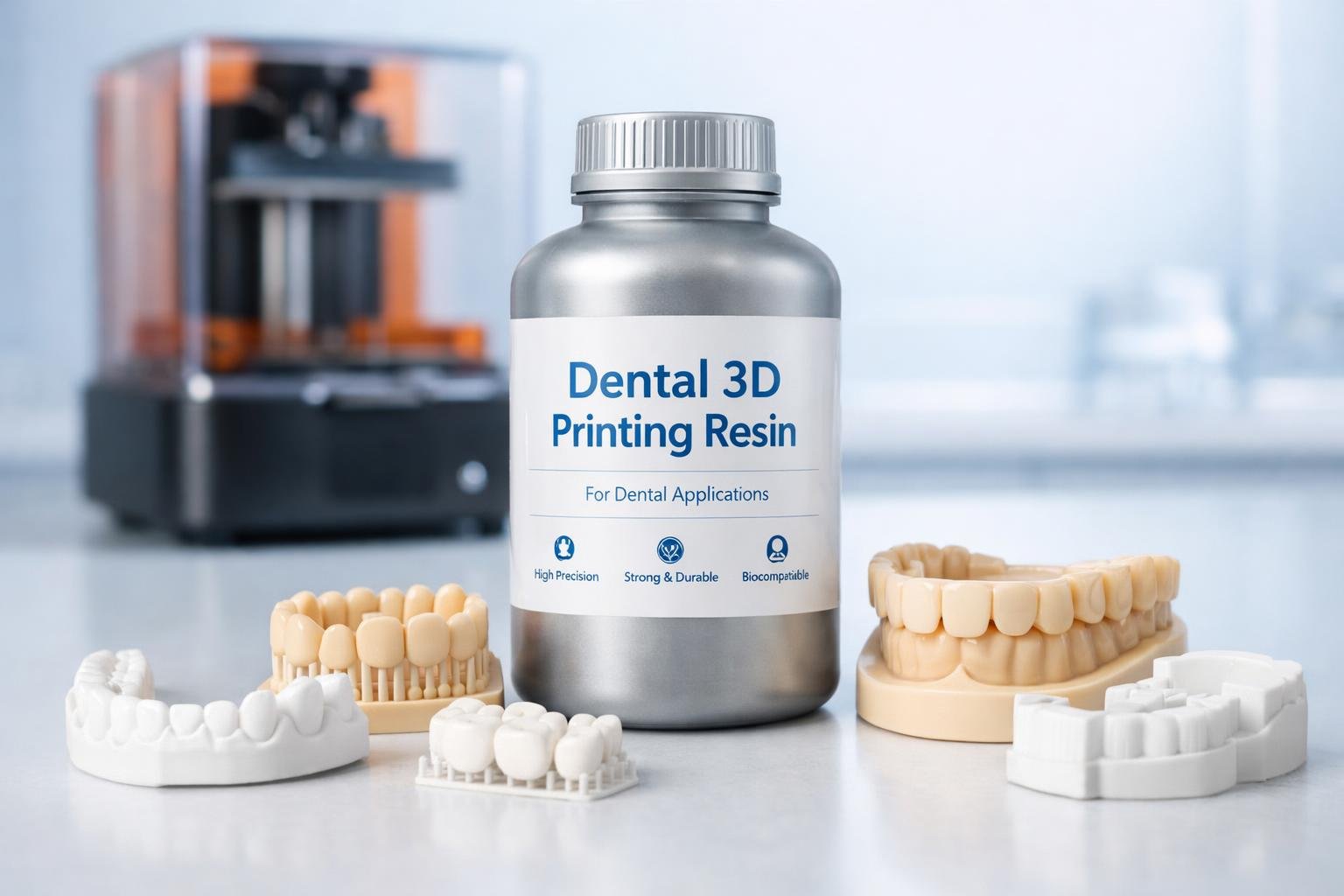
Dental technology has changed fast in the past few years, and resin for dental 3D printing is at the center of that shift. From accurate dental models to strong crowns and flexible splints, modern dental resins make it possible to print high quality restorations right in the lab or clinic.
Choosing the right resin can feel confusing because there are many types, each made for a different purpose.
Understanding how they work, how safe they are, and which one fits your needs makes the process much easier. Keep reading to learn everything you need to know before selecting a dental 3D printing resin.
Key Takeaways
- Resin for dental 3D printing is specially formulated for accuracy, strength, and biocompatibility
- Different dental applications require different types of resin
- Biocompatible and properly cured resin is safe for intraoral use
- Printer compatibility and post curing are critical for performance
- High quality materials such as Siraya 3D printing resins and specialty materials help improve results
What Is Resin for Dental 3D Printing?
Resin for dental 3D printing is a liquid photopolymer material designed for precise dental applications. It hardens when exposed to light in SLA, DLP, or LCD 3D printers.
Unlike standard 3D printer resin, dental resin is formulated for higher accuracy, better surface detail, and often biocompatibility. It is used to create models, crowns, bridges, dentures, surgical guides, and more.
Siraya 3D Filaments and Resin You May Shop
Explore More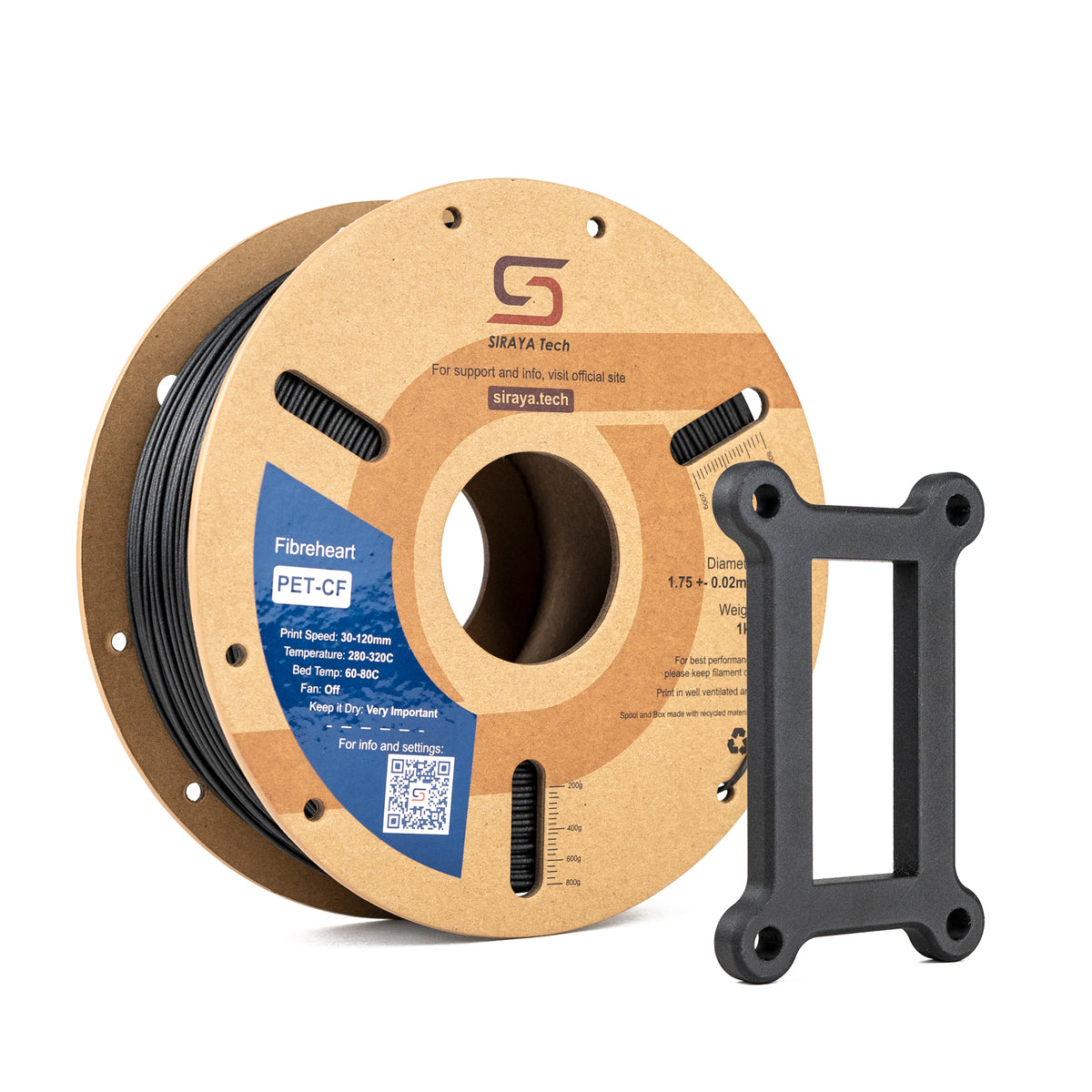

How Dental 3D Printing Resin Works
Dental resin cures layer by layer when exposed to UV light. The printer projects light onto a thin layer of liquid resin, solidifying it into a solid shape.
After printing, the object must be washed and post cured. Proper curing improves strength, durability, and safety for intraoral use.
Dental Resin vs Regular 3D Printer Resin

Regular resin may work for hobby prints, but it is not safe or accurate enough for dental work. Dental resins are tested for dimensional stability, mechanical strength, and in many cases, biocompatibility.
Using non-dental resin for oral appliances can lead to poor fit and potential health risks.
Types of Resin for Dental 3D Printing
There is no single best resin for dental 3D printing because each type is made for a specific use. Choosing the right one depends on what you are printing.
Model Resin for Dental Models and Study Casts
Model resin is used to print highly accurate dental models for treatment planning and aligners. It offers excellent surface detail and dimensional precision.
Common benefits include:
- High accuracy for margins and contacts
- Smooth surface finish
- Fast print times
For detailed prints that demand strength and consistency, you can also browse Siraya's engineering resins designed for precision and durability.
Surgical Guide Resin
Surgical guide resin is designed for implant procedures. It must be strong, accurate, and sterilizable.
Important features include:
- Biocompatibility certification
- High flexural strength
- Resistance to sterilization processes
This type of resin ensures implant drills follow the planned path safely and precisely.
Temporary Crown and Bridge Resin
Temporary crown and bridge resin is used for short term restorations. It must look natural while offering enough strength for chewing.
Key properties include:
- Tooth colored shades
- Good fracture resistance
- Smooth polishability
Permanent Crown Resin
Permanent crown resin is often ceramic filled for extra durability. It is used for long term restorations like single crowns and inlays.
Features to look for:
- High wear resistance
- Strong bonding compatibility
- Long term stability in the mouth
Denture and Digital Denture Resin
Denture resin is used for denture bases and artificial teeth. It provides strength while maintaining a natural appearance.
Benefits include:
- High impact resistance
- Natural gum and tooth shades
- Long term comfort
Castable Resin for Crowns and Bridges
Castable resin is designed to burn out cleanly during the casting process. It leaves minimal ash and residue.
It is used to create:
- Crown frameworks
- Bridge frameworks
- Partial denture frameworks
Siraya 3D Filaments and Resin You May Shop
Explore More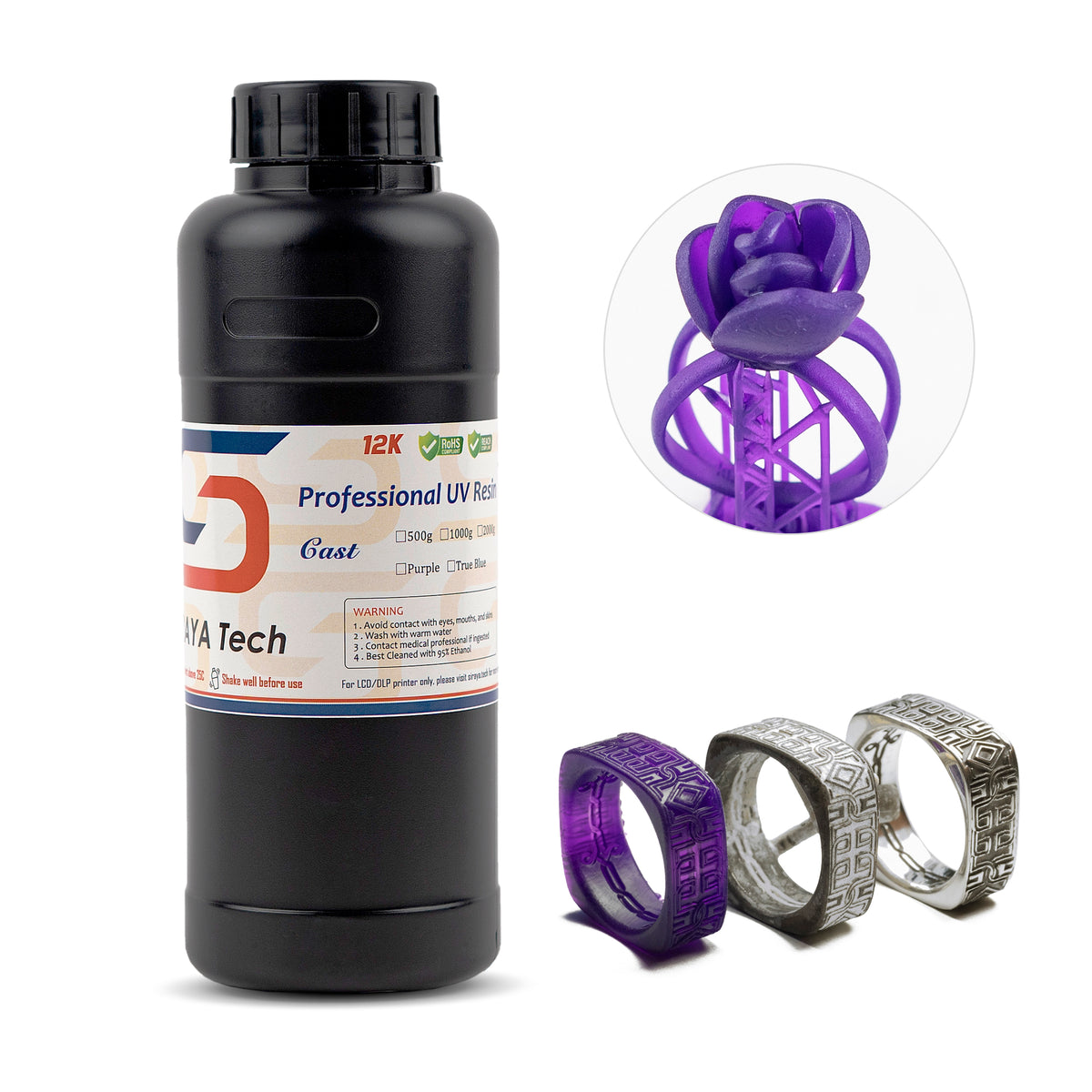

If you are exploring casting beyond dental use, discover Siraya Castable Resin options for detailed and clean burnout performance.
Flexible Splint and Clear Resin
Flexible dental resin is used for night guards, splints, and indirect bonding trays. It must balance flexibility and durability.
Important properties:
- Comfort for long wear
- Tear resistance
- Transparency or clarity
Custom Tray Resin
Custom tray resin is used to print impression trays quickly. It saves time compared to traditional fabrication.
Advantages include:
- Fast production
- Consistent thickness
- Reduced manual labor
Biocompatibility and Safety of Resin for Dental 3D Printing

Safety is one of the most important factors when choosing dental resin. Not all resins are safe for intraoral use.
Biocompatible resin has been tested to ensure it does not cause harmful reactions when used as directed. Certifications such as FDA clearance or CE marking confirm that the material meets safety standards. Many dental resins are evaluated under ISO 10993 standards, which assess cytotoxicity, sensitization, and irritation for medical materials.
Some dental resins are approved only for short term intraoral use, while others are cleared for long term or permanent applications. Always check the manufacturer's instructions to confirm the intended duration of use.
Proper washing and post curing are essential. Incomplete curing can leave uncured resin, which may cause irritation or weaken the final restoration.
How to Choose the Best Resin for Dental 3D Printing
Choosing the right resin depends on the application, printer type, and required mechanical properties. Matching the material to the job ensures better results and fewer failures.
Match the Resin to the Dental Application
Each dental product requires specific properties. A surgical guide needs rigidity, while a splint needs flexibility.
Always start by identifying the final use before selecting resin.
Check Printer Compatibility
Not all resins work with all printers. Confirm that the resin matches your SLA, DLP, or LCD printer's wavelength and settings.
Incorrect settings can lead to weak prints or dimensional inaccuracies.
Consider Strength, Accuracy, and Flexibility
Look at mechanical properties such as:
- Flexural strength
- Impact resistance
- Hardness
- Elongation
These values help determine whether the resin will perform well in real conditions.
Evaluate Cost Per Print
Some resins cost more per liter but reduce waste and reprints. High quality resin often improves consistency and lowers long term costs.
Resin Properties That Matter in Dental 3D Printing
Understanding material properties helps you choose smarter. Each property affects performance in a different way.
Key properties include:
- Dimensional accuracy for proper fit
- Flexural strength for durability
- Fracture resistance for chewing forces
- Wear resistance for long term restorations
- Translucency for natural appearance
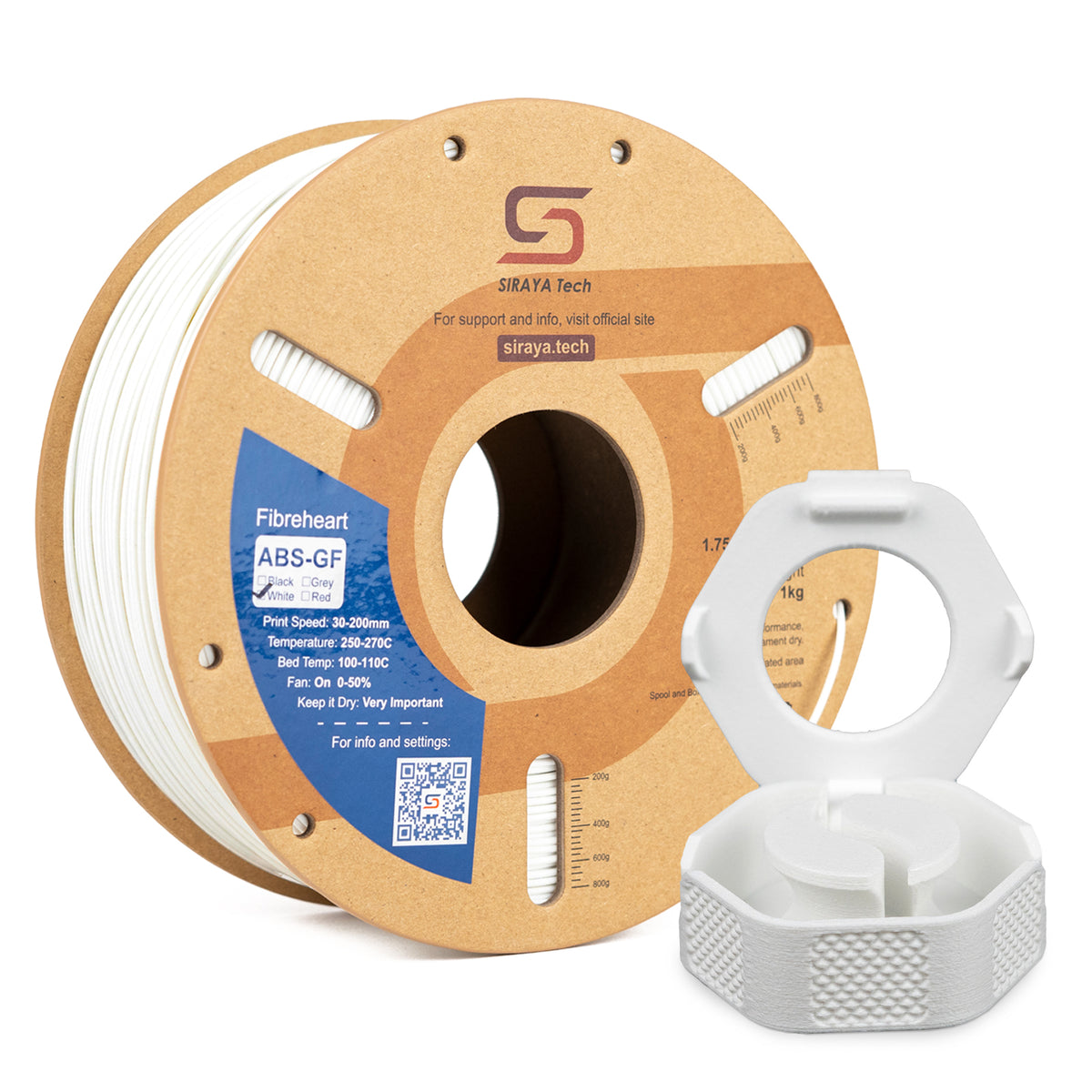
For labs expanding into broader 3D printing applications, Siraya also offers high performance filaments such as ABS-CF, ABS-GF, and ASA-GF. These advanced materials provide improved stiffness, surface finish, and strength for functional parts outside dental workflows.
Printing and Post Processing Dental 3D Printing Resin
Proper technique is just as important as material selection. Even the best resin for dental 3D printing will fail if handled incorrectly.
Step 1: File Preparation
Ensure STL files are clean and properly oriented. Add supports where needed to reduce distortion.
Step 2: Printing
Use manufacturer recommended settings for layer height and exposure time. Maintain a clean resin tank to prevent contamination.
Step 3: Washing
Wash printed parts in isopropyl alcohol or approved cleaning solution. Remove uncured resin completely.
Step 4: Post Curing
Place parts in a curing unit for the recommended time and temperature. This step maximizes strength and biocompatibility.
Step 5: Finishing and Polishing
Remove supports carefully and polish the surface if required. Proper finishing improves comfort and appearance.
Common Problems with Resin for Dental 3D Printing and How to Fix Them
Even experienced labs face challenges. Most problems have simple solutions.
Sticky or Under Cured Prints
Cause: insufficient washing or curing.
Fix: increase wash time and confirm curing settings.
Warping or Shrinkage
Cause: improper orientation or uneven curing.
Fix: adjust print orientation and ensure even post curing.
Weak or Brittle Parts
Cause: incorrect exposure settings or poor quality resin.
Fix: calibrate exposure times and use reliable materials.
Conclusion
Resin for dental 3D printing makes modern dental work faster, more accurate, and more efficient. Choosing the right type of resin and following proper printing steps ensures safe and reliable results. Understanding the material helps improve both quality and long term performance.
For more helpful guides and tips about resin for dental 3D printing and other 3D printing topics, explore Siraya's resources. Siraya also offers high-quality 3D printing filaments, advanced resins including tenacious and castable options, and platinum silicone crafting superior products for your projects.
Discover materials that help you create stronger, cleaner, and more professional prints every time.
Frequently Asked Questions About Resin for Dental 3D Printing
What resin is used for dental 3D printing?
Dental 3D printing uses specialized photopolymer resins made for models, crowns, dentures, and surgical guides. Each type is designed with specific strength, flexibility, and safety properties. Biocompatible resins are required for appliances that go inside the mouth.
Is resin for dental 3D printing safe in the mouth?
Yes, if it is certified biocompatible and properly cured. Dental resins must pass safety testing before being approved for intraoral use. Washing and post curing are essential to ensure safety.
Can you use regular 3D printer resin for dental work?
Regular resin is not recommended for dental applications. It may lack accuracy and has not been tested for biocompatibility. Using proper dental resin ensures better fit and patient safety.
What is the best resin for 3D printing dental crowns?
The best resin depends on whether the crown is temporary or permanent. Temporary crowns require strong but short term materials, while permanent crowns need higher wear resistance. Always match the resin to the clinical requirement.
How long does dental 3D printed resin last?
Longevity depends on the type of resin and the application. Temporary restorations may last weeks or months, while permanent materials are designed for long term use. Proper design and curing improve durability.