


Recently viewed
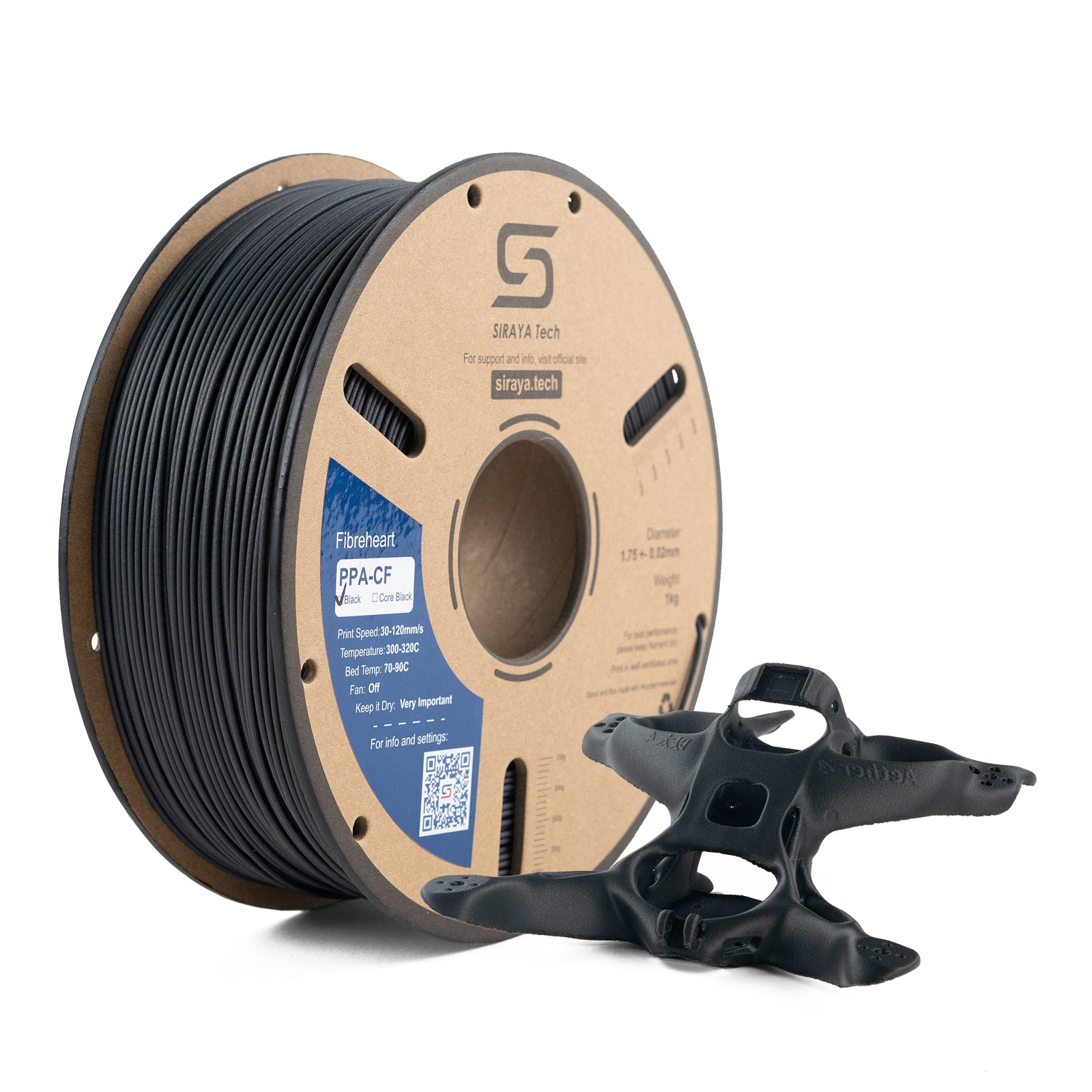
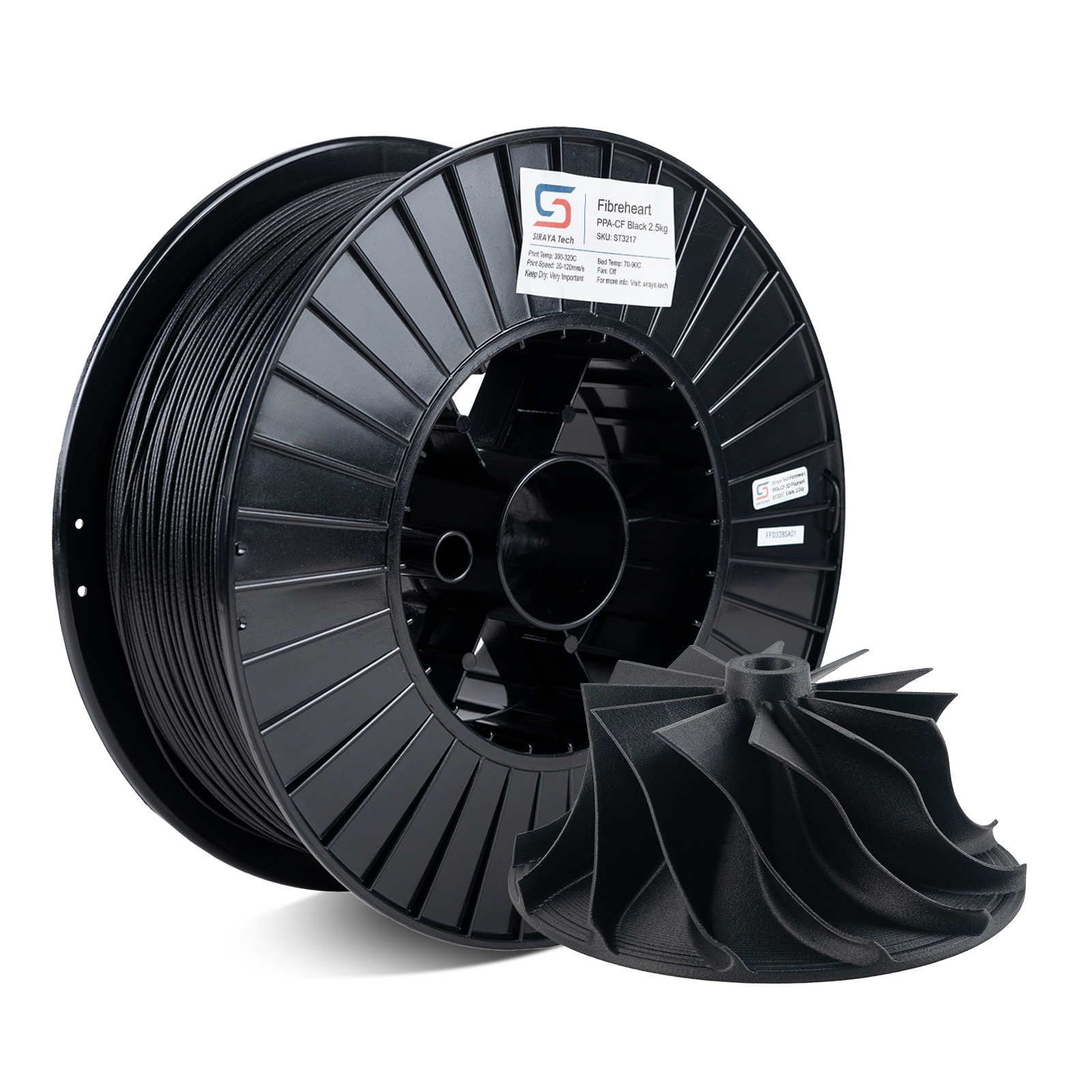
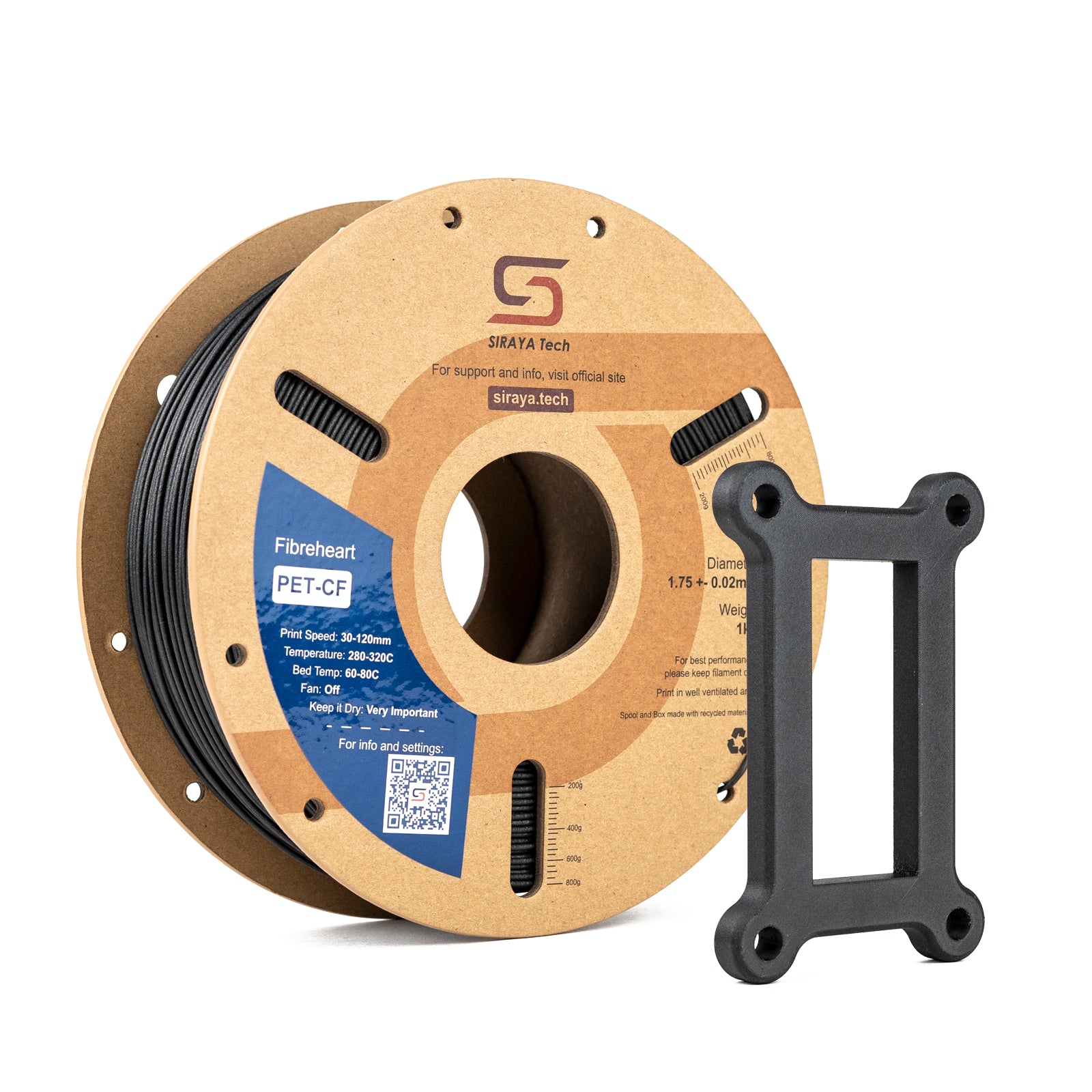
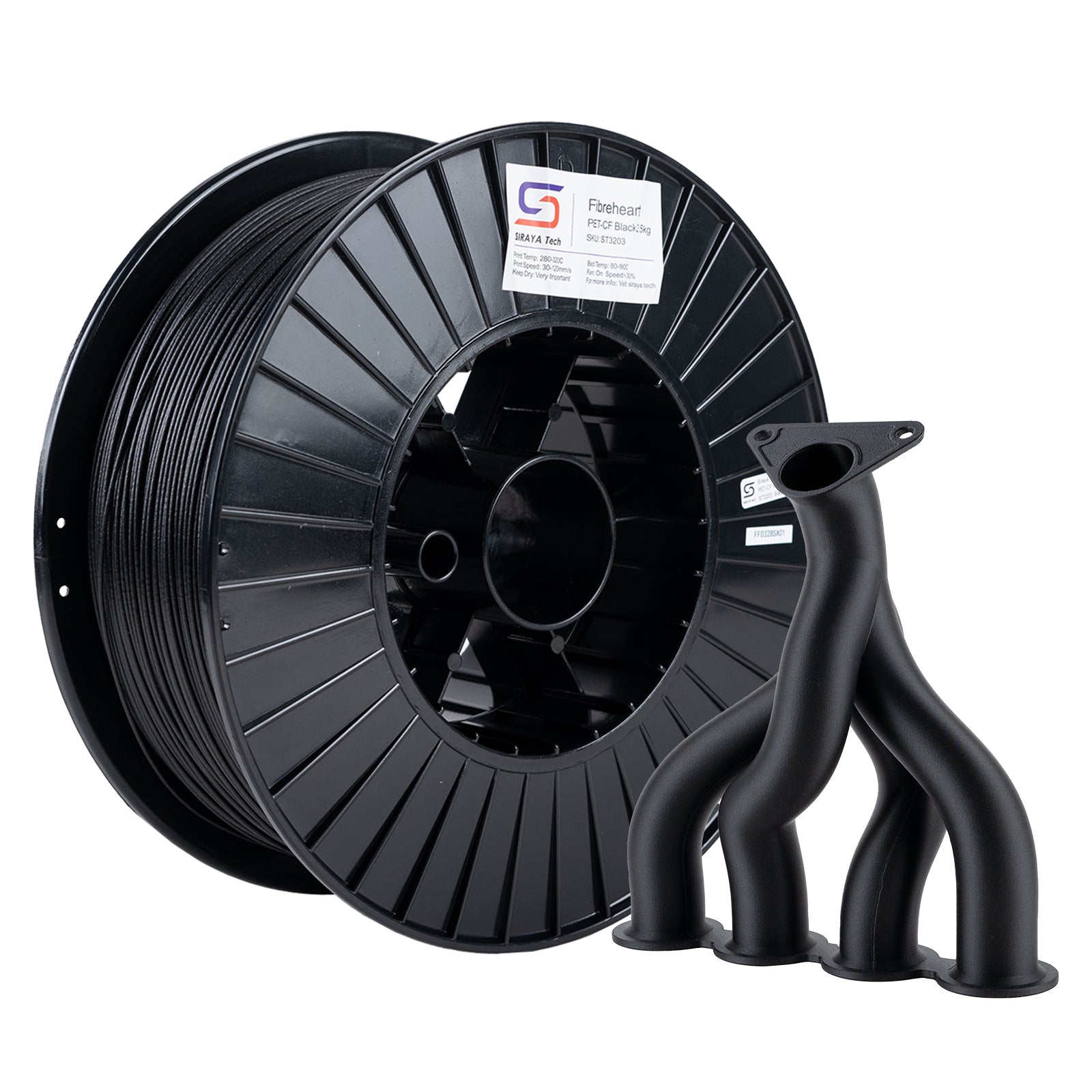
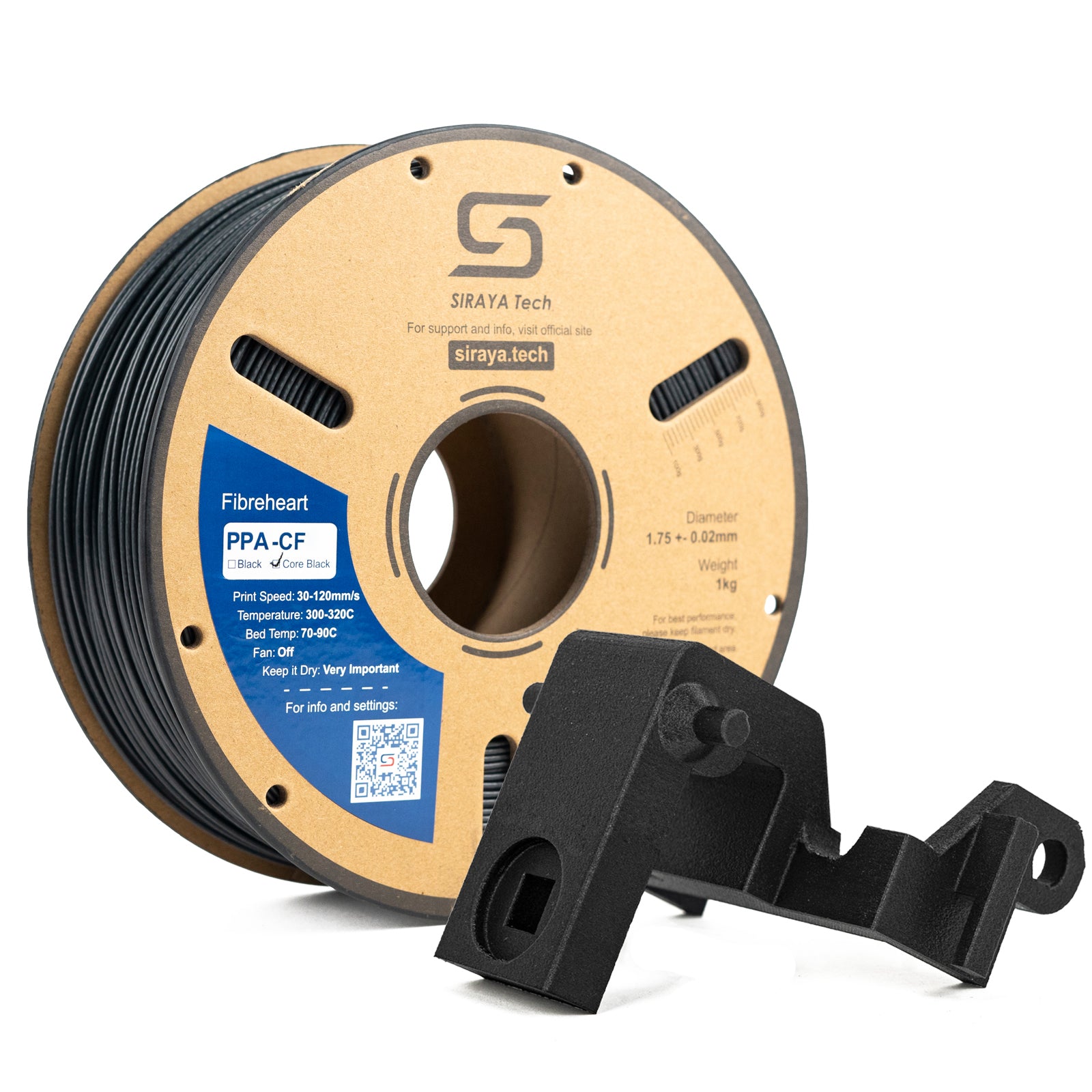
Siraya carbon fiber FDM filament gives you the strength and stiffness needed for functional parts that won't fail. Our collection includes CF reinforced FDM filament in multiple base materials like PPA, PET, PETG, and ABS. Each option is engineered for real-world stress, heat, and durability
Whether you're building automotive components, industrial fixtures, or drone frames, these stiff composite filaments deliver dimensional accuracy and professional results. You get engineering grade carbon fiber filament that prints reliably and performs under pressure.
Options Matched to Your Build Requirements
Different projects need different strengths. This collection covers multiple base materials so you can match your filament to your application.
- PPA-based options handle extreme temperatures and chemical exposure better than standard nylon
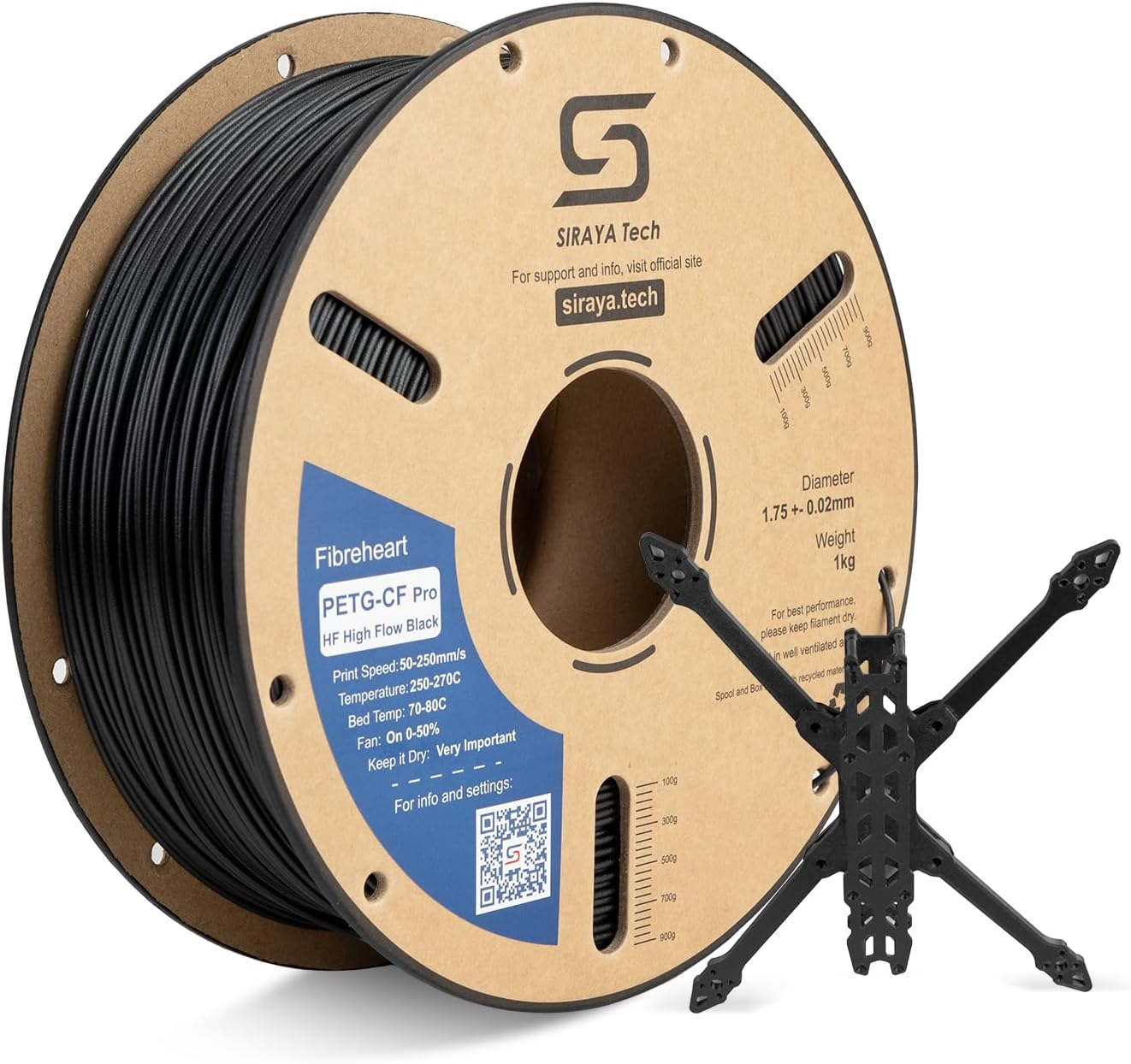
- PETG-CF variants balance ease of printing with improved stiffness and reduced warping
- PET-CF choices offer lightweight durability ideal for parts that need strength without added weight
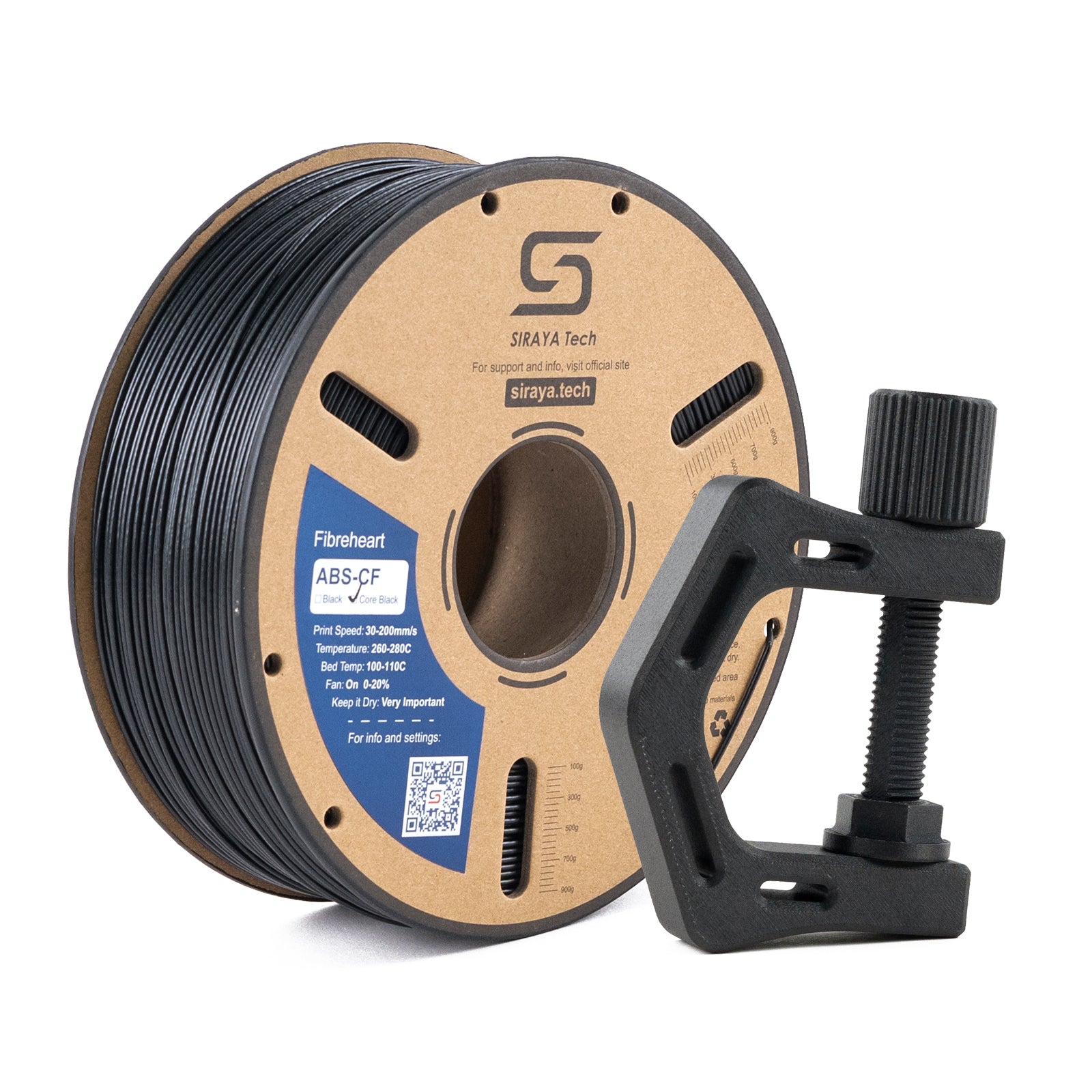
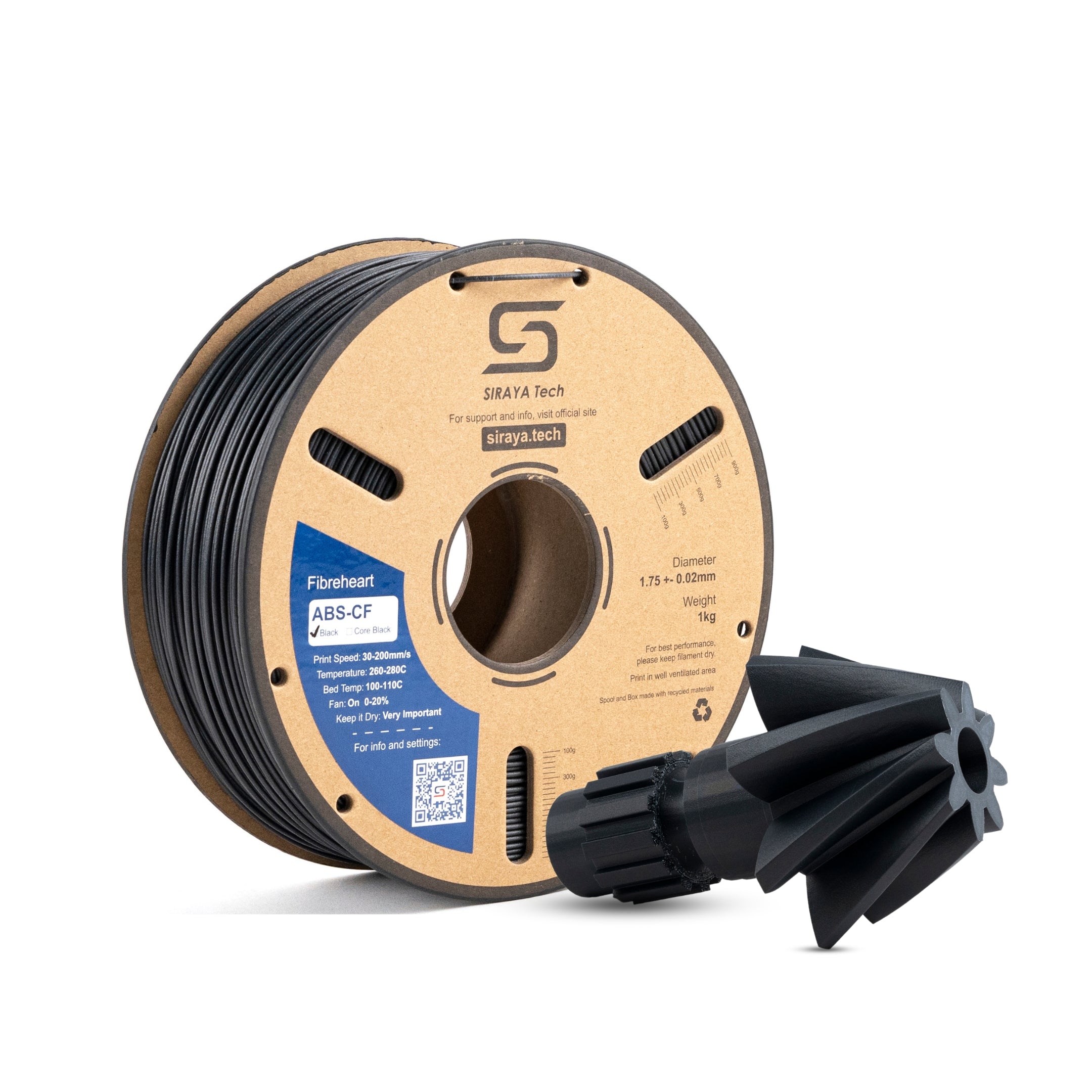
- ABS-CF formulas deliver classic toughness with added dimensional stability from carbon fiber reinforcement
- High-flow versions cut production time in half while maintaining structural integrity
Built for Functional Parts That Actually Work
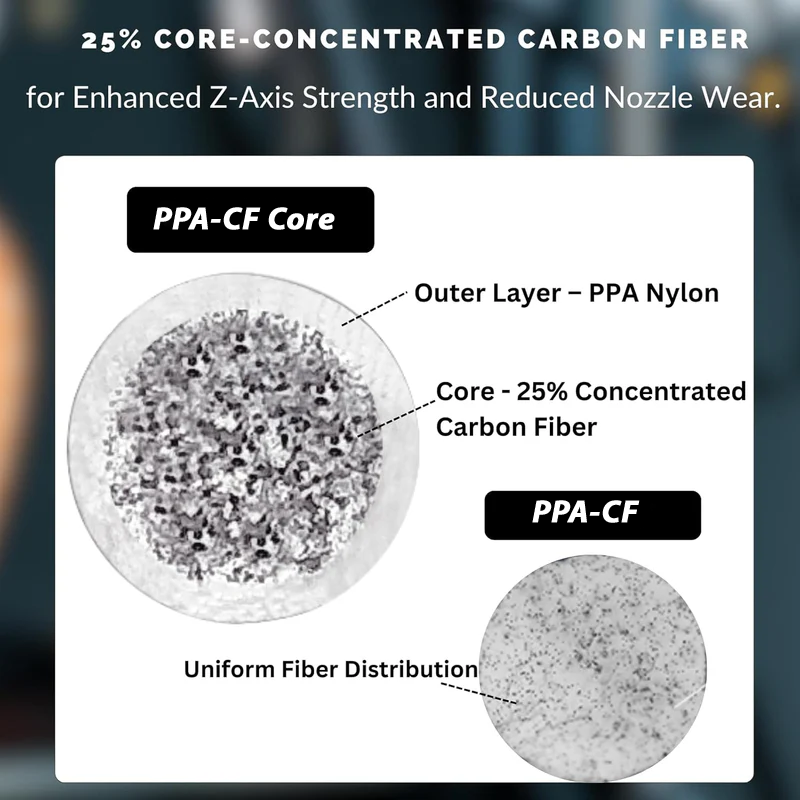
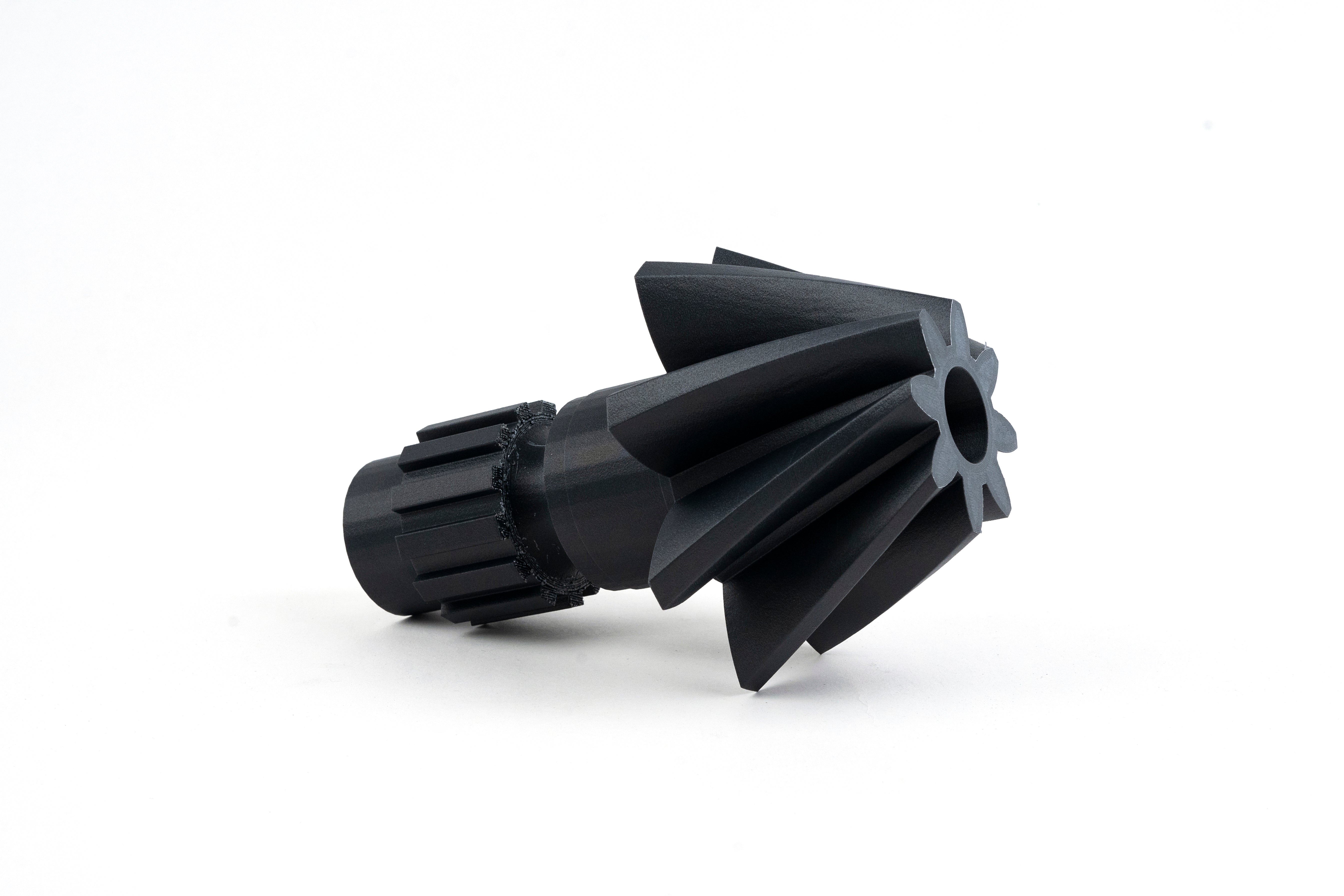
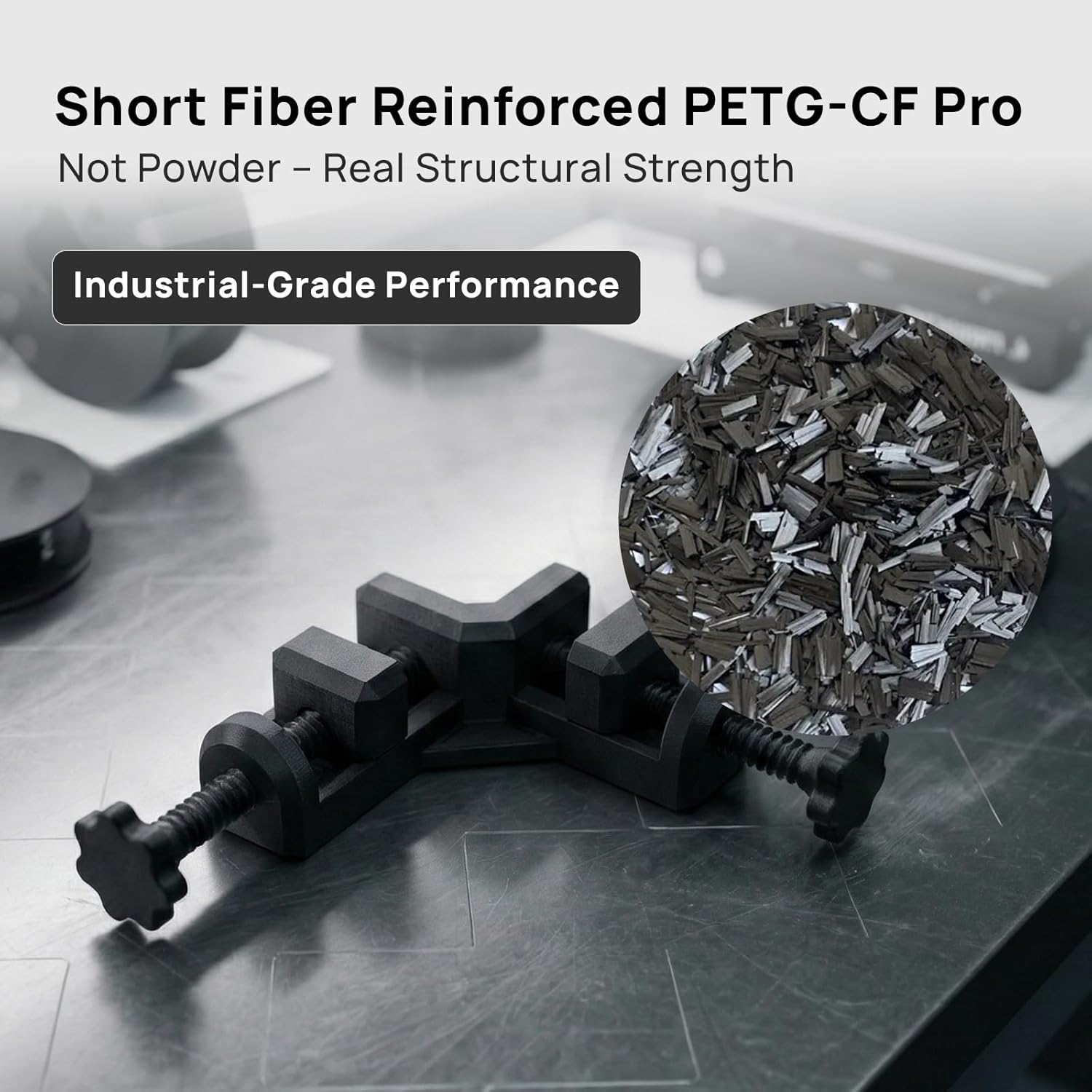
Carbon fiber nylon filament and other composite options create an internal mesh skeleton. This structure resists warping, maintains tight tolerances, and survives high-stress environments. Parts stay accurate through temperature swings and mechanical loads.
Reliable Performance on Every Layer
Abrasive 3D printer filament can destroy brass nozzles fast. These materials are formulated to work with hardened steel nozzles 0.4mm or larger, protecting your printer while delivering consistent extrusion.
- Lower hygroscopicity means better dimensional stability compared to standard nylon
- Even carbon fiber dispersion prevents clogs and weak spots
- High heat deflection temperatures keep parts rigid in hot environments
- Minimal shrinkage maintains precision across large prints
- Strong layer adhesion reduces delamination on functional components
Professional Finish Straight From the Bed
Matte black surfaces hide layer lines naturally. You get factory-molded aesthetics without sanding or coating. This saves time and produces parts that look as strong as they are.
Compatible With Your Current Setup
These filaments work with FDM printers that have enclosed chambers and hardened nozzles. You don't need exotic equipment, just proper temperature control and the right nozzle material.
- Requires 0.4mm or larger hardened steel nozzles to prevent rapid wear
- Enclosed printers maintain consistent ambient heat and prevent warping
- Direct-drive extruders recommended for smooth feeding and reduced brittleness
- High-flow formulas achieve speeds up to 25 mm³/s on capable machines
- Standard bed adhesion methods work when chamber temperature stays stable
Made for Real Applications That Demand Strong Materials
Use these filaments when standard plastics won't survive. Automotive brackets, industrial jigs, drone frames, heat-exposed housings, and precision fixtures all benefit from carbon fiber reinforcement.
- Automotive parts that endure engine bay heat and vibration
- Industrial tooling like jigs and fixtures that face repeated use
- Drone components where weight and stiffness both matter
- Mechanical prototypes requiring accurate dimensions and structural testing
- Heat-resistant housings for electronics or machinery exposed to elevated temperatures
Explore Related Collections From Siraya Tech
- 3D Printer Filament — Browse the full range of materials for every FDM printing need.
- Heat Resistant Filament — Find options engineered to maintain strength at elevated temperatures.
- Strong Filament — Compare high-performance materials built for durability and mechanical stress.
- Nylon Filaments — Explore flexible and tough nylon-based options for demanding applications.
FAQs on Carbon Fiber FDM FIlaments
Is there carbon fiber filament for 3D printing?
Yes. Carbon fiber filament combines standard thermoplastics (PLA, PETG, ABS, Nylon) with carbon fiber reinforcement for increased strength, stiffness, and heat resistance in FDM printing.
Is PLA CF actually carbon fiber?
Yes. PLA CF contains real chopped carbon fibers mixed into PLA polymer. The fibers provide reinforcement but aren't pure carbon fiber—it's a composite material typically containing 10-20% carbon fiber by weight.
Is carbon fiber filament worth it?
Yes, for applications needing improved stiffness, dimensional stability, and heat resistance. Worth it for functional parts, prototypes, and engineering applications. Not necessary for decorative prints or non-structural items.
Is PLA or PETG better for carbon fiber?
PETG CF offers better impact resistance and layer adhesion. PLA CF provides easier printing and higher stiffness. Choose PETG CF for durable functional parts; PLA CF for rigid, precise components with less demanding mechanical requirements.