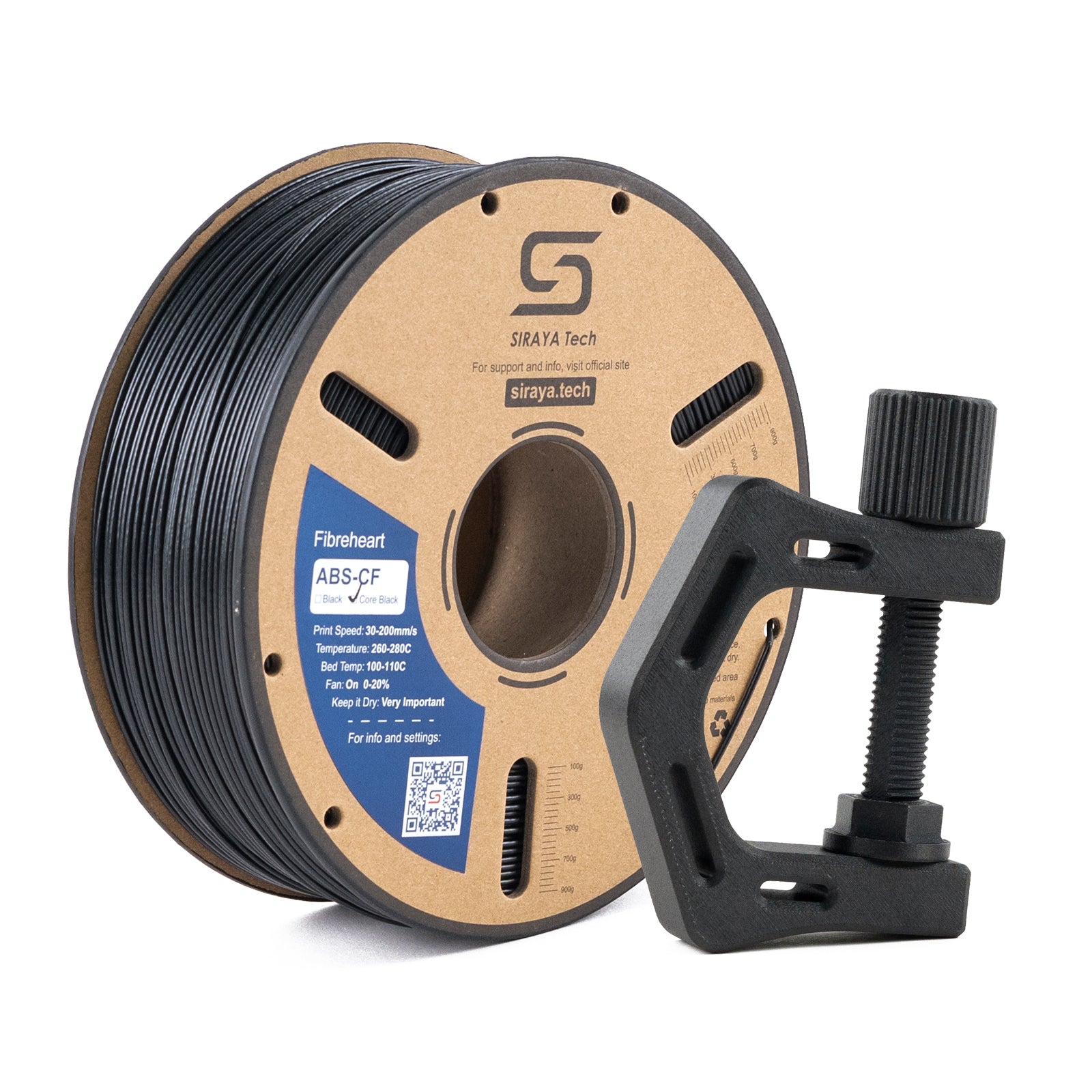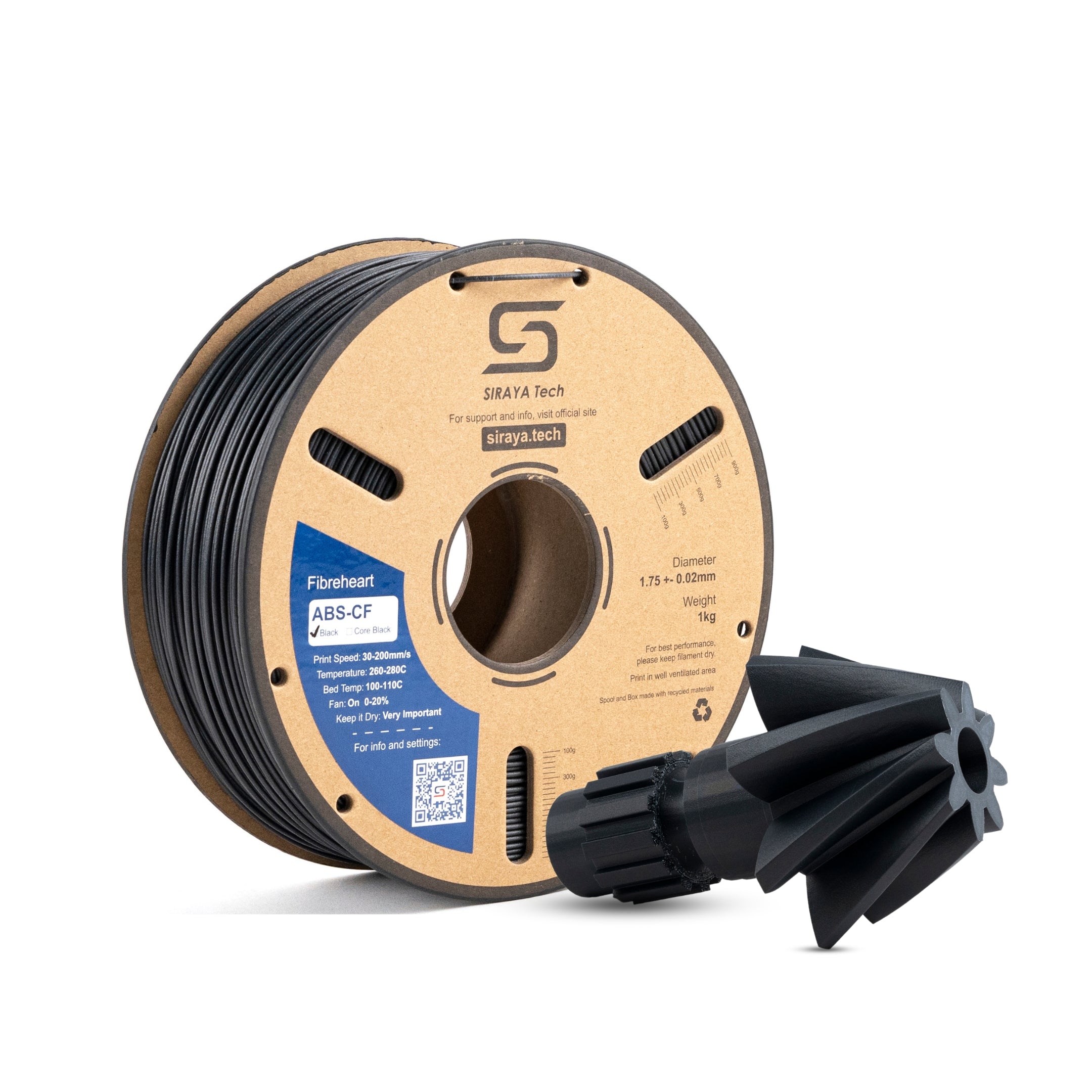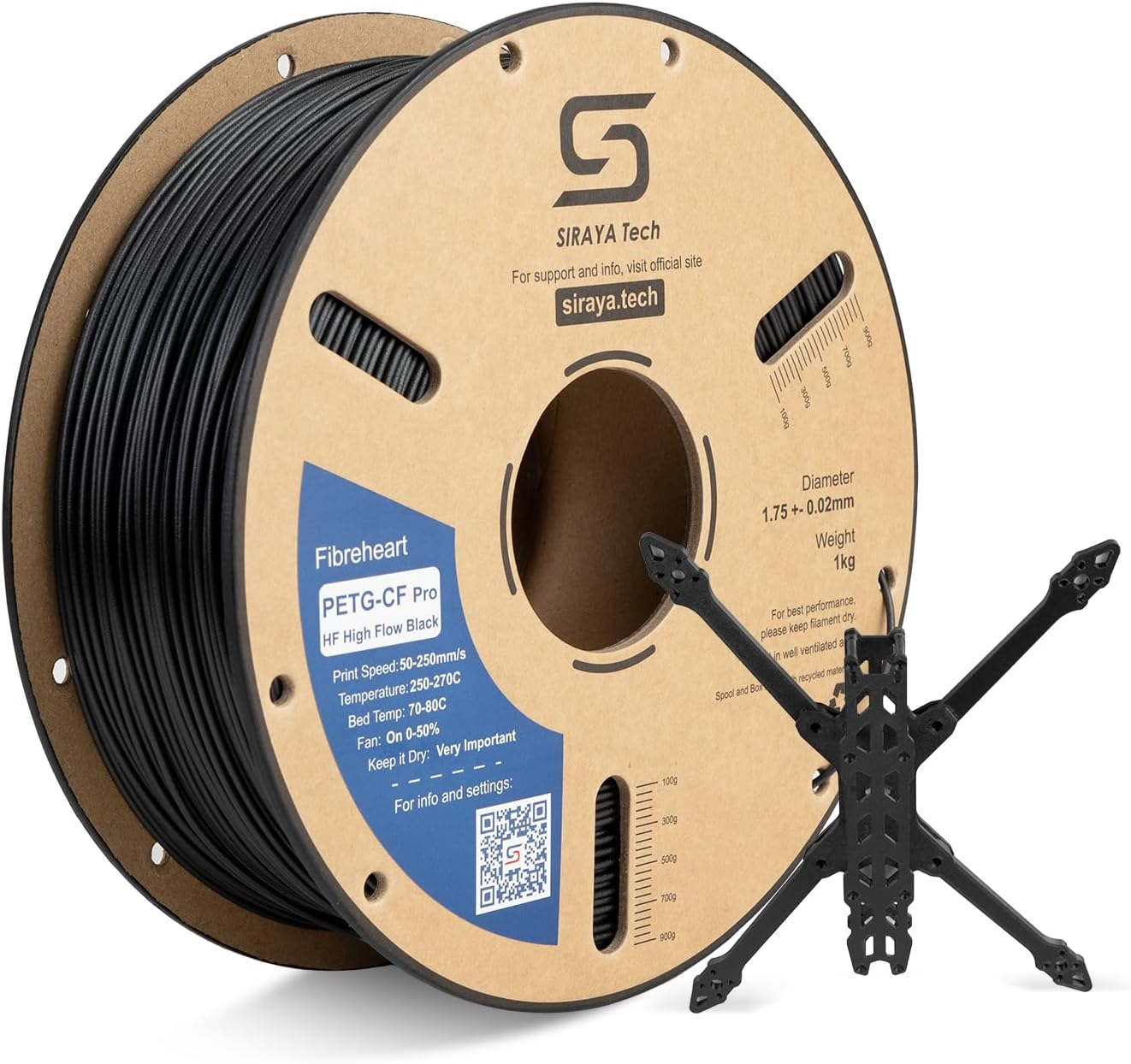
Carbon Fiber Filament for Drone Frame Parts
7 products
Showing 1 - 7 of 7 products
Building durable drone frames starts with the right carbon fiber filament for drone frame parts. Siraya offers a full range of lightweight drone frame filament options engineered for strength, impact resistance, and precision.
Whether you're printing racing quad arms, camera gimbals, or full UAV chassis components, our materials handle vibration, heat, and hard landings without cracking or warping.
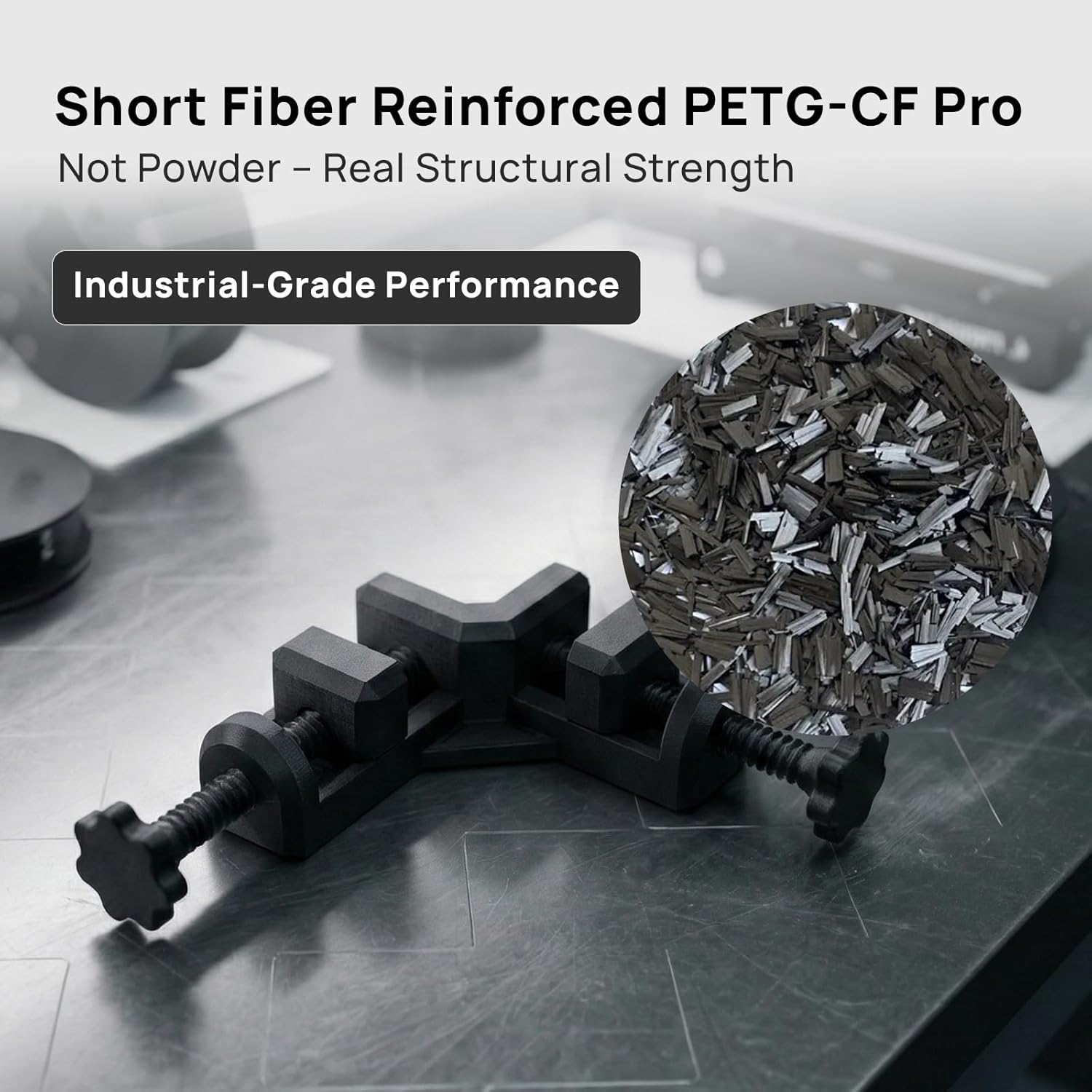
Every option in this collection uses real carbon fiber reinforcement, not just powder additives. That means better stiffness, cleaner layer adhesion, and parts that stay dimensionally accurate even in changing temperatures. Pilots, builders, and hobbyists rely on these filaments when failure isn't an option.
Materials Built for High-Stress Flight Conditions
Drone frames face constant vibration, sudden impacts, and temperature shifts. Standard filaments flex too much or snap under load. Impact resistant carbon fiber filament solves that.
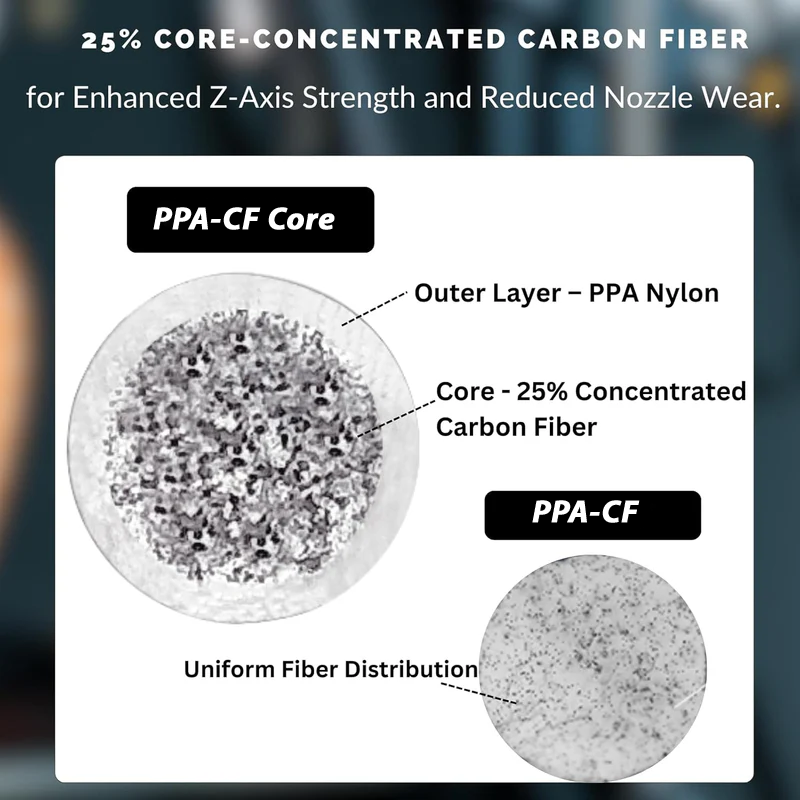
- Carbon fiber creates a mesh skeleton inside each layer for maximum strength-to-weight ratio
- High stiffness filament for UAV parts maintains shape under motor torque and prop wash
- Heat deflection temperatures reach 76Β°C or higher, so prints won't soften in direct sunlight or hot electronics bays
- Low moisture absorption keeps dimensional stability consistent, even in humid outdoor environments
Perfect for Racing and Long-Range Builds
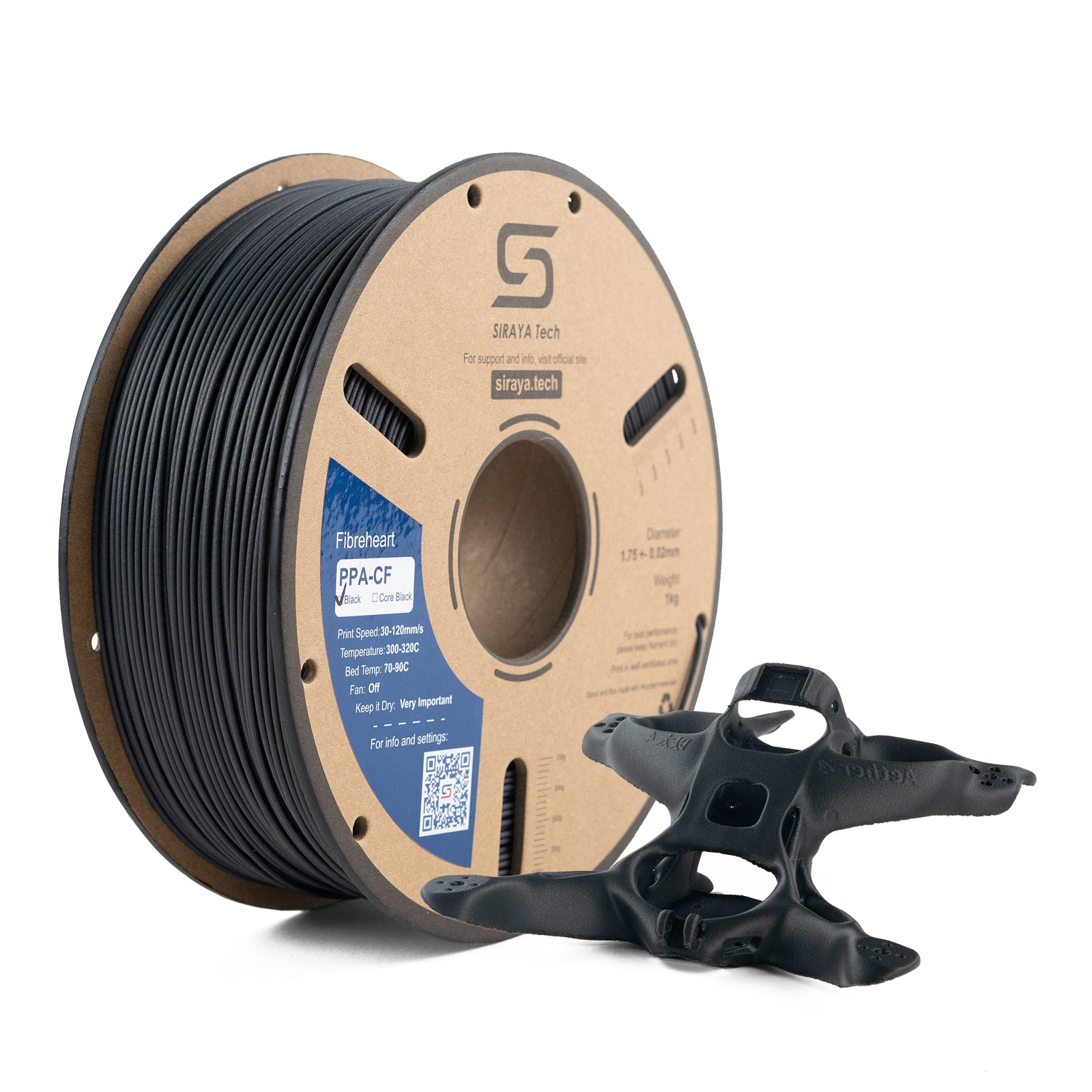
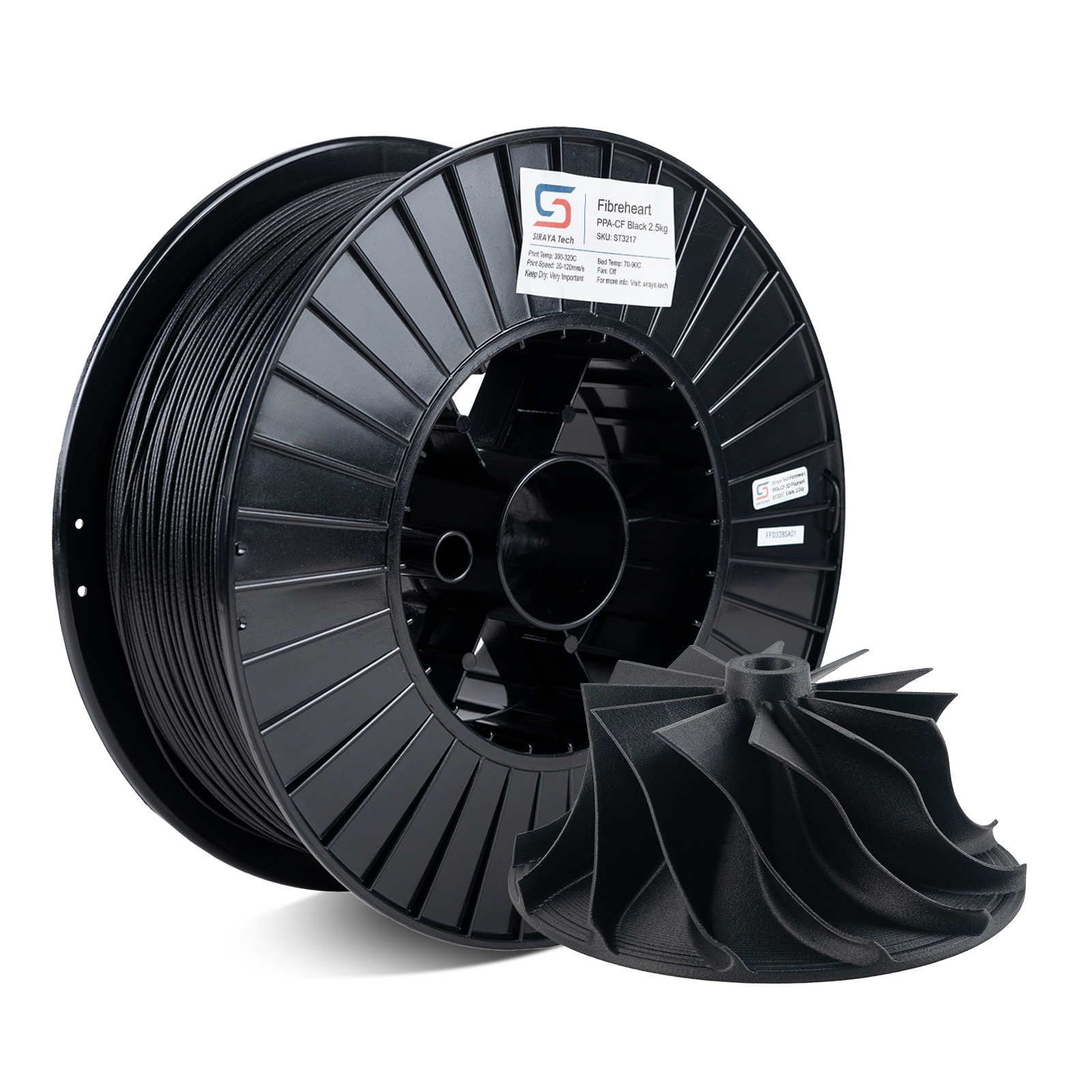
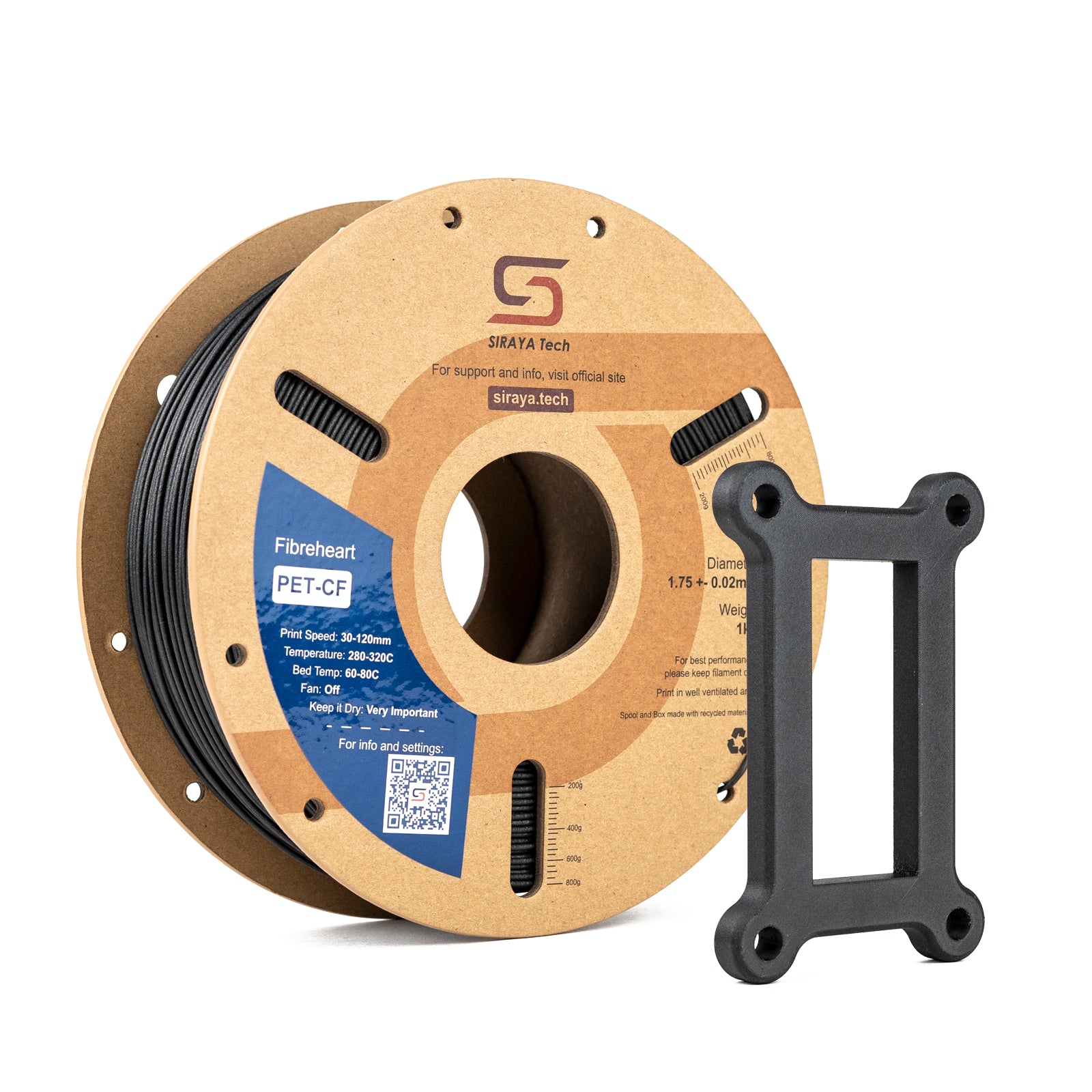
Carbon fiber nylon for drone arms offers the toughness needed for racing quads that take hard hits. PET and PETG-based options provide easier printing with excellent rigidity for long-range or camera drones. Nylon-based materials deliver extreme abrasion resistance for frames that scrape pavement or brush tree branches.
Reliable Performance in Real-World Applications
You need prints that work the first time. Vibration resistant 3D printing filament from this collection delivers consistent results across multiple build types.
- Reduced warping and shrinkage mean large frame plates print flat without corner lift
- Superior layer adhesion prevents delamination during crashes or hard landings
- Matte finishes hide layer lines and give a professional, factory-molded look
- High-flow formulas cut print time in half without sacrificing strength
Tested in Demanding Builds
These materials are used for drone arms, battery trays, motor mounts, camera gimbals, and full airframes. They're also trusted for jigs, fixtures, automotive brackets, and industrial prototypes where precision and durability matter.
Works With Your Existing Setup
You don't need specialized equipment to print strong drone parts. These filaments work with most FDM printers when paired with the right nozzle.
- Requires hardened steel nozzles 0.4mm or larger to handle carbon fiber without clogging
- Prints reliably on standard heated beds with proper adhesion settings
- Enclosures recommended for larger parts and nylon-based options to maintain stable ambient temperature
- Compatible with direct-drive and Bowden extruders, though direct-drive offers smoother feeding
Most builders already have the tools needed. Upgrading to a hardened nozzle is the only change required for most setups.
Designed for Builders Who Push Limits
Pilots and engineers choose these materials when off-the-shelf parts can't handle the job. Lightweight components improve flight time and agility. High impact resistance means fewer broken parts after crashes.
- Chopped carbon fibers provide true structural reinforcement, not cosmetic additives
- Materials maintain toughness in extreme temperatures, from freezing mornings to hot desert flights
- Dimensional precision ensures motor mounts, camera brackets, and flight controller plates fit perfectly every time
- Easy to sand, drill, and tap for hardware installation
These filaments bridge the gap between hobby-grade plastics and expensive composite manufacturing. Print functional parts that perform like factory components.
Explore Related Collections From Siraya Tech
- PETG CF Filament β Pre-filtered options for fast comparisons across PETG-based carbon fiber materials.
- Strong Filament β Explore all high-strength options including fiber-reinforced and engineering-grade polymers.
- Heat Resistant Filament β Find materials rated for high-temperature environments and electronics enclosures.
- Nylon Filaments β Compare nylon-based options for maximum toughness and abrasion resistance.
FAQs on Carbon Fiber Filament for Drone Frame Parts
Is carbon fiber filament worth it?
Yes, for functional parts needing increased stiffness, dimensional stability, and heat resistance. Ideal for engineering prototypes, tooling, and load-bearing components. Not necessary for decorative prints or basic projects.
Why is 3D printing suitable for the manufacture of drone parts?
It enables rapid prototyping, custom geometries, and lightweight structures. Carbon fiber filaments provide high strength-to-weight ratios essential for flight performance. Cost-effective for small batches and design iterations compared to traditional manufacturing.
What are the negatives of carbon fiber?
Carbon fiber requires hardened steel nozzles (abrasive to brass). Theyβre more expensive than standard filaments. They can also have rough surface finish, weaken in certain directions due to short fiber orientation, and require proper ventilation during printing.
Which carbon fiber filament is the strongest?
Nylon CF and ABS CF offer the highest strength. Nylon CF provides superior impact resistance and flexibility. ABS CF delivers better heat resistance and rigidity. Both outperform PLA CF and PETG CF for demanding mechanical applications.