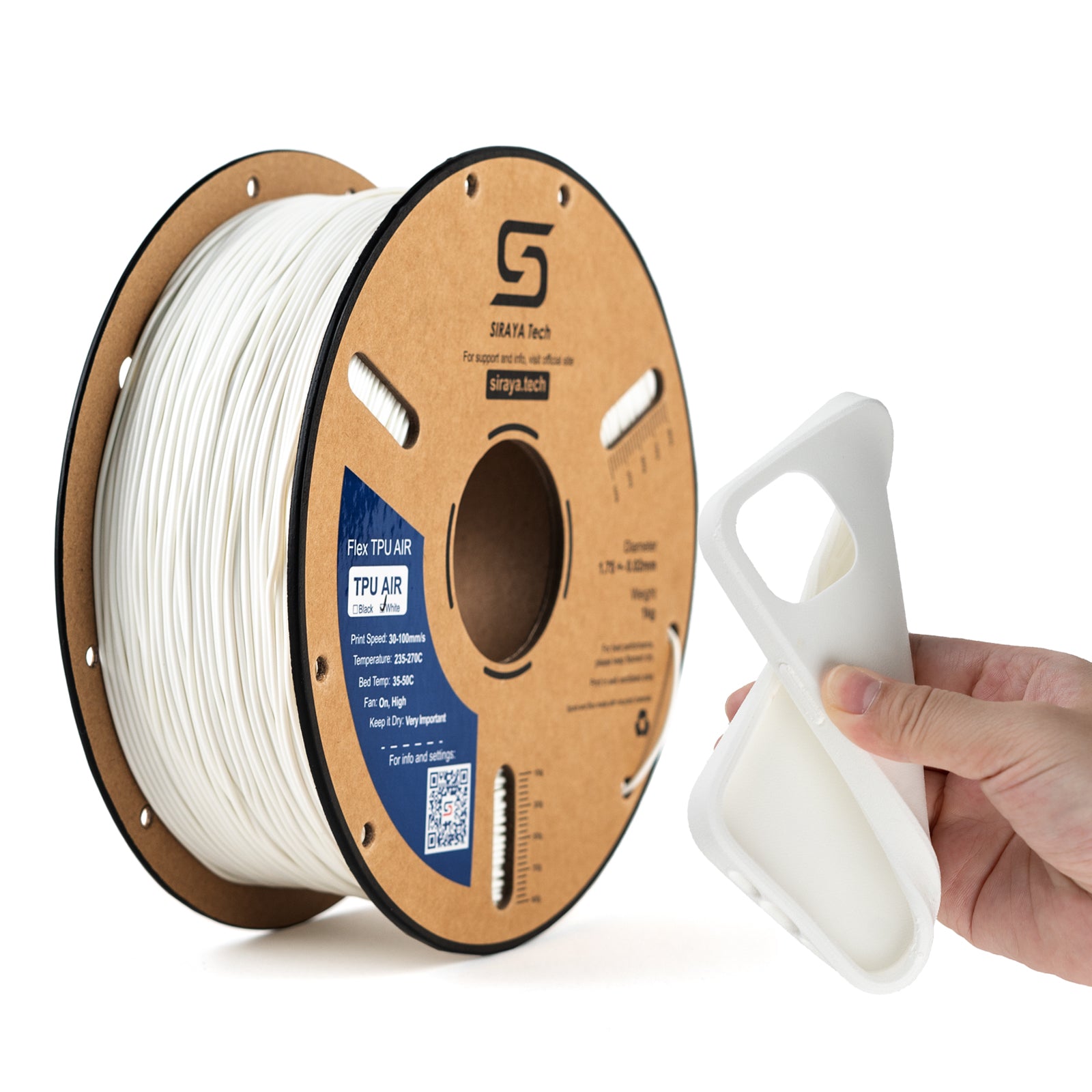
Rubber Like Filament
7 products
Showing 1 - 7 of 7 products
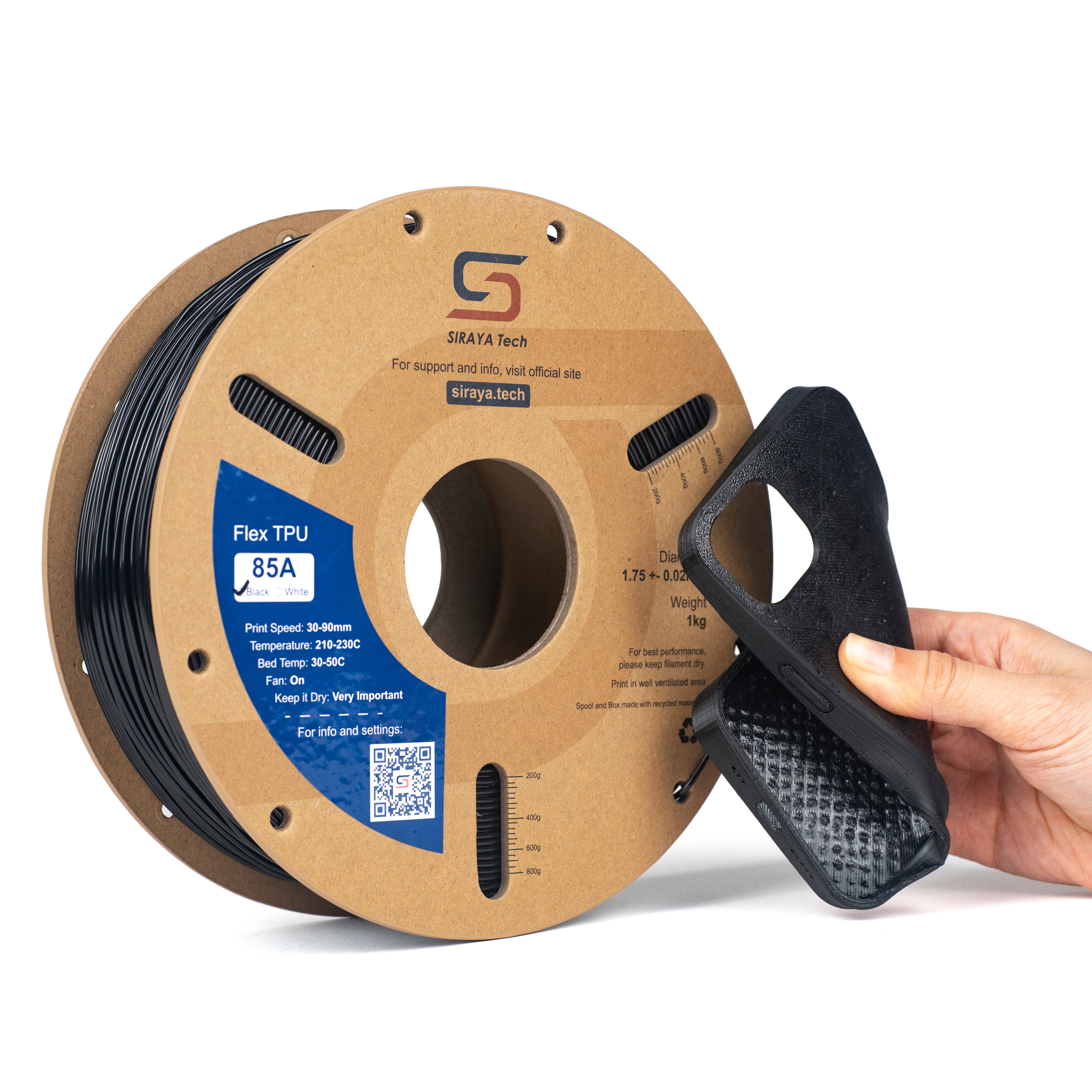
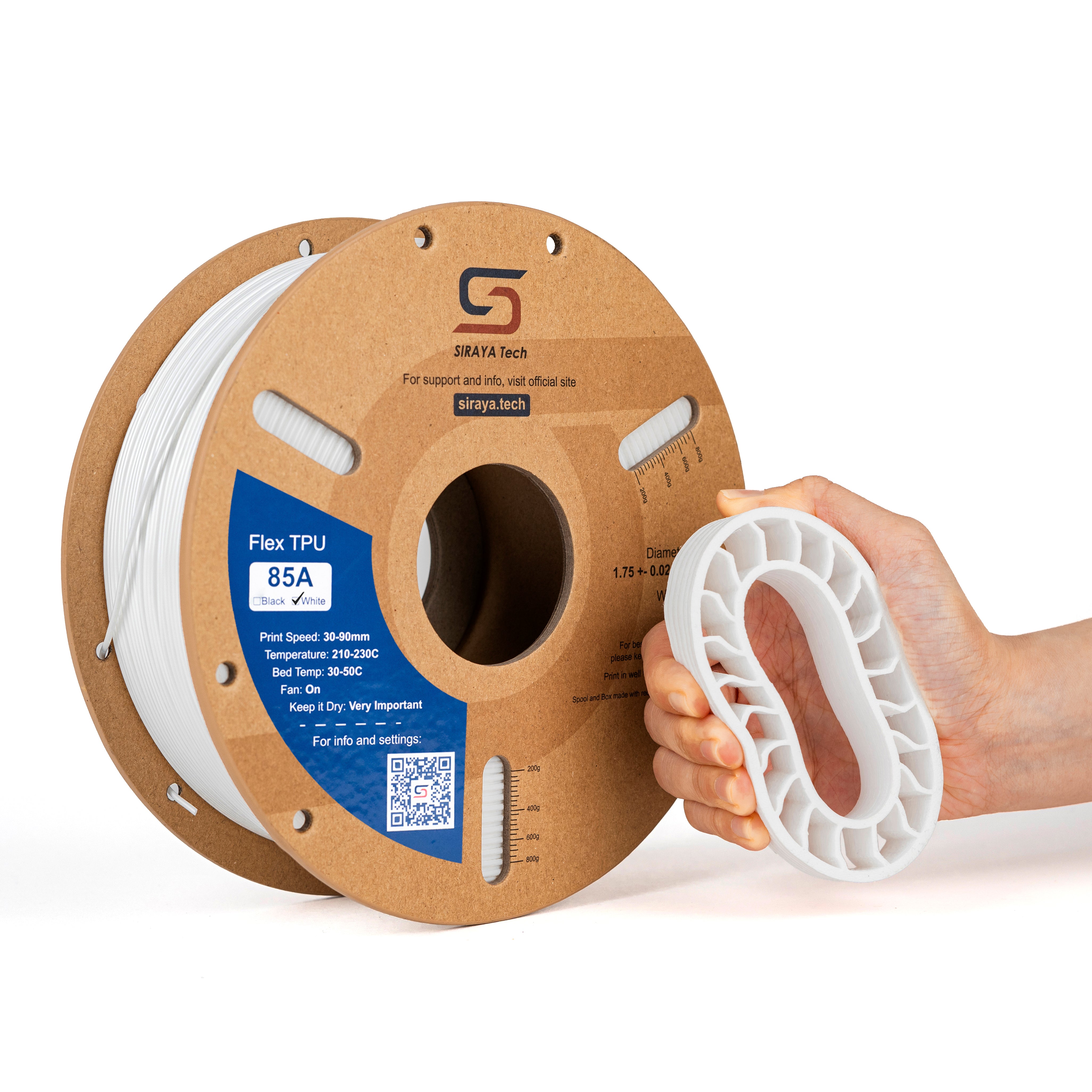
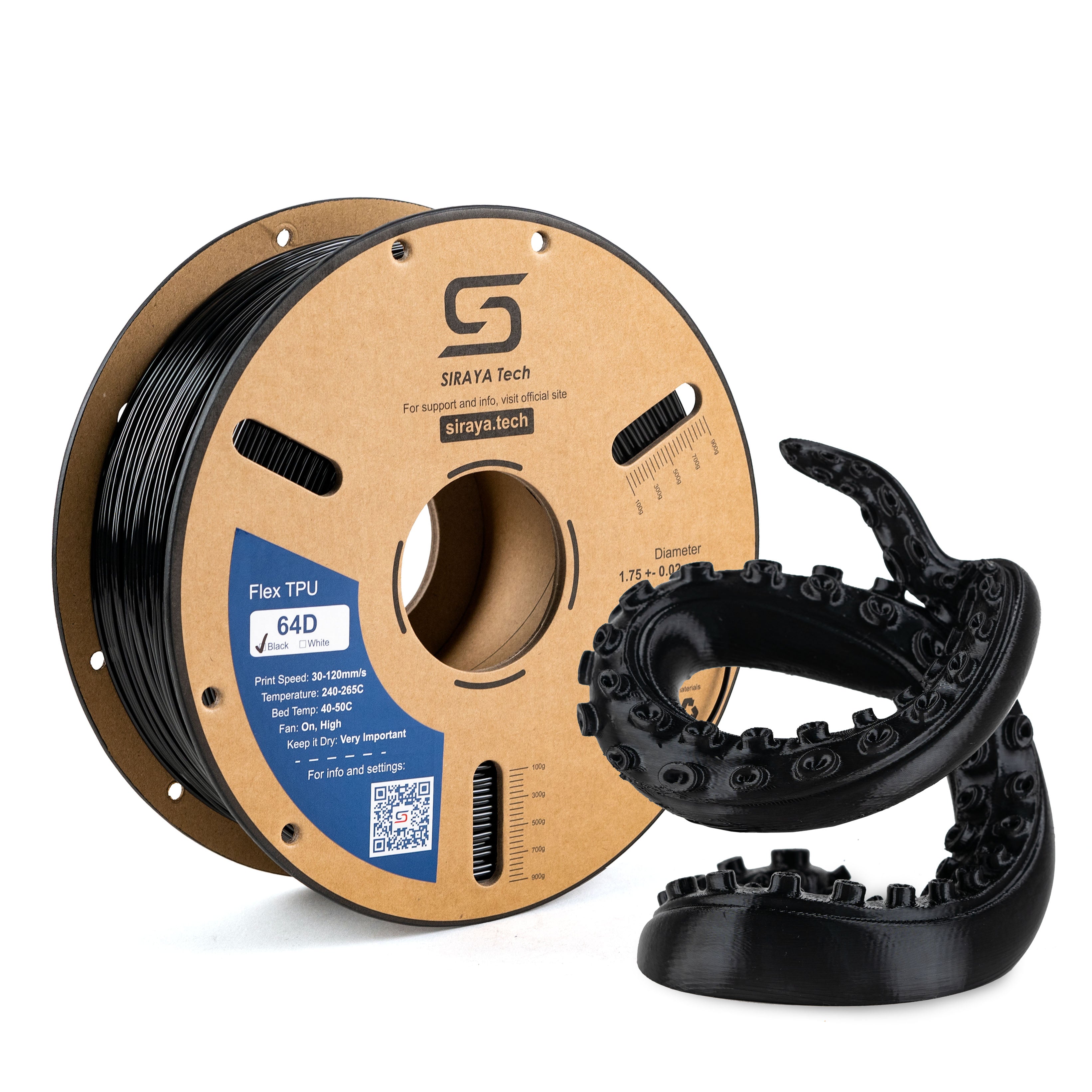
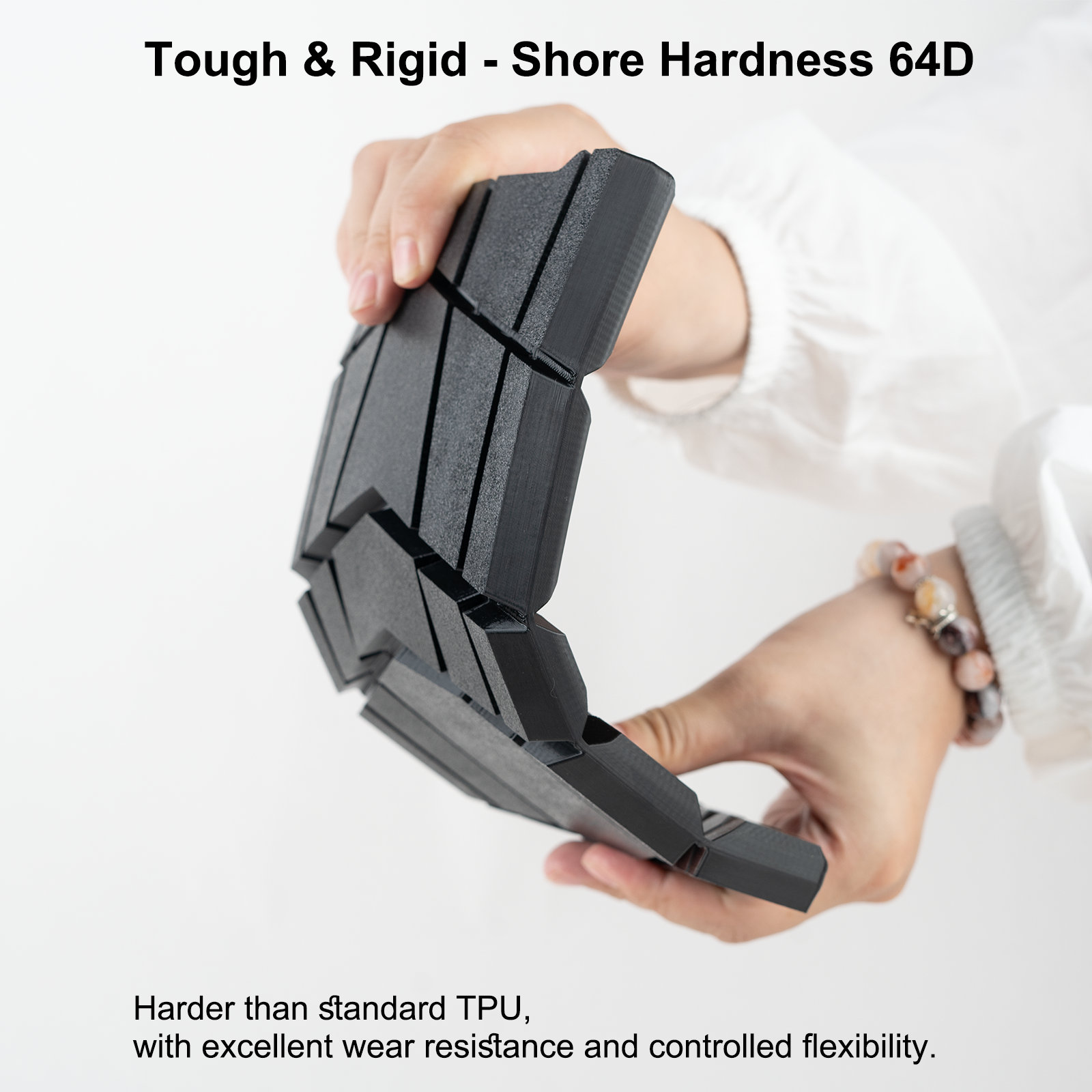
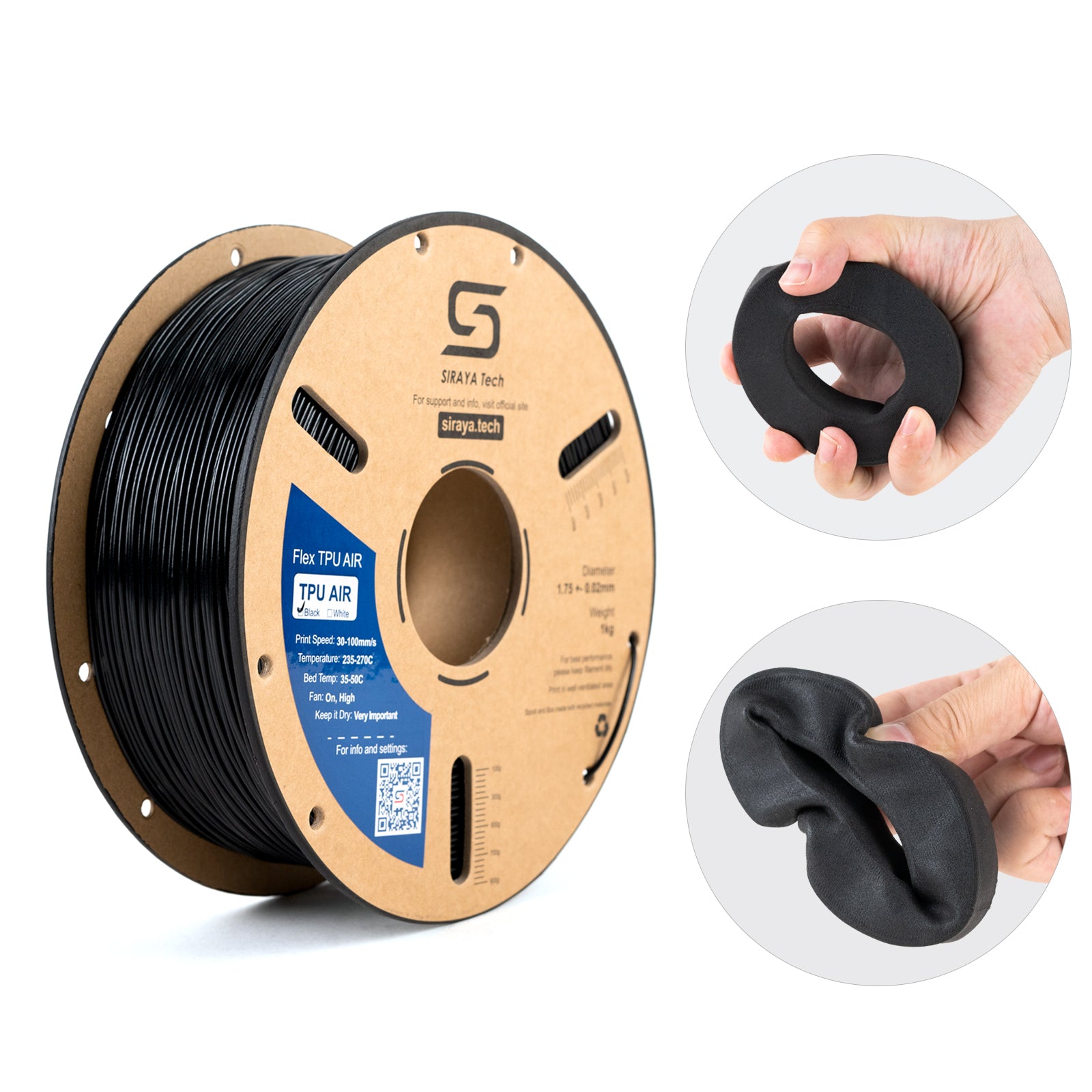
Siraya Tech's rubber like filament lineup gives you truly flexible 3D printing filament that bends, stretches, and bounces back. Our collection includes soft TPU filament, elastic filament, and foaming options ranging from 65A to 95A hardness.
Whether you're printing phone cases, wearable bands, or shock-absorbing parts, you'll find high flexibility filament that works with your printer and delivers the rubbery texture you need. Each option prints faster and more reliably than standard bendable filament.
Hardness Options That Match Your Project
Different projects need different flex levels, and this collection covers the full range.
- Soft options at 65Aβ82A create lightweight, cushioned parts perfect for insoles, grips, and foam-like prototypes
- Mid-range 85A stretchable 3D filament balances stretch and durability for watch bands, hoses, and vibration dampeners
- Firmer 95A elastic filament handles heavy loads while staying flexible, ideal for phone cases and protective covers
- Foaming formulas reduce weight by up to 50% without losing bounce or toughness
Picking the Right Shore Hardness
Shore A ratings tell you how soft or firm the printed part feels. Lower numbers (65Aβ70A) feel like foam rubber or soft silicone.Β
Mid-range (85A) feels like a car tire. Higher numbers (95A) feel like a hard rubber eraser. Choose based on whether you need cushioning or durability.
Prints Fast Without the Usual Headaches
Traditional flexible materials crawl through the nozzle and jam easily, but this collection fixes that.
- High-flow formulas let you print faster than typical TPU without clogs
- Smooth extrusion works on most FDM printers, including Bowden setups with proper tuning
- Strong bed adhesion means fewer failed prints and wasted spools
- Active foaming filaments maintain consistent feeding from start to finish
Built for Real-World Use
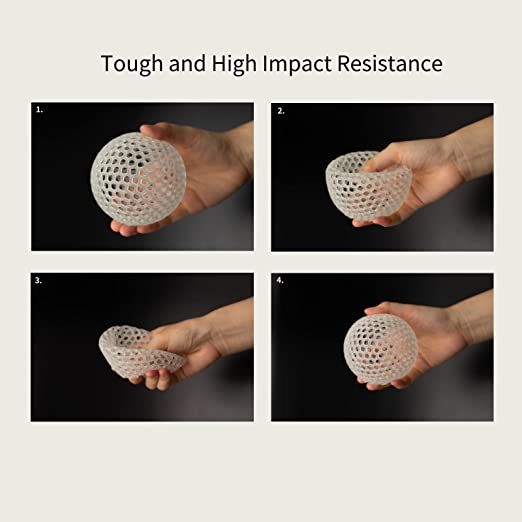
These materials handle repeated bending, dropping, and stretching without cracking or tearing.
- Shock-absorbing material properties protect delicate items in cases and packaging
- Recovers shape after compression, perfect for springs and gaskets
- Soft touch filament feels comfortable against skin for wearables and medical supports
- Sealed in moisture-resistant bags with extended shelf life so your material stays printable
Safe for Contact Applications
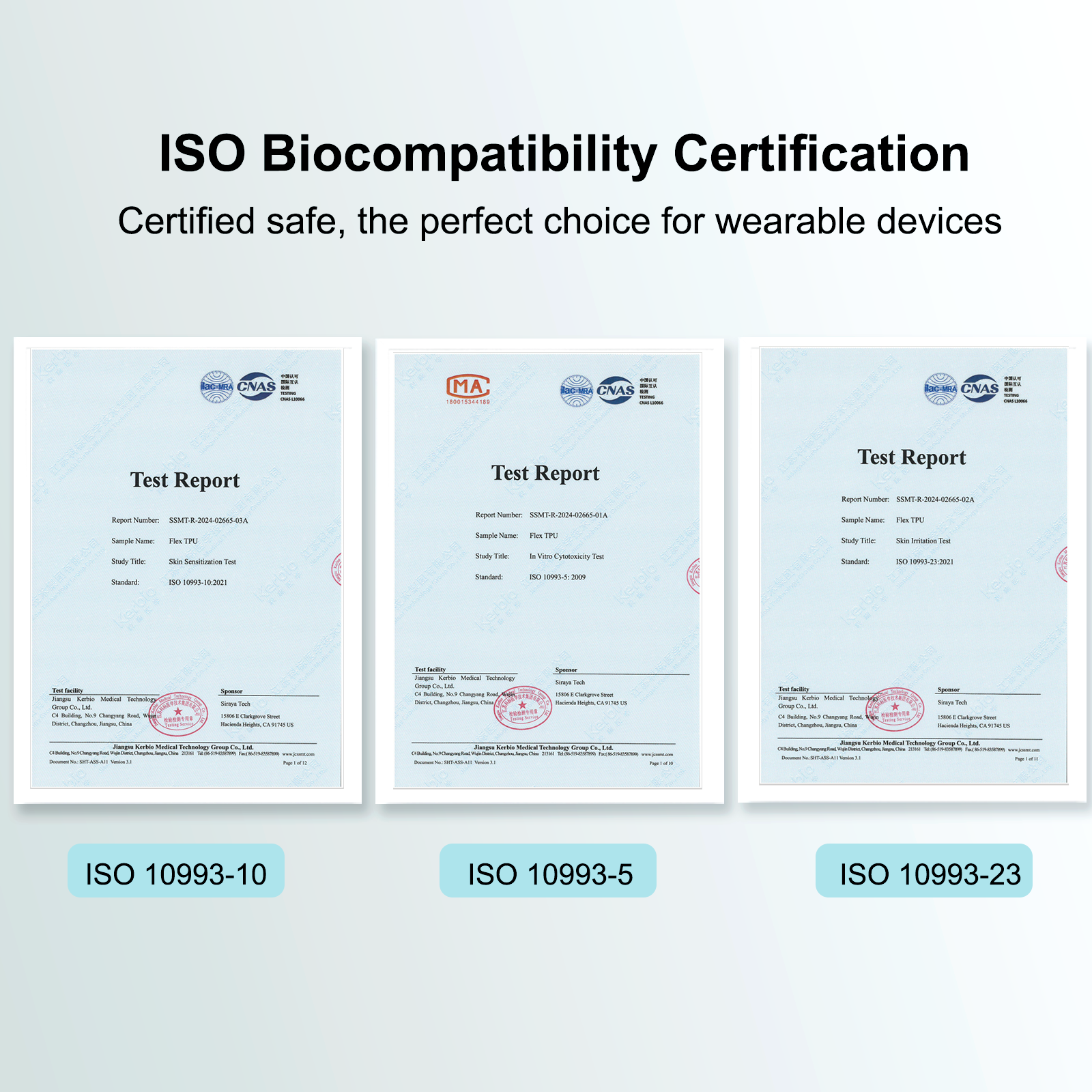
Select options have been tested under ISO 10993 protocols for biocompatibility data, giving you confidence when printing wearables, grips, and supports that touch skin.
Explore Related Collections From Siraya Tech
- Flexible Filaments β Browse our full range of bendable and elastic printing materials.
- TPE Filament β Explore thermoplastic elastomer options for specialized flexibility projects.
- Strong Filament β Check out rigid materials when your project needs toughness without flex.
- 3D Printer Filament β See every filament type we offer for any printing need.
FAQs on Rubber Like Filaments
What is rubber like filament used for?
Rubber like filament is used to print flexible parts that bend, stretch, or absorb impact. Common projects include phone cases, watch bands, insoles, gaskets, and protective covers. It works well when you need a soft touch or shock resistance that rigid plastics can't provide.
Which hardness should I choose for my project?
Lower Shore A numbers (65Aβ70A) feel soft and cushioned, great for grips and insoles. Mid-range (85A) balances flex and toughness for bands and hoses. Higher numbers (95A) stay flexible but handle more weight and wear, ideal for cases and heavy-duty parts. Match the hardness to how much softness or durability you need.
Can I print rubber like filament on a Bowden extruder?
Yes, though direct drive extruders work best for very soft materials. Many rubber like filaments in the 85Aβ95A range print reliably on Bowden setups when you slow down retraction and reduce speed slightly. Check your printer's capabilities and start with firmer options if you're new to flexible printing.
Does flexible filament absorb moisture?
Yes, TPU and similar materials can absorb moisture from the air, which causes bubbling and poor layer adhesion. Store your filament in sealed bags with desiccant packs. Most quality filaments come in moisture-resistant packaging and last years when stored properly.
How fast can I print with these materials?
High-flow rubber like filaments can print significantly faster than standard TPU, often reaching speeds of 60β100 mm/s depending on your printer and the specific hardness. Softer materials may require slower speeds, while firmer options handle higher speeds with good results. Always test a small print first.
Β