
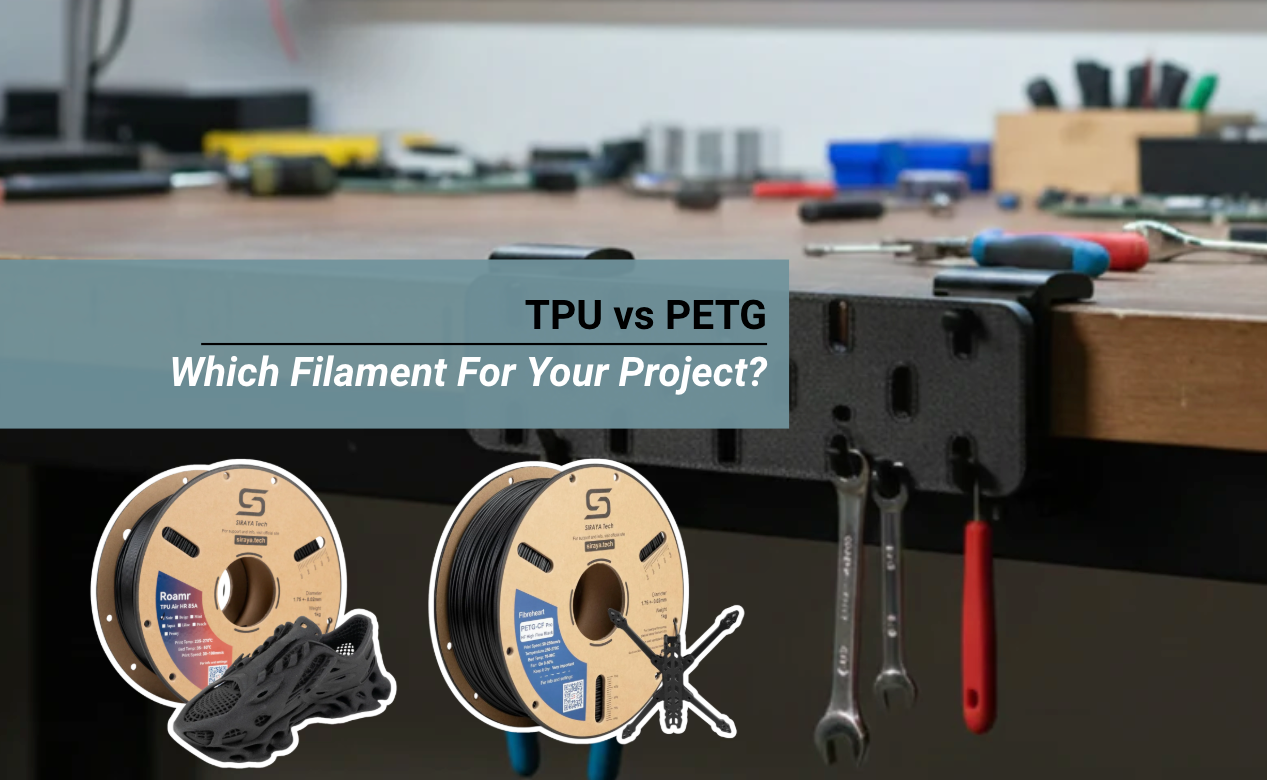
Choosing between TPU vs PETG is the most common dilemma for makers moving beyond PLA. Both are durable, both resist chemicals, and both are stronger than standard PLA. However, they serve completely different mechanical purposes.
In this guide, we break down the flexibility, printability, and durability of each material to help you choose the right spool for your specific project.
- Choose PETG If: You need a rigid part that holds its shape under load (e.g., brackets, planters, gears). It is easier to print on standard printers.
- Choose TPU If: You need a flexible part that absorbs shock or vibration (e.g., phone cases, drone bumpers, seals). It is harder to print but unbreakable.
What is PETG? (The Workhorse)
PETG stands for Polyethylene Terephthalate Glycol. That is a mouthful. But you actually hold this plastic every day. It is a modified version of PET, the plastic used to make soda and water bottles.
The "G" stands for "Glycol-modified." This modification makes the plastic clearer, less brittle, and easier to use for 3D printing.
- Characteristics: It is rigid, tough, and flexes slightly before snapping. It does not shatter like glass or acrylic.
- Best For: Structural parts, containers, and outdoor items.
👉 If you want to learn more about the different types, check out our comparison of PETG vs PETG Pro.
You May Want to Shop PETG Filaments
Explore More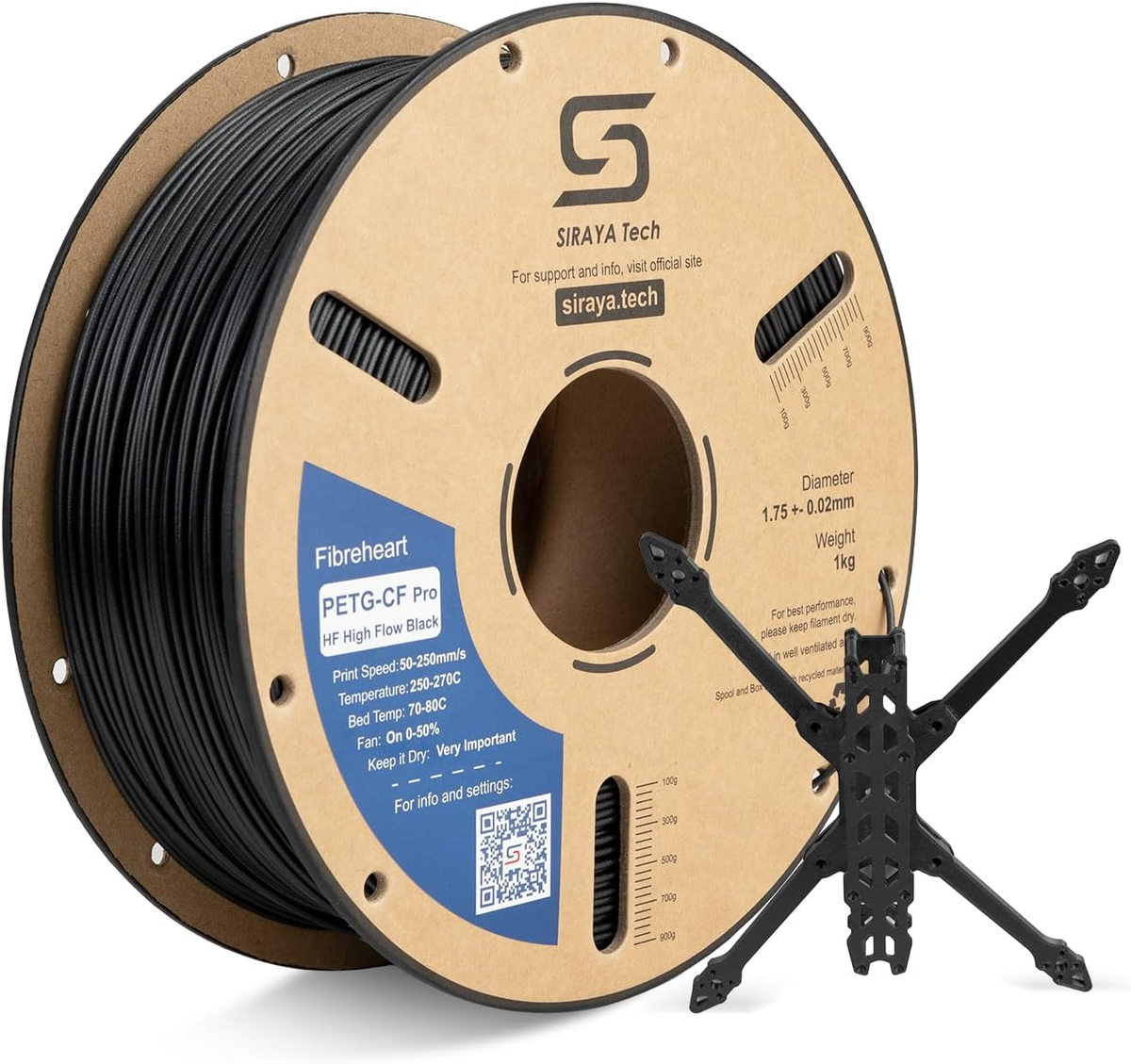

What is TPU? (The Flexible)
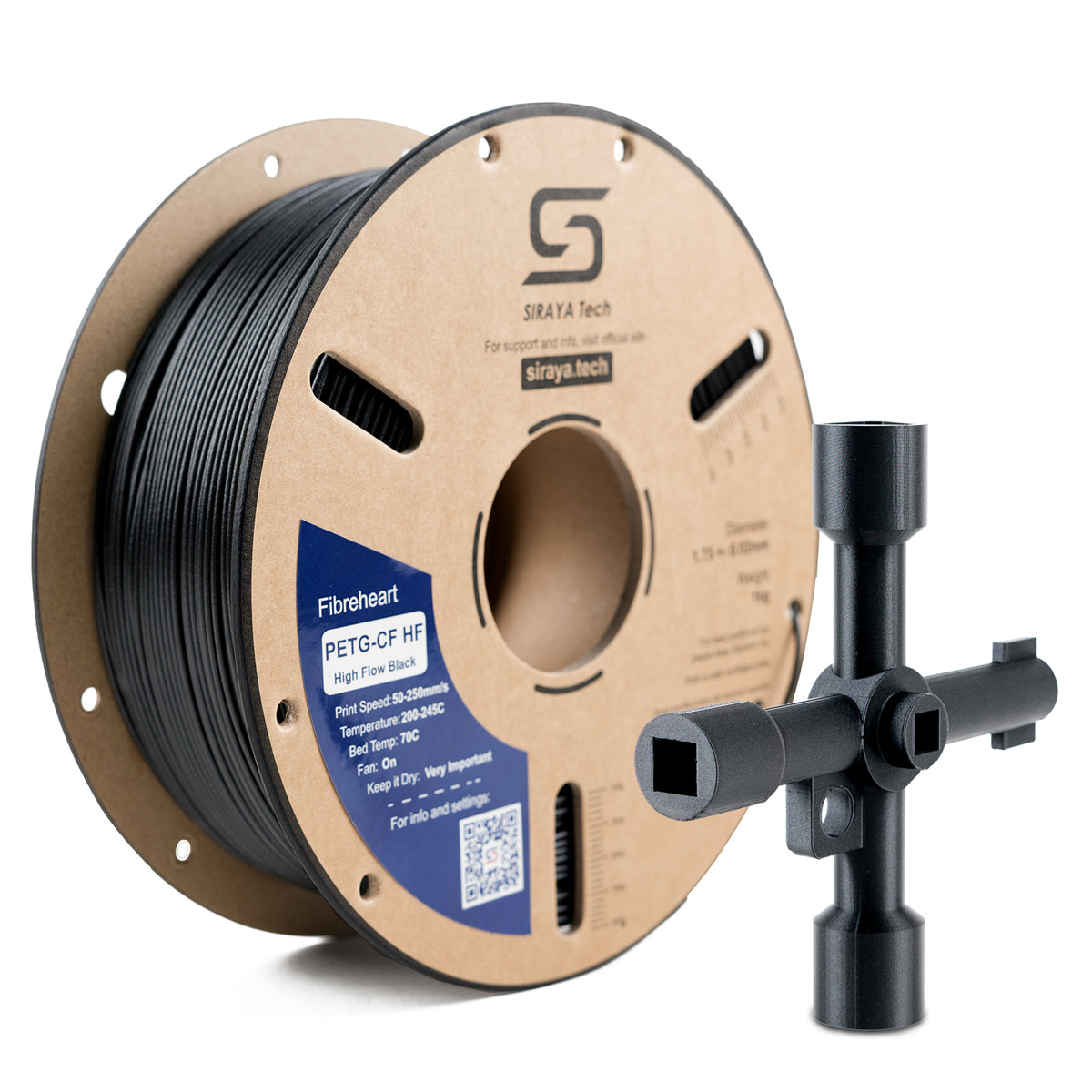
TPU stands for Thermoplastic Polyurethane. It is a type of TPE, or Thermoplastic Elastomer. In simple terms, it is rubber that can be melted and printed.
- Characteristics: It stretches, bends, and squishes. It does not break when you hit it. It absorbs the energy instead.
- Best For: Impact protection and wearables.
👉 If you are curious about what you can make, see our list of ideas to print with TPU.
You May Want to Shop TPU Filaments
Explore More
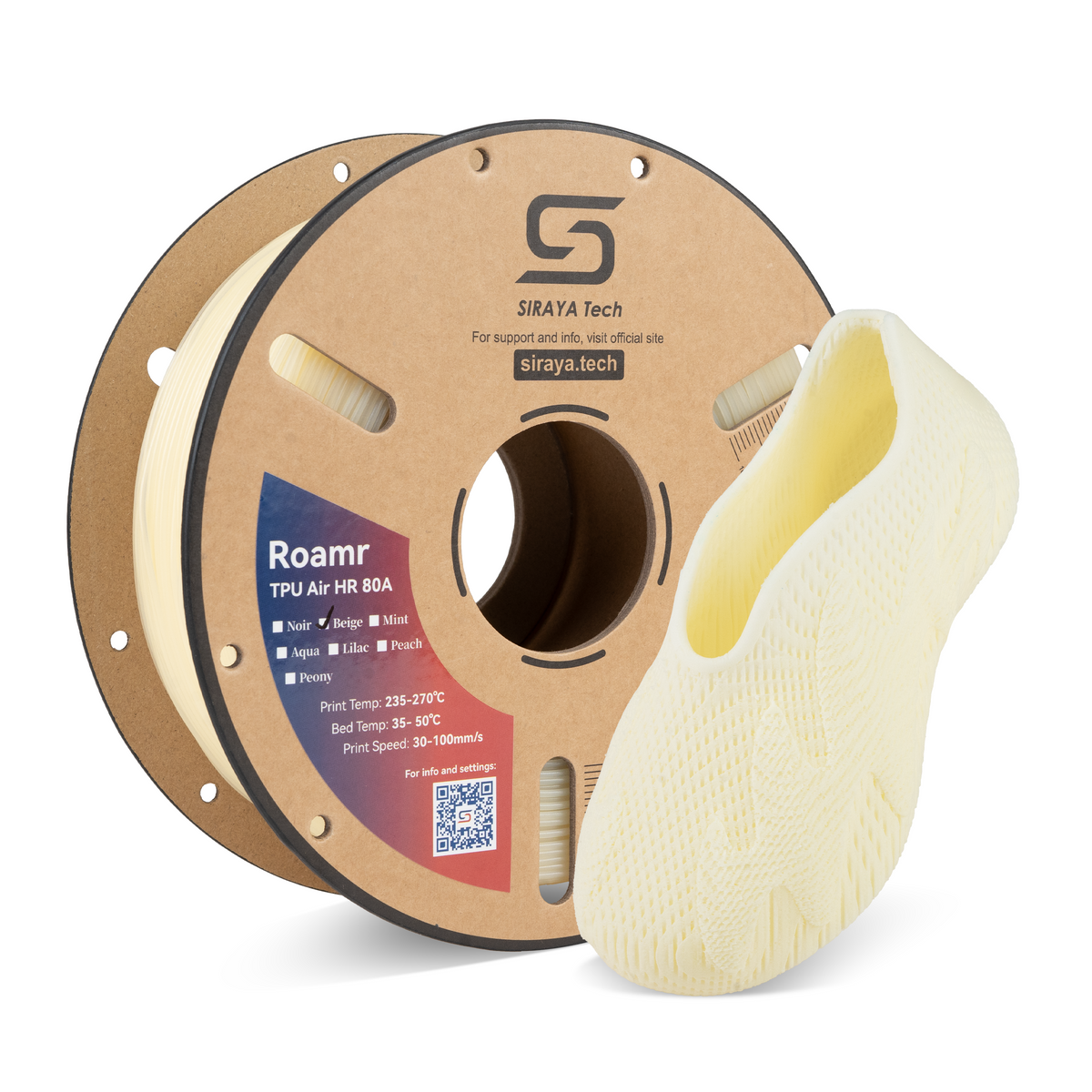
Comparison Matrix: TPU vs PETG
See how they stack up in key performance categories.
| Feature | PETG (Rigid) | TPU (Flexible) |
|---|---|---|
| Flexibility | Low (Stiff) | High (Elastic) |
| Impact Resistance | Good (Can crack) | Excellent (Bounces) |
| Ease of Printing | Medium | Hard (Slow speeds) |
| Heat Resistance | ~80°C | ~60°C - 80°C (Varies) |
| Chemical Resistance | Excellent | Excellent (Oils/Grease) |
| Printer Requirements | Any Heated Bed | Direct Drive Recommended |
TPU vs PETG: Flexibility and Stiffness
This is the biggest physical difference between the two materials. It determines functionality.
📌 PETG is rigid. If you print a thick PETG block, it feels like a rock. It is solid. If you print a thin wall, it can bend a little bit without breaking, but it wants to snap back to being straight instantly. It resists bending.
This makes it ideal for parts that need to maintain a specific shape under load, such as a shelf bracket or a gear.
📌 TPU is Elastic. TPU is defined by its "Shore Hardness." It acts like a rubber band or a car tire. You can squash, twist, and stretch it. It will return to its original shape.
👉 Read our guide to printing with Siraya Tech Flex 85A TPU filament to understand the softer side.
✨ Winner: It depends on your goal. For holding shape, PETG wins. For movement and cushioning, TPU wins.
TPU vs PETG: Ease of Printing
Which one is going to give you a headache? This is often the deciding factor for beginners.
PETG Printing Experience
PETG is relatively easy to print. It is often called the "bridge" between PLA and ABS. It prints on almost any machine that has a heated bed.
- Stringing: The biggest annoyance with PETG is stringing. It loves to ooze out of the nozzle like hot honey. You will often find fine wisps of plastic all over your print. You need to tune your retraction settings carefully to stop this.
- Bed Adhesion: PETG sticks too well. If you print it directly on a glass bed, it can fuse to the glass. When you try to remove the print, you might rip a chunk of glass out. You often need a release agent like glue stick or hairspray to create a barrier.
TPU Printing Experience
TPU is challenging. Because it is flexible, pushing it through the printer is like trying to push a wet noodle through a straw.
- Buckling: If there is any gap in your extruder gears, the TPU will bend sideways and coil up. This jams the printer.
- Speed: You must print slowly. We recommend speeds of 20mm/s to 30mm/s. This means a print that takes 4 hours in PETG might take 12 hours in TPU.
- Retraction: You usually have to turn retraction OFF. This means TPU prints often look messy and stringy compared to PETG.
- Resources: If you are struggling, check the Siraya Tech TPU Air user manual for specific settings.
✨ Winner: PETG. It is much faster and cleaner to print.
TPU & PETG Durability and Impact Resistance
Which one survives a fall from a two-story building?
📌 PETG Durability: PETG is strong. It has high tensile strength. This means it is hard to pull apart. It is great for static loads. However, it is scratch-sensitive.
It is also susceptible to sudden sharp impacts. If you hit a thin PETG part with a hammer, it might crack or shatter.
📌 TPU Durability: TPU is practically indestructible. Because it is soft, it absorbs energy. If you drop a TPU part from a roof, it bounces. It is incredibly resistant to abrasion. You can drag it across concrete, and it won't wear down easily. It cannot shatter because it is not brittle.
✨ Winner: TPU. For pure survival and impact resistance, nothing beats rubber.
TPU vs PETG: Heat and Outdoor Performance
Many people want to print parts for their cars or gardens. You need a material that won't melt in the sun.
📌 PETG Outdoors: PETG is naturally UV-resistant. It does not degrade quickly in sunlight. It also has a glass transition temperature (softening point) of around 80°C. This makes it excellent for car interiors or garden brackets because it won't warp on a hot summer day.
📌 TPU Outdoor:s TPU also has good chemical resistance and handles heat reasonably well. However, soft TPU can get "floppy" in high heat.
While it won't melt, it might lose its structural integrity if it gets too hot. It is great for outdoor seals and gaskets, but maybe not for structural mounts in the direct sun.
✨ Winner: Tie. Both are vastly superior to PLA for outdoor use. For more options, browse our 3D filament types guide.
TPU vs PETG: Hygroscopy (Moisture Absorption)
This is the hidden enemy of 3D printing. Both materials love water.
📌 The PETG Thirst: PETG is hygroscopic. It absorbs water from the air. If you leave it out for a week in a humid room, it will absorb moisture. When you print with wet PETG, the water boils in the nozzle. This causes popping sounds and ugly surface finish. However, you can often get away with leaving it out for a day or two without major issues.
📌 The TPU Thirst: TPU is extremely hygroscopic. It acts like a sponge. It absorbs water very fast. If TPU is wet, the print will be a disaster. It will foam and pop out of the nozzle. The layers will not bond. You absolutely must dry TPU before printing it.
✨ Winner: PETG is slightly more forgiving, but both should be kept in a dry box.
TPU vs PETG: Chemical Resistance
If your part is going to touch oil, grease, or cleaning solvents, you need to know if it will dissolve.
📌 PETG Resistance: PETG has excellent chemical resistance. It is resistant to acids, alkalis, and water. This is why it is used for food containers. It stands up well to oils and greases.
📌 TPU Resistance: TPU is famous for its resistance to oils, greases, and solvents. This is why it is used for industrial gaskets and seals in machinery. It resists swelling when exposed to oil better than many rigid plastics.
✨ Winner: Tie. Both are excellent for industrial environments.
Hardware Requirements: Can Your Printer Handle It?
Before you buy a spool, look at your machine.
For PETG: You can print PETG on almost any modern 3D printer.
- Extruder: Works on both Bowden and Direct Drive.
- Bed: Requires a heated bed (around 70°C to 80°C).
- Hotend: Requires temps around 230°C to 250°C. Most stock hotends can handle this.
For TPU: You need a specific setup to print TPU well.
- Extruder: Highly recommended to have a Direct Drive extruder. If you use a Bowden tube, the flexible filament can compress inside the tube, leading to jams.
- Hotend: Standard temps (210°C to 230°C).
- Speed: You must be able to print slowly.
Winner: PETG. It is more accessible for stock printers like the Ender 3 V2 or basic Prusa Minis.
Post-Processing: Sanding and Painting
What if you want to make your print look pretty?
📌 Processing PETG is difficult to sand. It is slippery and resistant to abrasion. Instead of turning into dust, it tends to just get scratchy and gummy. It is also hard to paint because paint does not stick well to the surface. Gluing it is also tricky. Super glue (CA glue) works okay, but epoxy is better.
📌 Processing TPU: TPU is nearly impossible to sand. Because it is rubber, the sandpaper just rubs against it without removing material. You cannot really paint it because the paint will crack when the part bends. You also cannot glue it easily because it flexes and breaks the glue bond.
✨ Winner: Neither is great. If you need to paint and sand, use PLA or ABS. Between the two, PETG is slightly easier to glue.
Cost Comparison
📌 PETG Cost: PETG is very affordable. It is usually priced similarly to PLA. You can get a good spool for $20 to $30. It is a budget-friendly engineering material.
📌 TPU Cost: TPU is generally more expensive. The manufacturing process is more complex. A spool typically costs between $30 and $45. High-performance TPU or ultra-soft variants can cost even more.
✨ Winner: PETG is cheaper.
Best Use Cases by Project
Winner: PETG
Use for gears, snap-fit enclosures, shelf brackets, and car dashboard mounts. Anything that needs to hold weight without bending.
Winner: TPU
Use for phone cases, drone guards, shoe insoles, and watch bands. Anything that needs to absorb impact or touch skin comfortably.
Winner: Tie
Both handle UV and rain well. Use PETG for rigid planters and watering cans. Use TPU for hose seals and soft grip handles.
Combining Them: The Ultimate Power Move
Did you know you can use both?
If you have a dual-extruder printer (IDEX) or a multi-material system (like the Bambu AMS or Prusa MMU), you can print TPU and PETG on the same model.
- Example: You can print a rigid toolbox out of PETG with a soft TPU seal printed directly into the lid.
- Example: You can print a wheel rim from PETG with a TPU tire printed on it.
PETG bonds surprisingly well to TPU. This opens up a world of "overmolding" possibilities where you combine the rigidity of one with the grip of the other.
Conclusion
So, who wins the battle of TPU vs PETG?
There is no single winner. They are teammates, not enemies. Every maker should have a spool of both on their shelf. They solve different problems.
- Use PETG when you need a functional part that clips, snaps, or holds weight. It is the workhorse of functional printing.
- Use TPU when you need a part that touches the ground, absorbs vibration, or protects a device. It is the specialist for impact and grip.
By understanding the strengths of each, you can stop fighting your printer and start building amazing things. Do not be afraid of the difficulty of TPU. With the right settings and a dry spool, it is a game-changer for your projects.
Ready to start your project?
- Shop PETG Filament – The reliable workhorse for rigid parts.
- Shop TPU Filament – The flexible hero for impact protection.
- Shop PETG UV Resistant – Perfect for outdoor builds and garden tools.
- Shop Strong 3D Printer Filament – For maximum durability and strength.
- Shop Fibreheart PET – Reinforced options for stiffness.
FAQs About TPU vs PETG
Can I print TPU and PETG together?
Yes. If you have a dual-extruder printer or a multi-material unit, this is the "holy grail" combination. PETG bonds reasonably well to TPU. You can print a rigid PETG box with soft TPU corners and built-in seals. This is great for making waterproof containers or shock-proof electronics cases.
Which is better for phone cases?
TPU is the clear winner. A PETG phone case is too hard. It transfers the energy of a drop directly into the phone. If you drop it, the case might survive, but your screen might crack. A TPU case acts like a shock absorber or a cushion. It compresses upon impact to save your phone.
Does PETG absorb water like TPU?
Both are hygroscopic, meaning they absorb water from the air. However, TPU absorbs it much faster. If TPU is wet, it prints terribly with popping and holes. PETG is a bit more forgiving. You can sometimes leave PETG out for a few days. But for the best results, both should be dried in a filament dryer before printing.
Can I print TPU on a Bowden printer?
It is possible, but difficult. PETG works fine on Bowden printers. TPU usually requires a Direct Drive extruder to prevent jamming. The flexible filament buckles inside the long Bowden tube. If you must use a Bowden printer for TPU, you have to print extremely slowly (around 20mm/s) and turn off retraction.
Is PETG food safe?
The base material of PETG is generally food safe. It is the same plastic used in water bottles. However, 3D prints have tiny layer lines where bacteria can grow. Unless you coat the print in a food-safe epoxy, it is not recommended for direct food contact like cups or cutlery. TPU is generally not considered food safe unless specifically certified.