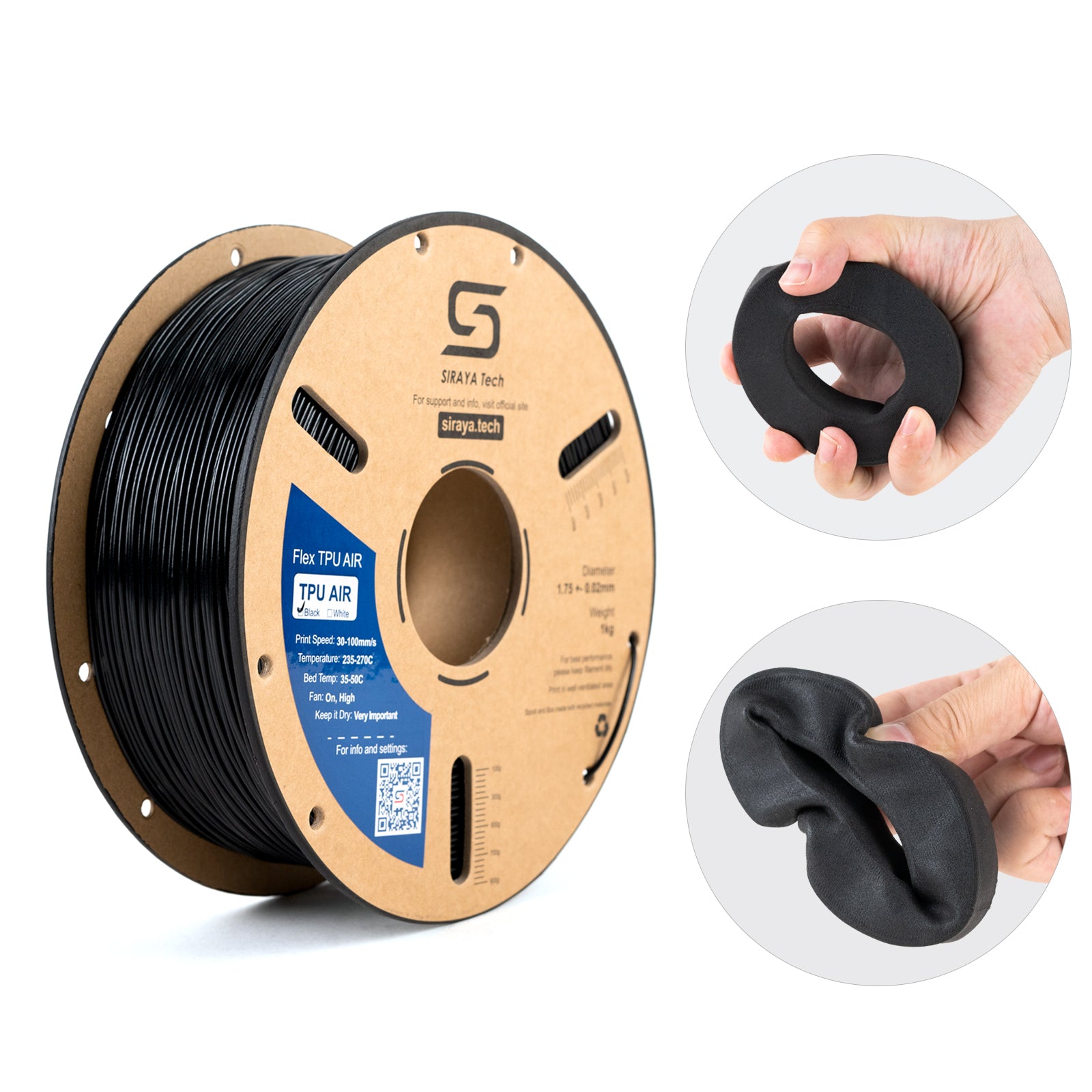
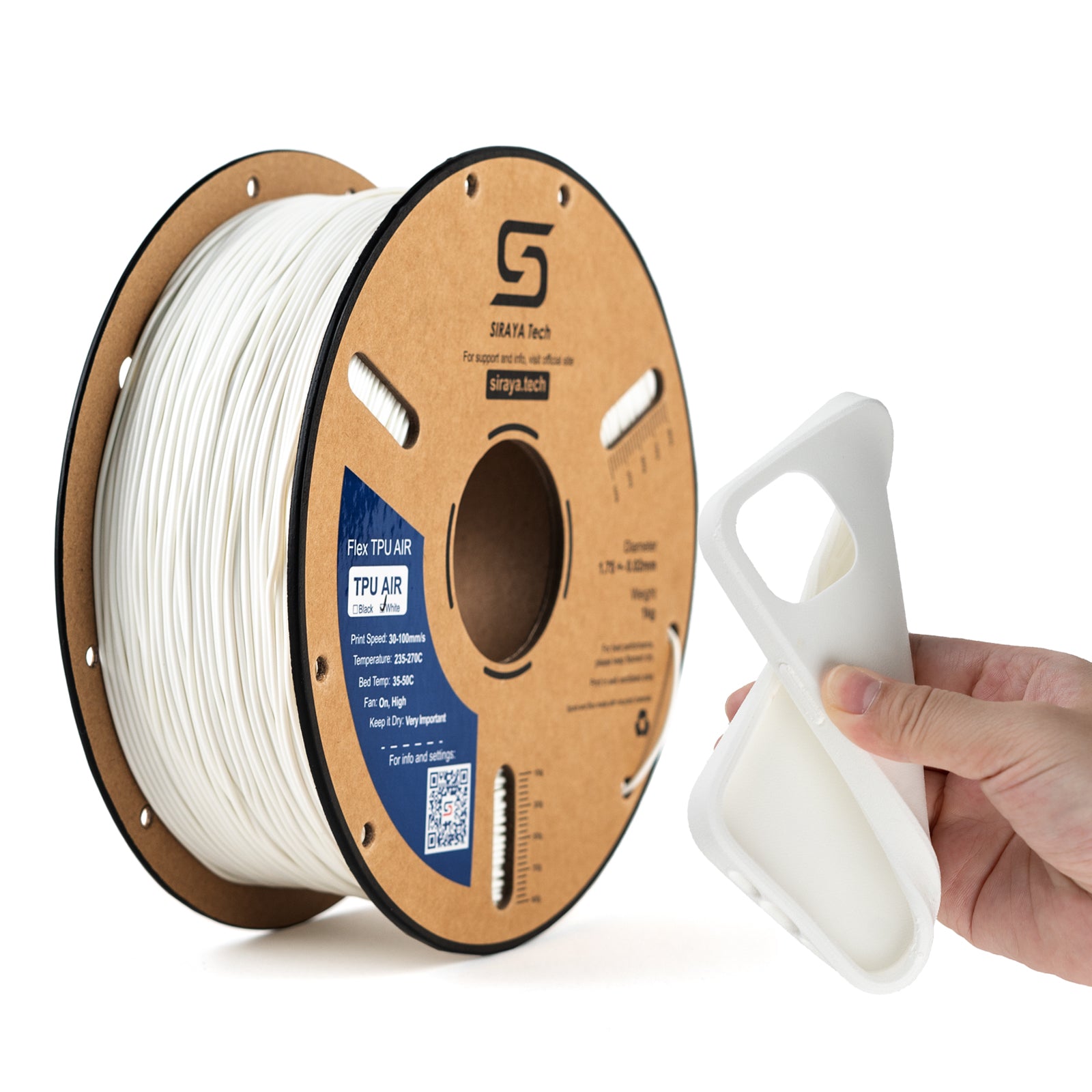
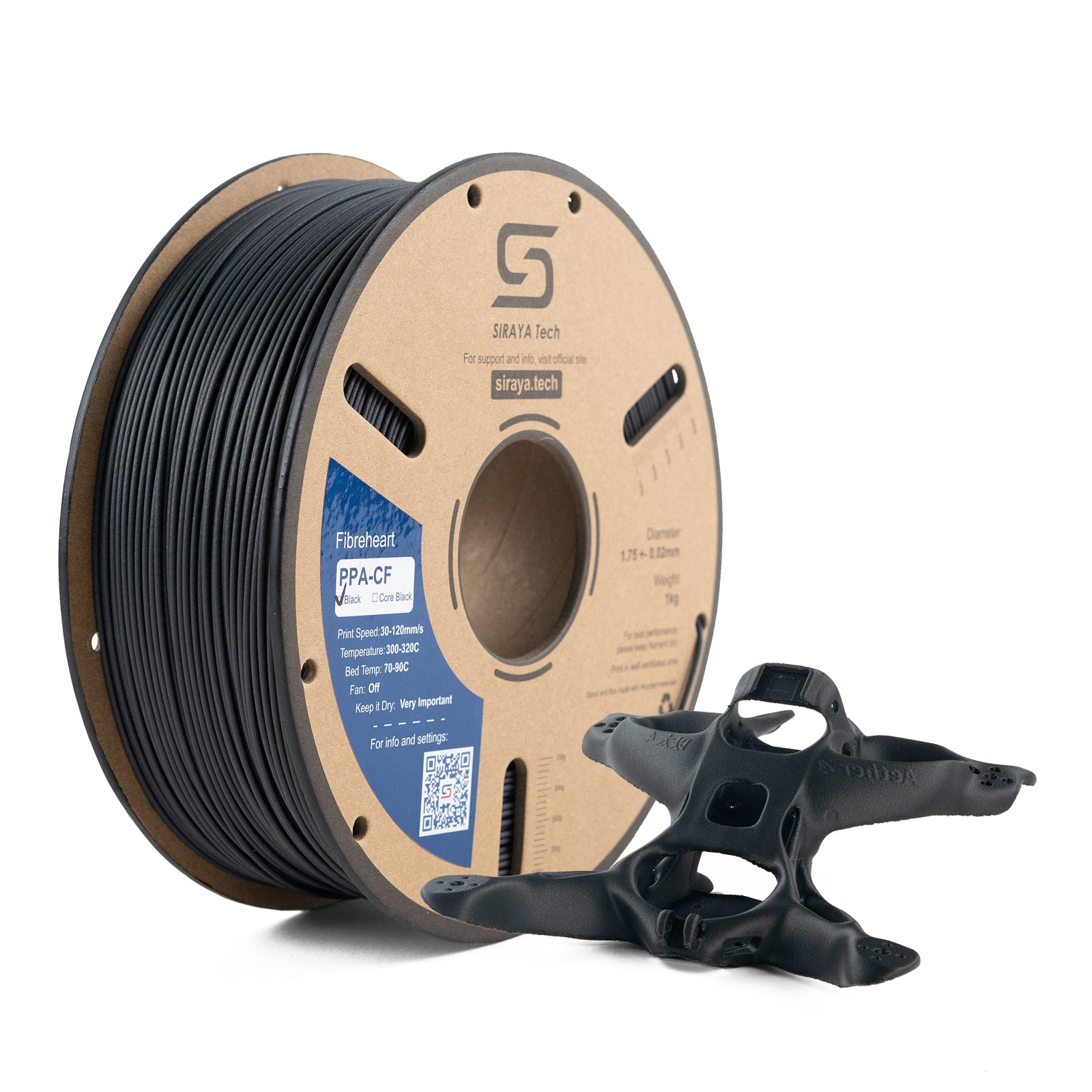
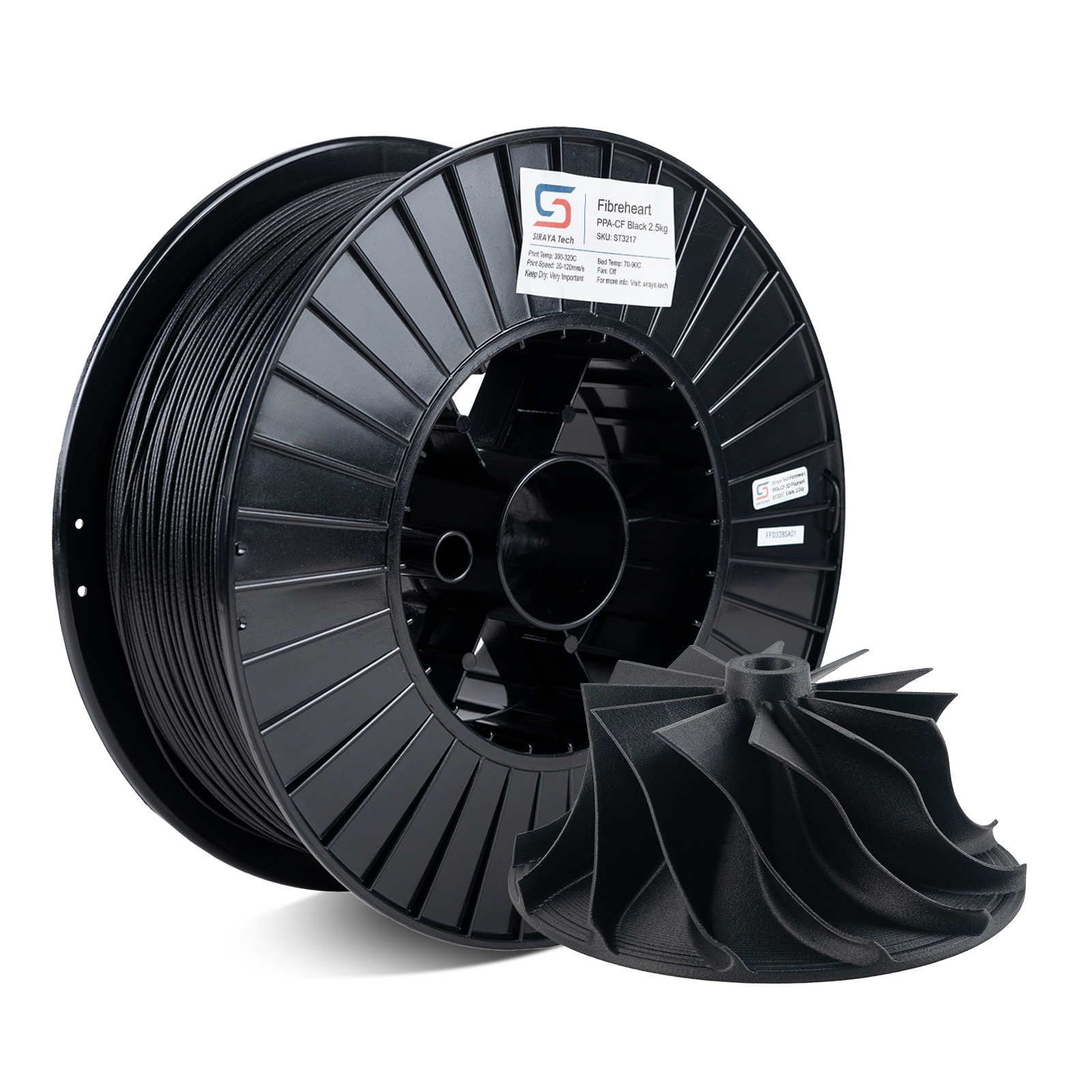
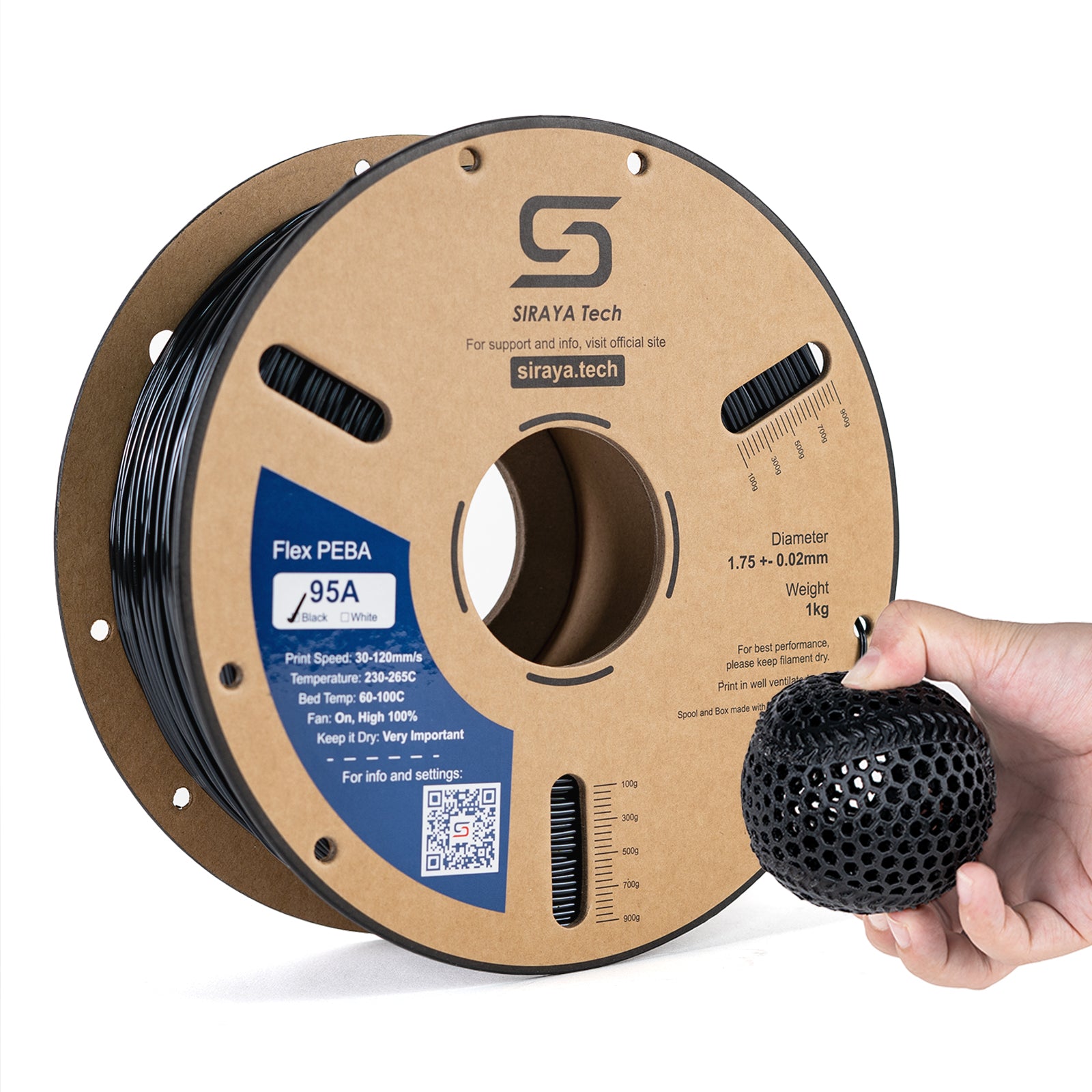
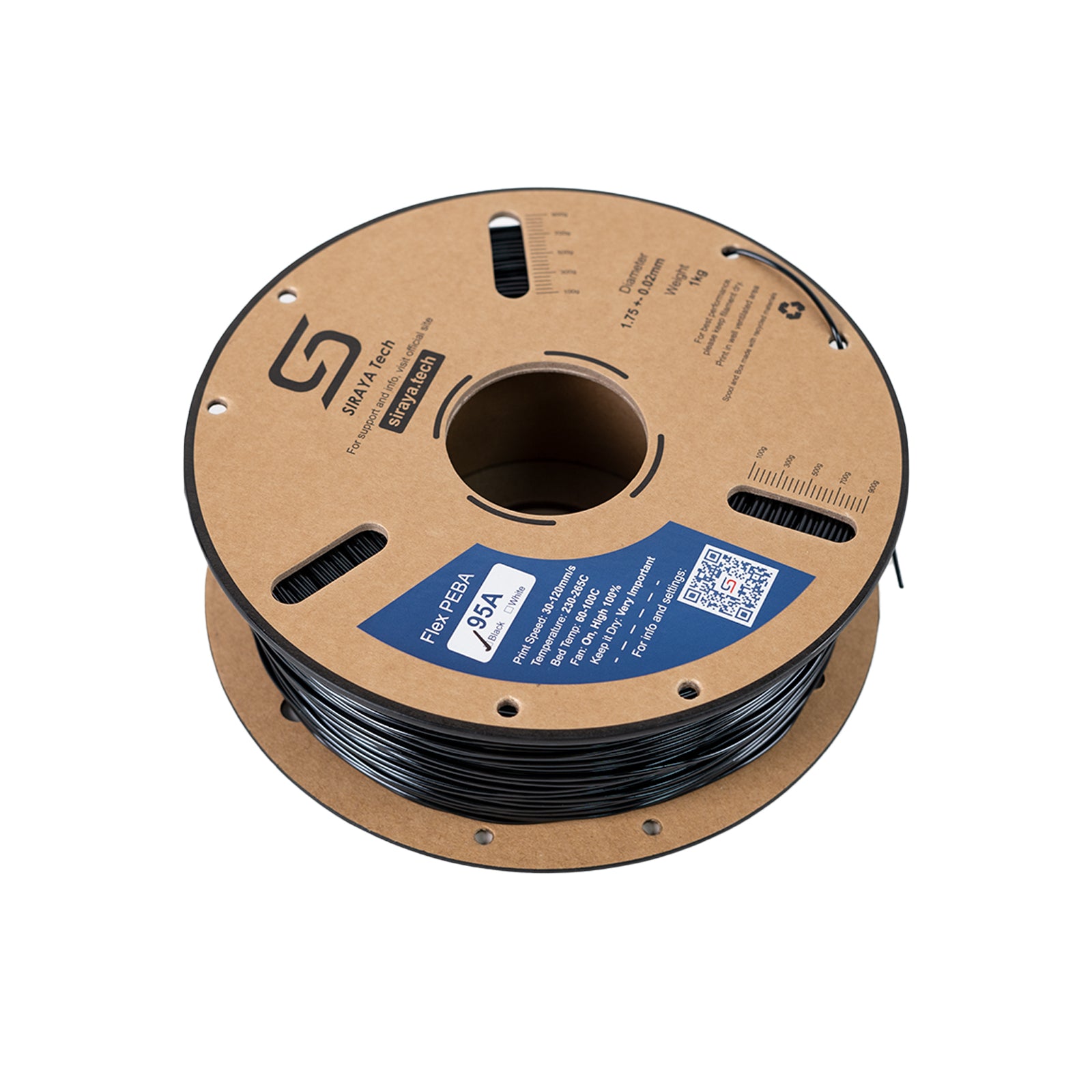
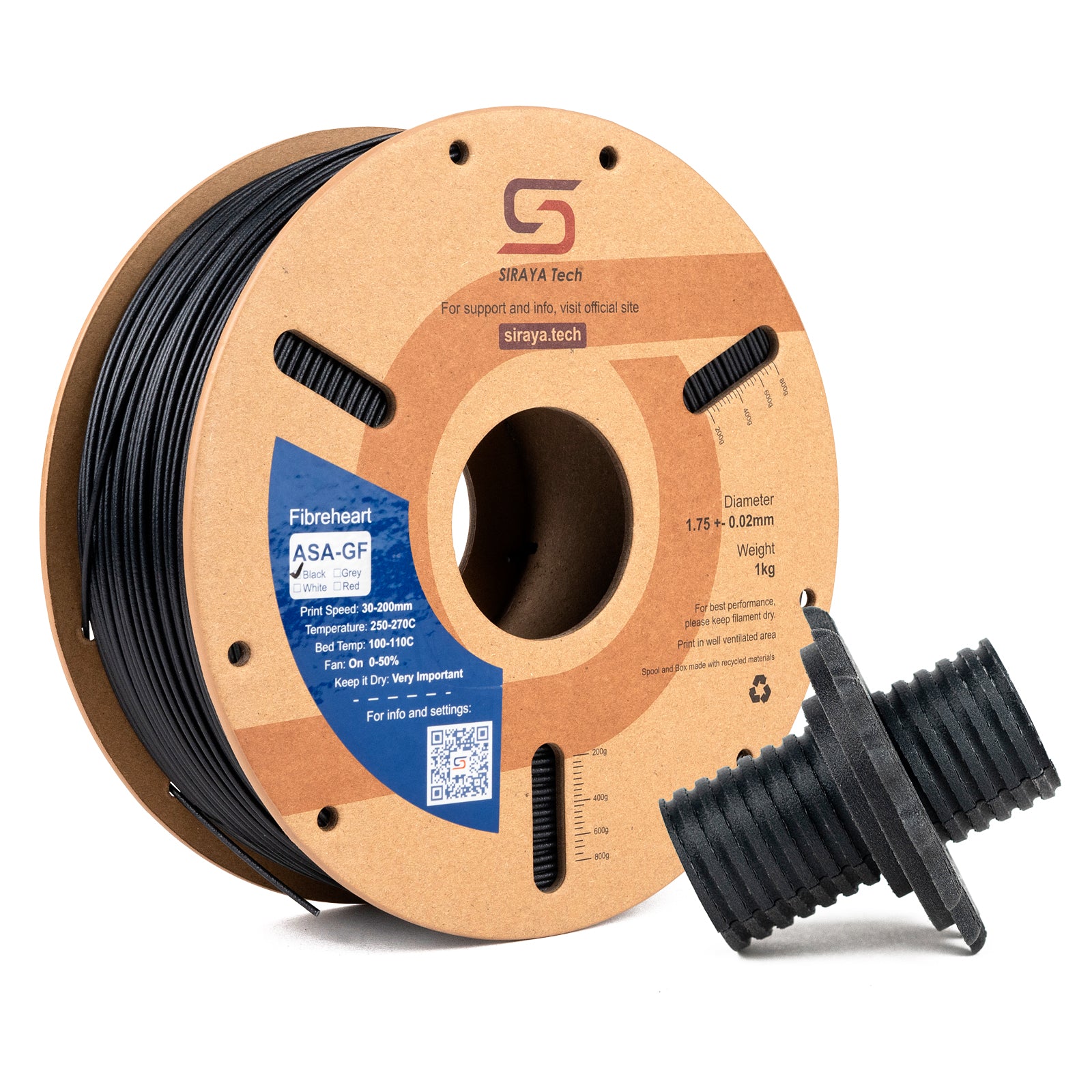
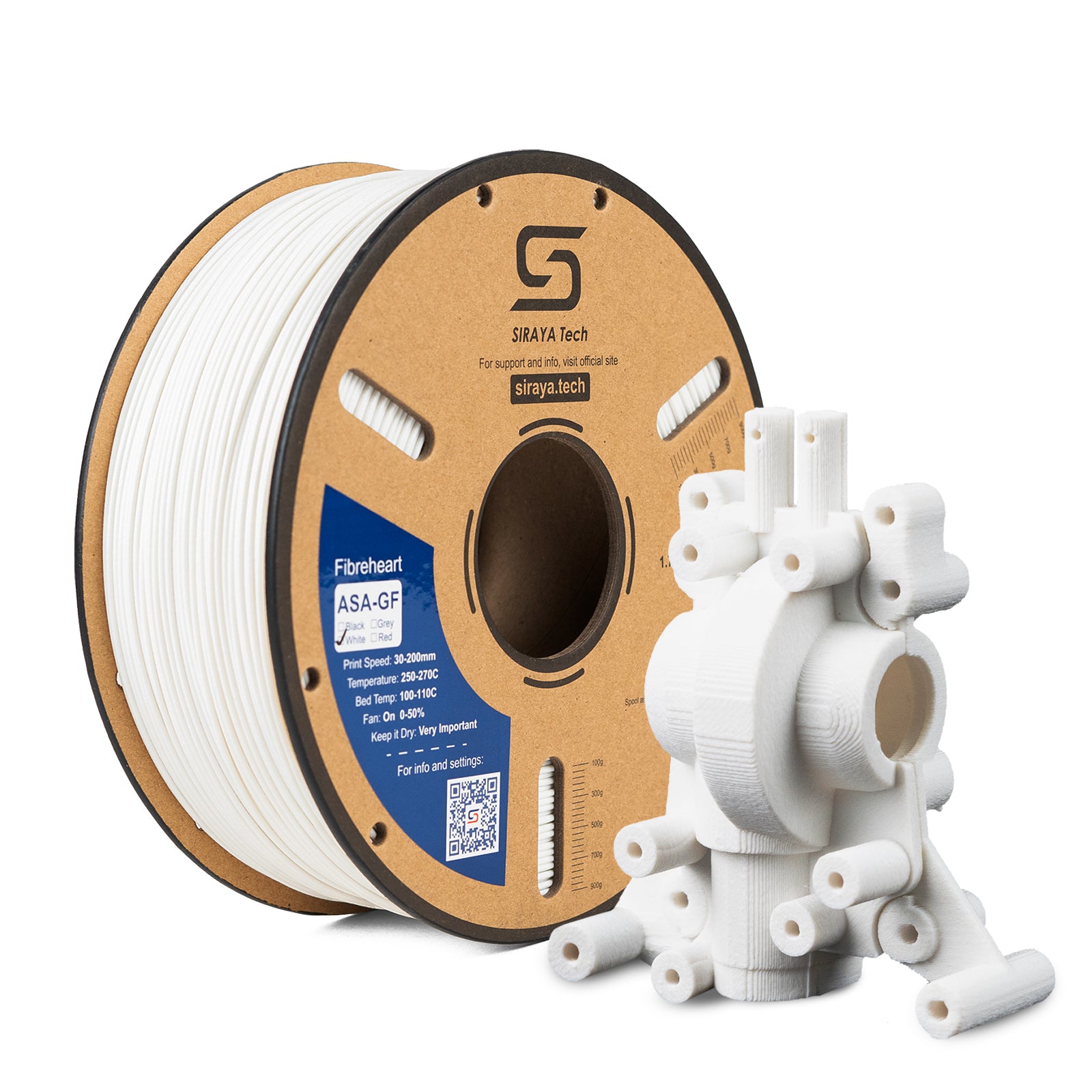
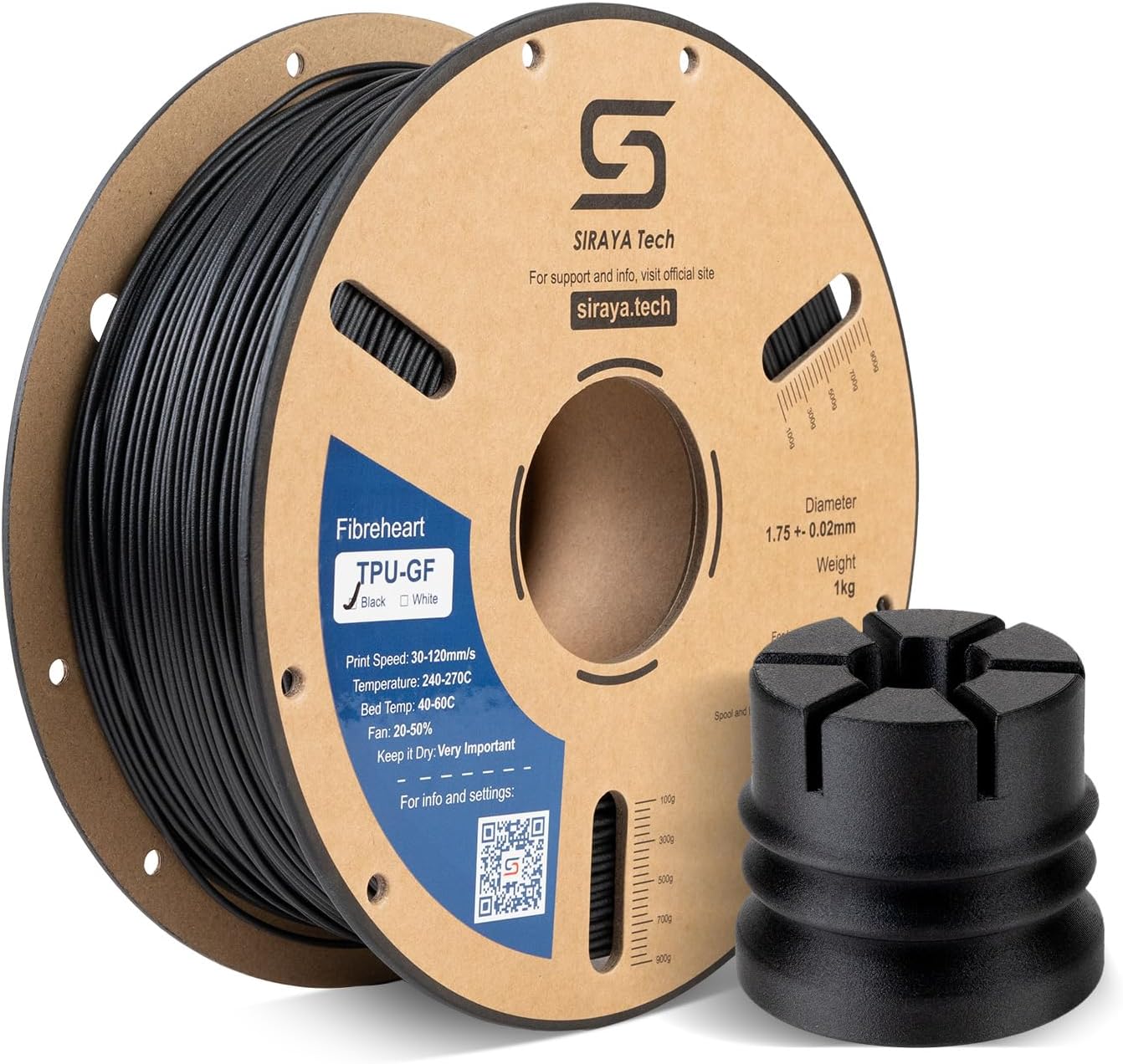
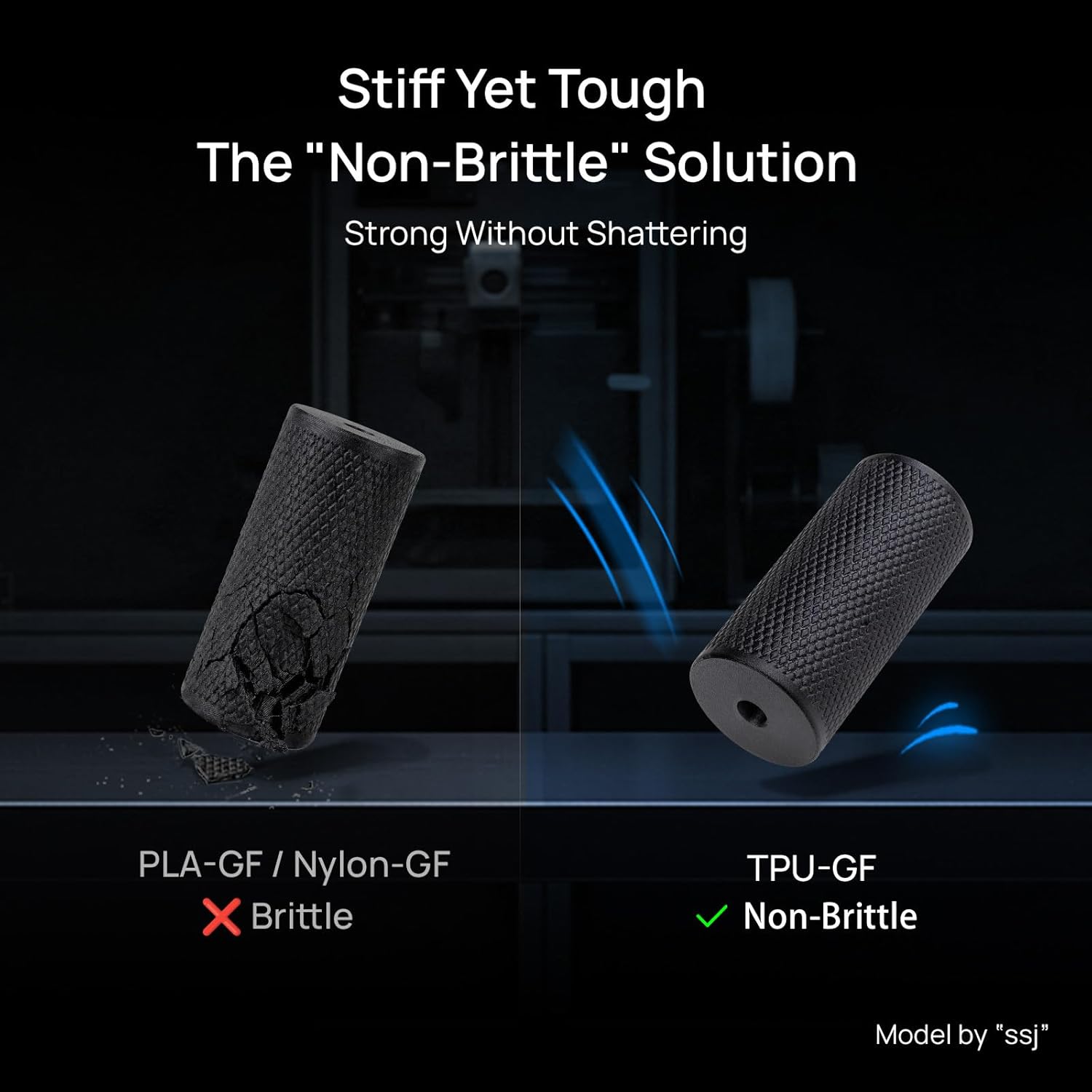
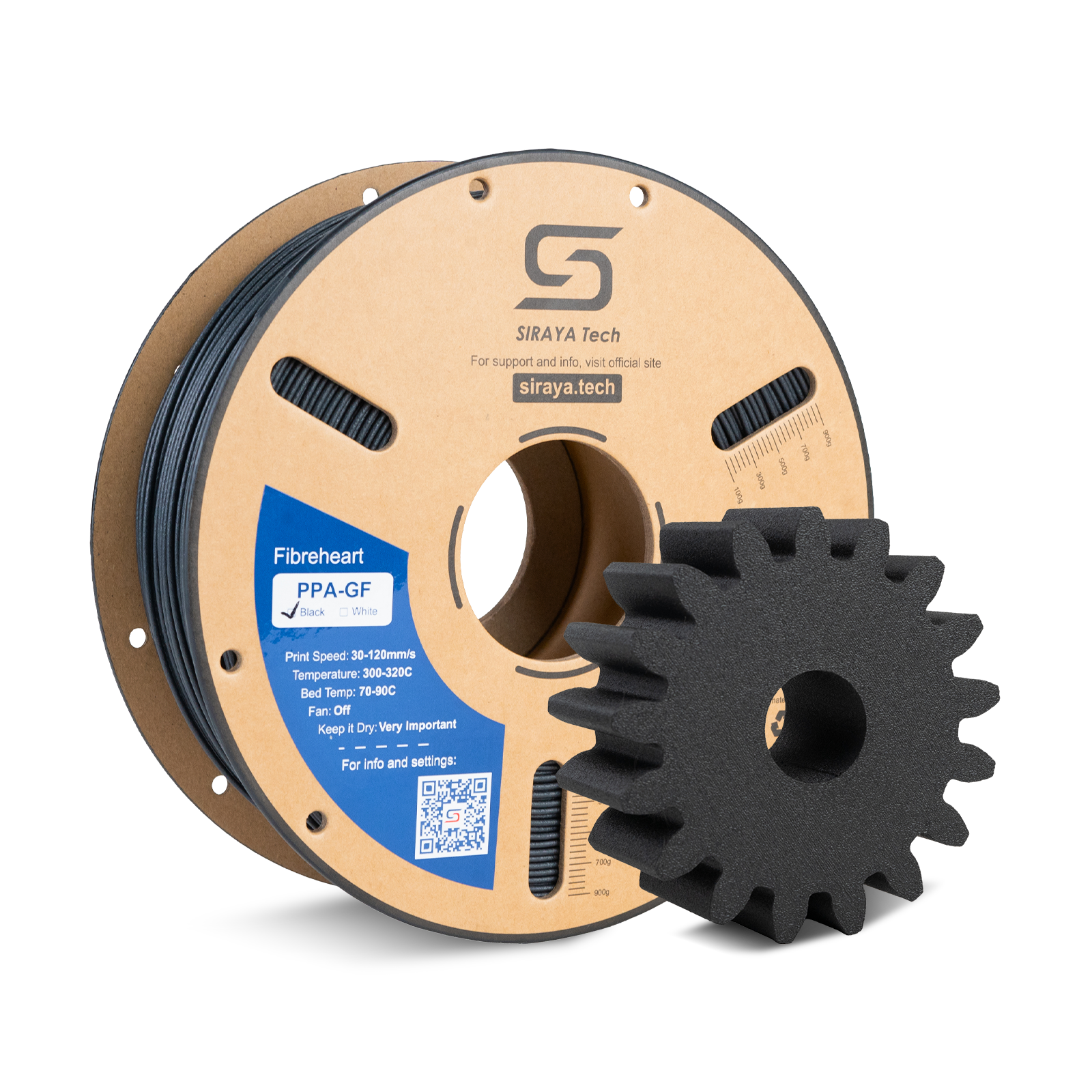
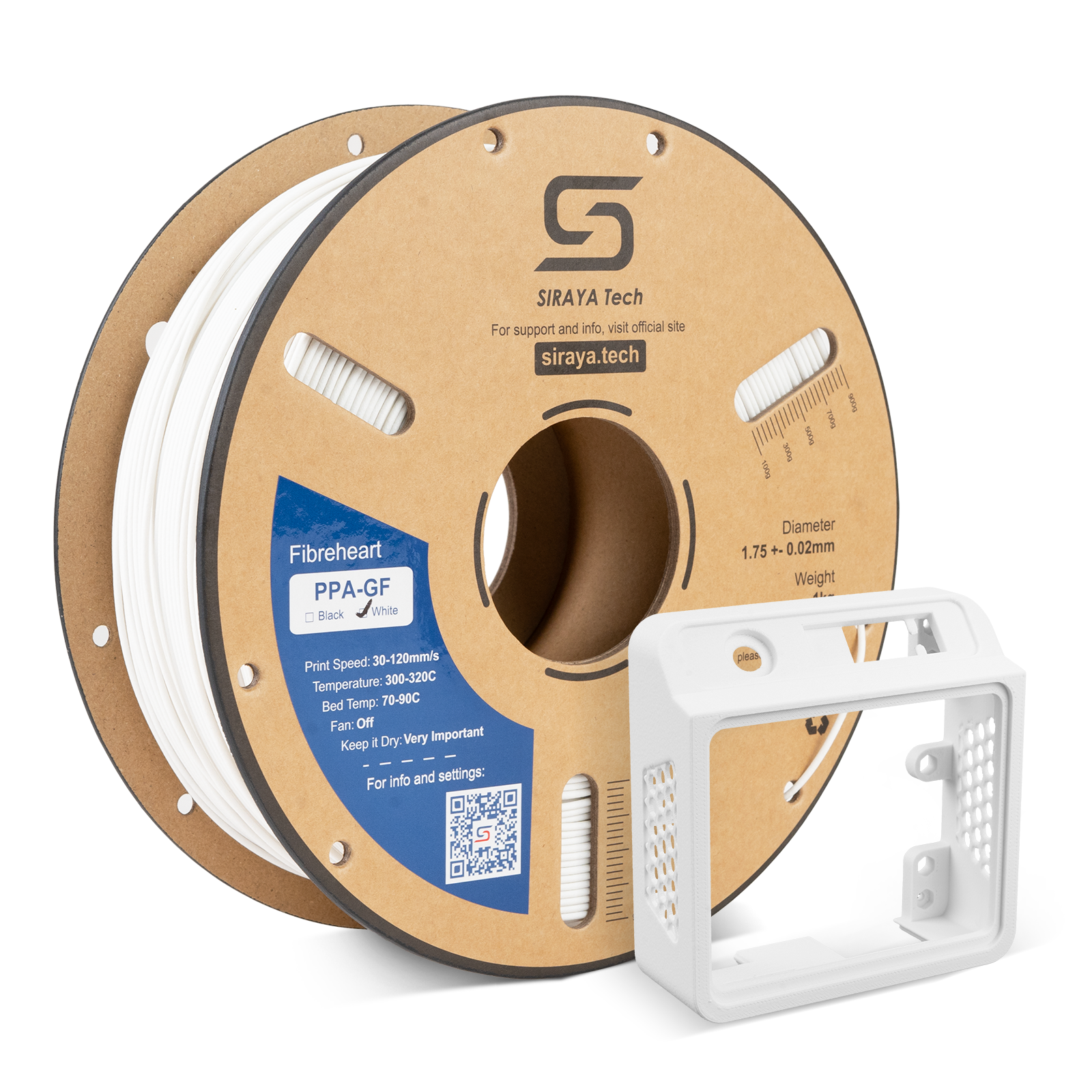
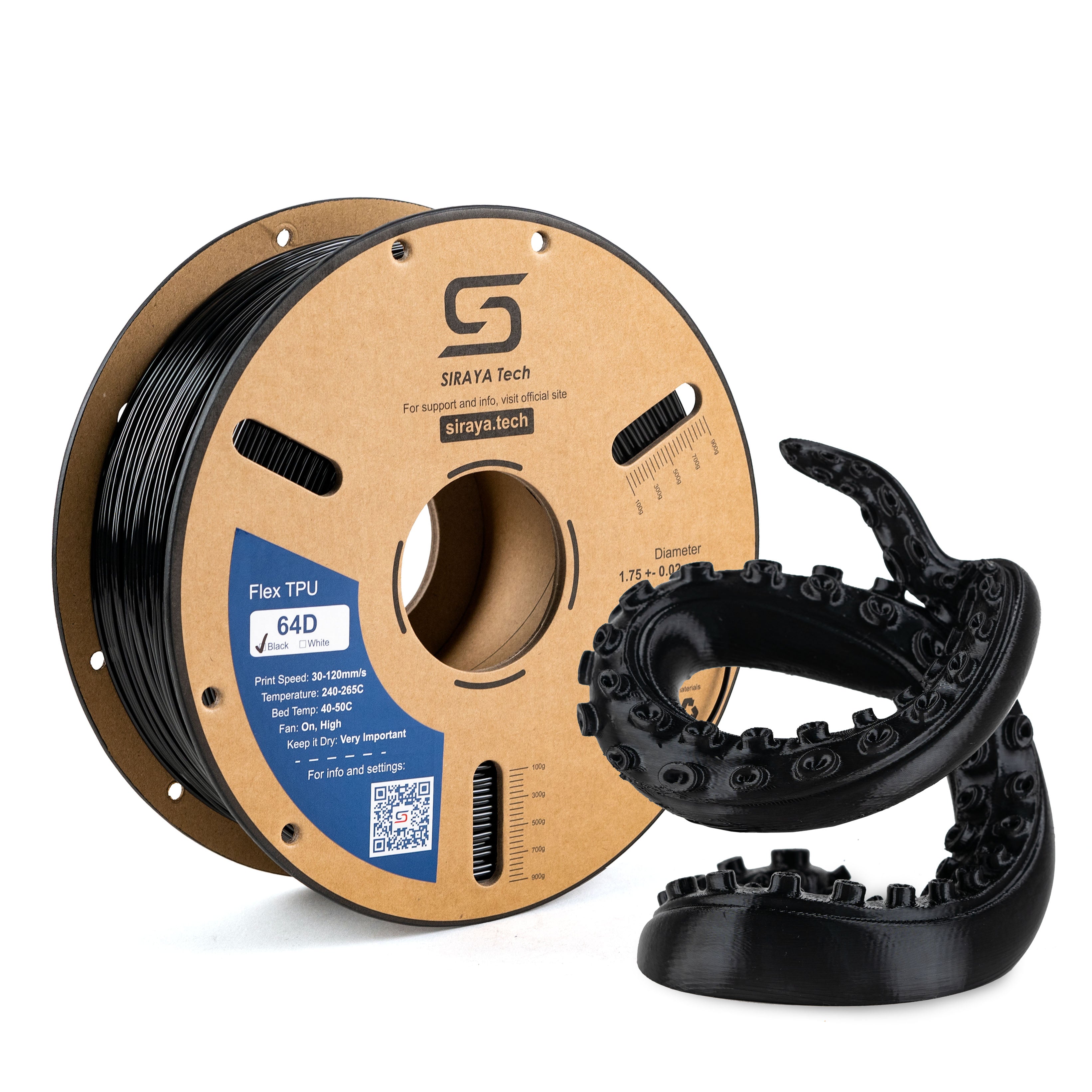
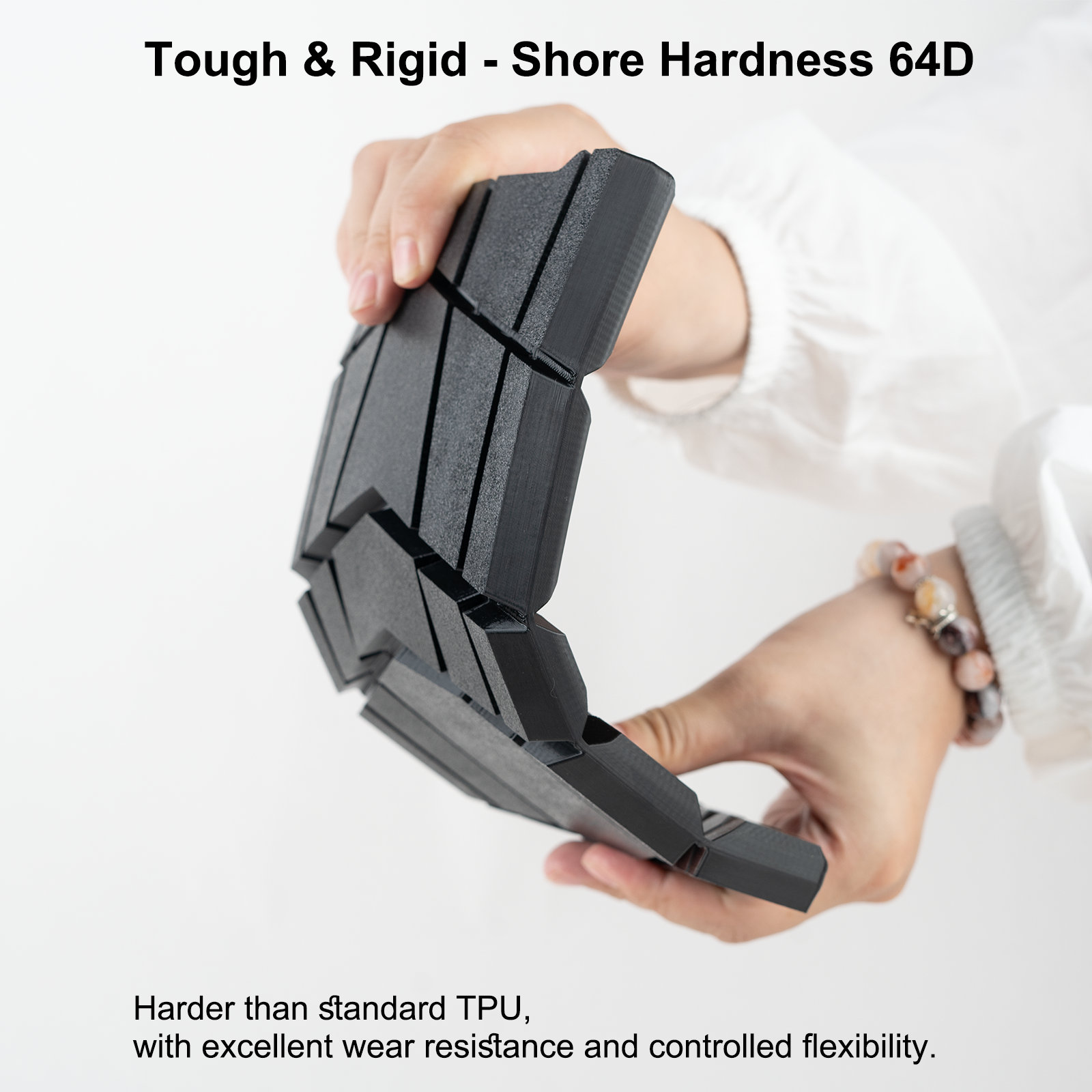
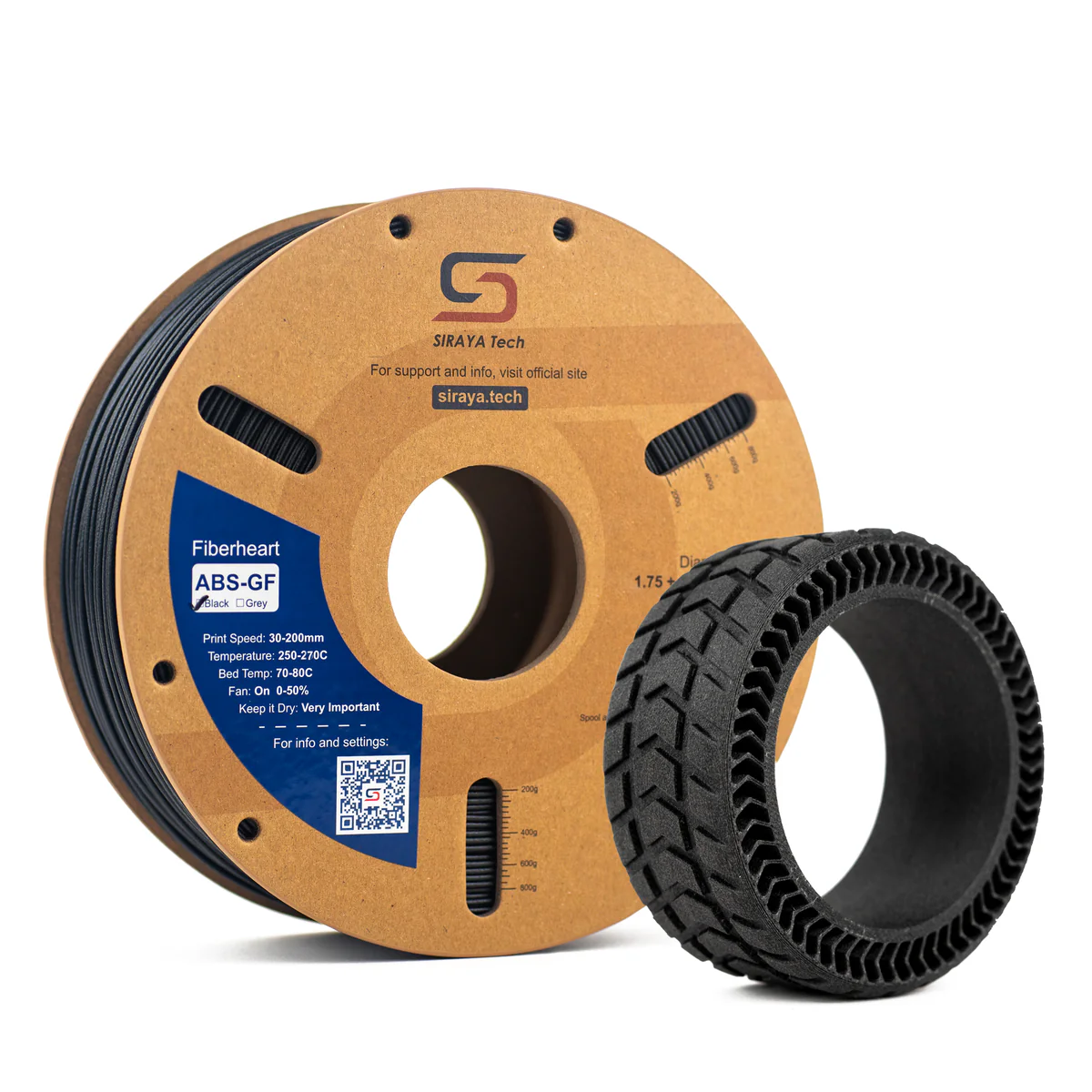
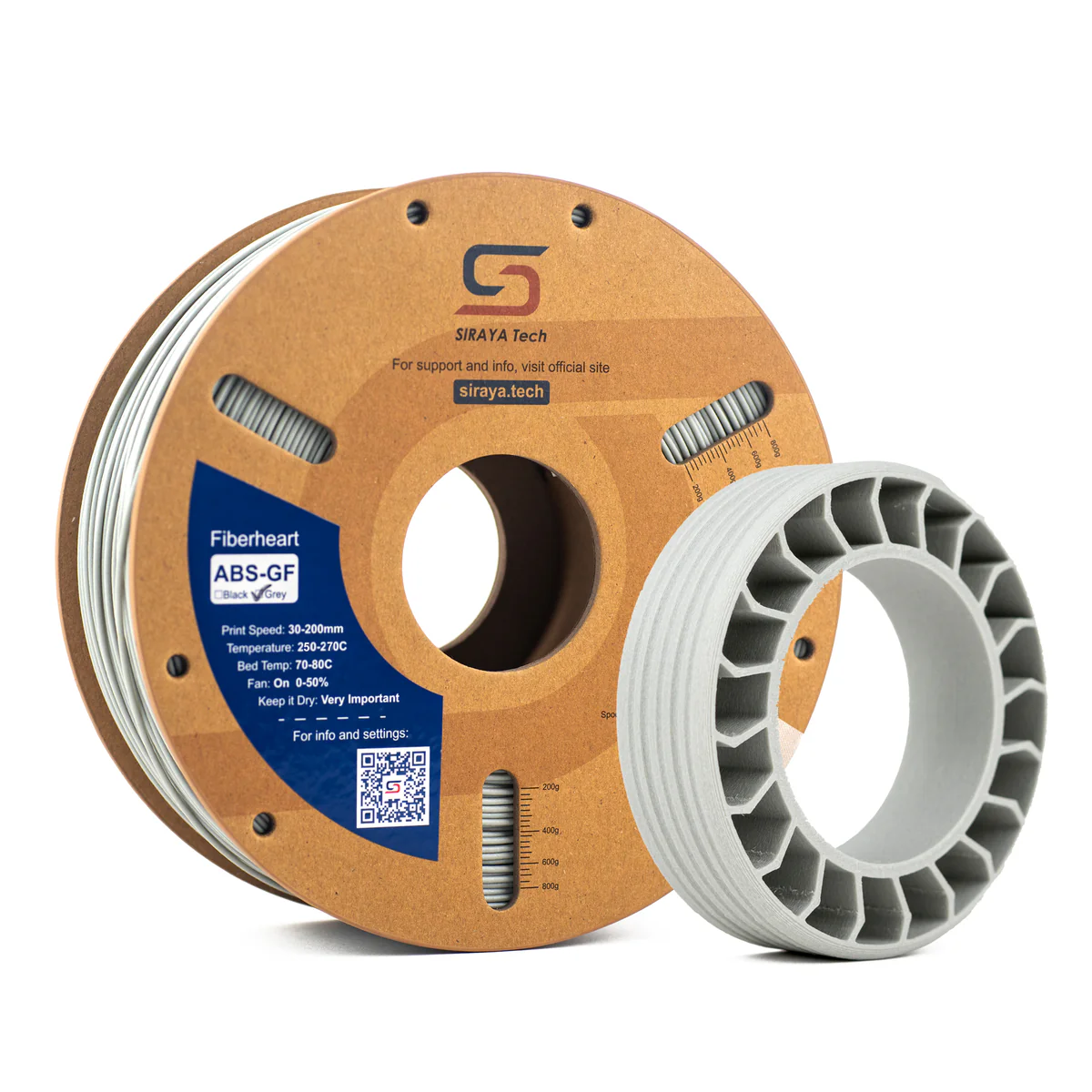
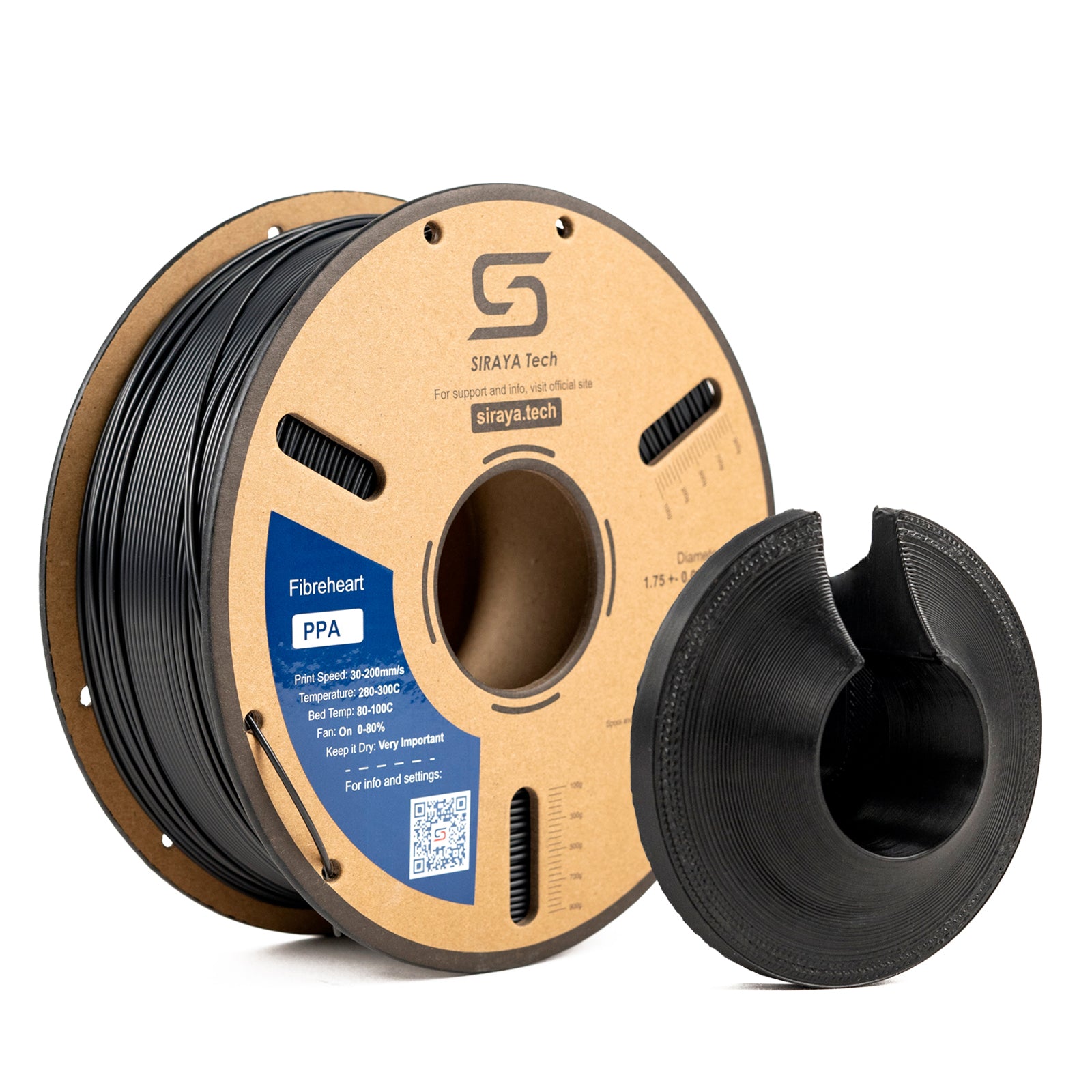
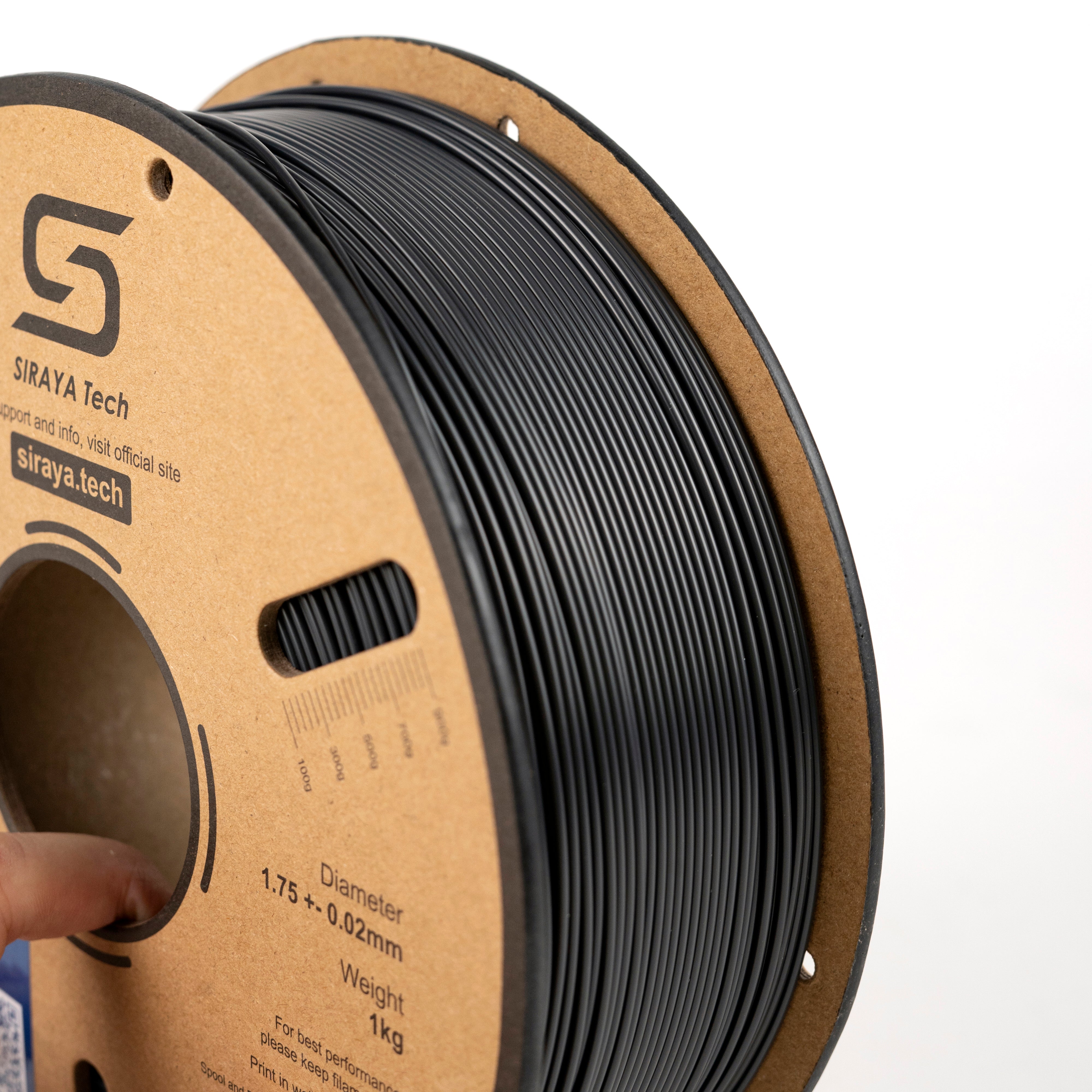
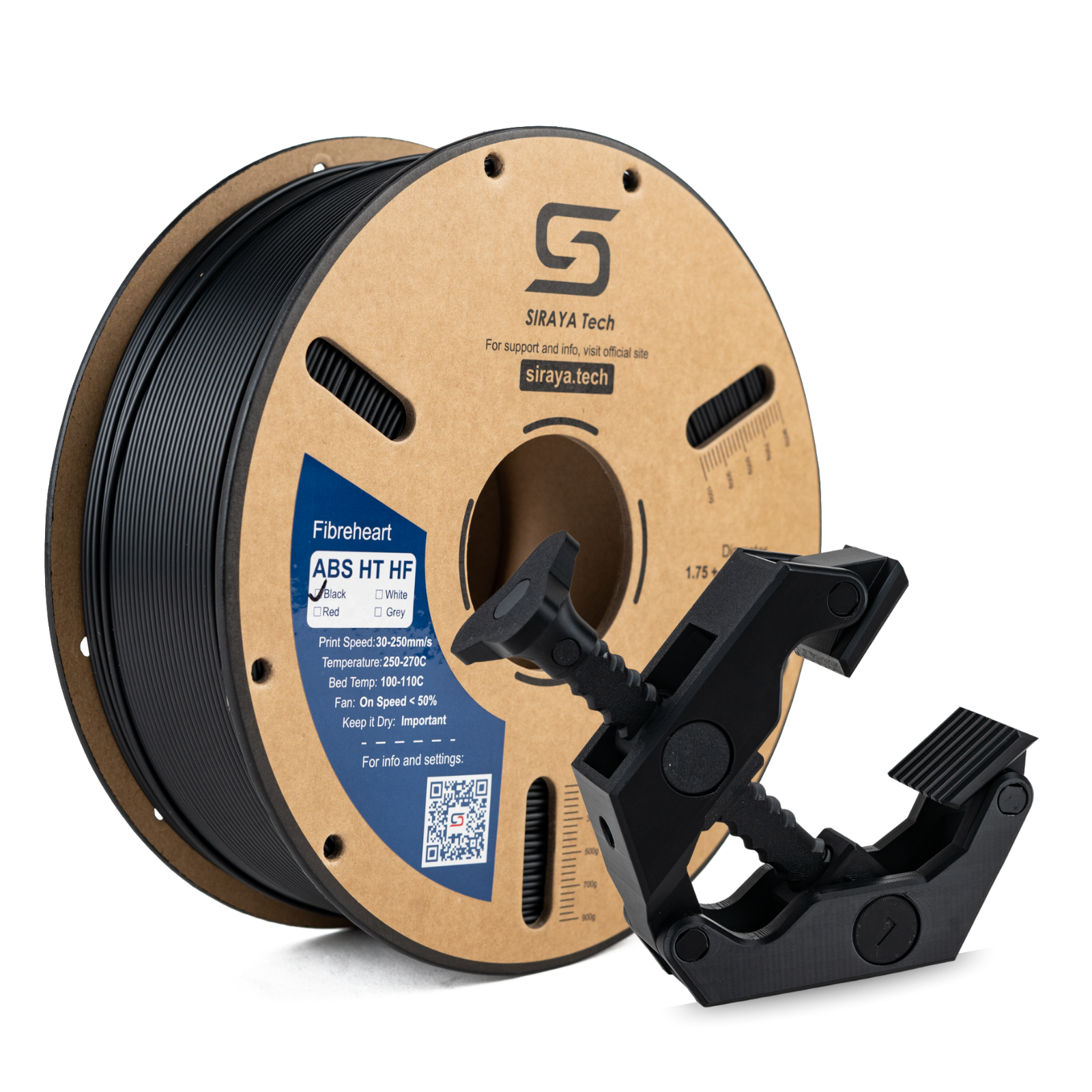
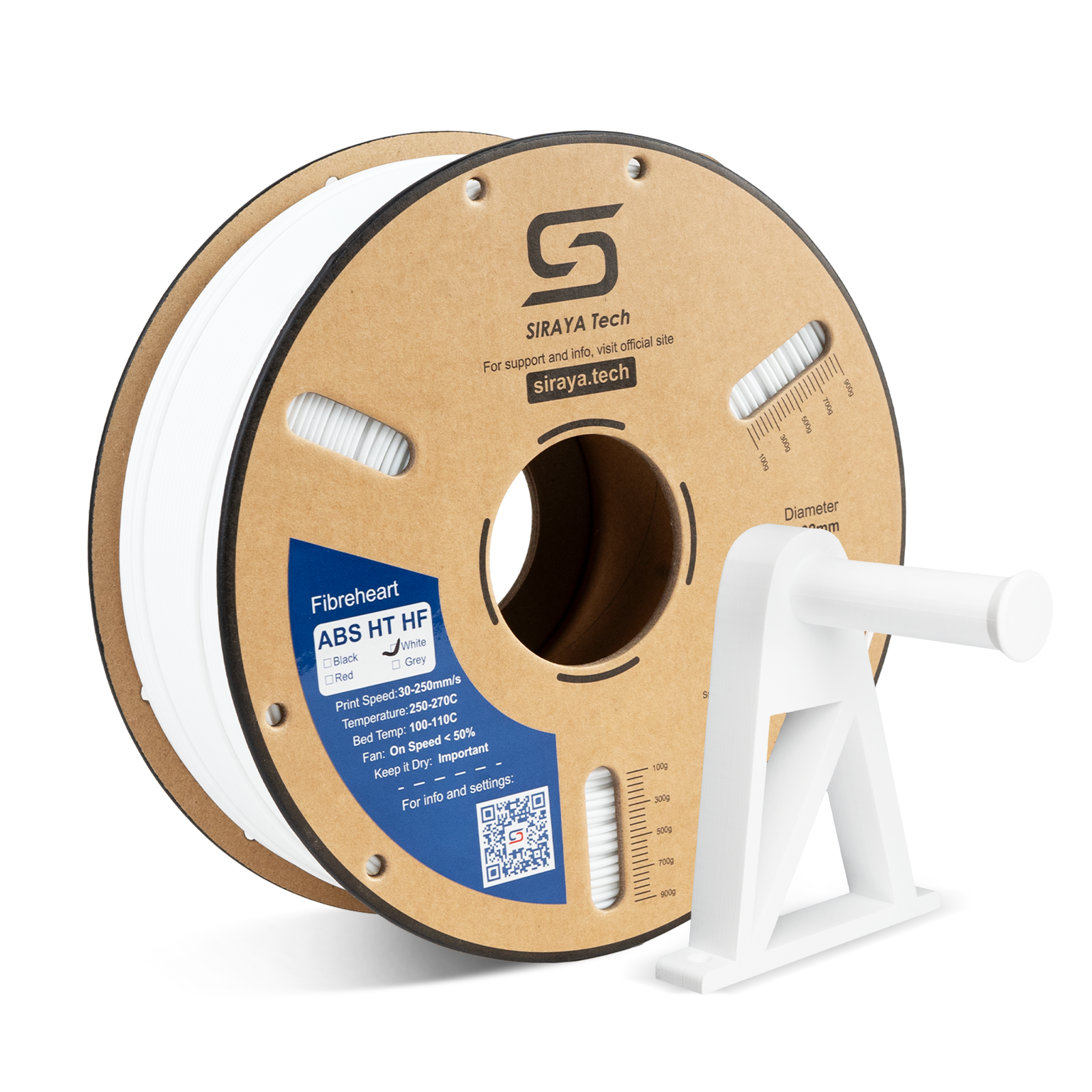
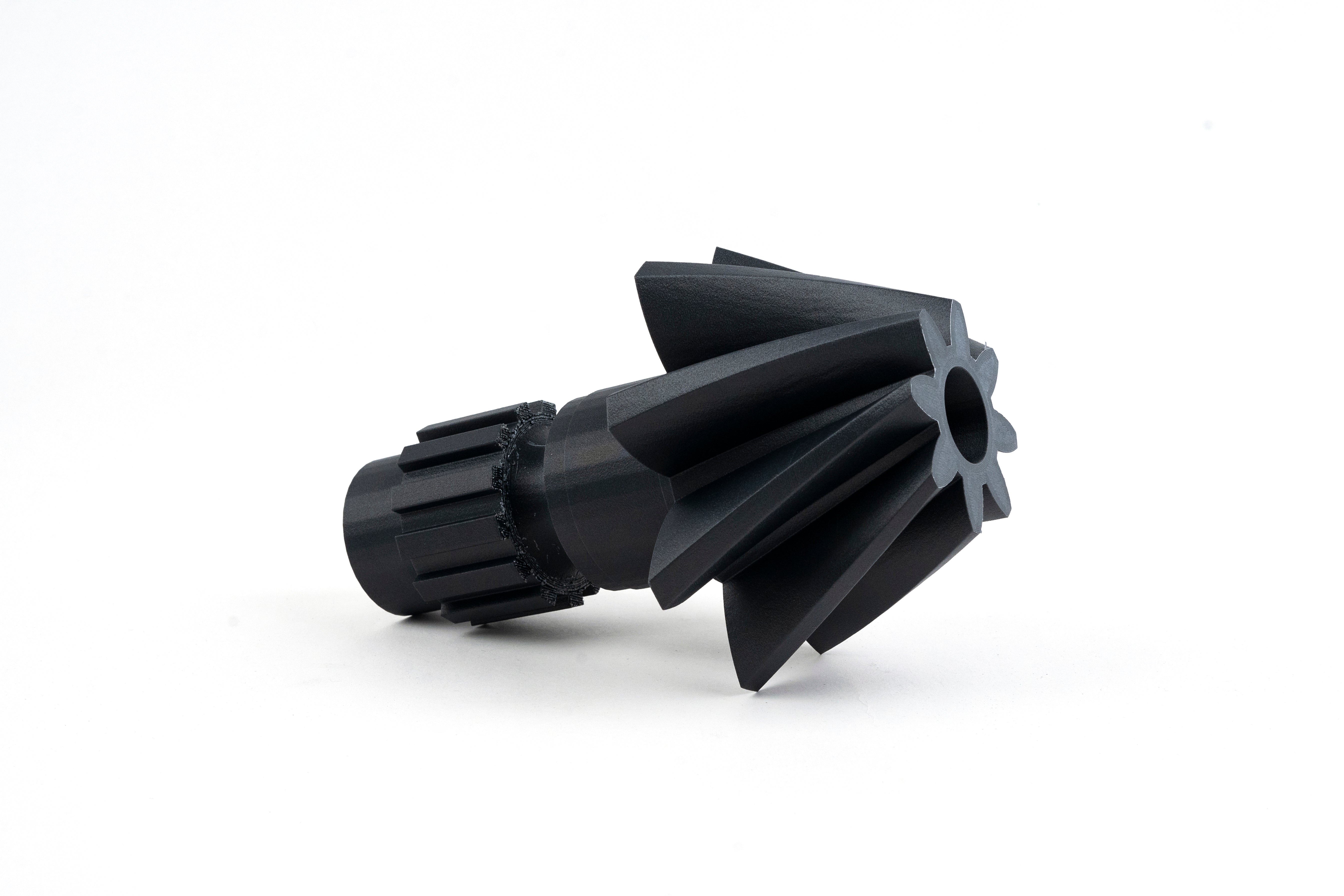
High-flow engineering filament lets you run real engineering parts at higher speeds without giving up strength or surface quality.
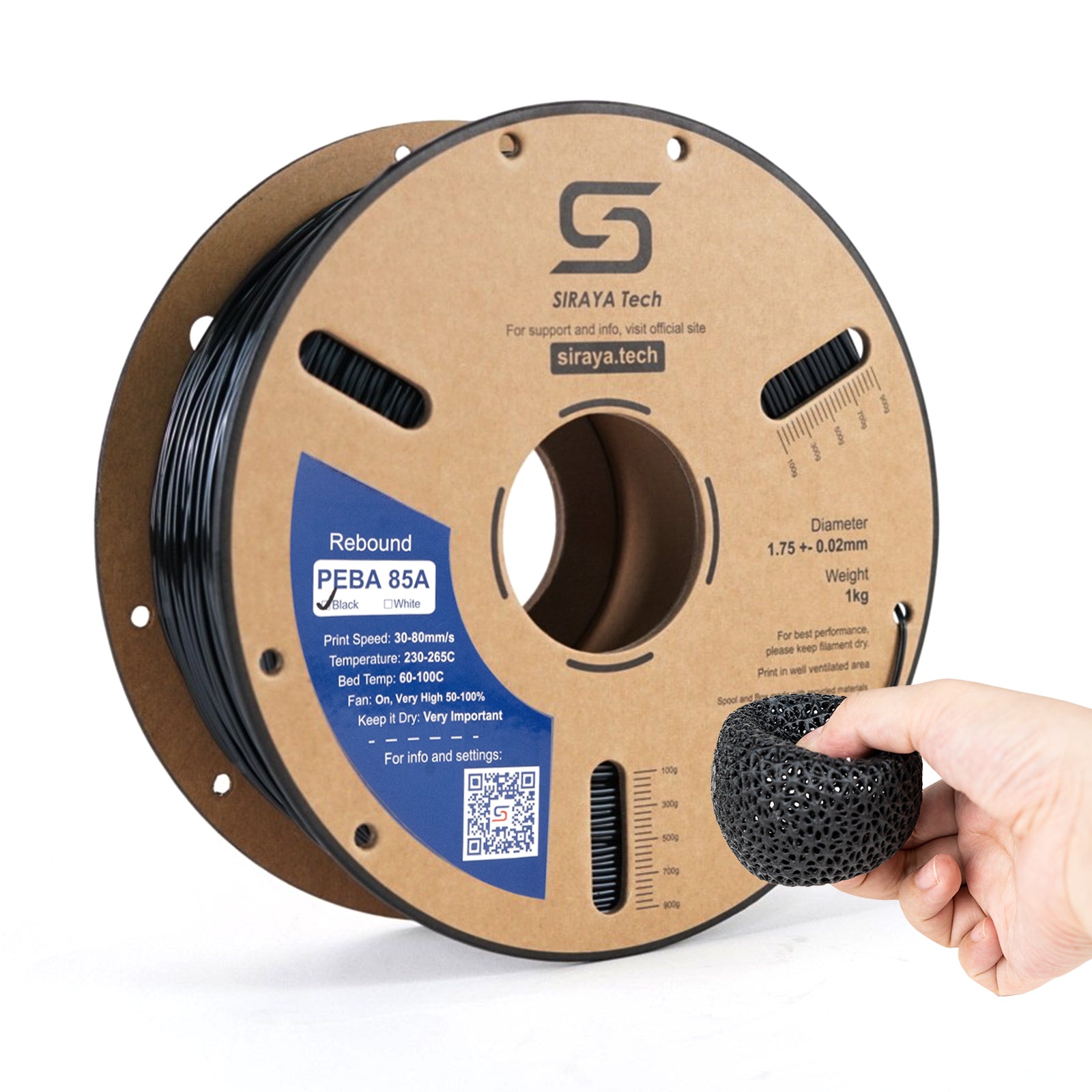
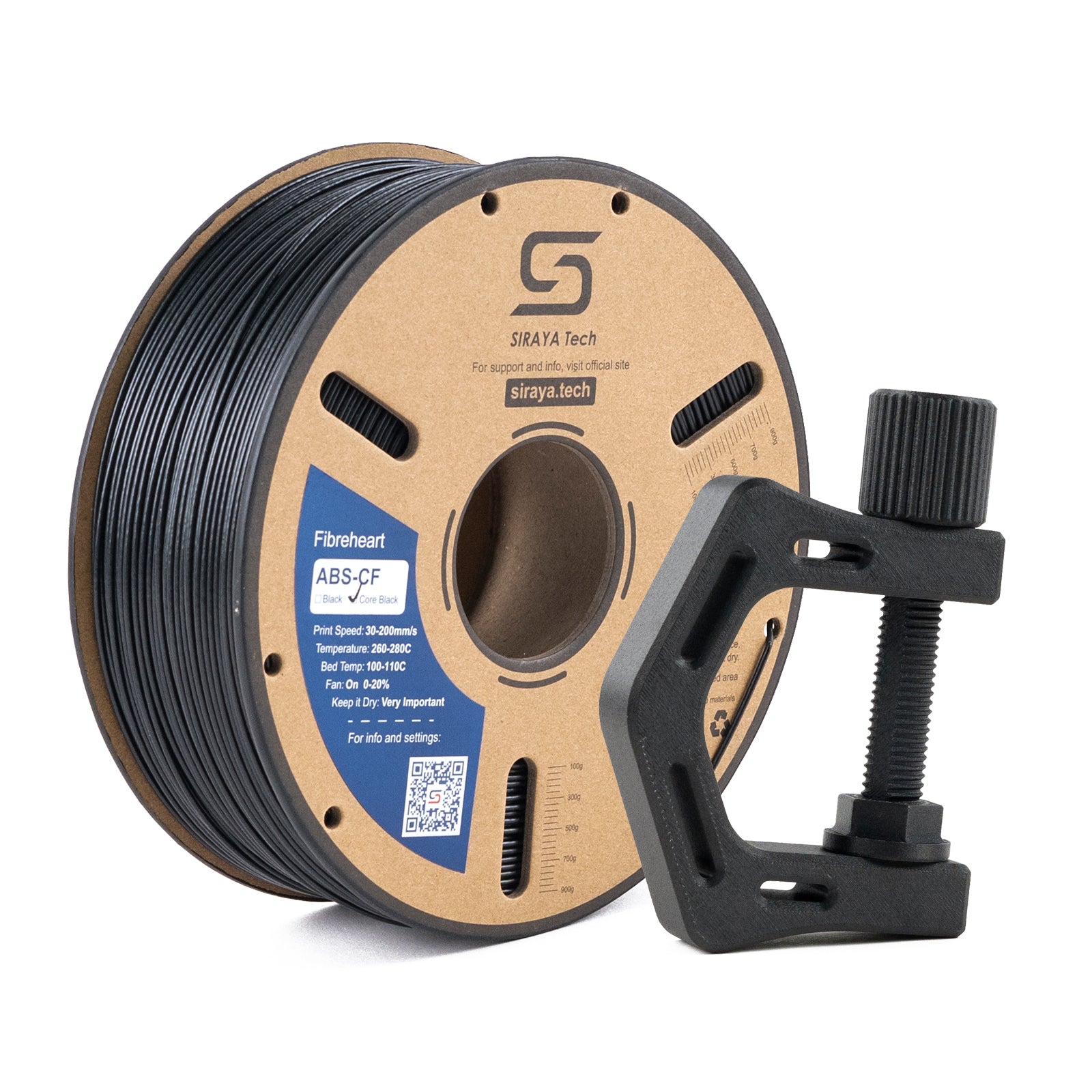
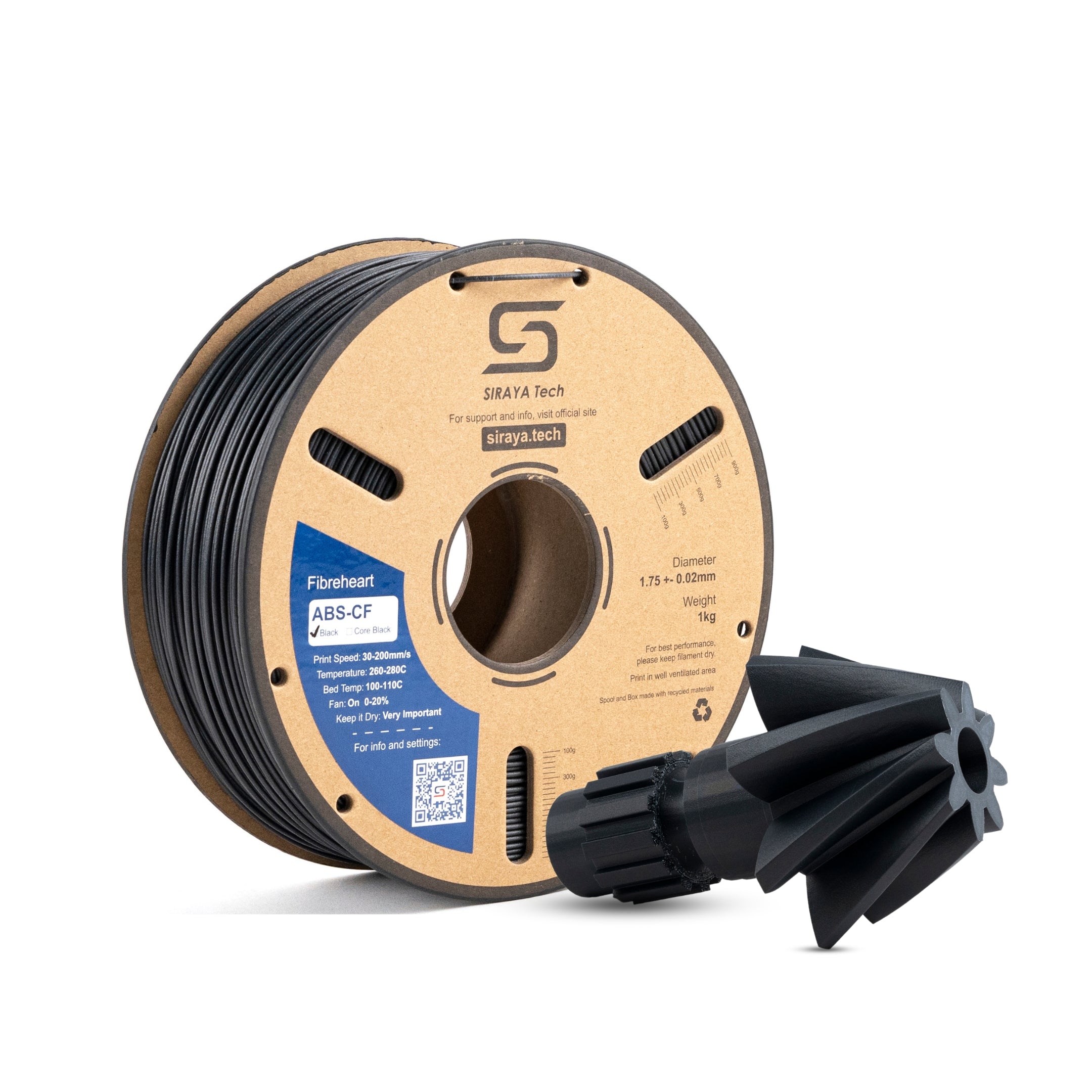
Siraya Tech designs high-speed materials, from ABS HT HF and PETG-CF HF to flexible TPU and PEBA, so you can push flow rates, keep layers bonded, and still hit the tolerances your projects demand.
These filaments support fast extrusion on modern printers while staying durable enough for brackets, housings, sports gear, and wearable prototypes.
Boost Productivity with High-Flow Engineering Filament for Fast Production
Time is often the most expensive resource in a workshop. Using a specialized high-flow engineering filament lets you push your hardware to its limits without worrying about under-extrusion or nozzle clogging.
Our material is optimized for high output, ensuring that your large projects are finished in record time.
Benefits of Rapid Printing
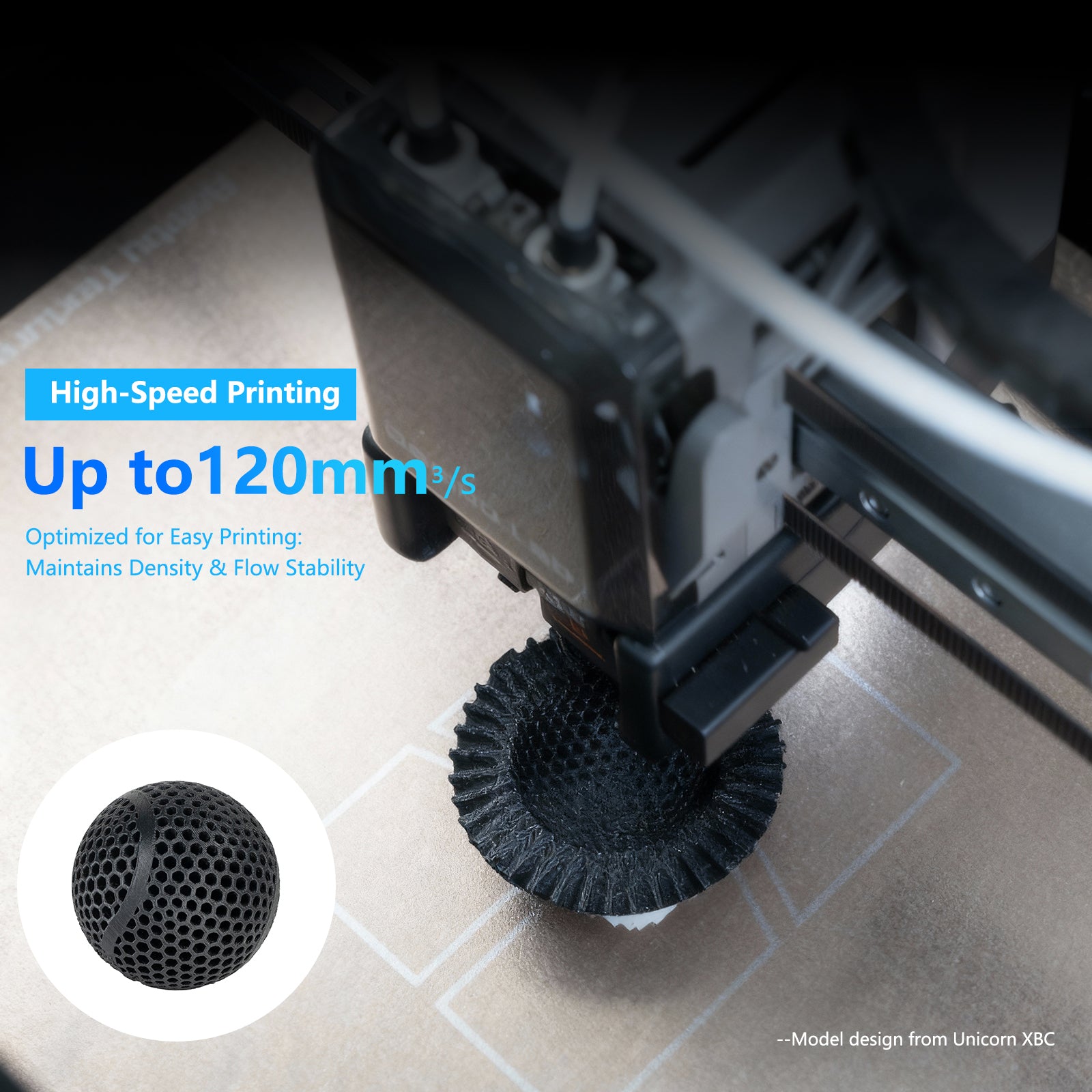
Optimized Flow Rate: With support for speeds up to 12mm³/s, this material flows consistently through the nozzle. This prevents the gaps and weak spots often seen when printing standard materials at high speeds.
Faster Extrusion: Unlike passive foam materials, our filament maintains its density until it leaves the nozzle. This leads to much better control and significantly fewer jams during long print jobs.
High Speed Stability: The material is engineered to set quickly once it is laid down. This allows you to maintain sharp edges and fine details even when your printer is moving at its maximum speed.
Reliable Consistency: Every spool is made with a uniform diameter. This ensures that your printer always has a steady supply of material, which is vital for maintaining the structural quality of functional parts.
Customize Your Designs Using High-Flow Engineering Filament with Active Foaming
What makes this collection truly unique is the ability to change the print's physical properties by simply adjusting your settings. Our high-flow engineering filament features active foaming technology that allows for massive weight reduction and tunable hardness.
Advanced Material Control
Up to 50 Percent Weight Reduction: By triggering the foaming process, you can create parts that are half the weight of standard prints. This is a game-changer for weight-sensitive applications like drones or footwear.
Adjustable Hardness: You can fine-tune the softness and strength of your part between 65A and 82A just by changing the print temperature. Lower temperatures create denser, tougher parts while higher temperatures result in a softer, lighter foam.
Lightweight and Bouncy: The foamed structure provides a natural cushion and energy return. This makes it perfect for parts that need to absorb impact or provide comfort to the user.
Superior Elasticity: Even at its lightest, the material remains incredibly durable. It can stretch and bend repeatedly without losing its shape or tearing.
Create Comfortable Wearables with a Skin-Friendly Texture
Beyond its mechanical strengths, this material is designed for items that come into direct contact with the body. The final finish is smooth and comfortable, making it a top choice for the medical and sports industries.
Features for Human Centric Design
Soft Touch Finish: The print's surface feels pleasant against the skin. This is essential for grips, handles, and wearable tech used for hours at a time.
Chemical Resistance: The material stands up well to sweat, oils, and common cleaning agents. This ensures that medical supports or sports gear remain hygienic and intact over the long term.
Tunable Softness: Because you can control how soft the material becomes, you can create custom insoles or braces that match an individual's specific comfort needs.
Non-Irritating Surface: The smooth extrusion process eliminates the sharp or rough edges often found on standard 3D prints, reducing the risk of skin irritation.
A Versatile Tool for Professional Applications
This collection is engineered as a flexible solution for many industries. Its unique ability to be both a rigid structural plastic and a soft foam makes it one of the most versatile materials in any maker's toolkit.
Typical Use Cases
Sports Gear and Insoles: Take advantage of the 50 percent weight reduction and bouncy feel to create professional athletic equipment.
Medical Support Accessories: Use the skin-friendly texture and adjustable hardness for custom braces, splints, and prosthetic liners.
Industrial Grips and Handles: Produce custom tool handles that absorb vibrations and provide a secure, comfortable grip for the operator.
Protective Covers and Toys: Build soft cases for electronics or durable toys that are safe for handling and resistant to impact damage.
Choosing the right high-flow engineering filament gives you a level of control that standard materials simply cannot match.
From 50 percent weight reduction to tunable hardness, the Siraya Tech collection is built to help you solve complex design problems quickly.
Whether you are aiming for high-speed production or a soft-touch finish, our materials deliver the professional results your projects deserve.
Related Collections to Explore
High Flow Filament: Discover our full range of materials optimized for the fastest possible print speeds and high output machines.
High Temp 3D Printer Filament: Find materials engineered to stay strong and rigid even when exposed to extreme heat during testing.
3D Printer Filament: Browse our complete catalog of professional grade spools for every functional and artistic 3D printing project.
Bendable 3D Filament: Look at our soft touch materials that offer the highest levels of flexibility and impact absorption for unique designs.
FAQs About High-Flow Engineering Filament
What is active foaming in 3D printing?
Active foaming is a process where the material expands as it leaves the nozzle based on the heat. This allows the user to create parts that are much lighter than standard prints by creating a cellular structure inside the plastic.
How do I adjust the hardness of my 3D print?
With this specific material, hardness is controlled by temperature. Printing at lower temperatures will result in a harder, more solid part. Increasing the temperature activates the foaming agent, which makes the final part softer and lighter.
Is a high-flow filament compatible with my standard printer?
Yes. Our high-flow engineering filament is designed to work with most open-source FDM printers. It is especially effective on modern high-speed machines that can take full advantage of the 12mm³/s flow rate.
Will this material absorb moisture from the air?
While our formula has low moisture absorption compared to many other materials, we still recommend storing it in a dry place. Keeping the filament dry ensures that the foaming process remains consistent and the final surface is smooth.
Can I use this for long-term wearable devices?
Yes. The skin-friendly texture and durability of this material make it excellent for long term use. It is often used for medical supports and wristbands because it remains comfortable even during daily wear.