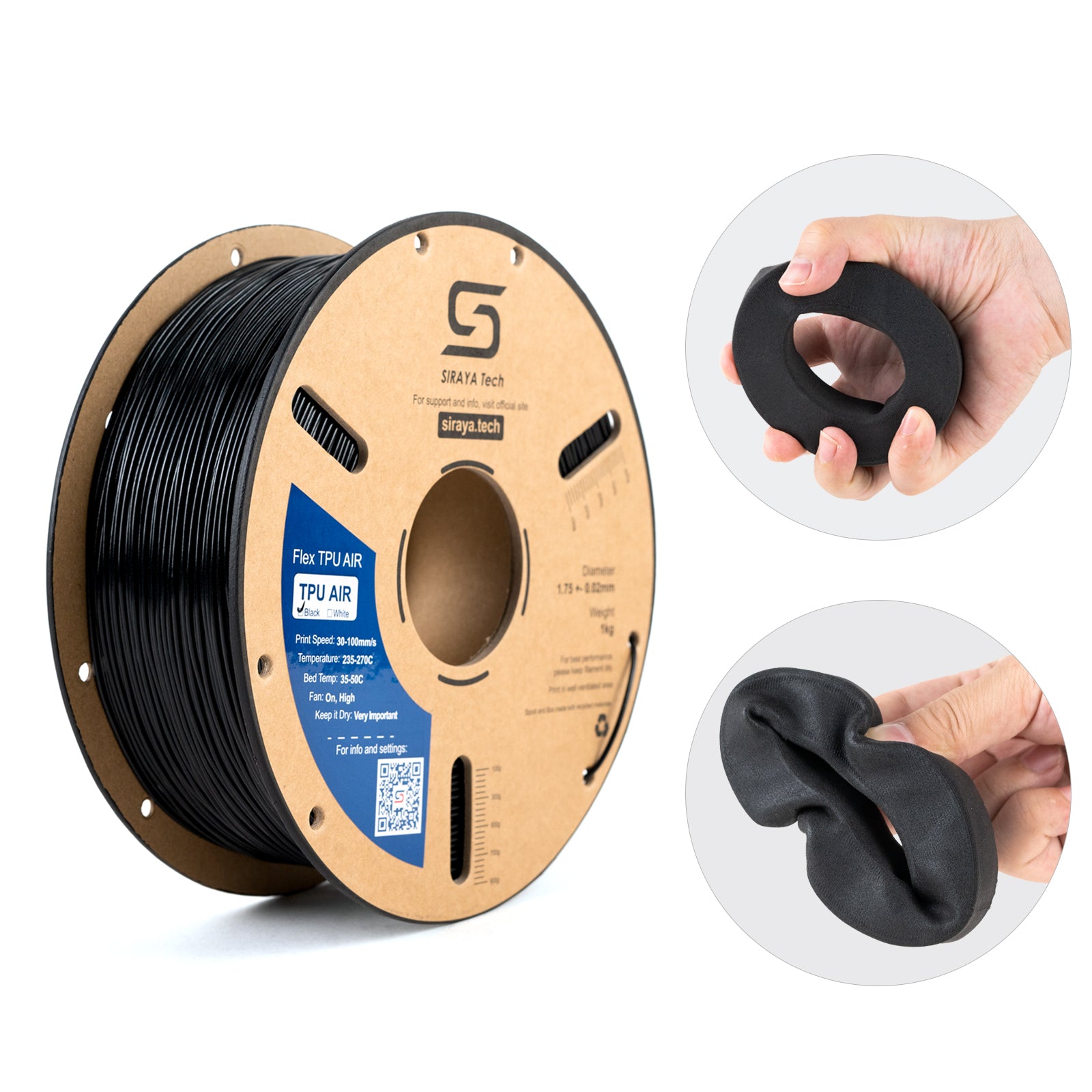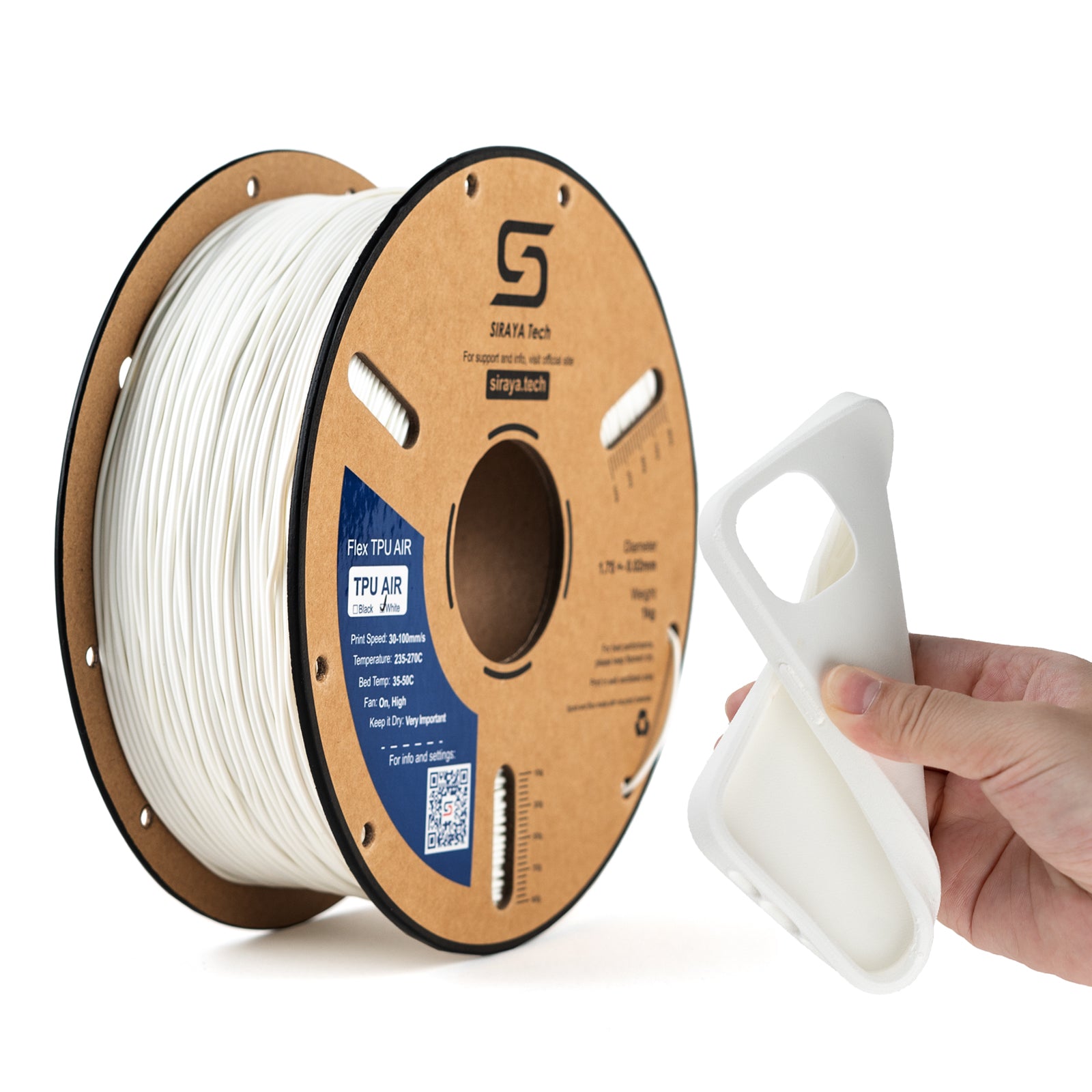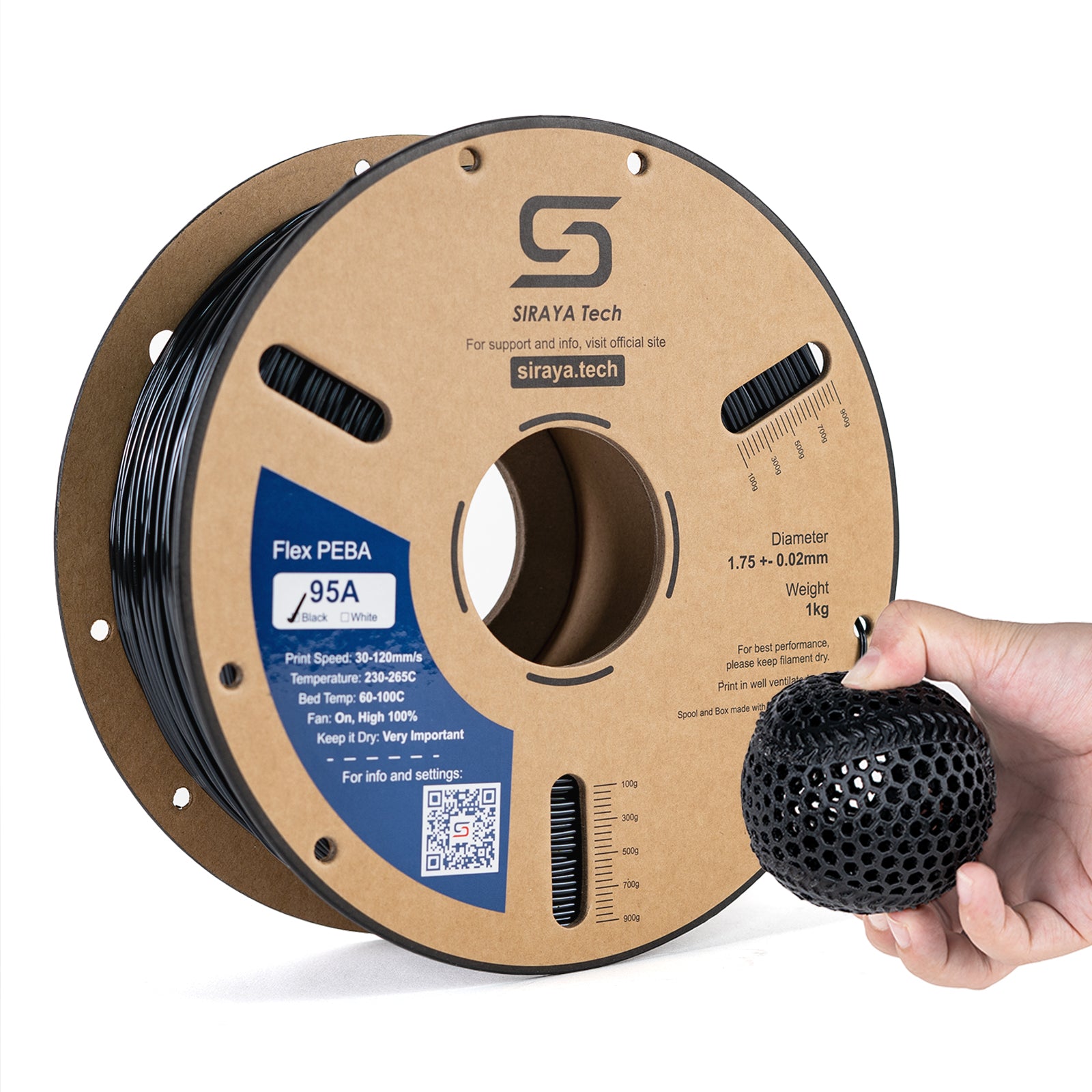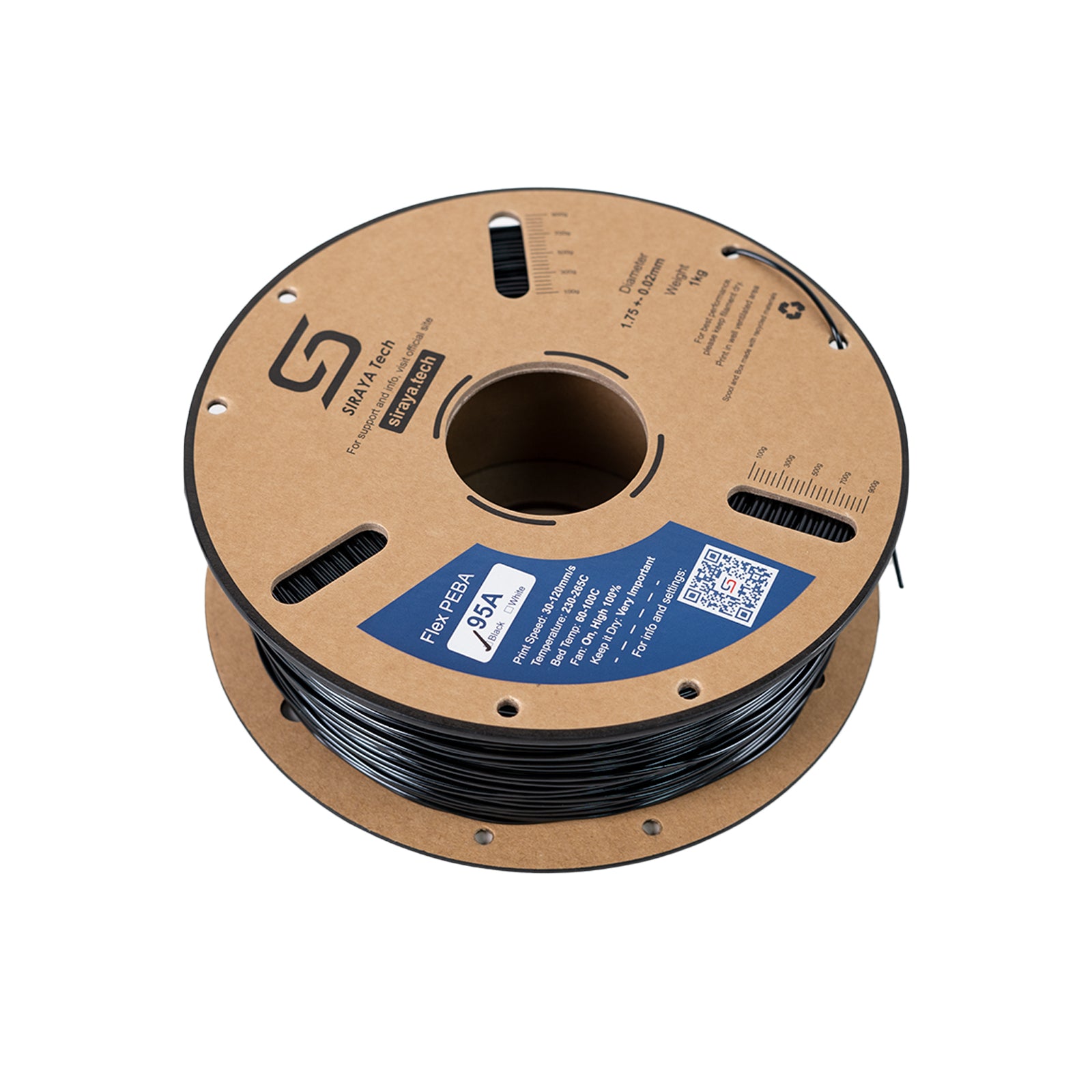
Soft 3D Printer Filament
4 製品
4 製品の1 - 4を表示しています。
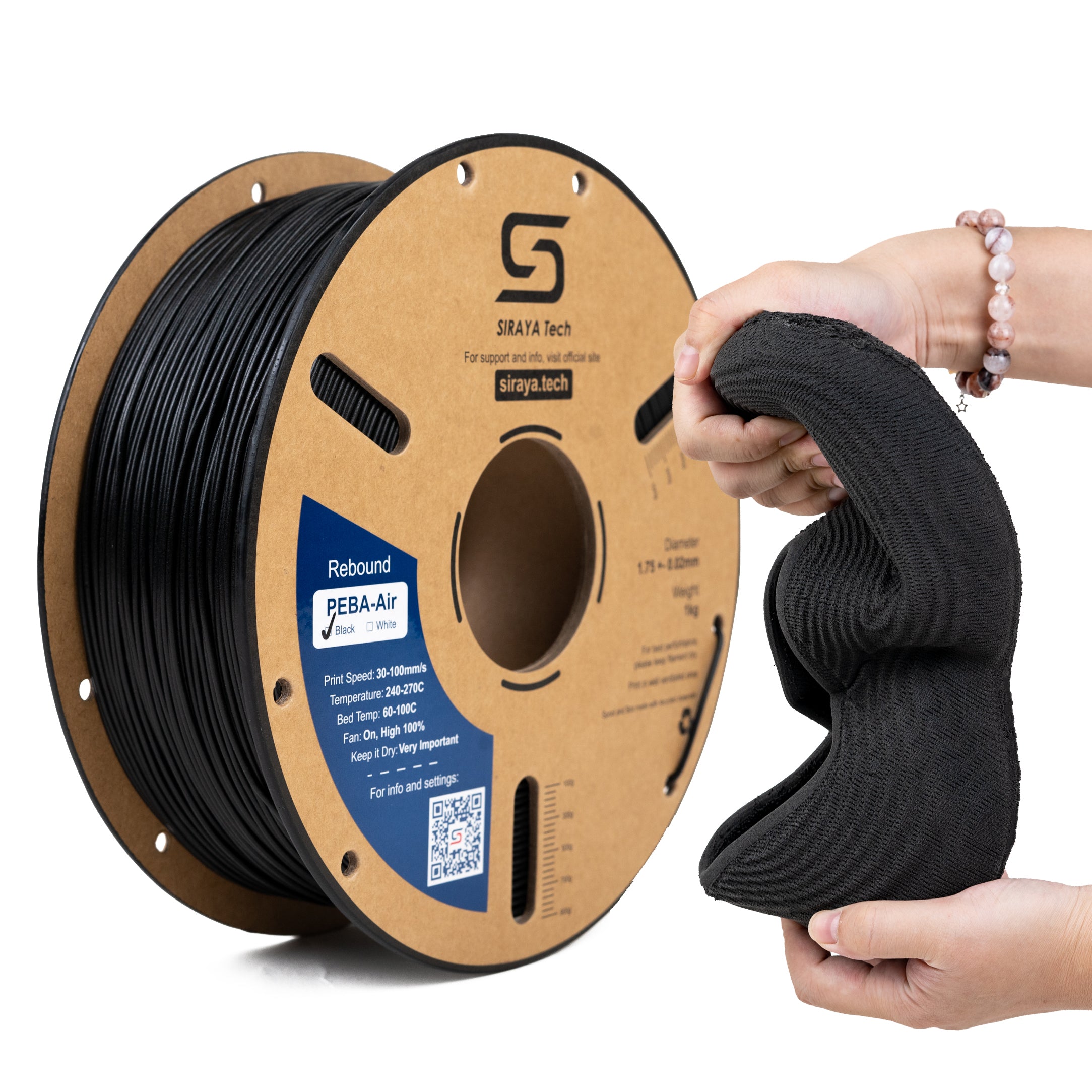
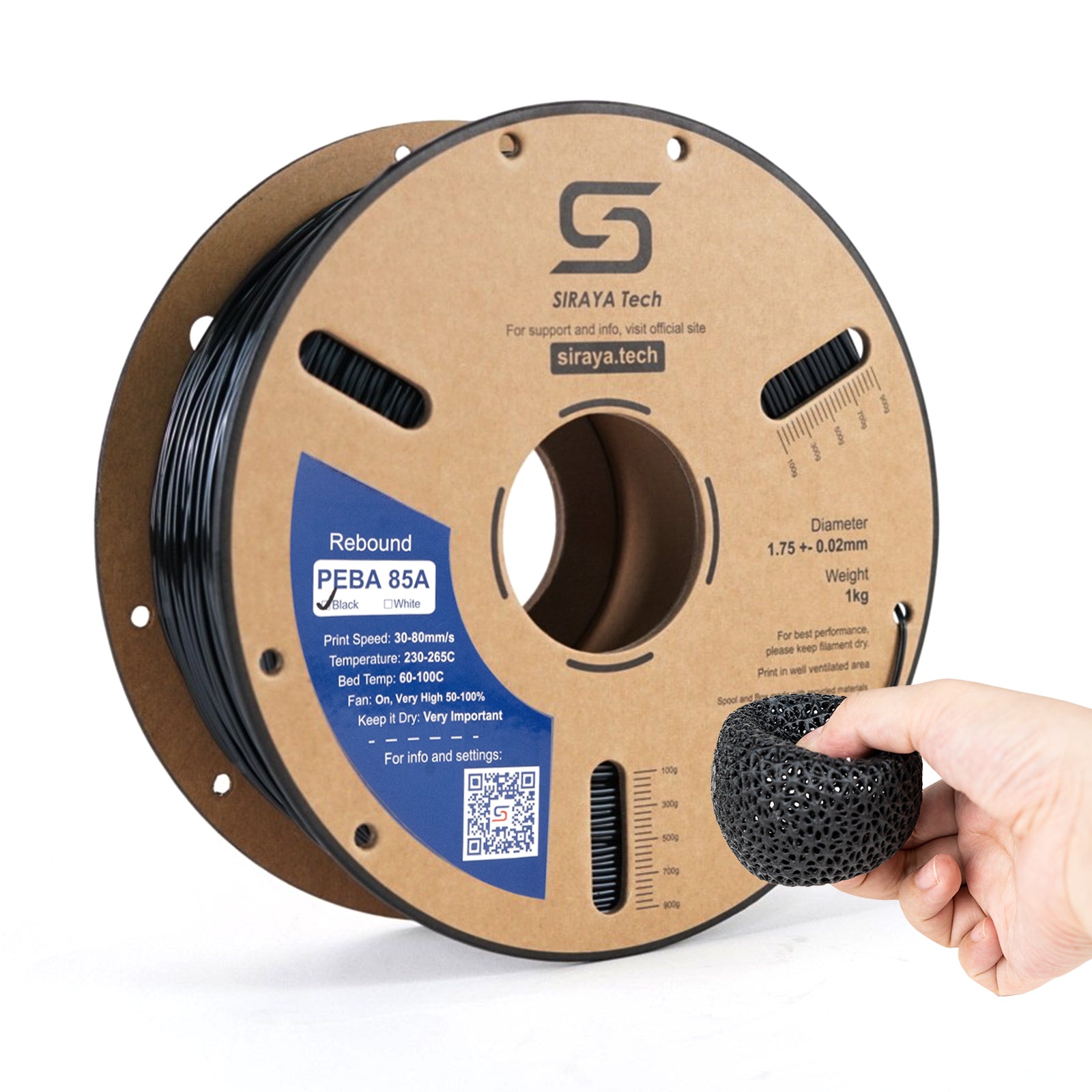
If you want a material that bends, stretches, and still prints cleanly, soft 3D printer filament is one of the best options. It has a flexible feel that makes it great for designs that need movement or cushion.
Makers often use it for wearable parts, grips, and shock-absorbing models. You can find high-quality soft 3d printer filament here at Siraya Tech, and it works well even if you are new to flexible materials.
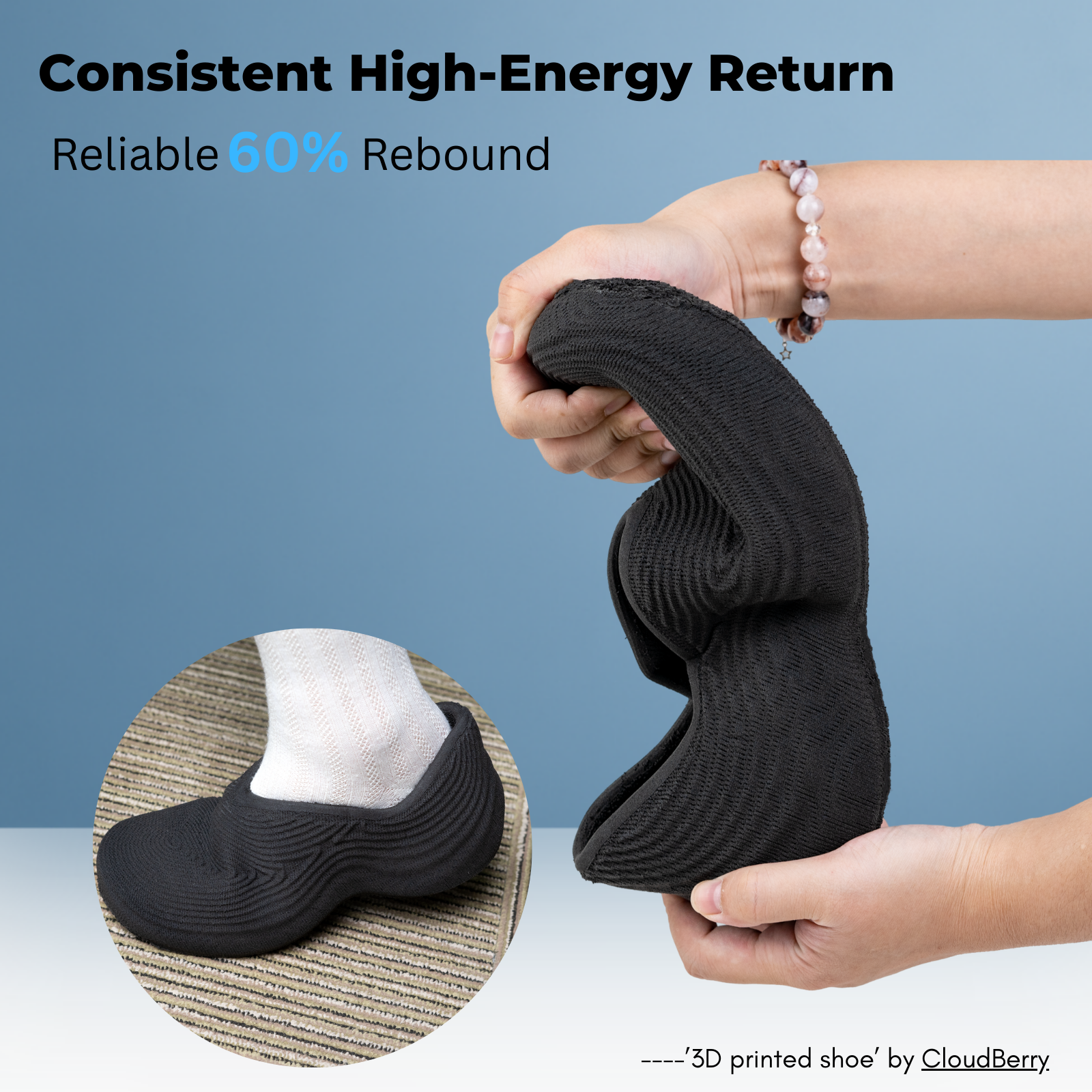
Soft 3d printer filament behaves almost like soft rubber. It moves with pressure and bounces back to its shape. You get durability, comfort, and a smooth printing experience when your settings are tuned right.
This collection helps you pick the best soft material for prints that need flexibility without losing strength.
Soft 3D Printer Filament That Delivers Gentle Flexibility
Soft 3D printer filament is perfect for prints that bend easily. It gives you a cushioned, stretchy feel that works well in the real world. This material is popular because it stays flexible without tearing and fits many different project styles.
What this offers
- Soft stretch for wearable designs
- Strong flexibility for moving parts
- Good grip and cushioning
- Smooth layers that do not crack
Why Soft Flexibility Matters
The softness helps your print absorb impact. It also makes the model safer and more comfortable to touch. This is why many makers choose soft 3d printer filament for ergonomic and gentle designs.
Strong Yet Soft 3D Printer Filament for Long Lasting Prints
Even though it is flexible, soft 3d printer filament is still tough enough for daily use. It can resist tearing, repeated bending, and pressure. This makes it useful for functional parts that need both comfort and stability.
Key benefits
- Tear-resistant material
- Stable shape even with repeated bending
- Strong layer bonding
- Works well in stress-heavy parts
A durable soft material helps your design last longer. Each layer bonds tightly, preventing cracking or thinning over time. This gives your prints both comfort and reliability.
Soft 3D Printer Filament That Prints Smoothly With the Right Settings
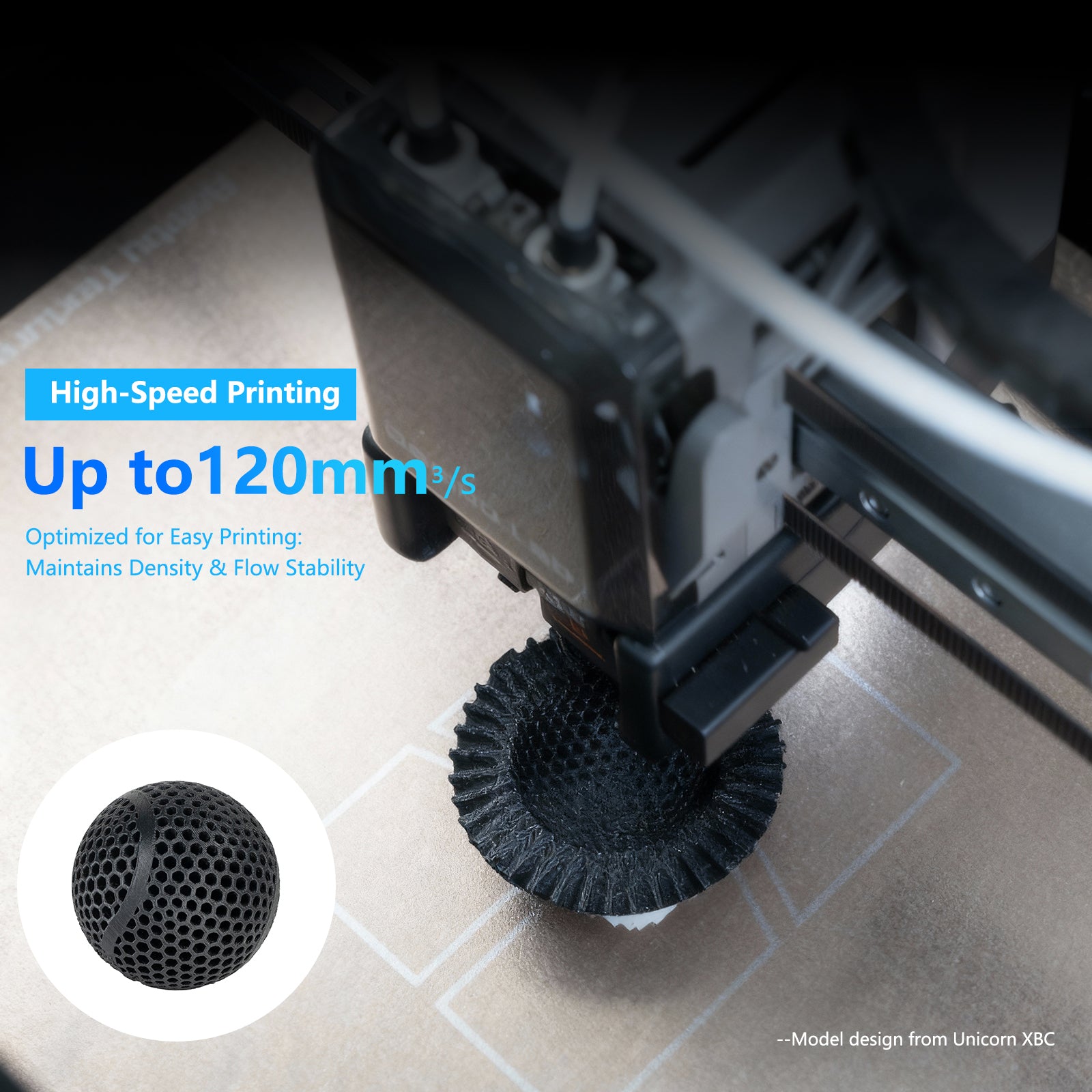
Flexible materials can be tricky, but soft 3d printer filament prints smoother when you tune your speed and cooling. It flows well and settles nicely on the bed, which makes it easier to control compared to ultra-soft filaments.
Printing advantages
- Better adhesion with slow speeds
- Reduced stringing
- Steady extrusion
- Compatible with a wide range of printers
Why Smooth Flow Makes Printing Easier
When the material moves evenly through the nozzle, you get cleaner layers and better shapes. This helps you avoid misprints and gives you a more polished result.
Versatile Soft 3D Printer Filament for Creative Builds
Soft 3D printer filament is suitable for many types of projects. You can make playful models, functional parts, comfortable grips, or flexible hinges. The soft feel makes it helpful in both hobby and practical builds.
Great uses
- Phone grips
- Wearable bands
- Soft hinges
- Protective bumpers
Its stretch and bounce open up more design ideas. You can experiment with shapes that move, bend, or cushion. It gives you freedom to build models with a gentle touch.
More Collections to Explore
- 👉 Filament Collection: Browse all available materials when you want to compare different types.
- 👉 PETG Filament: A dependable choice if you need stronger, heat-resistant alternatives.
- 👉 3D Printer Filament: Helpful when exploring broad material options for new projects.
- 👉 TPU Filament: Perfect for flexible builds that need stretch and durability.
FAQs About Soft 3D Printer Filament
Is soft 3d printer filament easy to print?
Soft filament can be easier to print than very stretchy materials, but it still needs slower speeds and controlled cooling. A direct drive setup helps with smoother extrusion. Once you dial in your settings, it becomes predictable and stable. Many beginners start with this material.
What is the soft 3D printer filament called?
The softest 3D printer filament is usually called TPU or TPE. These materials are flexible, stretchy, and feel more like rubber than plastic. They are great for prints that need bend or shock absorption, such as phone cases, grips, and gaskets. Their softness depends on the shore hardness rating, which helps you know how flexible each type is.
Is TPE or TPU softer?
TPE is generally softer than TPU. TPE bends and stretches more easily, which makes it feel closer to real rubber. TPU is still flexible, but it has more strength and resists tearing better than most TPE blends. If you want the softest and most stretchy material, TPE is the better choice.
Is PLA or PETG smoother?
PLA is usually smoother and shinier right off the printer. It melts at a lower temperature and flows evenly, which helps create clean layers with fewer visible lines. PETG is smooth too, but it can leave thin strings or tiny blobs if the printer settings are not tuned well. For prints that need a clean, polished look without much sanding, PLA often gives better results.