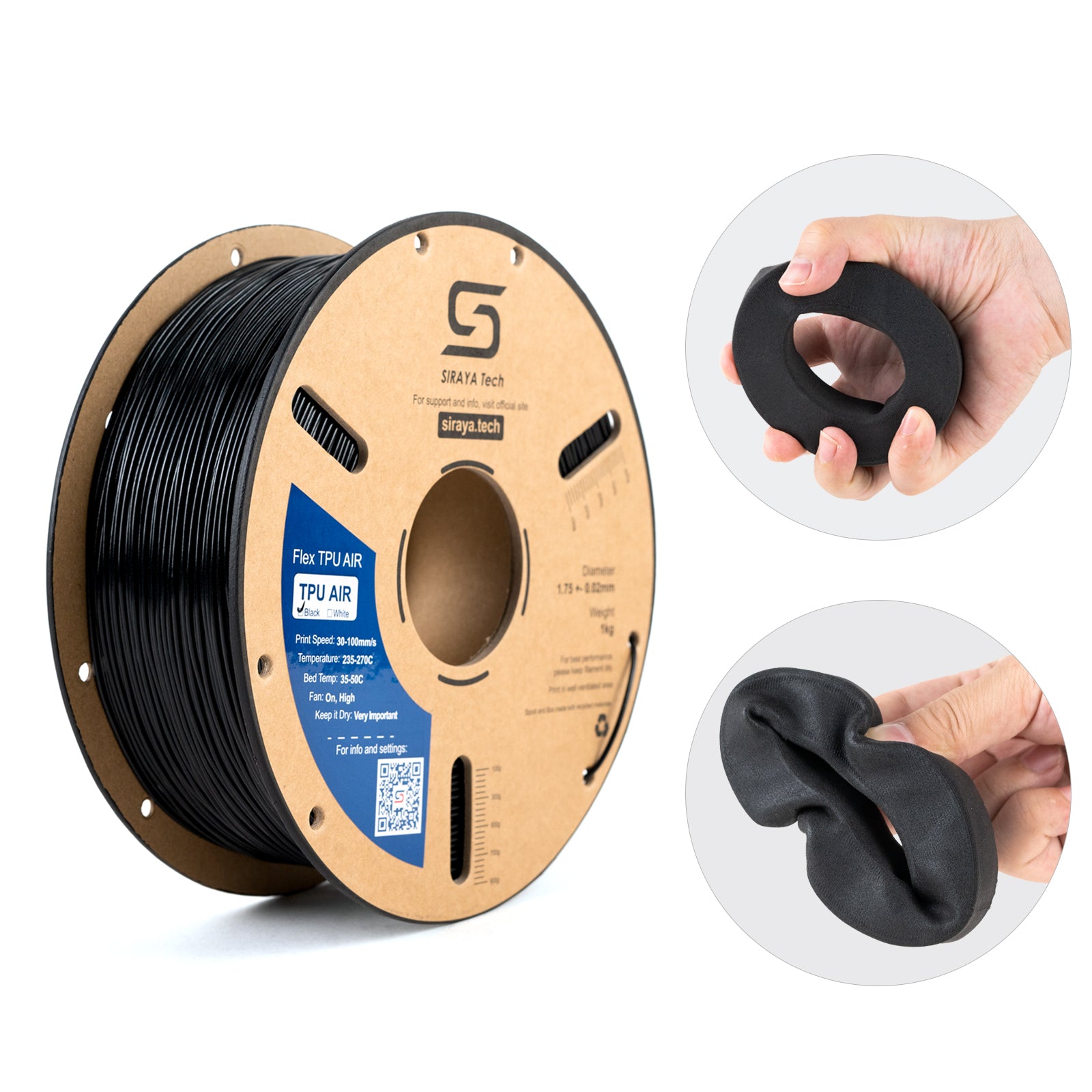
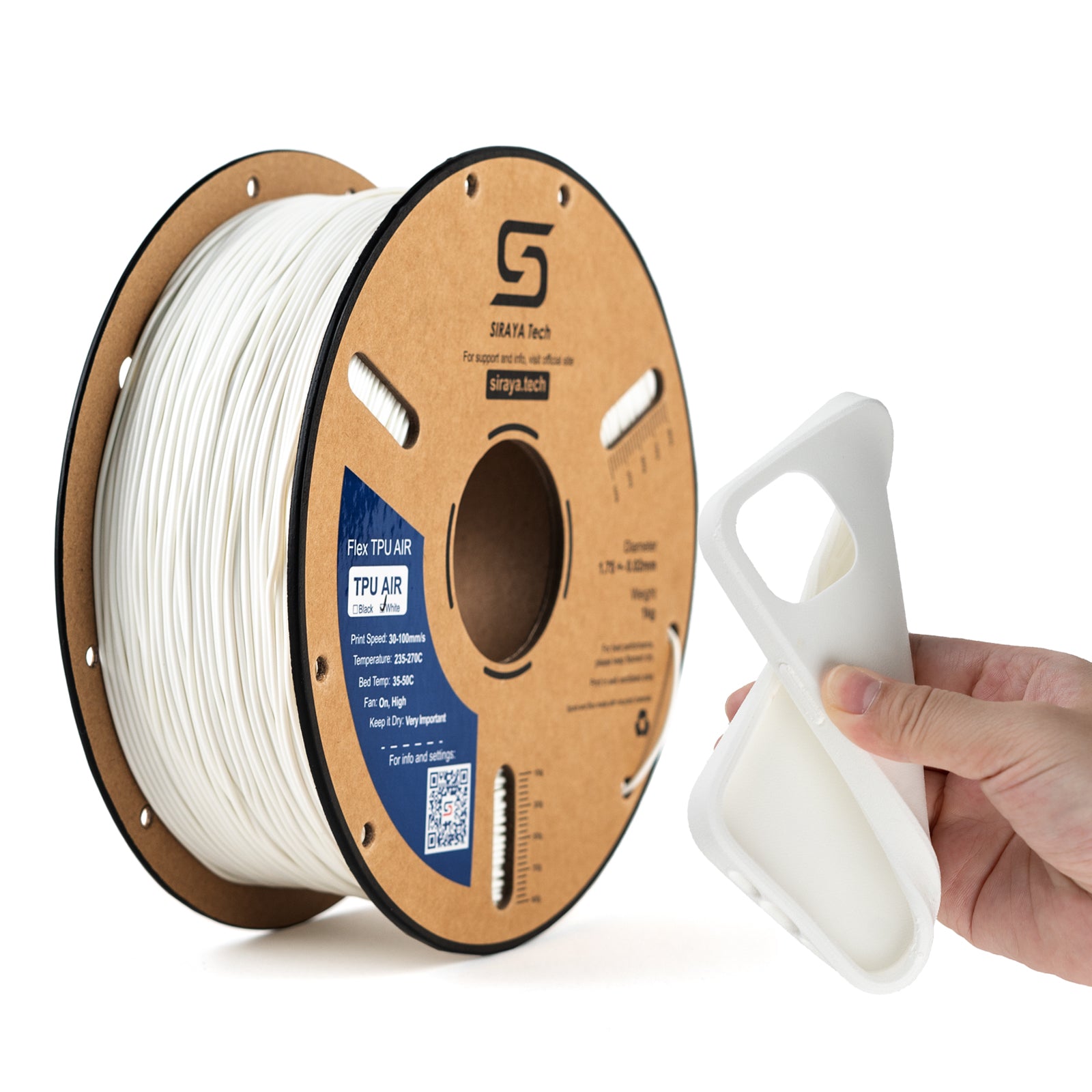
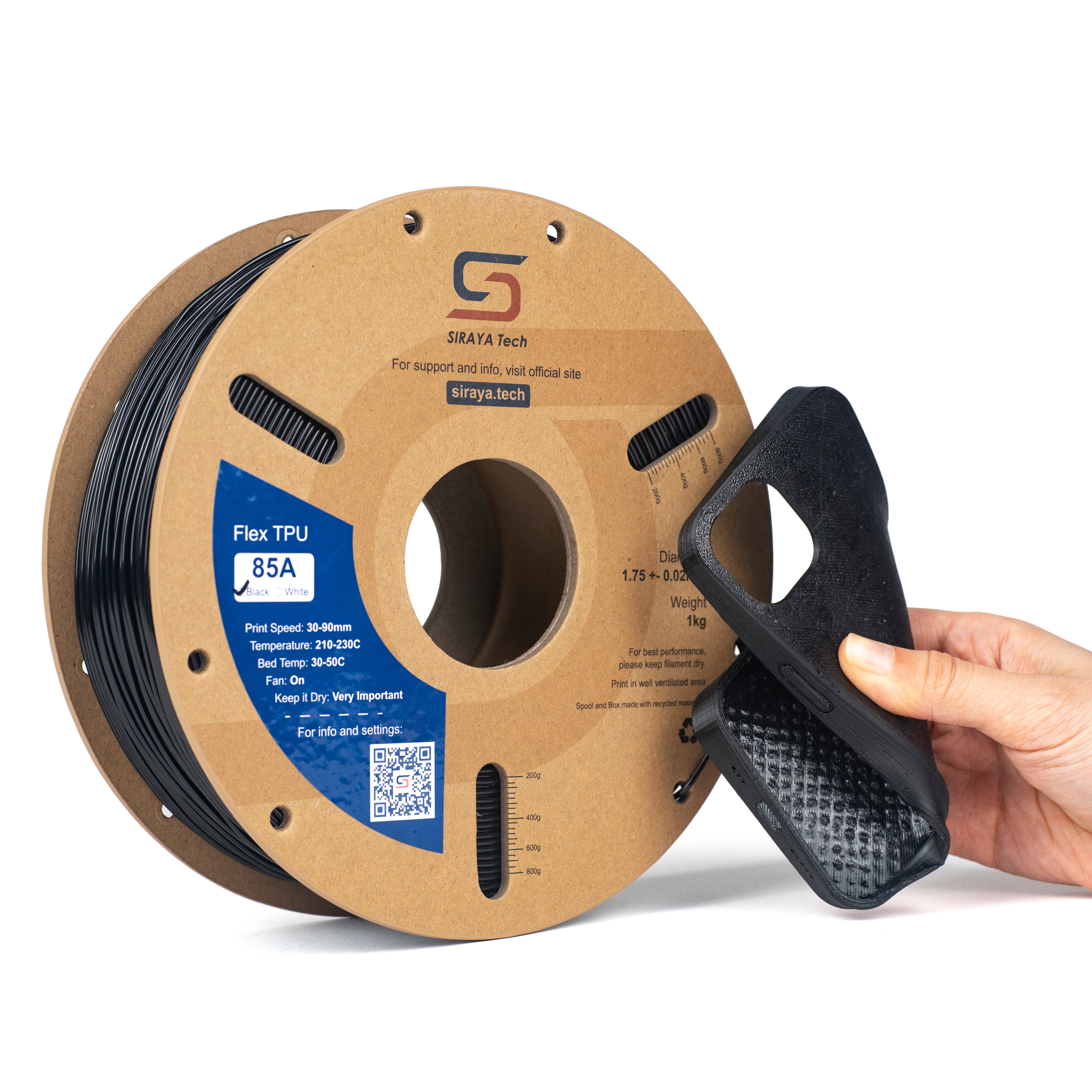
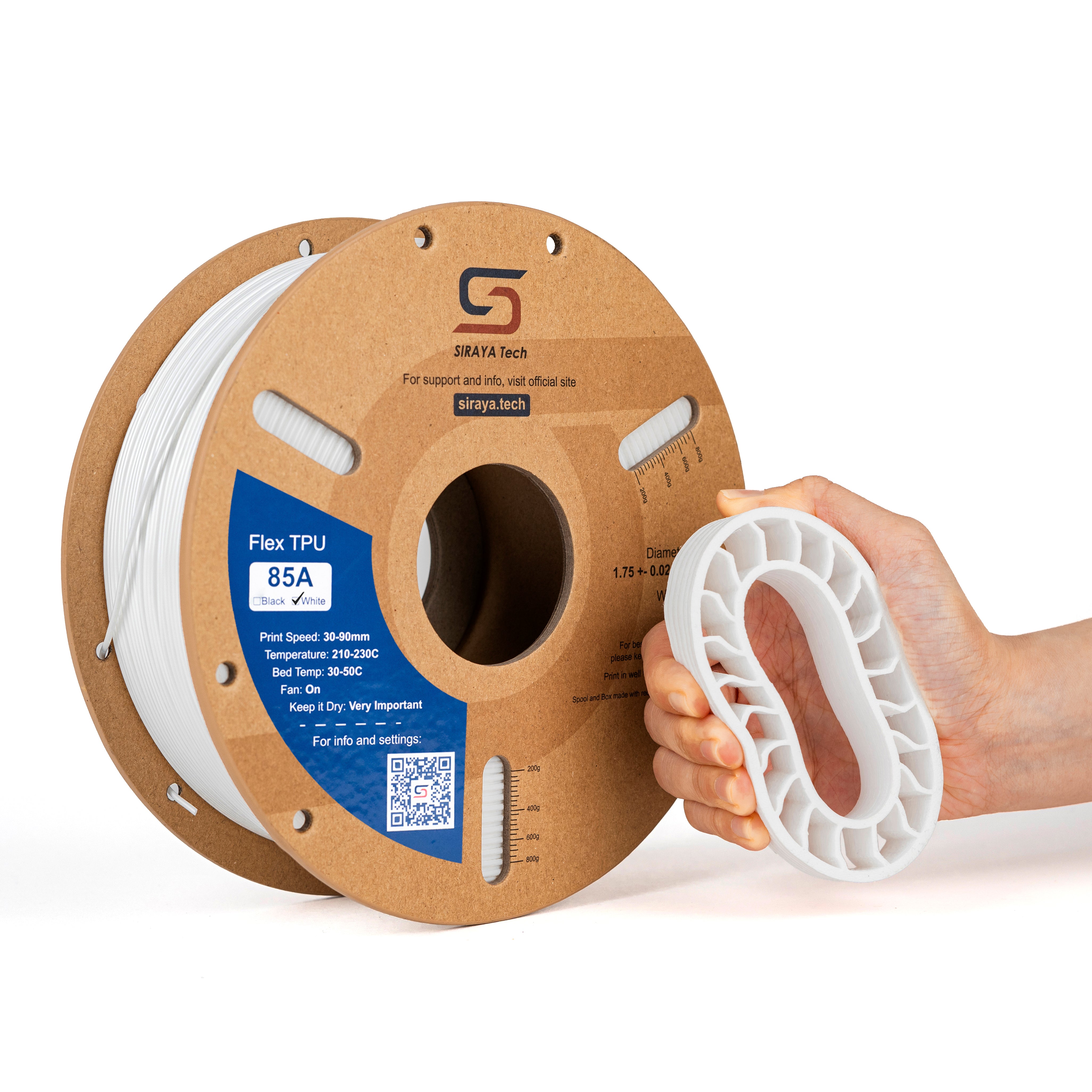
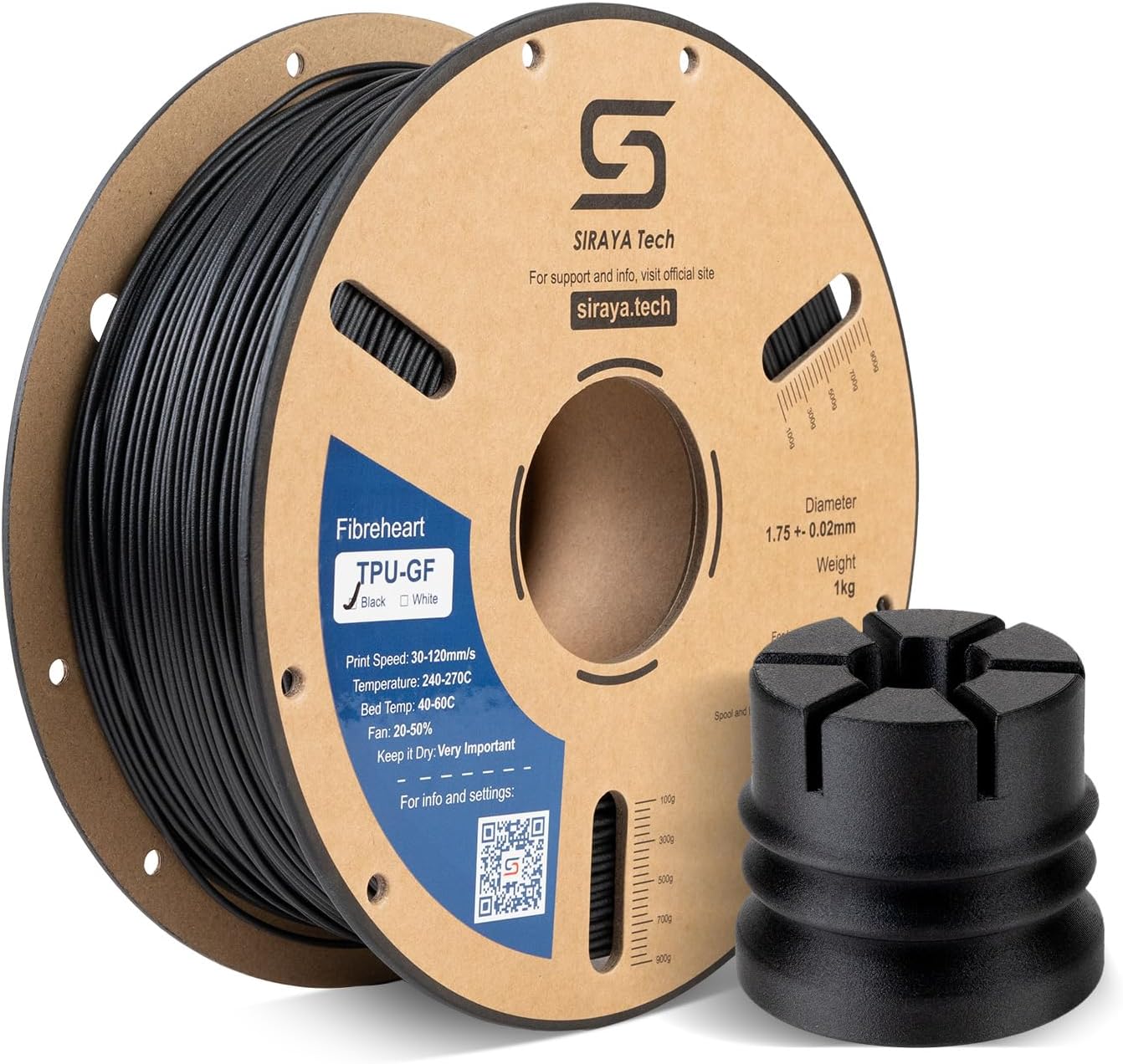
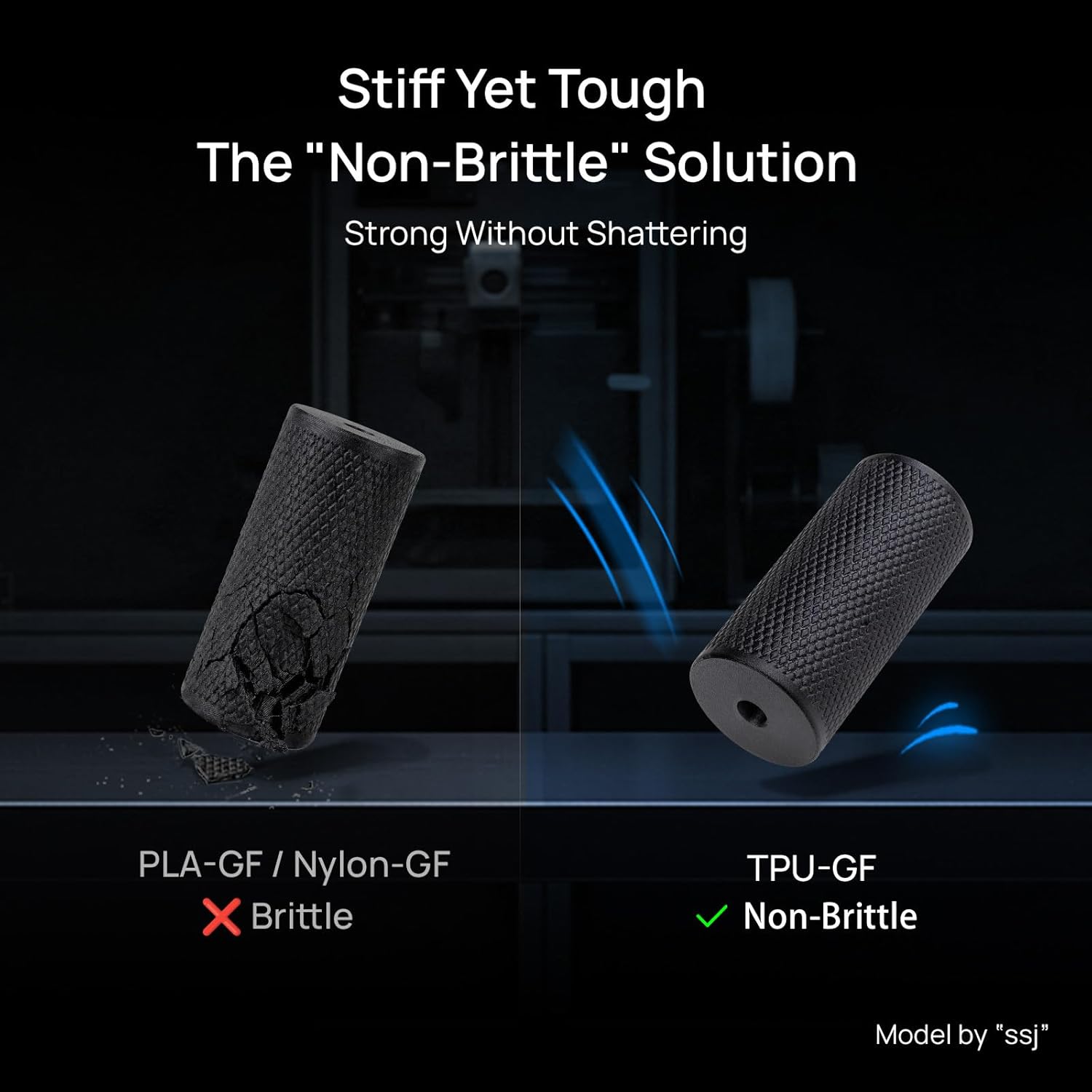
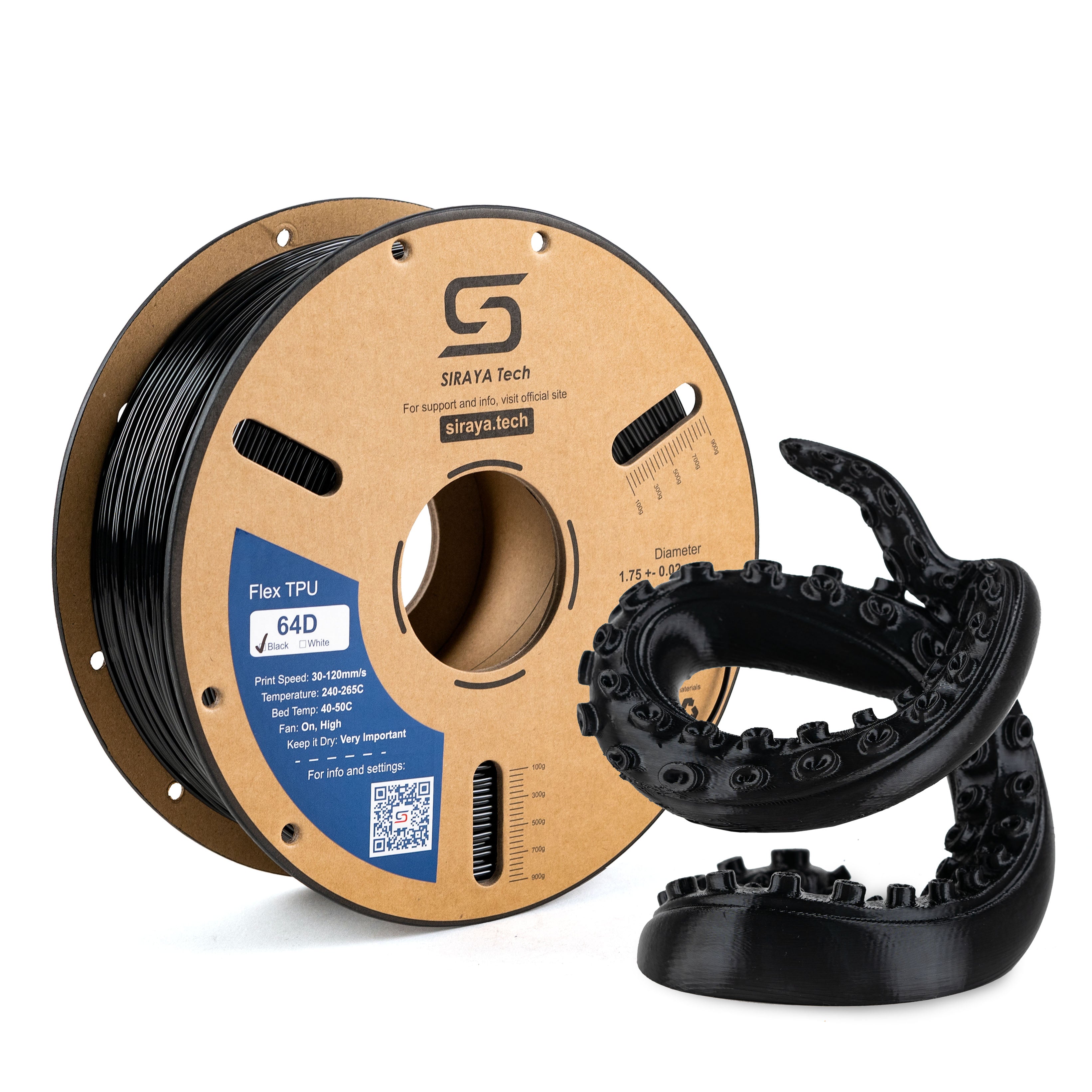
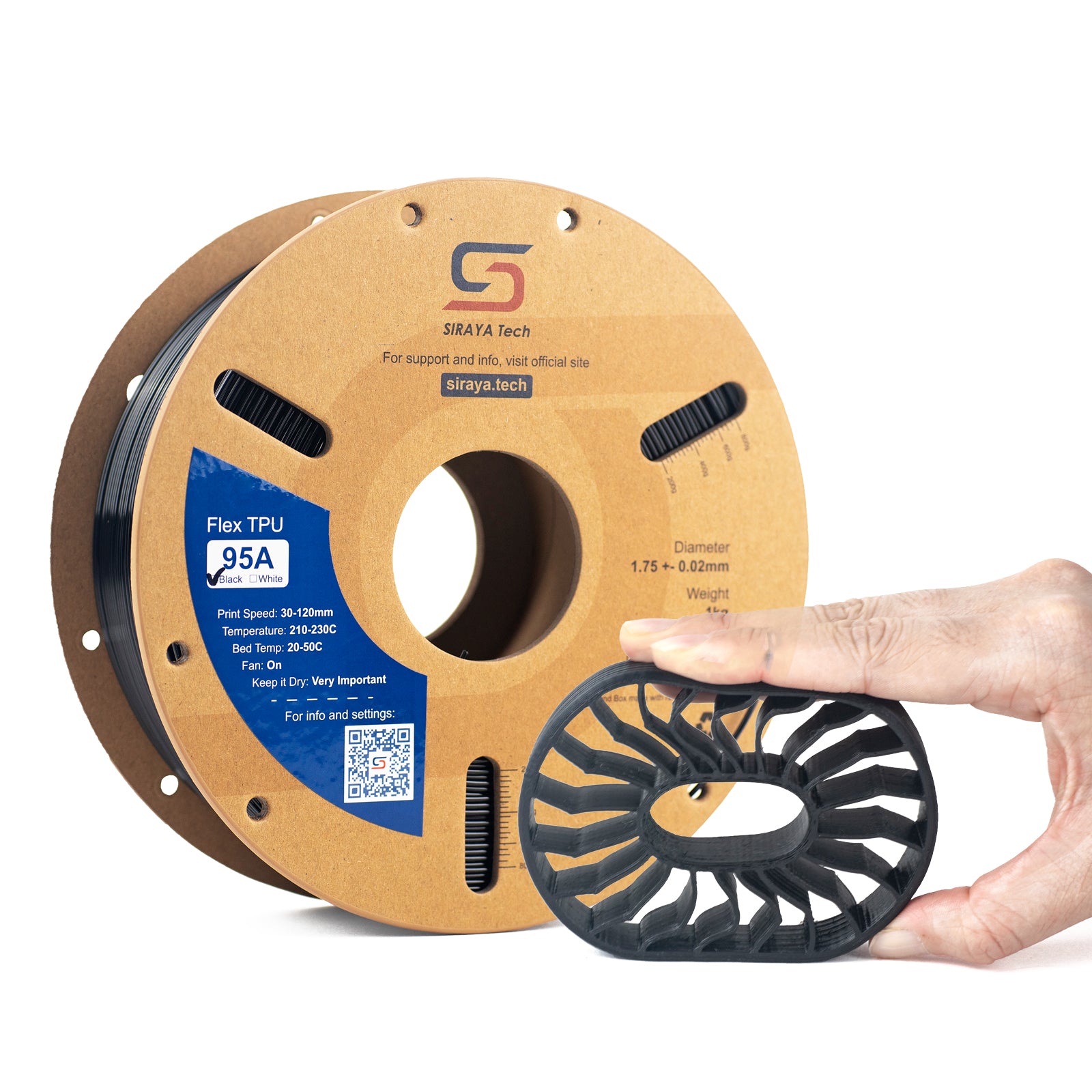
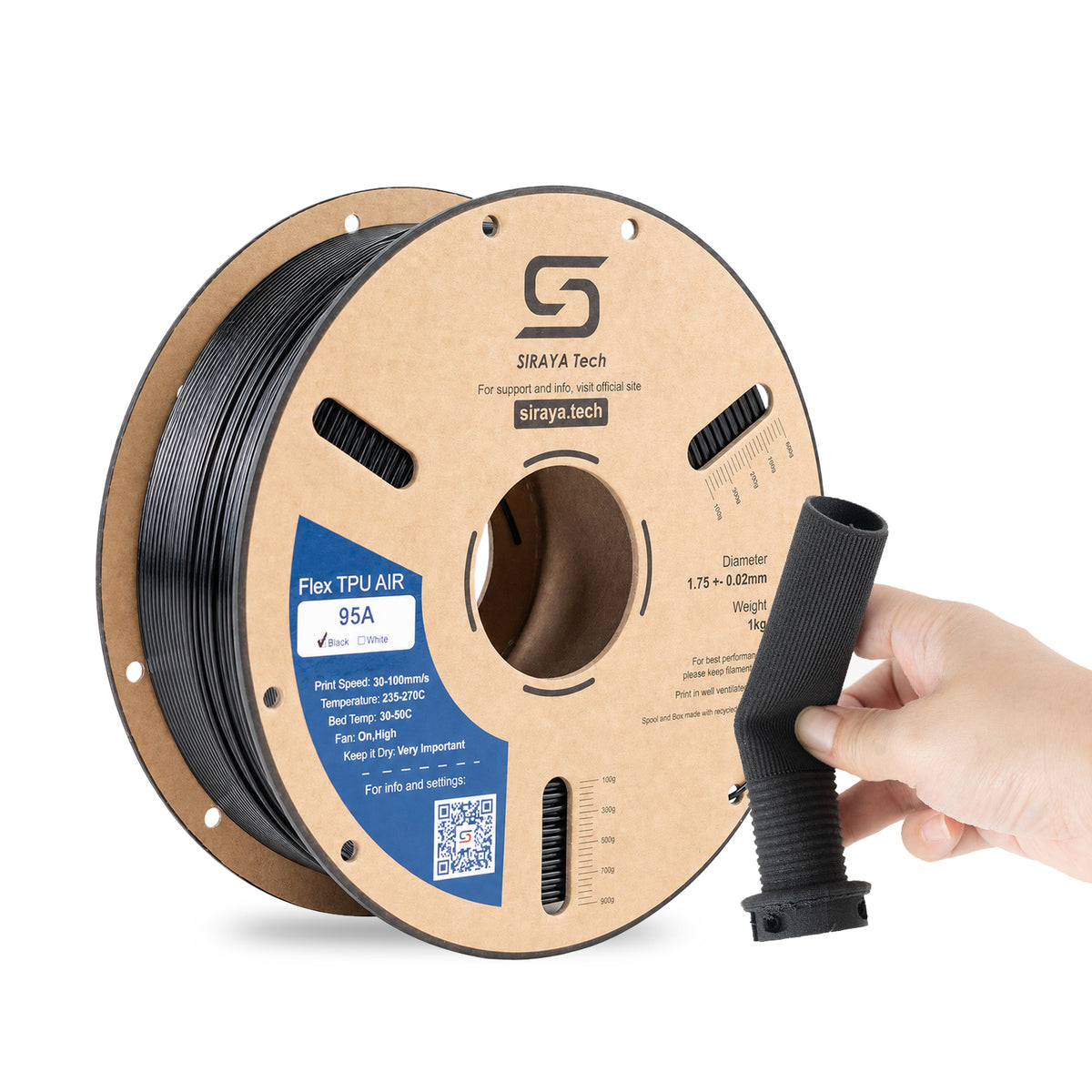
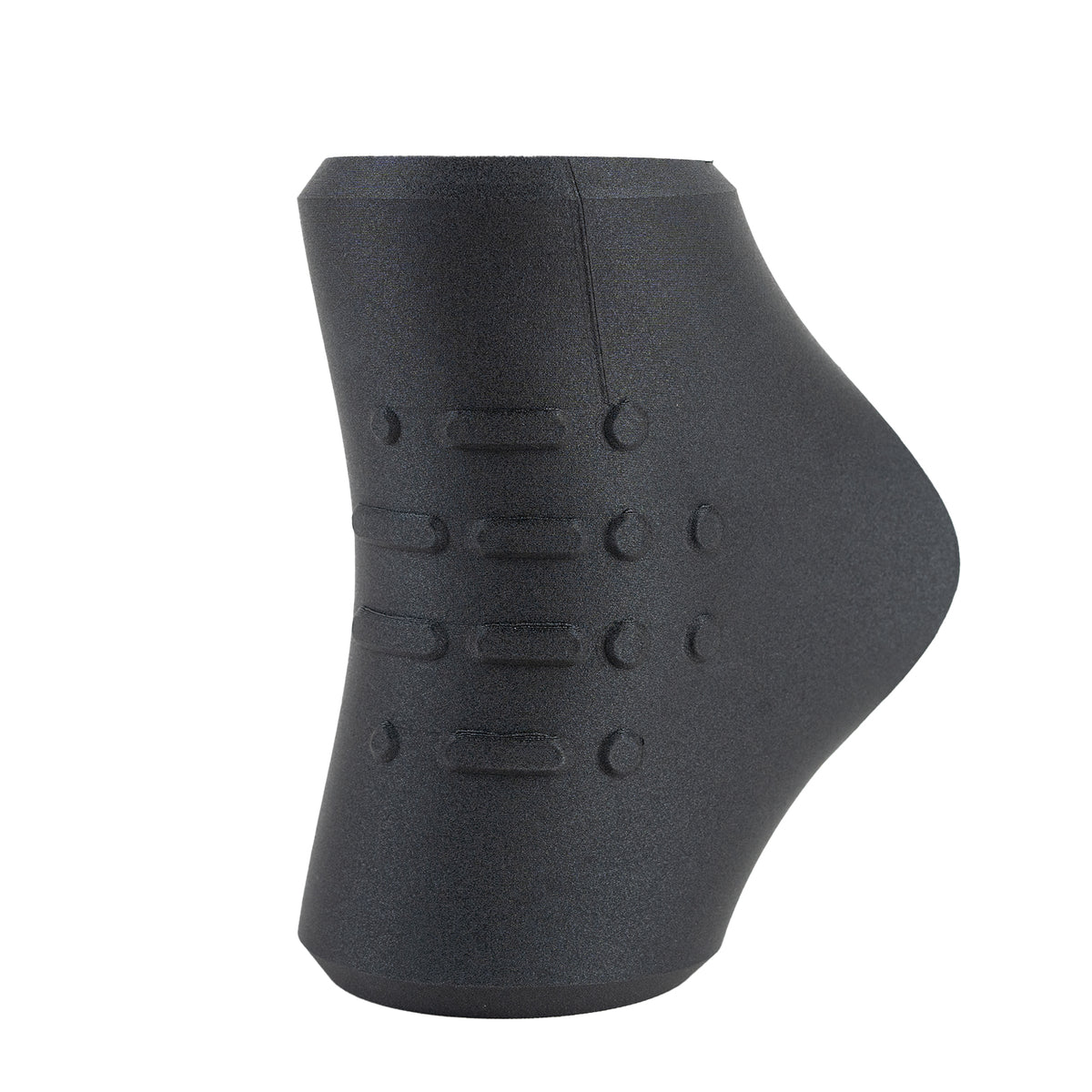
Thermoplastic polyurethane filament brings rubber-like flexibility to your 3D printer, letting you create parts that bend, stretch, and bounce back without breaking. At Siraya Tech, our TPU collection is engineered for makers who need more than rigid plastics can offer—phone cases that actually protect, gaskets that seal properly, and wearables that move with you. With improved flow characteristics and consistent quality, these materials deliver the flexibility you need without the printing frustrations.
Thermoplastic Polyurethane Filament Engineered for Reliable Flexibility
When your project needs to bend without breaking, thermoplastic polyurethane filament provides the perfect balance of elasticity and printability that actually works.
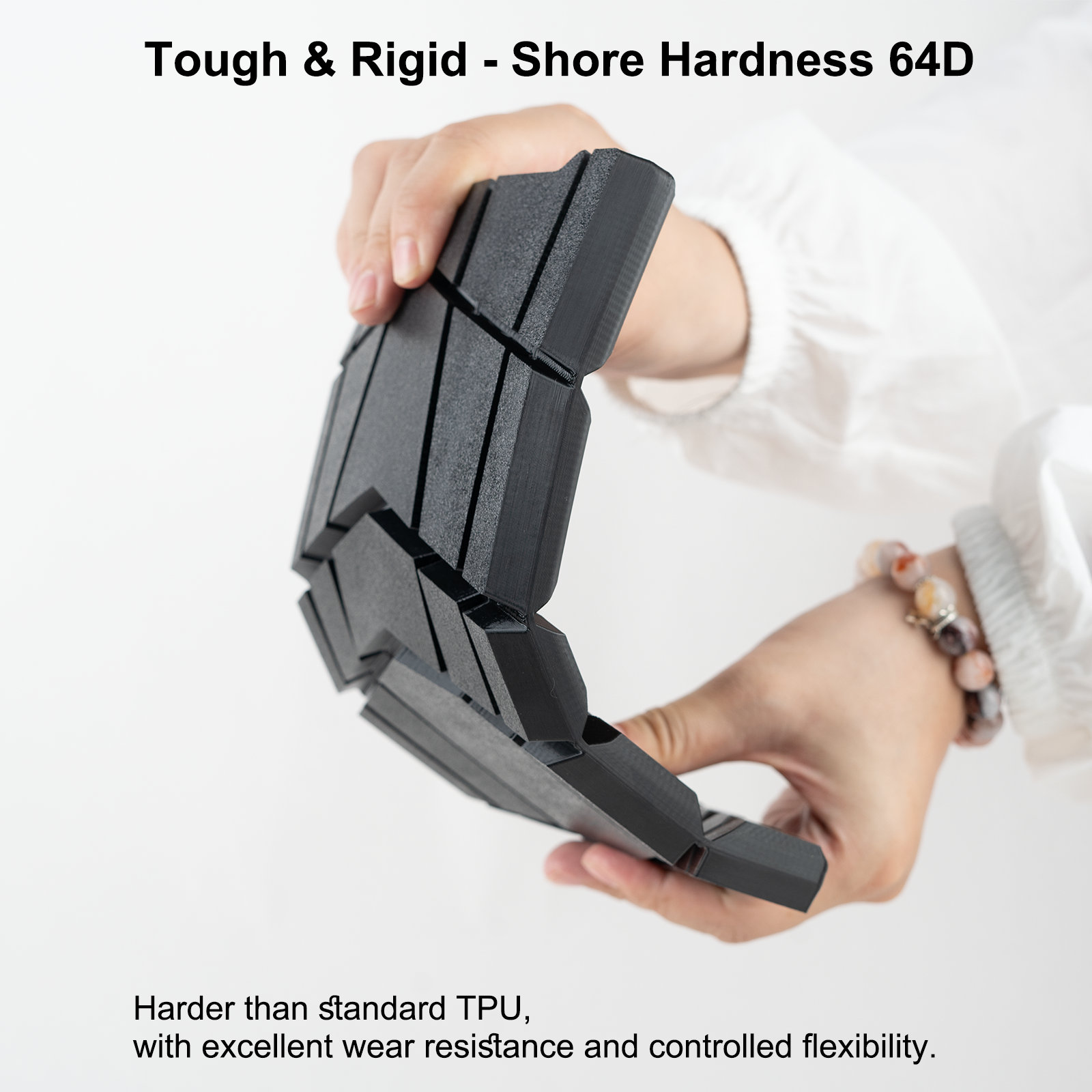
Shore hardness options from 85A to 95A for varying flexibility levels
Excellent elasticity returns to original shape after stretching
Superior tear resistance prevents splitting during use
Optimized flow properties reduce jamming and under-extrusion
Outstanding Durability for Real-World Applications
TPU filament isn't just flexible—it's built to handle repeated stress and daily use without losing its properties or breaking down over time.
High abrasion resistance for long-lasting performance
Chemical resistance to oils, solvents, and cleaning products
Temperature stability from -40°C to 80°C for indoor and outdoor use
UV-resistant formulations prevent degradation from sunlight
Maintains flexibility through thousands of flex cycles
Explore our specialized TPE filament collection for alternative elastomer options with unique properties.
Smooth Printing Performance Without the Usual Headaches
Advanced flexible materials shouldn't require advanced degrees to print. Our thermoplastic polyurethane filament is formulated to work reliably with proper setup.
Reduced stringing and oozing for cleaner finished parts
Compatible with both direct drive and optimized Bowden systems
Good layer adhesion creates strong, unified flexible parts
Minimal warping and dimensional changes during cooling
Works with standard print surfaces and adhesion methods
Perfect for Functional Parts That Need to Move
Thermoplastic polyurethane filament excels in applications where rigid materials fail, creating parts that actually perform their intended function.
Phone cases and device protection with shock absorption
Automotive gaskets, seals, and vibration dampening components
Medical devices, prosthetics, and assistive equipment
Toys, fidgets, and educational models with moving parts
Industrial applications requiring flexible joints and connections
For comprehensive material options across all applications, browse our full 3D printer filament range.
Why Siraya Tech Thermoplastic Polyurethane Filament Stands Out
Our TPU materials are engineered for both performance and printability, so you get professional results without professional complexity.
Quality control ensures consistent properties across every spool
Moisture-resistant packaging prevents degradation before use
Clear printing guidelines and recommended settings included
Technical support for troubleshooting and optimization
Suitable for both hobby projects and commercial prototyping
For rigid applications requiring clarity and chemical resistance, check out our PETG filament collection.
Versatile Applications Across Industries
From consumer products to industrial components, thermoplastic polyurethane filament enables designs that were previously impossible with traditional manufacturing.
Wearable technology cases and bands that flex with movement
Sporting goods requiring impact absorption and flexibility
Art and design projects requiring unique tactile properties
Replacement parts for items originally made from rubber or silicone
FAQs About Thermoplastic Polyurethane Filament
What is TPU filament good for?
TPU filament excels at creating flexible, rubber-like parts including phone cases, gaskets, toys, and wearables. It's perfect for applications requiring shock absorption, sealing properties, or repeated flexing. The material combines durability with elasticity, making it ideal for functional parts that need to bend without breaking.
What is Thermoplastic Polyurethane used for?
Thermoplastic polyurethane is used across many industries for flexible components like automotive seals, medical devices, footwear soles, and protective cases. In 3D printing, it enables creation of gaskets, phone accessories, prosthetics, toys, and any application requiring rubber-like properties with the convenience of thermoplastic processing.
Is TPU hard or flexible?
TPU is flexible, ranging from semi-rigid to very soft depending on its shore hardness rating. Most 3D printing TPU falls between 85A-95A shore hardness, providing rubber-like flexibility while maintaining enough structure for reliable printing. Lower numbers indicate greater flexibility and softer feel.
Is TPU better than PLA?
TPU and PLA serve different purposes—TPU is flexible while PLA is rigid. TPU is better for applications requiring elasticity, impact absorption, or repeated flexing. PLA is easier to print and better for decorative items or rigid functional parts. Choose based on whether you need flexibility or structural rigidity.