
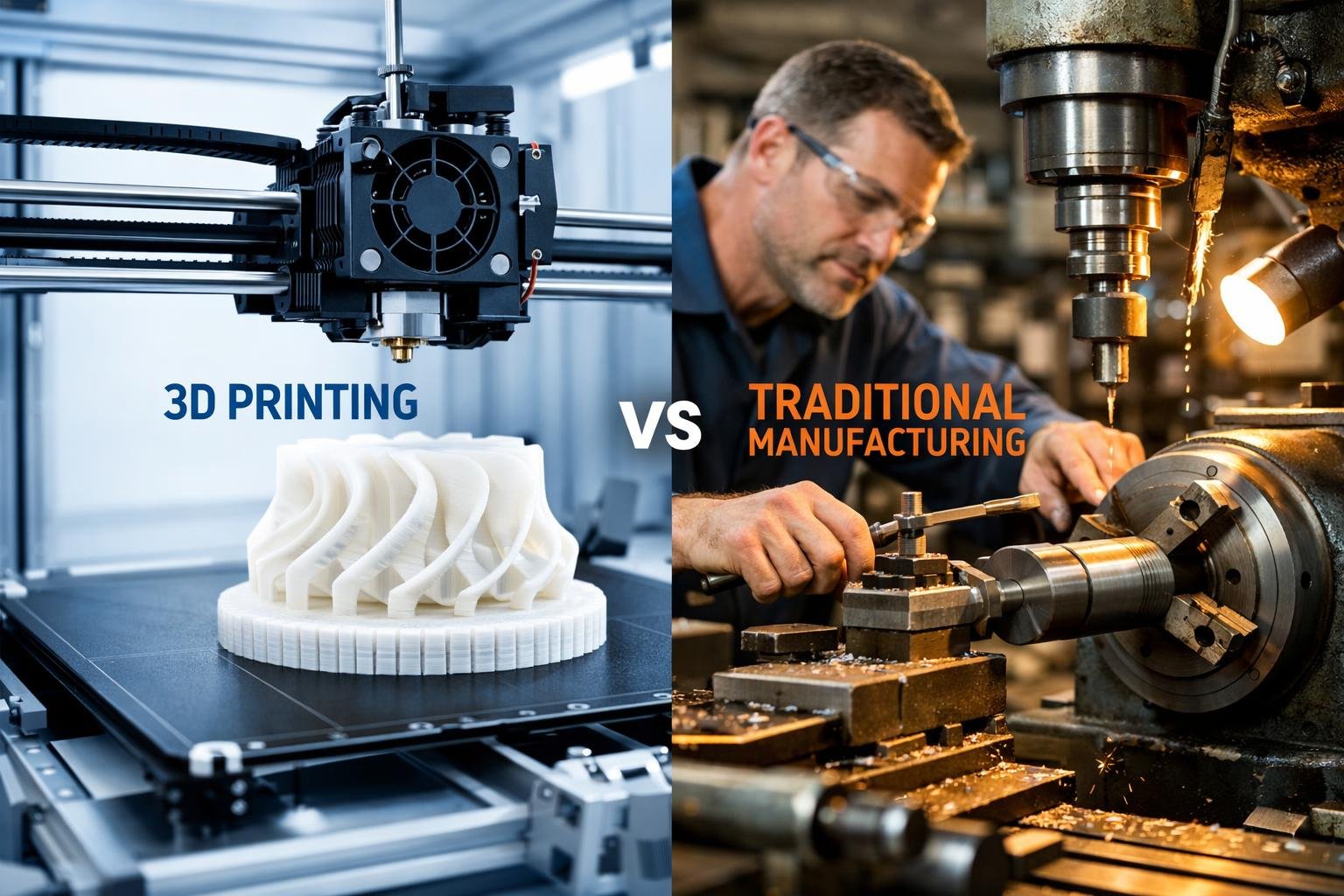
Manufacturing is how ideas turn into real products you can touch and use. From toys and tools to airplane parts, everything is made using a production method.
Two of the most common approaches today are 3D printing and traditional manufacturing. Each one has clear strengths and limits depending on what you are trying to make.
If you are comparing 3D printing vs traditional manufacturing, understanding the differences will help you make a smart decision.
Key Takeaways
- 3D printing builds parts layer by layer, while traditional manufacturing shapes or removes material
- 3D printing works best for prototypes, custom parts, and low volume production
- Traditional manufacturing is more cost effective for mass production
- Complex designs are easier to create with 3D printing
- Material choice and production quantity greatly affect cost and strength
Understanding 3D Printing vs Traditional Manufacturing
3D printing and traditional manufacturing use different methods to create products. The biggest difference is how material is handled during production.
3D printing adds material layer by layer from a digital file. Traditional manufacturing shapes material by cutting, molding, or forming it into the final product.
What Is 3D Printing?
3D printing, also called additive manufacturing, creates objects from a digital 3D model. The printer reads the file and builds the object one thin layer at a time.
Common 3D printing technologies include:
- FDM, which melts filament and extrudes it
- SLA, which cures liquid resin with light
- SLS, which fuses powder using a laser
- Metal 3D printing for industrial applications
Typical 3D printing materials:
- PLA, ABS, PETG, Nylon
- Carbon fiber and glass fiber reinforced filaments
- Engineering resins
- Flexible materials
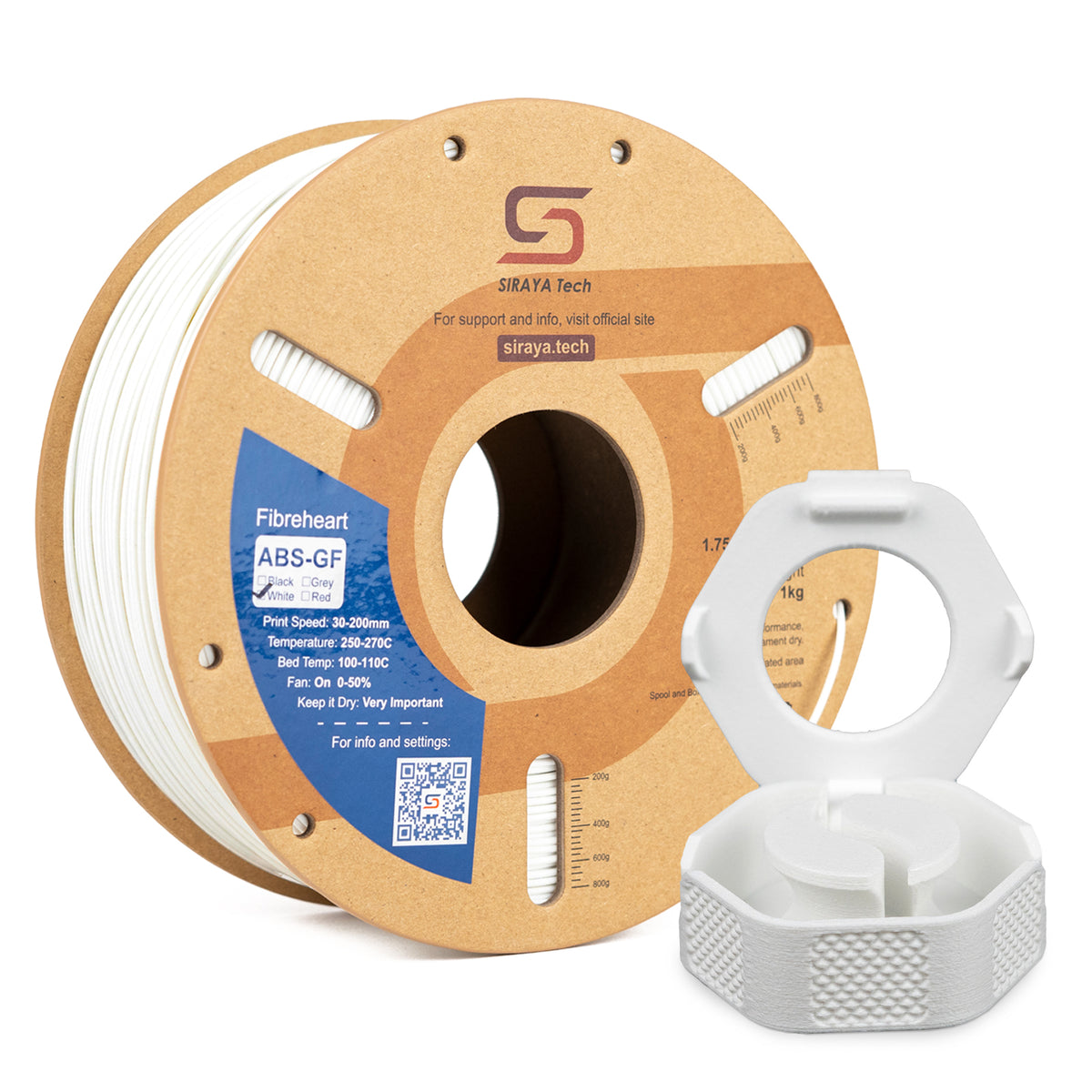
For stronger or specialty prints, advanced materials are important. Siraya offers high quality 3D filaments including carbon fiber and glass fiber blends that improve stiffness and reduce warping. For example, carbon fiber PETG provides similar properties to standard PETG but adds a matte finish and greater hardness. Options like ABS-GF, ABS-CF, ABS-CF Core, and ASA-GF are useful when extra durability is required.
In resin printing, Siraya provides durable resin, Tenacious resin for impact resistance, and castable resin for jewelry and detailed molds. Platinum silicone crafting materials are also helpful when creating molds from 3D printed masters.
Siraya 3D Filaments and Resin You May Shop
Explore More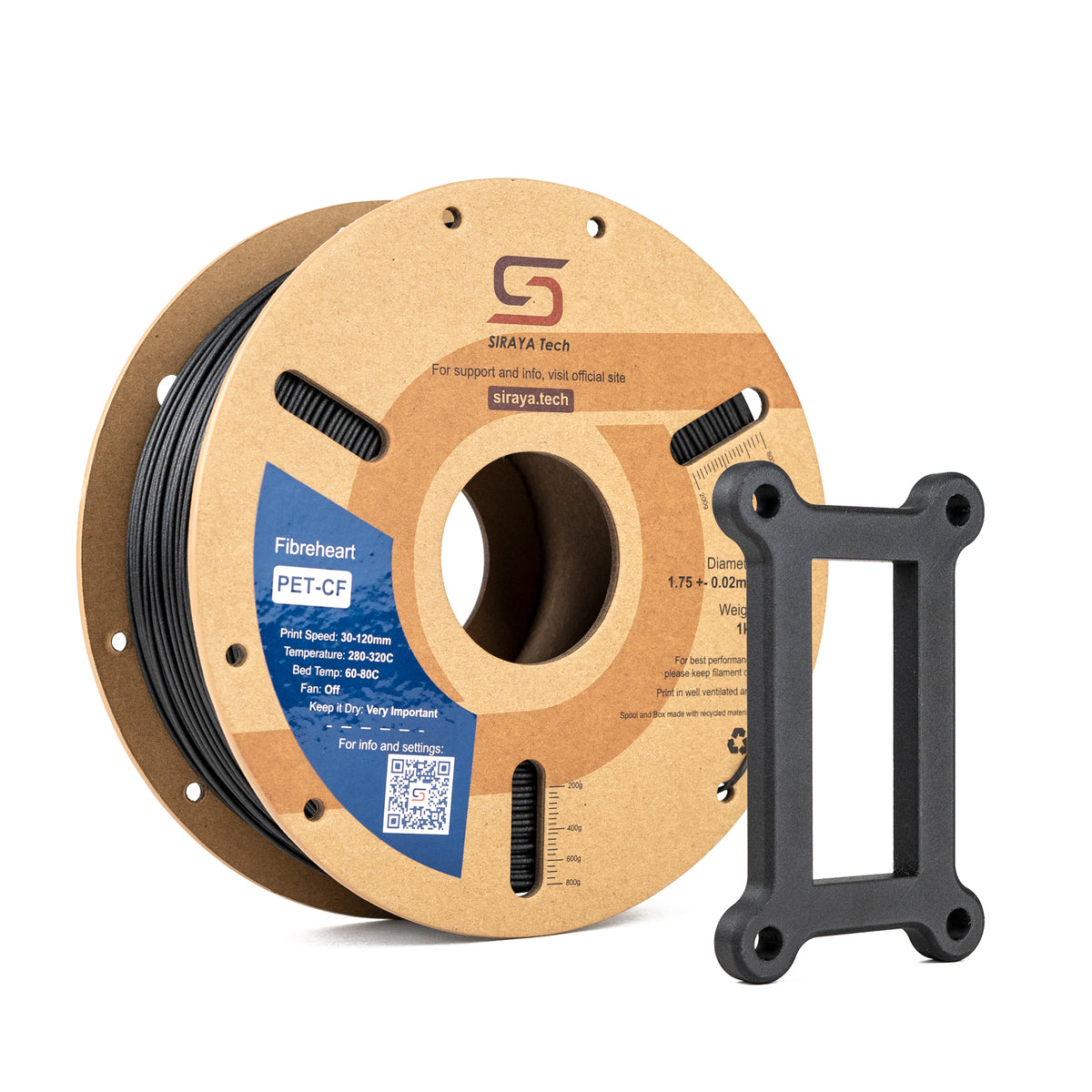

What Is Traditional Manufacturing?
Traditional manufacturing includes long established production methods. These methods shape raw materials into finished products using molds, tools, or cutting machines.
Common examples:
- Injection molding
- CNC machining
- Casting
- Milling and turning
- Stamping and forming
Traditional manufacturing supports a wide range of materials such as metals, plastics, wood, ceramics, and composites. These methods are widely used in automotive, aerospace, electronics, and consumer goods industries.
3D Printing vs Traditional Manufacturing: Side by Side Comparison
Comparing key factors makes it easier to understand which method fits your needs. The table below highlights the main differences.
| Factor | 3D Printing | Traditional Manufacturing |
|---|---|---|
| Process Type | Additive, layer by layer | Subtractive or formative |
| Setup Cost | Low | High due to tooling |
| Cost per Unit | Higher at scale | Lower at high volume |
| Best for Volume | Low to medium | Medium to high |
| Design Flexibility | Very high | Limited by molds and tools |
| Speed | Fast for prototypes | Fast for mass production |
| Material Waste | Low | Moderate to high |
| Customization | Easy | Expensive at scale |
This comparison shows that neither method is better in every situation. It depends on production goals.
3D Printing vs Traditional Manufacturing: Cost Breakdown
Cost is one of the most important factors when choosing a production method. The total expense includes setup, materials, labor, and volume.
Startup and Tooling Costs
3D printing does not require expensive molds or tooling. You only need a printer, material, and a digital design file.
Traditional manufacturing often requires:
- Custom mold design
- Tooling fabrication
- Machine calibration
- Testing and setup
These upfront costs can be very high, especially for injection molding. However, once the mold is complete, the cost per unit decreases significantly.
Cost Efficiency by Production Volume
| Production Volume | 3D Printing | Traditional Manufacturing |
|---|---|---|
| 1 to 100 units | Often cheaper | Usually expensive |
| 100 to 1,000 units | Competitive | Becoming efficient |
| 10,000 plus units | Expensive per unit | Very cost effective |
For small businesses or startups, 3D printing is often the more affordable option at the beginning.
3D Printing vs Traditional Manufacturing: Speed and Lead Time
Speed can mean two different things: development speed and production speed. Each method performs differently depending on the stage.
3D printing is extremely fast for prototyping. Designers can test and adjust parts within hours or days.
Traditional manufacturing takes longer at the start because tooling must be created. Once production begins, it can produce thousands of parts quickly and consistently.
Siraya 3D Filaments and Resin You May Shop
Explore More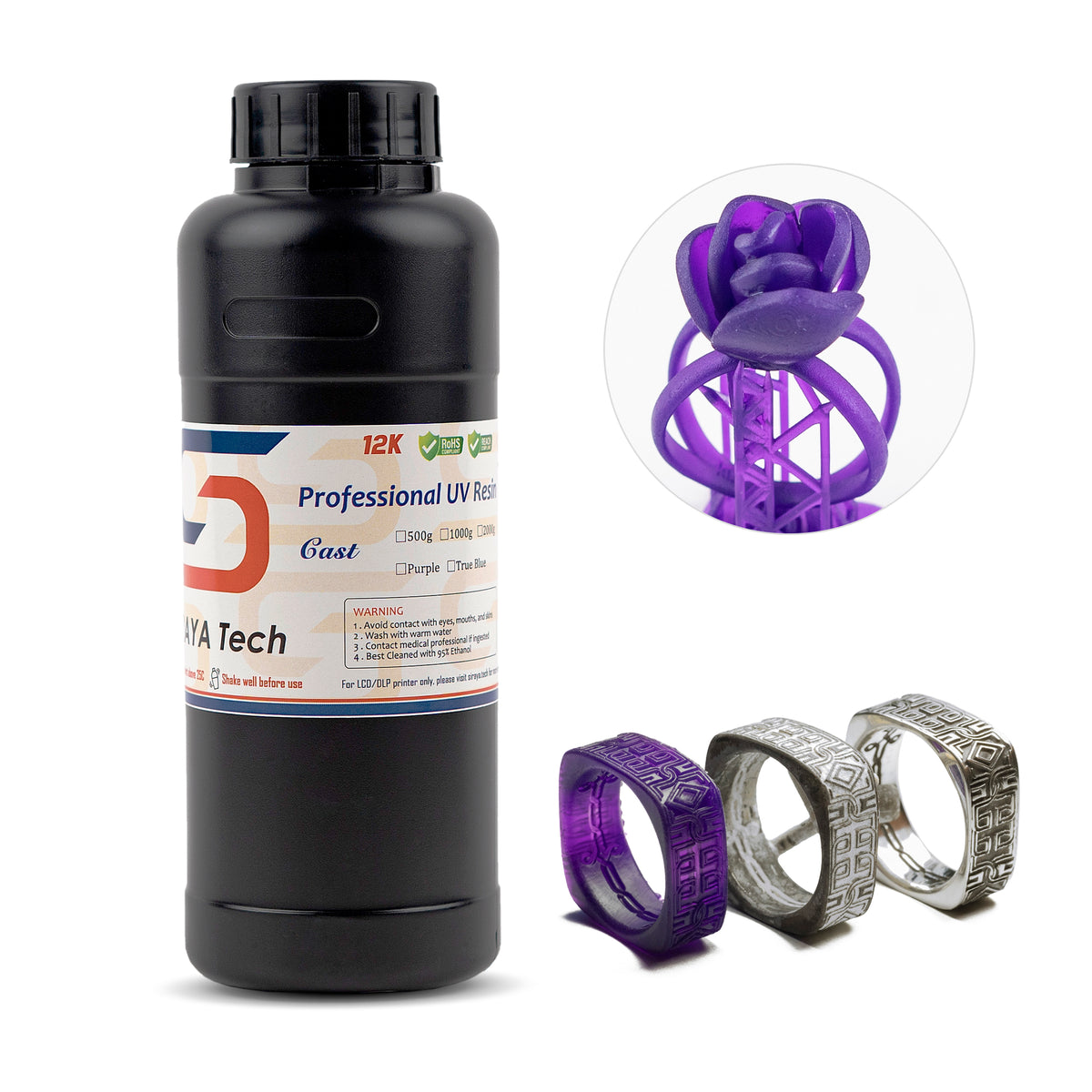
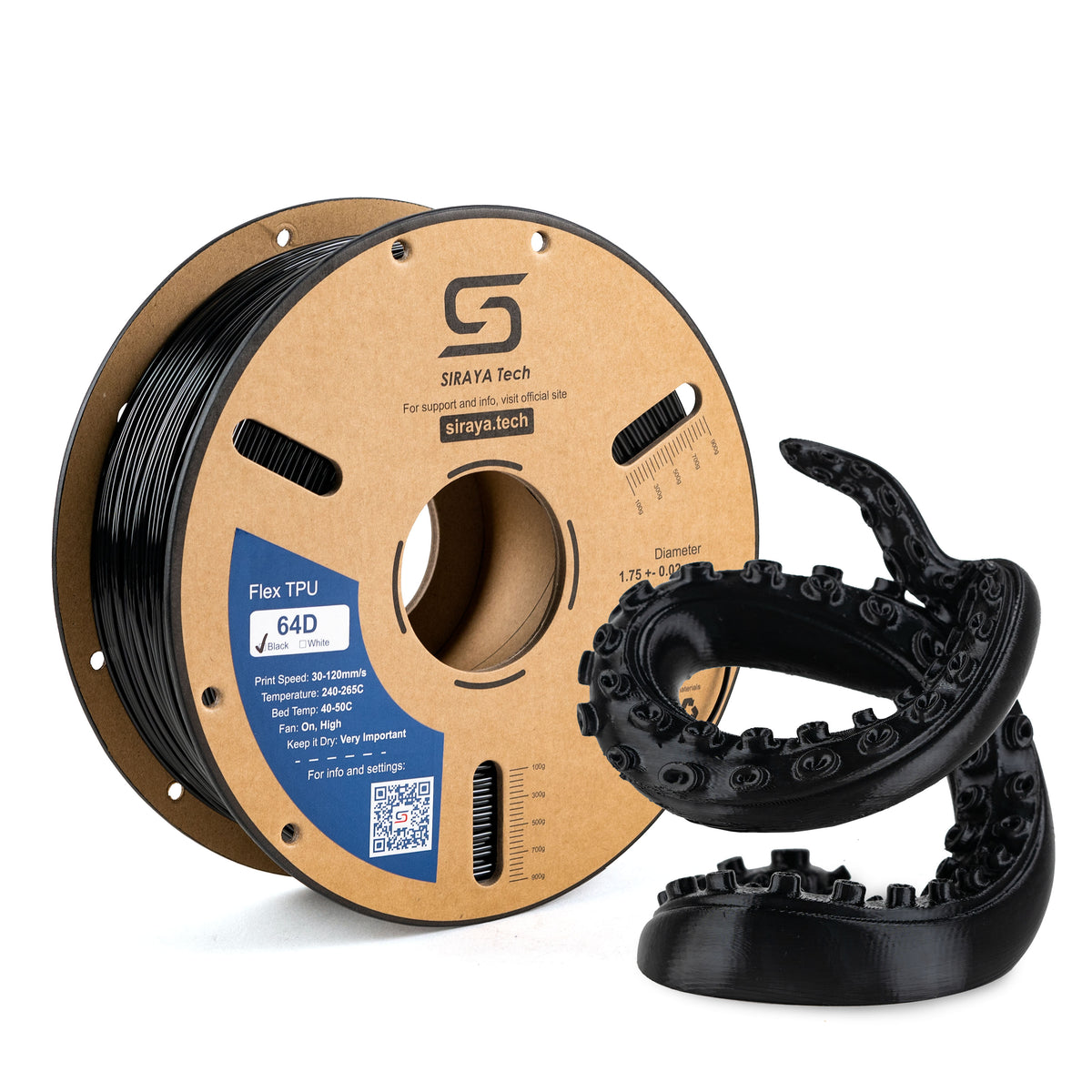

If you need to test ideas quickly, additive manufacturing offers a clear advantage.
3D Printing vs Traditional Manufacturing: Design Flexibility

Design complexity is one of the biggest advantages of 3D printing. Complex internal structures and organic shapes are much easier to create.
With 3D printing, you can produce:
- Internal channels for airflow or fluid
- Lightweight lattice structures
- Custom shapes without additional cost
- One off personalized designs
Traditional manufacturing often requires splitting complex parts into multiple components. This increases assembly time and production cost.
3D Printing vs Traditional Manufacturing: Strength and Durability
Strength depends on material choice and manufacturing method. Both methods can produce durable parts when used correctly.
Traditional manufacturing usually offers consistent strength because materials are solid and not layered. Injection molded plastics and machined metal parts are strong and reliable.
3D printed parts can also be strong with the right materials. Carbon fiber reinforced filaments improve stiffness. Glass fiber blends increase durability. Tough and Tenacious resin options help improve impact resistance. Choosing high quality materials, such as advanced filaments and resins from trusted suppliers like Siraya, improves overall performance.
Layer orientation, printer settings, and post processing also affect strength.
3D Printing vs Traditional Manufacturing: Waste and Sustainability
Material efficiency is an important factor in modern manufacturing. Companies are looking for ways to reduce waste and energy use.
3D printing uses only the material needed to build the object. This reduces scrap, especially compared to subtractive methods like CNC machining.
Traditional manufacturing can generate more waste when material is cut away. However, many factories recycle scrap materials to improve sustainability.
The environmental impact depends on production scale, material type, and energy source.
When to Choose 3D Printing vs Traditional Manufacturing
The right choice depends on your project goals. Volume, timeline, budget, and product complexity all matter.
Choose 3D Printing If You Need
- Rapid prototypes
- Low production quantities
- Custom or personalized parts
- Complex designs with minimal assembly
3D printing is also ideal for testing molds before creating them in metal. Many creators use 3D printed masters with platinum silicone to produce detailed molds for small batch production.
Choose Traditional Manufacturing If You Need
- Large scale production
- Low cost per unit at high volumes
- Highly consistent mechanical properties
- Fast output once production begins
For products with steady demand and predictable sales, traditional methods are often more practical.
Real World Applications of 3D Printing vs Traditional Manufacturing

Different industries use both manufacturing methods based on their needs.
In automotive manufacturing, 3D printing is used for prototypes and specialty parts. Traditional methods produce engine components and body panels in large quantities.
In aerospace, 3D printing creates lightweight parts with complex geometry. Traditional machining ensures structural reliability for critical components.
In medical fields, 3D printing produces custom dental aligners and surgical models. Traditional manufacturing produces standardized instruments and tools.
In consumer goods, companies often prototype with 3D printing and switch to injection molding for retail production.
If you are curious about advanced uses, check out 3D Printed Electronics. It shows how this technology is shaping modern devices.
Is 3D Printing Better Than Traditional Manufacturing?
There is no universal winner in the comparison of 3D printing vs traditional manufacturing. Each method has specific advantages.
3D printing offers flexibility, customization, and fast development. Traditional manufacturing provides efficiency, strength consistency, and cost savings at high volume.
The best choice depends on:
- Production quantity
- Budget limits
- Required strength
- Time constraints
- Design complexity
Carefully reviewing these factors will help you decide.
Conclusion
The decision between 3D printing vs traditional manufacturing depends on volume, budget, design complexity, and strength requirements. Both methods have important roles in modern production, and many businesses use them together to balance innovation and efficiency.
If you are working on a 3D printing project, using high quality materials makes a major difference in performance and reliability.
Siraya offers dependable 3D printing filaments, advanced resins including Tenacious and castable resin, and platinum silicone crafting materials to help you produce superior results.
For more helpful guides, expert tips, and material recommendations related to 3D printing, explore Siraya's resources and product lineup to support your next creation.
FAQs About 3D Printing vs Traditional Manufacturing
Is 3D printing cheaper than traditional manufacturing?
3D printing is often cheaper for small production runs because there are no tooling costs. You can produce a few parts without investing in molds. For high volume production, traditional manufacturing becomes more cost effective because the cost per unit drops significantly. The overall cost depends on material and quantity.
Can 3D printing replace traditional manufacturing?
3D printing can replace traditional manufacturing in some cases, especially for prototypes and custom parts. However, it is not always suitable for mass production. Traditional methods remain more efficient for producing large quantities quickly. Many companies combine both approaches instead of choosing only one.
What are the main differences between additive and traditional manufacturing?
Additive manufacturing builds objects layer by layer from a digital design. Traditional manufacturing shapes or removes material using tools or molds. Additive methods allow greater design flexibility. Traditional methods often provide faster production at scale.
Is 3D printing strong enough for industrial use?
Yes, 3D printing can be strong enough for industrial use when high quality materials are used. Reinforced filaments and tough resins improve strength and durability. However, not all printed parts are equal in performance. Proper design and material selection are essential.
Which is faster, 3D printing or injection molding?
3D printing is faster for prototyping and small batches. You can produce a part shortly after finishing the design. Injection molding requires time to create molds. Once molds are ready, injection molding is much faster for large quantities.
When should a company choose 3D printing over traditional manufacturing?
A company should choose 3D printing when flexibility and speed are priorities. It works well for low volume production and design testing. Customization is easier with additive manufacturing. For large scale manufacturing, traditional methods are usually more efficient.