If you've been exploring FDM 3D printing materials recently, you have likely seen the growing buzz around PCTG. Often marketed as a "supercharged PETG," PCTG promises incredible impact resistance and excellent optical clarity. However, the hype has also brought a fair amount of misinformation to the 3D printing community.
Is PCTG really the ultimate replacement for PETG? The truth is far more nuanced. PCTG and PETG are closely related members of the polyester family, but they are engineered for different purposes, come in various grades, and present distinct challenges on the print bed.
In this guide, we are diving deep into the science and practical realities of PCTG vs. PETG vs. PET to help you make an informed decision for your next project.
1. What are PET, PETG, and PCTG? (The Chemical Connection)
To understand PCTG, we first have to look at its roots: PET (Polyethylene Terephthalate).
PET is one of the most common plastics in the world, heavily used in water bottles, food packaging, and synthetic fibers. While PET has excellent inherent properties—like high mechanical strength and chemical resistance—it is highly crystalline. On a 3D printer, pure, unmodified PET is notoriously difficult to work with. It warps severely, shrinks unpredictably, and is hard to extrude cleanly.
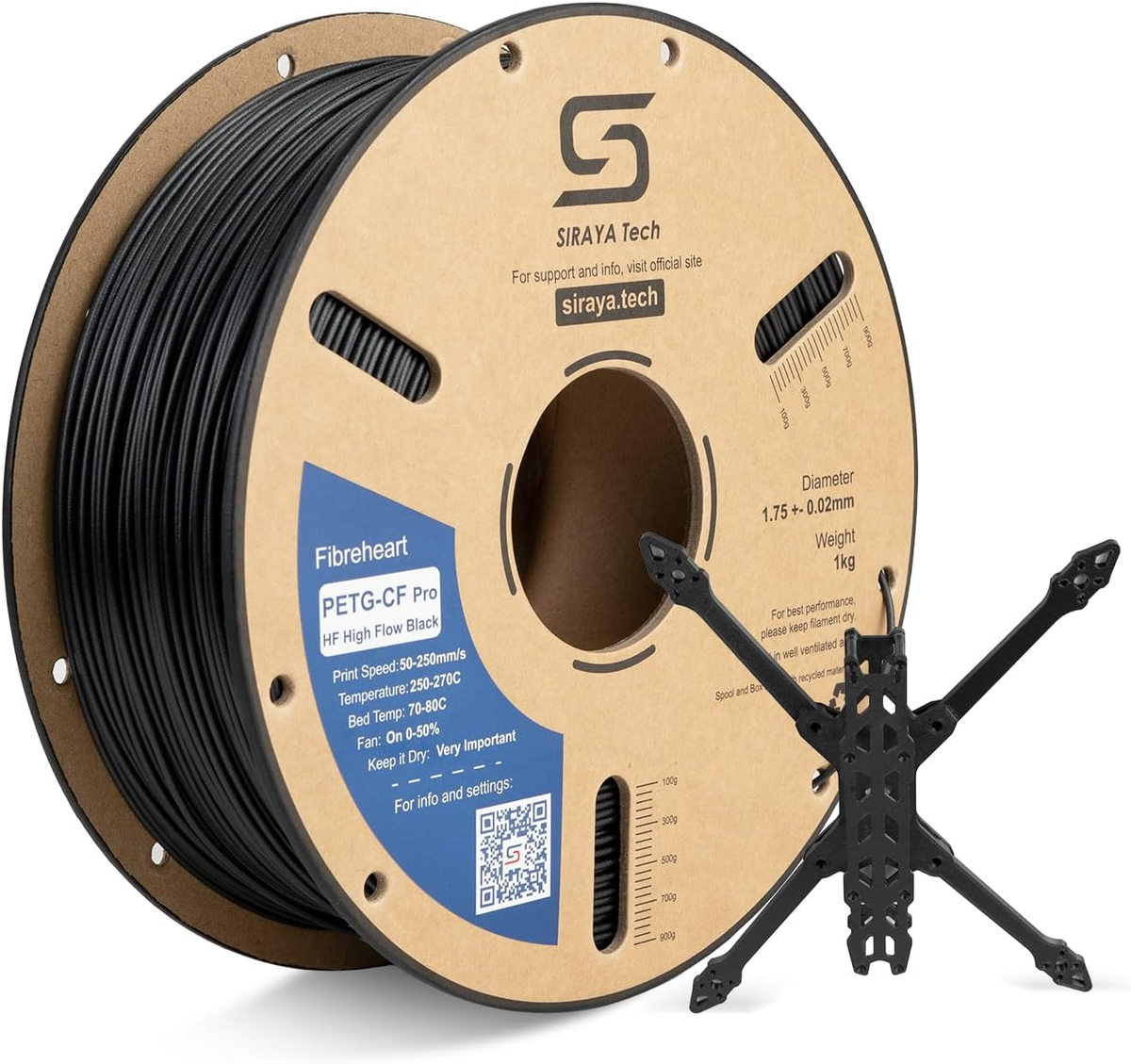
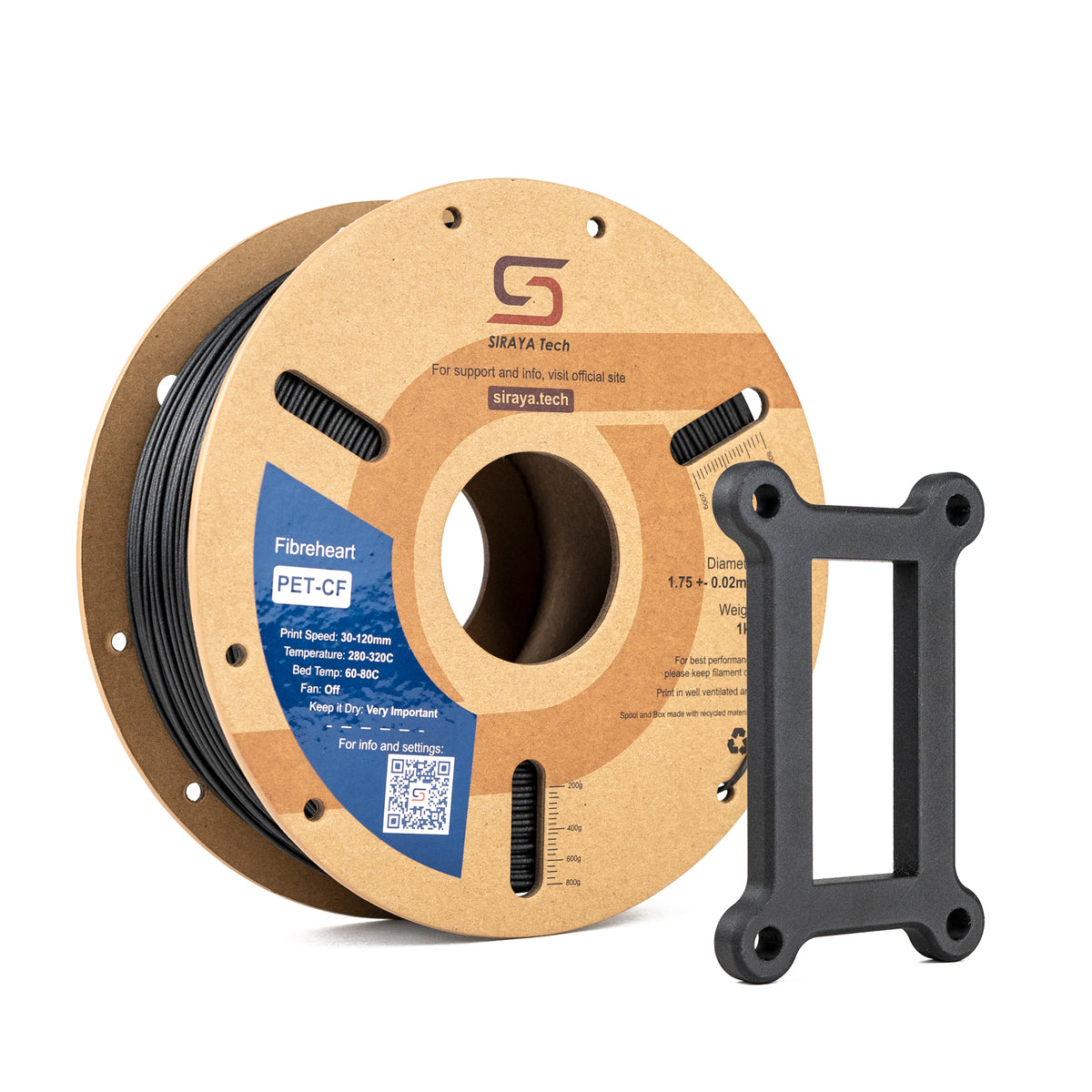
(Note: While raw PET is a nightmare to print, composite variants like PET-CF (Carbon Fiber) and PET-GF (Glass Fiber) are completely different beasts. Adding these fibers tames the warping significantly, making the material much easier to print while yielding exceptional stiffness and thermal properties.)
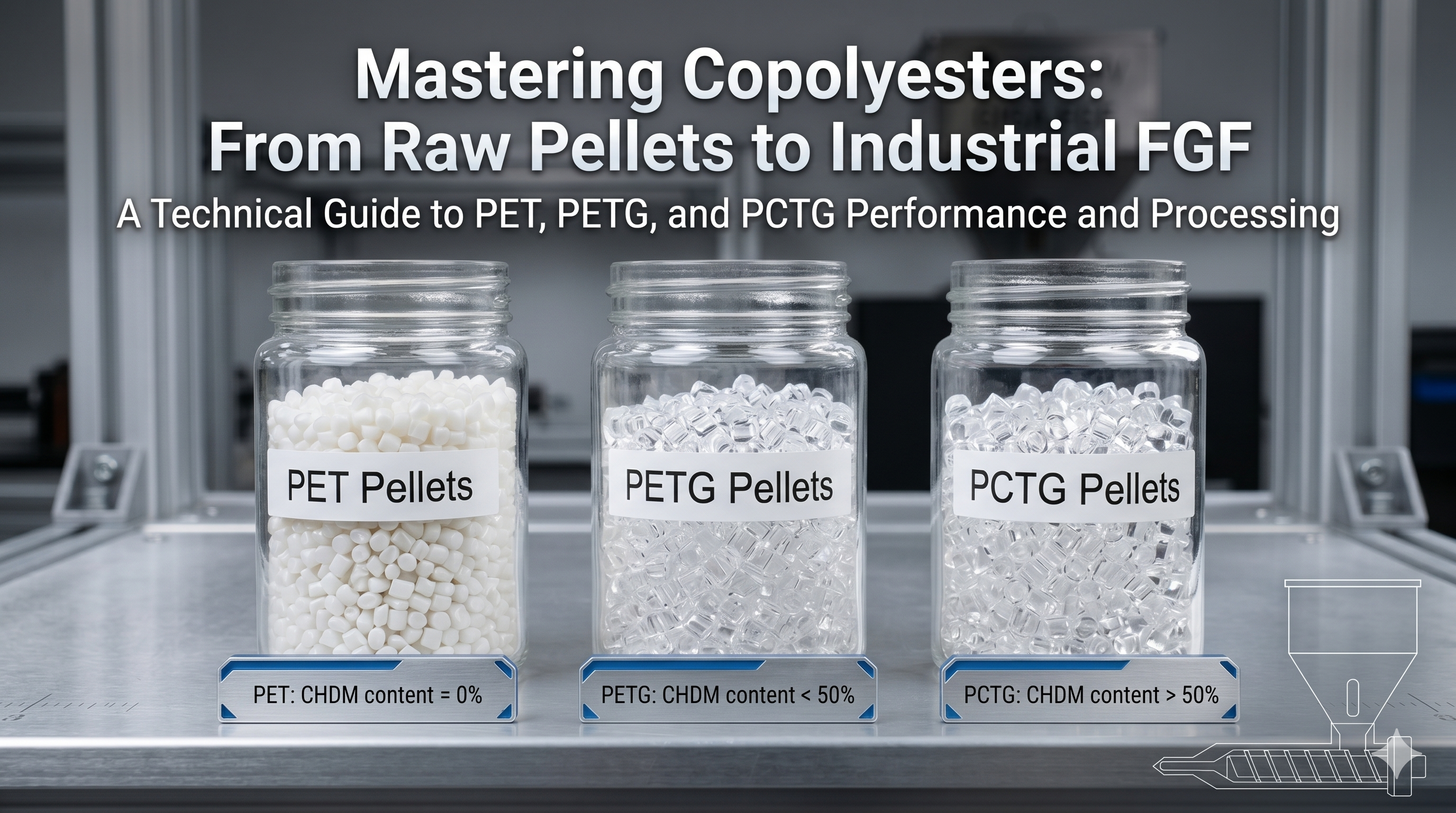
To make standard PET printable without fibers, chemists add a modifier called CHDM (Cyclohexanedimethanol)—a type of glycol. This disrupts the crystallization process, creating an amorphous plastic that remains clear, tough, and easy to melt.
PETG (Polyethylene Terephthalate Glycol): When the CHDM content in the polymer chain is less than 50%, the resulting material is classified as PETG. This modification makes PETG significantly easier to process and 3D print than standard PET, which is why it has become an FDM staple.
PCTG (Poly Cyclohexylenedimethylene Terephthalate Glycol): When the CHDM content exceeds 50%, the material becomes PCTG. This higher concentration of CHDM fundamentally alters the polymer's properties, pushing its chemical resistance, clarity, and toughness beyond standard PETG.
For material engineers, polymer scientists, and specialists: You might find the following chemical structures and molecular formulas interesting.

For everyday makers and 3D printing enthusiasts: Here is a simplified, easy-to-understand breakdown to help you visualize how these materials are used in the real world.

2. The Different Grades of PCTG
A common misconception in the 3D printing community is treating PCTG as a single, uniform material. In the broader manufacturing and injection molding world, "PCTG" (and its advanced copolyester cousins, like Eastman's Tritan™) comes in several highly specialized grades tailored for distinct industries:
- Food-Safe / High-HDT Grades (The 90°C - 110°C Tier)
If you own a premium, shatter-resistant water bottle, a high-end blender pitcher (like a Vitamix), or modern, clear baby bottles, you likely already own this grade of PCTG. These specific formulations are engineered for high Heat Deflection Temperatures (HDT)—sometimes reaching up to 110°C.
Why? Because baby bottles and food containers must survive boiling water, steam sterilization, and repetitive high-heat dishwasher cycles without warping, clouding, or leaching chemicals (they are strictly BPA-free).
- Medical and Diagnostic Grades
These grades prioritize structural rigidity, absolute optical clarity, and extreme chemical resistance. They are frequently used in the medical industry for clear diagnostic equipment, blood therapy devices, and heavy-duty cosmetics packaging that must withstand harsh sanitizing chemicals without degrading over time.
- High-Impact / Flow Grades
These grades trade extreme heat resistance for absolute, uncompromising toughness and better melt-flow characteristics. They are engineered to absorb massive amounts of physical trauma without shattering or cracking.
Understanding these grades is crucial because the high-heat, boil-safe PCTG used to injection-mold a baby bottle is not the same PCTG you are feeding into your 3D printer.
3. Which Grade of PCTG is Used for 3D Printing?
When you buy a spool of PCTG filament, you are almost exclusively buying a variation of the high-impact grade.
Why? Formulating a copolyester into a printable filament requires a delicate balance of melt flow and layer adhesion. To make PCTG easier to print, filament manufacturers actually use a formulation with a lower HDT than even standard low-HDT industrial PCTG. This brings the material's heat deflection temperature down to the mid-70s (°C).
While industrial PCTG can have impressive heat resistance, 3D printing PCTG intentionally sacrifices some of that thermal stability to achieve printability and its legendary impact resistance. It will not shatter like PLA, nor will it snap as easily as standard PETG, but it is noticeably softer than standard engineering materials.
4. PCTG vs. PETG in FDM 3D Printing: A Realistic Comparison
When comparing the commercially available filaments side-by-side, how do they stack up? Here is a balanced look at the reality of printing with PCTG versus PETG.
(PS: In its neat form, pure PET is prone to hyper-crystallization, making it too brittle and warp-heavy to compete with the highly printable PETG. But introducing CF or GF completely flips the script. The fibers act like microscopic steel rebars, locking onto PET’s crystal lattice to achieve a massive leap in heat resistance (HDT of 120°C–150°C) and stiffness that leaves PETG-CF far behind. The premium price of PET-CF reflects the extreme engineering required to "tame" raw PET—demanding expensive tougheners and enduring brutal 280°C processing that causes severe machinery wear to achieve this performance reversal. That is the pure beauty of material engineering!)
- Impact Resistance (Toughness)
Winner: PCTG
This is where PCTG truly shines. The Izod impact resistance of 3D-printed PCTG can be several times higher than that of PETG. If you are printing parts that will be dropped, struck, or subjected to sudden forces—like drone frames, protective cases, or combat robotics—PCTG is significantly harder to break.
- Chemical Resistance
Winner: PCTG
Thanks to the higher CHDM content, PCTG's molecular structure makes it much more resilient against harsh substances. It boasts significantly higher chemical resistance to oils, greases, solvents, and fuels compared to PETG. It is also less hygroscopic (absorbs less moisture from the air), which helps maintain its mechanical properties in humid environments.
- UV Resistance and Weathering
Winner: PCTG
While neither material is quite on the level of ASA for outdoor use, PCTG generally outperforms PETG in the sun. PCTG resists UV degradation and yellowing better over long-term outdoor exposure, whereas standard PETG will eventually become brittle and hazy after prolonged time in direct sunlight.
- Heat Deflection Temperature (HDT)
Winner: PCTG (Slightly)
Because 3D printing relies on the modified, high-impact grade of PCTG to ensure it can actually be extruded properly, the heat resistance isn't light-years ahead of PETG. Standard PETG generally deforms around 70°C. 3D printable PCTG will generally resist heat up to the mid-70s (~74°C - 78°C) depending on the blend. It's a welcome bump, but it is still not a high-temp engineering material like Polycarbonate.
- Optical Clarity
Winner: PCTG
Both materials are known for being clear, but PCTG has superior light transmission and less of the yellowish tint that can sometimes plague thick PETG prints. If high transparency is your goal, PCTG is the superior choice.
- Printability and Warping
Winner: PETG
PETG is beloved because it prints almost as easily as PLA, requiring no enclosure and exhibiting minimal warping. PCTG is noticeably harder to print. Due to its chemical structure, PCTG shrinks more as it cools. This internal stress leads to a much higher tendency to warp off the build plate. To print PCTG successfully, you often need higher bed temperatures, precise part cooling management, and ideally, an enclosed printer.
- Cost and Availability
Winner: PETG
PETG raw materials are widely manufactured globally, making it one of the most affordable filaments on the market. PCTG raw material, on the other hand, is produced by a very limited number of specialized chemical companies. This limited supply chain, combined with the difficulty of manufacturing the filament, makes PCTG notably more expensive.
5. Is PCTG For You? (The Decision Matrix)
So, should you switch your daily driver from PETG to PCTG? It comes down to what you prioritize in your prints.
Ultimately, PCTG isn't a direct replacement for PETG; it is a specialized step-up. By understanding the chemistry and the specific grades available to the FDM market, you can leverage PCTG where its incredible toughness and resistance are truly needed, while relying on PETG for your everyday printing needs.
Looking for high-performance resins and 3D printing materials engineered for professionals? Explore the Siraya Tech Shop for materials like PET-CF that push the boundaries of what your printer can do.