
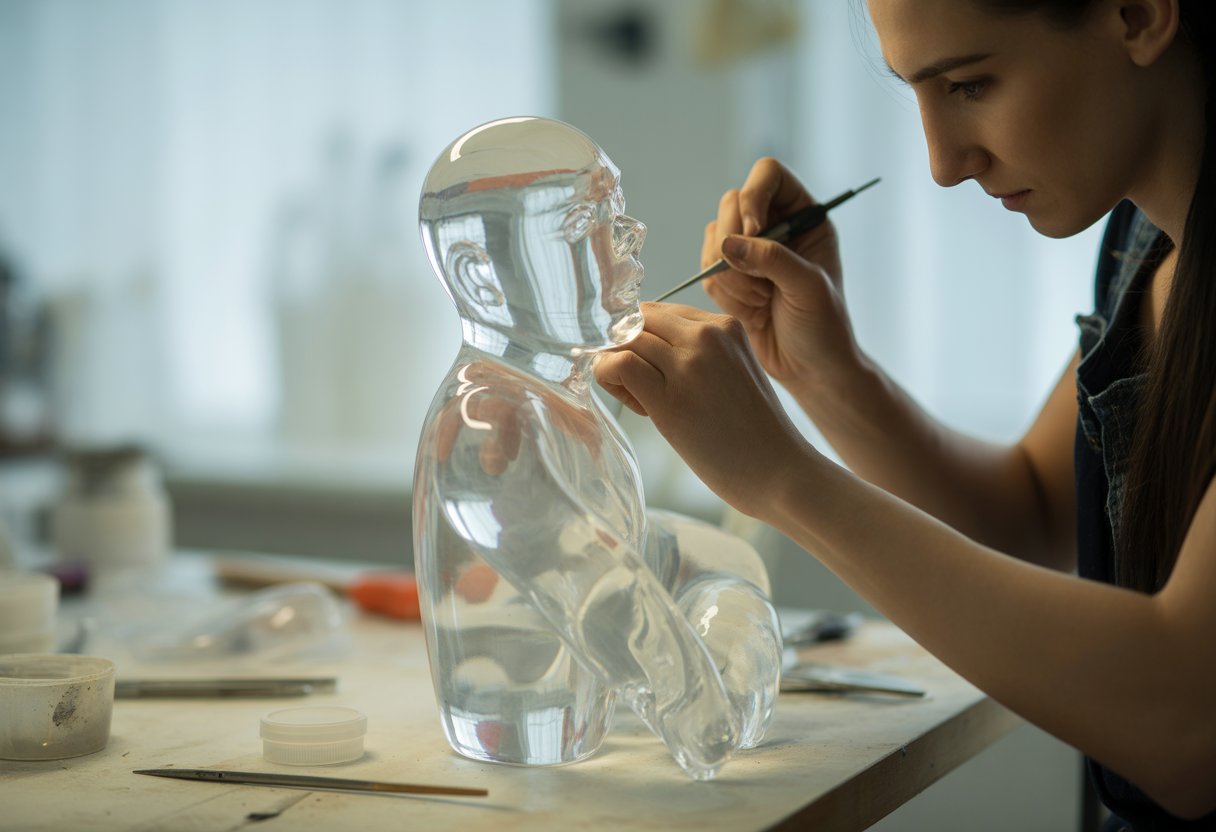
Sculpting with resin lets you shape clear or colored liquid into solid art. You mix it, pour it, and watch it harden into a smooth, glossy form. You can sculpt with resin by mixing the right type, pouring or shaping it in layers, and letting it cure into a hard, durable piece.
You can use molds or build forms by hand. With simple tools and safe steps, you control color, texture, and shine. Add paint, glitter, or small objects to make each piece your own.
If you want to turn ideas into solid art, read on.
Key Takeaways
- You learn how resin works and which type fits your project.
- You see the basic tools, steps, and safety tips you need.
- You find ways to shape, finish, and improve your resin art.
Working on flexible or bendable resin pieces? Explore our Flexible Resin 3D Printing collection to find resins that stay tough while offering the give you need for wearable art and functional parts.
Understanding Resin and Its Types
You need to know what resin is before you start sculpting. Different types of resin act in different ways, and each one changes how you work and what your sculpture feels like.
What Is Resin?
Resin is a liquid material that turns solid. You pour it, shape it, or brush it on, and then it hardens into plastic.
Most resin used for sculpting is synthetic, which means people make it in a lab. It starts as a thick liquid. After you mix it or expose it to light, it cures and becomes hard.
Resin can look clear like glass. You can also add:
- Color pigments
- Glitter
- Sand or small stones
- Dried flowers
Once it cures, resin feels smooth and strong. It does not stay soft or flexible like clay. You cannot reshape it after it hardens, so you must plan your steps before you pour.
There are several types of resin, but the most common for art are epoxy resin, UV resin, polyurethane, and polyester. For beginners, epoxy and UV resin are the easiest to manage.
Epoxy Resin vs UV Resin
Epoxy resin comes in two parts: resin and hardener. You must measure and mix them together. If you mix the wrong amount, the resin may stay sticky.
Epoxy resin:
- Takes hours to cure
- Works well for large molds
- Gives you more working time
- Is good for beginners
Because it cures slowly, you can fix bubbles and adjust details before it hardens.
UV resin is a one-part system. You do not mix it. You squeeze it from the bottle and cure it under a UV lamp or strong sunlight.
UV resin:
- Cures in minutes
- Works best for small pieces
- Needs a UV light
- Costs more per ounce
You must work fast with UV resin. It is great for small details but not ideal for thick pours.
Comparing Resin and Polymer Clay
Resin and polymer clay feel very different in your hands.
Polymer clay is soft and solid when you buy it. You shape it like dough. Then you bake it in an oven to make it hard.
Resin starts as a liquid. You pour it into a mold instead of shaping it by hand.
Here is a simple comparison:
|
Feature |
Resin |
Polymer Clay |
|
Start Form |
Liquid |
Soft solid |
|
Hardens By |
Mixing or UV light |
Baking |
|
Working Time |
Limited |
Longer |
|
Finish |
Glossy, smooth |
Matte or satin |
If you like carving and shaping with tools, polymer clay may feel easier. If you want a glass-like, clear look, resin gives you that effect.
Curious about working with different resin materials safely? By reading our guide Proper Handling of UV Curable 3D Printing Resins, you'll discover essential safety practices for mixing, pouring, and curing UV resins.
Essential Tools and Materials for Sculpting With Resin

You need the right molds, tools, and safety gear before you start pouring resin. Good supplies help you shape clean forms, mix with care, and stay safe while the resin cures.
Silicone and Custom Molds
A silicone mold is one of your most useful tools. Silicone molds bend, so you can pop out your cured piece without breaking it. They also handle heat from curing epoxy resin.
You can buy ready-made silicone molds in many shapes. These work well for small figures, beads, and simple forms. Make sure the mold is thick and smooth inside. Thin molds can warp, and rough spots will show on your sculpture.
You can also make custom molds with liquid silicone. This lets you copy a clay model or found object. Pour the silicone over your model, let it cure, then remove the original piece.
Keep molds clean and dry. Dust or water can ruin the surface of your resin sculpture.
Mixing Containers and Measuring Tools
You must measure resin and hardener with care. Even small mistakes can stop the resin from curing.
Use clear mixing containers with printed marks on the side. These help you measure equal parts or the correct ratio listed on the bottle. Many epoxy resin brands use a 1:1 ratio, but some use 2:1 or other mixes.
Keep these tools on hand:
- Plastic mixing cups
- Wooden or silicone stir sticks
- Small digital scale (for weight-based mixing)
- Timer
Mix slowly for at least 2–3 minutes. Scrape the sides and bottom of the cup. Fast mixing adds air bubbles, which can leave holes in your sculpture.
Use new cups for each batch. Do not reuse sticky containers.
Resin and Hardener Selection
Choose a high-quality epoxy resin made for art or casting. Craft resin works well for small to medium sculptures.
Check the label for:
- Mix ratio (1:1, 2:1, etc.)
- Working time (how long you can shape it)
- Cure time (how long it takes to harden)
- Max pour depth
If you pour too thick with the wrong resin, it can overheat and crack. For deep molds, use a casting resin made for thicker pours.
Always buy resin and hardener from the same brand and kit. Do not mix brands. Store bottles in a cool, dry place with lids tight.
Clear resin works best for adding color, glitter, or small objects.
Protective and Safety Gear
Resin is not safe to touch with bare skin. You need proper safety gear every time you work.
Wear:
- Nitrile gloves
- Safety glasses
- Long sleeves
- A respirator mask (if the area is not well aired out)
Work in a space with good airflow. Open windows or use a fan to move air away from you.
Cover your table with plastic or a silicone mat. Resin drips are hard to remove once cured.
Wash your hands after you finish. Keep resin and hardener away from kids and pets.
Looking for platinum silicone molds that release cleanly every time? Visit our Silicone collection for flexible, durable mold materials that work perfectly with resin casting projects.
Step-by-Step Resin Sculpting Process
You need a clean space, a clear plan, and careful steps to get good results. Focus on safety, steady mixing, and proper curing to avoid cracks, bubbles, and weak spots.
Preparation and Workspace Setup
Start by setting up a safe work area. Cover your table with plastic sheets or thick paper. Resin can drip and stick, so protect every surface.
Work in a room with good air flow. Open windows or use a fan. Wear gloves, safety glasses, and a mask rated for fumes. Resin can irritate your skin and lungs.
Keep all tools close by before you mix. You will need:
- Mixing cups
- Stir sticks
- A digital scale
- Silicone or plastic resin mold
- Paper towels
- Heat gun or small torch (for bubbles)
If you plan to make a copy of a face, hand, or other shape, prepare the body mold first. Make sure it is dry and firm before you pour resin into it.
Clear clutter from your space. Resin cures fast, so you must move with focus and speed.
Planning and Sculpting Techniques
Plan your design before you touch the resin. Sketch your idea on paper. Think about size, thickness, and how the piece will stand.
Decide if you will sculpt by hand or use a mold. For beginners, a silicone resin mold gives more control. It helps you shape clean edges and smooth surfaces.
If you sculpt freehand, build a base shape first. Use clay to form a model. Then create a mold from that model before you cast resin. This step makes the sculpting process easier and repeatable.
Keep walls thick enough. Thin parts can crack. For large pieces, pour in layers instead of one deep pour.
Try simple sculpting techniques like:
- Layering colors
- Embedding small objects
- Carving details after curing
Plan each step from mold to final cast. This avoids waste and weak spots.
Mixing and Pouring Resin
Read the label on your resin kit. Most epoxy resin uses a 1:1 ratio of resin and hardener, but some brands differ. Measure by weight or volume as the label states.
Pour both parts into a clean cup. Stir slowly for 2–3 minutes. Scrape the sides and bottom as you mix. Fast stirring traps air bubbles.
Let the mix sit for a minute. This allows some bubbles to rise. You can pass a heat gun lightly over the surface to pop them.
Pour resin into your mold in a thin stream. This reduces bubbles. If your piece is thick, pour in layers. Let each layer partly cure before adding the next.
Do not rush this step. Poor mixing leads to sticky spots that never harden.
Curing and Demolding
Place your filled mold on a flat, level surface. Keep it away from dust and pets. Cover it with a box to protect the surface while it cures.
Most resin cures in 24 hours, but full strength can take 48–72 hours. Check the label for exact times. Keep the room at 70–75°F.
Do not touch or move the mold during curing. Movement can cause dents or uneven spots.
When the resin feels hard and cool, gently flex the silicone mold. Peel it back slowly. Never force the piece out.
If edges feel sharp, sand them with fine sandpaper. Wash the piece with mild soap and water before painting or sealing.
Want to understand resin printing from the ground up? By exploring our guide A Deep Dive into Resin 3D Printers and Printing Process, you'll learn how resin printers work and how to get professional results every time.
Enhancing and Finishing Resin Sculptures
Sanding and Polishing
Start sanding only after the resin fully cures. If it feels soft or bends, wait longer.
Use wet sandpaper to keep dust down and avoid deep scratches. Begin with a low grit like 120 or 220 to remove bumps, drips, or mold lines. Sand in small circles and keep the surface wet.
Move up slowly through finer grits:
- 400
- 600
- 800
- 1000 and higher
Each step smooths the marks from the grit before it. Do not skip grits, or you will see scratches later.
When the surface feels smooth, switch to a polishing compound. Rub it on with a soft cloth or a polishing pad. This step brings back shine and gives your sculpture a clear, glossy look.
Wipe the piece clean before moving on.
Painting and Color Effects
You can add color with acrylic paints, alcohol inks, or resin pigments. Acrylic paints work well because they dry fast and stick to sanded resin.
Lightly sand and clean the surface first. Paint sticks better to a dull surface than to a slick one.
Use thin layers. Thick paint can crack or peel. Let each coat dry before adding the next.
For cool effects, try:
- Dry brushing to highlight raised areas
- Washes to add shadows in small details
- Mixing paint with a little water for soft color blends
You can also pour a thin, clear resin layer over painted areas. This adds depth and a glass-like shine. Make sure the paint is fully dry before you seal it under resin.
Sealing and Protecting the Finish
A sealer protects your work from scratches, dust, and sun damage, especially for outdoor pieces.
Choose a finish based on the look you want:
- Gloss for a shiny surface
- Matte for a soft, flat look
- Satin for something in between
Spray sealers are easy to apply and give even coverage. Brush-on sealers work well for small pieces but may leave brush marks if you rush.
Apply thin coats. Let each coat dry before adding another. Two to three light coats protect better than one thick coat.
Keep your sculpture out of direct sunlight and high heat. Good sealing and smart placement help your resin art stay clear and strong for years.
Using silicone parts in your resin projects? Read our article Cleaning and Sterilizing Siraya Tech Defiant Silicone Parts to learn proper cleaning methods that keep your molds and silicone tools in perfect condition.
Creative Projects and Advanced Ideas
You can move past basic shapes and try bold, detailed work. Focus on strong forms, clean layers, and smart material choices to build resin sculptures that stand out.
Making Tabletop and Decorative Sculptures
Start with small tabletop resin sculptures that fit on a desk or shelf. Coasters, paperweights, and mini statues work well. They let you test shape, color, and texture without using too much resin.
Use silicone molds for clean edges. You can also sculpt a base shape from clay, let it harden, then coat it with resin for a smooth shell. This method gives you more control over detail.
For better results:
- Work on a level surface
- Measure resin and hardener with care
- Pop air bubbles with a heat gun or torch
- Let each piece cure fully before sanding
Sand rough edges with fine grit paper. Add a clear top coat for shine and strength. Keep your designs simple at first, then try abstract shapes or layered color blocks as your skills grow.
Embedding Objects and Layering
You can trap small items inside resin to add depth. Popular choices include dried flowers, shells, stones, beads, and small metal charms. Make sure every item is dry and clean before you use it.
Pour resin in thin layers instead of one thick pour. Let each layer cure until it feels firm but still slightly tacky. Then add your object and pour the next layer on top.
This method helps you:
- Stop objects from floating
- Reduce air bubbles
- Create clear depth
You can also tint each layer with a small amount of pigment. Try light colors at the top and darker shades at the bottom for a simple fade effect. Keep layers thin to avoid too much heat during cure.
Combining Resin With Other Materials
Resin works well with wood, metal, glass, and fabric. You can pour resin into carved wood to fill gaps and cracks. This creates bold tabletop pieces like trays or small side tables.
When you mix materials, prep each surface first. Sand wood and wipe off dust. Clean metal with alcohol. Rough up smooth glass so the resin can grip.
Try these ideas:
- Wood and resin river-style tabletops
- Metal frames holding resin panels
- Fabric sealed under a clear resin coat
Pour slowly to avoid leaks at seams. Seal edges with tape or silicone before you start. Let the piece cure on a flat surface so the resin stays even.
Wrap Up
Sculpting with resin opens the door to endless creative possibilities. From glossy tabletop pieces to layered art with embedded objects, you can craft professional-looking sculptures with the right materials and techniques. Start with quality resin, work in a safe space, and take your time with each layer. Whether you're pouring into molds or building freehand forms, practice sharpens your skills and boosts your confidence.
Ready to bring your ideas to life? Siraya offers high-quality resins and materials designed for creators who demand precision and durability. Explore the Siraya 3D Model Resin Collection and Flexible Resin 3D Printing options to find the perfect match for your next project.
Thinking about turning your resin art into profit? Check out How to Make Money With a 3D Printer: 7 Ideas to discover practical ways to sell your resin sculptures and grow your creative business.
Frequently Asked Questions
What kind of resin should I use for beginners?
Start with a two-part epoxy resin made for art or casting. It is easy to mix and has a longer working time, so you do not feel rushed.
Look for a resin that says “low odor” and “self-leveling” on the label. Avoid fast-set industrial resins when you are new.
How long does it take for resin to fully cure?
Most epoxy resin feels dry in 12 to 24 hours. You can often touch it lightly after one day.
Full cure usually takes 2 to 7 days. The exact time depends on the brand, room temperature, and how thick you poured it.
Can you paint over resin sculptures, and if so, what kind of paint works best?
Yes, you can paint over resin. Lightly sand the surface first so the paint sticks better. Use acrylic paint for best results. It dries fast and bonds well to resin.
You can seal the paint with a clear resin coat or a clear spray sealer.
What's the best way to prevent bubbles in my resin cast?
Mix the resin slowly and gently. Fast mixing traps air.
Let the mixed resin sit for a few minutes so bubbles can rise. You can also pass a heat gun or small torch quickly over the surface to pop bubbles.
Pour in thin layers if your piece is thick. Thick pours trap more air.
Are there any safety tips I should know before starting my first resin project?
Work in a space with good airflow. Open windows or use a fan.
Wear gloves to protect your skin. Some people also wear a mask rated for fumes.
Keep resin away from kids and pets. Do not pour leftover resin down the sink.
How can I achieve a high-gloss finish on my resin sculpture?
Use a final clear coat of resin for a shiny surface. Make sure your sculpture is clean and dust-free first.
If the surface feels rough, sand it with fine sandpaper before adding the top coat. Wipe away dust with a soft cloth.
Let the final layer cure completely. Avoid touching it while it sets.