

ABS 3D printer filament is one of the most talked-about materials in 3D printing. It is strong, durable, and used in everything from toys to car parts.
This guide will explain what ABS 3D printer filament is, why it is popular, and when you should use it. Keep reading to discover practical tips, comparisons, and answers to the most common questions.
What is ABS Filament?
ABS filament stands for Acrylonitrile Butadiene Styrene. It is a type of plastic commonly used in 3D printing and in everyday products like LEGO bricks, car dashboards, and protective helmets.
People like ABS filament because it is strong, durable, and resistant to heat. It makes prints that can handle more wear and tear compared to other beginner-friendly materials like PLA.
Key Properties of ABS Filament

Before using ABS, it helps to know what makes it different. These key properties explain why it is widely chosen for functional 3D prints.
- High strength and toughness – Less brittle than PLA and better at absorbing impact
- Heat resistance – Maintains shape at higher temperatures
- Slight flexibility – Bends before breaking instead of snapping
- Post‑processing friendly – Can be sanded, painted, or acetone-smoothed for a glossy finish
Pros and Cons of ABS Filament
When asking “what is ABS filament,” it is smart to weigh the good and the bad.
Advantages of ABS Filament
- ✅ Stronger and more durable than PLA.
- ✅ Handles heat better, making it useful for outdoor or mechanical parts.
- ✅ Easy to sand, paint, and smooth for a professional look.
- ✅ Affordable and widely available.
Disadvantages of ABS Filament
- ✅ Can warp or crack during printing if not handled properly.
- ✅ Gives off styrene fumes, which can irritate the eyes and respiratory system.
- ✅ More challenging for beginners compared to PLA.
You May Shop
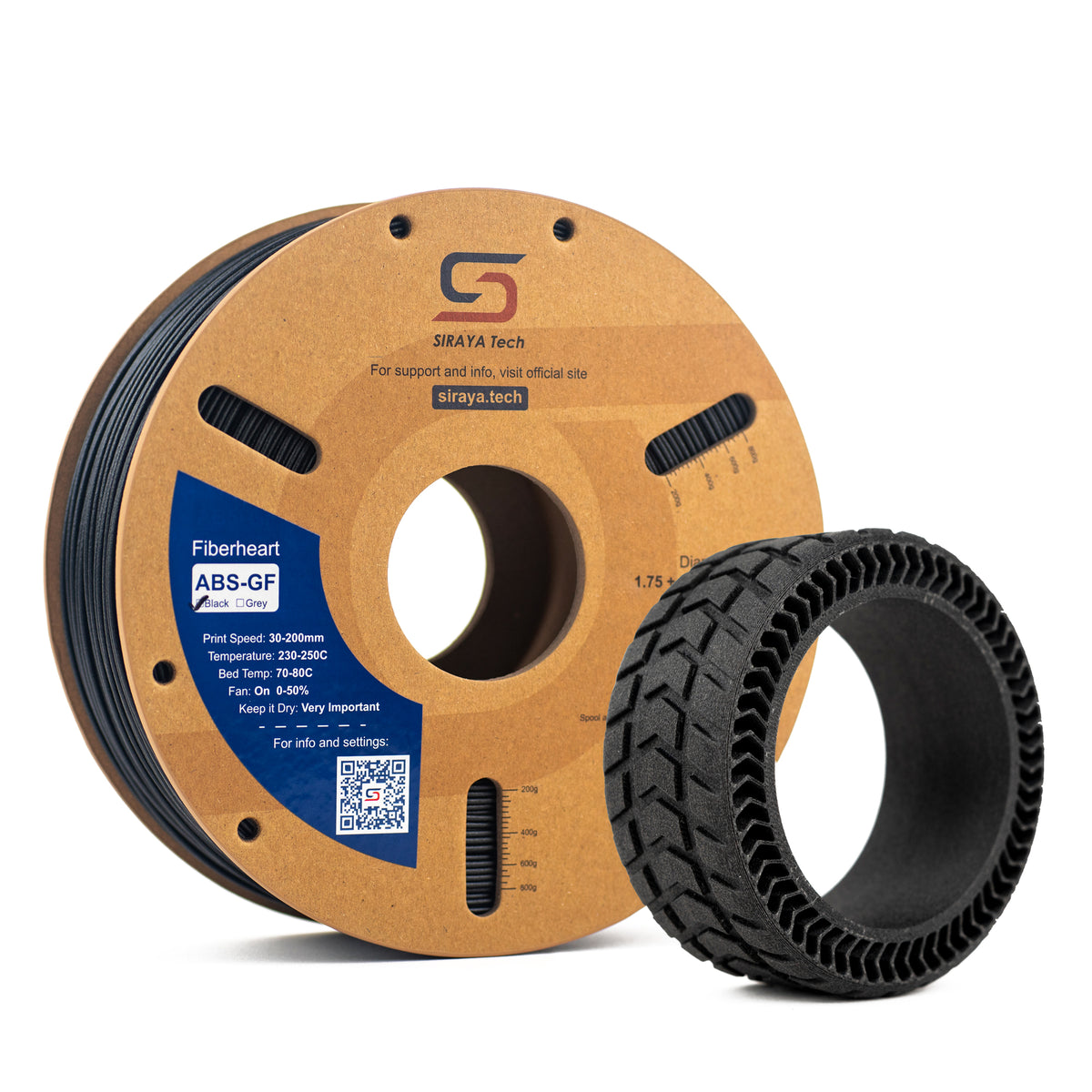
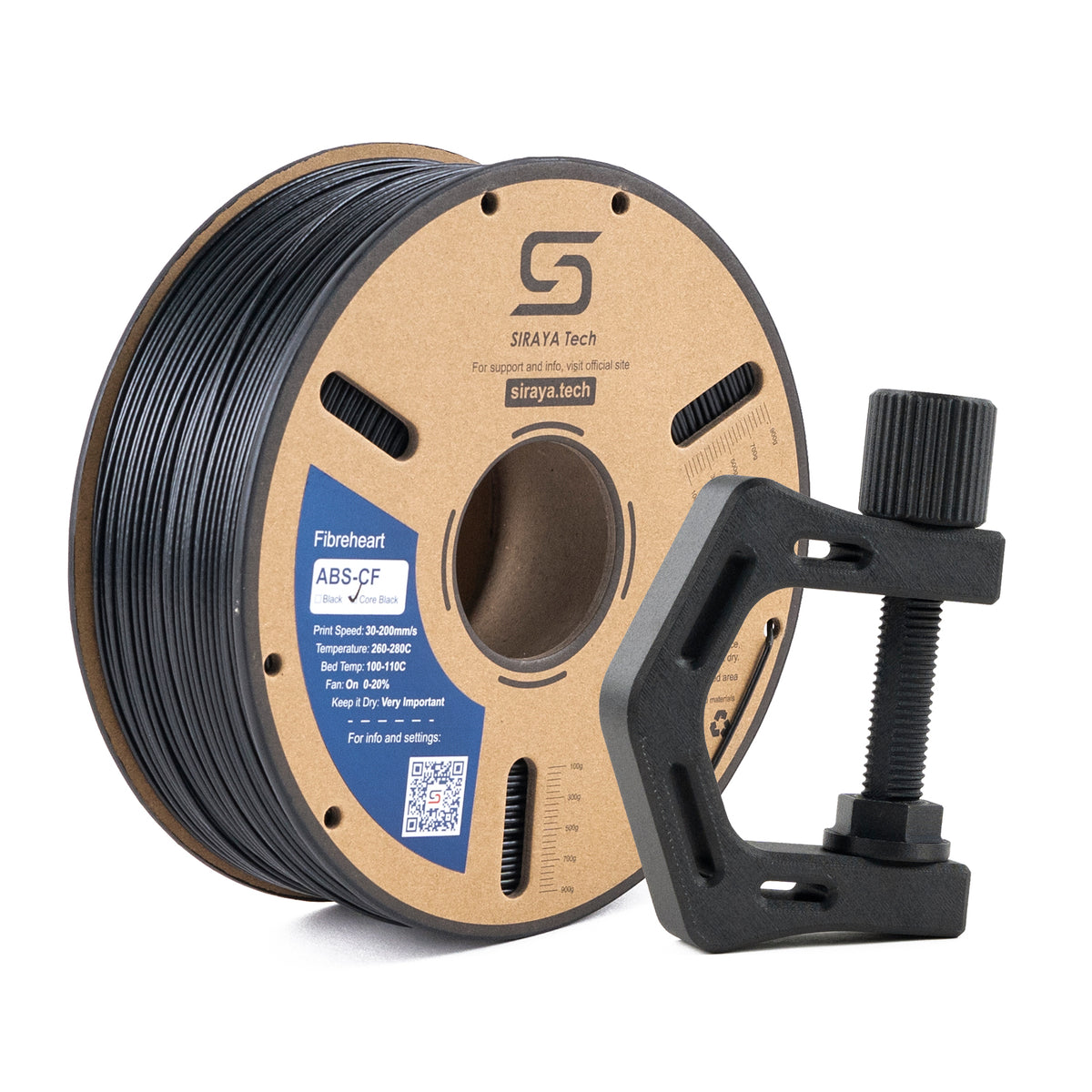
ABS Filament vs Other Popular Filaments
Choosing the right filament can be confusing. This table shows how ABS compares to PLA, PETG, and TPU so you can quickly see the strengths of each.
|
Feature |
ABS Filament |
|||
|---|---|---|---|---|
|
Strength |
Strong and tough |
Moderate, more brittle |
Strong with good impact resistance |
Flexible strength |
|
Heat Resistance |
High, resists heat well |
Low, softens easily |
Medium to high |
Medium |
|
Ease of Printing |
Harder, prone to warping |
Very easy, beginner-friendly |
Easier than ABS, less warping |
More advanced, requires tuning |
|
Flexibility |
Rigid |
Rigid |
Slight flexibility |
Very flexible and rubber-like |
|
Surface Finish |
Smooth, polishable with acetone |
Matte or glossy, limited post-processing |
Glossy and smooth |
Soft, rubbery finish |
|
Best Use Cases |
Functional parts, enclosures, mechanical items |
Beginner projects, decorative models |
Durable parts, outdoor use, balance of strength and printability |
Phone cases, gaskets, wearables |
When Should You Use ABS Filament?
ABS 3D printer filament is best suited for projects that require:
- Structural strength
- Heat resistance
- Durability under mechanical stress
Common applications include tool housings, printer parts, enclosures, brackets, and automotive components.
If you need even higher stiffness and strength, reinforced options like glass fiber–filled ABS (ABS‑GF) or carbon fiber ABS (ABS‑CF) can significantly improve performance.
📌 If you want to learn how ABS can be taken to the next level with added strength, check out this article: Transforming Your Prints with Glass Fiber Reinforced ABS-GF Filament.
How to Print Successfully with ABS Filament
Printing with ABS requires a bit more setup than PLA. With the right conditions, you can avoid common issues like warping.
- ✅ Use a heated bed to keep prints from lifting.
- ✅ An enclosed chamber helps maintain stable temperatures.
- ✅ Set nozzle temperatures around 220 to 250°C depending on the brand.
- ✅ ABS does not absorb moisture as quickly as nylon or PETG, but drying it before printing can still improve consistency and reduce issues if the filament has been exposed to humidity.
ABS Filament Printing Settings
Getting the right settings is essential when learning what ABS filament is and how to use it successfully. While exact values vary by brand and printer, the table below provides reliable starting points.
| Setting | Recommended Range |
|---|---|
| Nozzle Temperature | 220–250°C |
| Bed Temperature | 90–110°C |
| Enclosure | Strongly recommended |
| Print Speed | 40–60 mm/s |
| Cooling Fan | Off or very low |
| Bed Adhesion | Brim, raft, or PEI sheet |
| Drying Temperature | 70–80°C (2–4 hours) |
Tip: Always follow the filament manufacturer’s guidelines and fine-tune settings based on your printer and environment.
📌 Want to know how ABS can handle extreme heat? Don’t forget to read: Siraya Tech ABS-GF: Ultimate High Temperature 3D Printing Filament.
Common ABS Printing Problems and How to Fix Them
ABS filament offers excellent strength, but it can be challenging without proper setup. Below are the most common issues and how to solve them.
Warping
Cause: Rapid cooling and uneven temperature
Fix:
- Use a heated bed and enclosure
- Increase bed temperature
- Add a brim or raft
Layer Splitting (Cracking)
Cause: Poor layer adhesion from temperature drops
Fix:
- Raise nozzle temperature slightly
- Reduce cooling fan speed
- Print in a draft-free environment
Poor Bed Adhesion
Cause: Low bed temperature or improper surface
Fix:
- Clean the build plate
- Use ABS slurry, glue stick, or PEI surface
- Increase first-layer height and width
Strong Odor or Fumes
Cause: Styrene release during printing
Fix:
- Improve ventilation
- Use a filtered enclosure
- Avoid printing in small, enclosed rooms
How Long Do ABS Prints Last?
ABS prints are known for their long lifespan when used in the right conditions. Compared to PLA, ABS is less brittle and more resistant to heat, impact, and mechanical stress.
Under normal indoor use, ABS parts can last many years without significant degradation. When used outdoors or in high-stress environments, durability improves further with:
- Proper wall thickness and infill
- Reinforced filaments like ABS‑GF or ABS‑CF
- Protective coatings or paint
This long service life is one reason ABS remains popular for functional and industrial-style prints.
Is ABS Filament Safe to Use?
Safety is an important part of learning what ABS filament is. While it is safe to handle, printing with it requires care.
ABS releases styrene fumes when heated, which can irritate the eyes and respiratory system. For safety, always print in a well-ventilated area or with proper filters.
ABS is also not FDA-approved for food contact, so it should not be used for cups, plates, or utensils.
Can ABS Filament Be Recycled?

Yes, ABS filament can be recycled, but it is not biodegradable. Recycling ABS requires specialized facilities capable of processing thermoplastics.
Recycling options include:
- Local plastic recycling programs that accept ABS
- Industrial recycling centers
- DIY filament recycling systems (advanced users)
To reduce waste, many makers reuse failed prints by grinding and re-extruding ABS or choose reinforced ABS filaments that reduce breakage and reprints over time.
If sustainability is your main concern, PLA or other eco-friendly filaments may be better choices. However, if you need durability, consider reinforced options like ABS-GF or ABS-CF, which extend the lifespan of prints and reduce waste over time.
Best Alternatives to ABS Filament
Sometimes ABS is not the best fit for your project. Here are a few alternatives to consider.
- ✅ PETG: A middle ground between strength and printability. PETG-CF version improves stiffness, reduces warping, and provides a professional matte finish.
- ✅ PLA: Easy to use and eco-friendly (under industrial composting), great for beginners.
- ✅ Nylon: Very strong and durable, but more advanced to print.
- ✅ ASA: Similar to ABS but with better UV resistance. If you need outdoor durability, check out ASA-GF, which combines ASA’s weather resistance with glass fiber reinforcement.
📌 If you want to avoid common printing problems with ABS, browse this helpful guide: Avoiding Tangling and Printing Failures: Siraya Tech Fiber Reinforced ABS Filament Guide.
Conclusion
Now you know the answer to “what is ABS filament” and why it continues to be a favorite in 3D printing. ABS offers strength, durability, and heat resistance, making it perfect for functional and mechanical parts.
For even better results, explore advanced variations like ABS-GF, ABS-CF, and ABS-CF Core, which provide greater strength, stiffness, and reliability.
For more helpful guides and tips about ABS filament and other kinds of filaments, check out Siraya.
And if you are ready to start your next project, shop Siraya’s high quality ABS and other filaments to get the best results.
Frequently Asked Questions About What is ABS Filament
Can you mix PLA and ABS?
Mixing PLA and ABS is not recommended because they have different printing temperatures and properties. The two materials often do not bond well together. This can lead to weak prints or failed results.
What is TPU filament?
TPU filament is a flexible material used in 3D printing. It is known for its rubber-like stretch and durability. TPU is often used for phone cases, gaskets, and wearable items.
What is the best 3D printer filament?
The best filament depends on your project needs. PLA is great for beginners and simple models, ABS works well for strong parts, and PETG offers a balance of both. If you want to step up from standard PETG, consider PETG-CF for added strength and a matte finish. Specialty filaments like nylon, TPU, or ASA-GF are best for advanced users with specific goals.
What does PETG stand for?
PETG stands for Polyethylene Terephthalate Glycol. It is a modified version of PET plastic that is stronger and easier to print. PETG is popular for its toughness and resistance to impact.