Filament for Outdoor Use
3 products
Showing 1 - 3 of 3 products
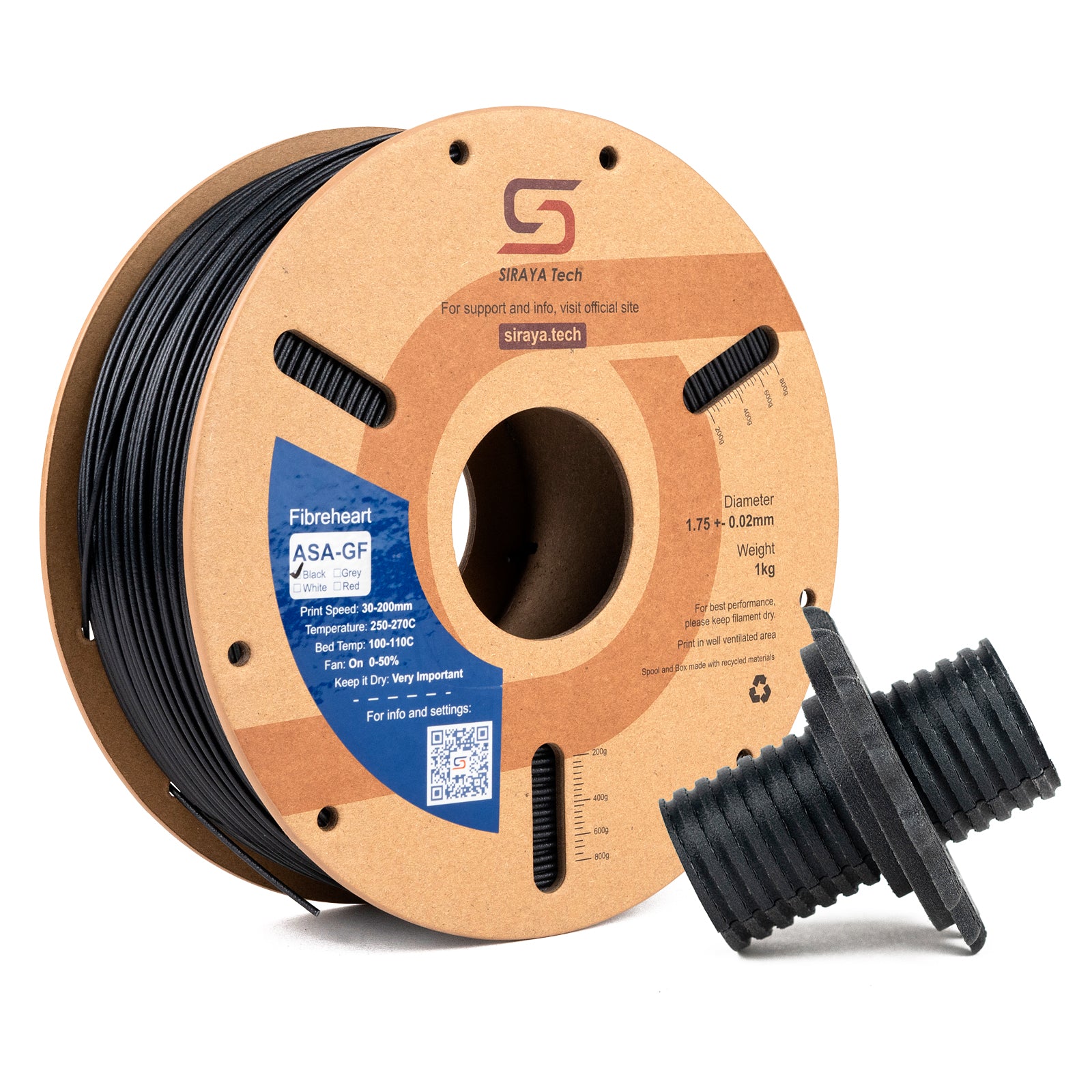
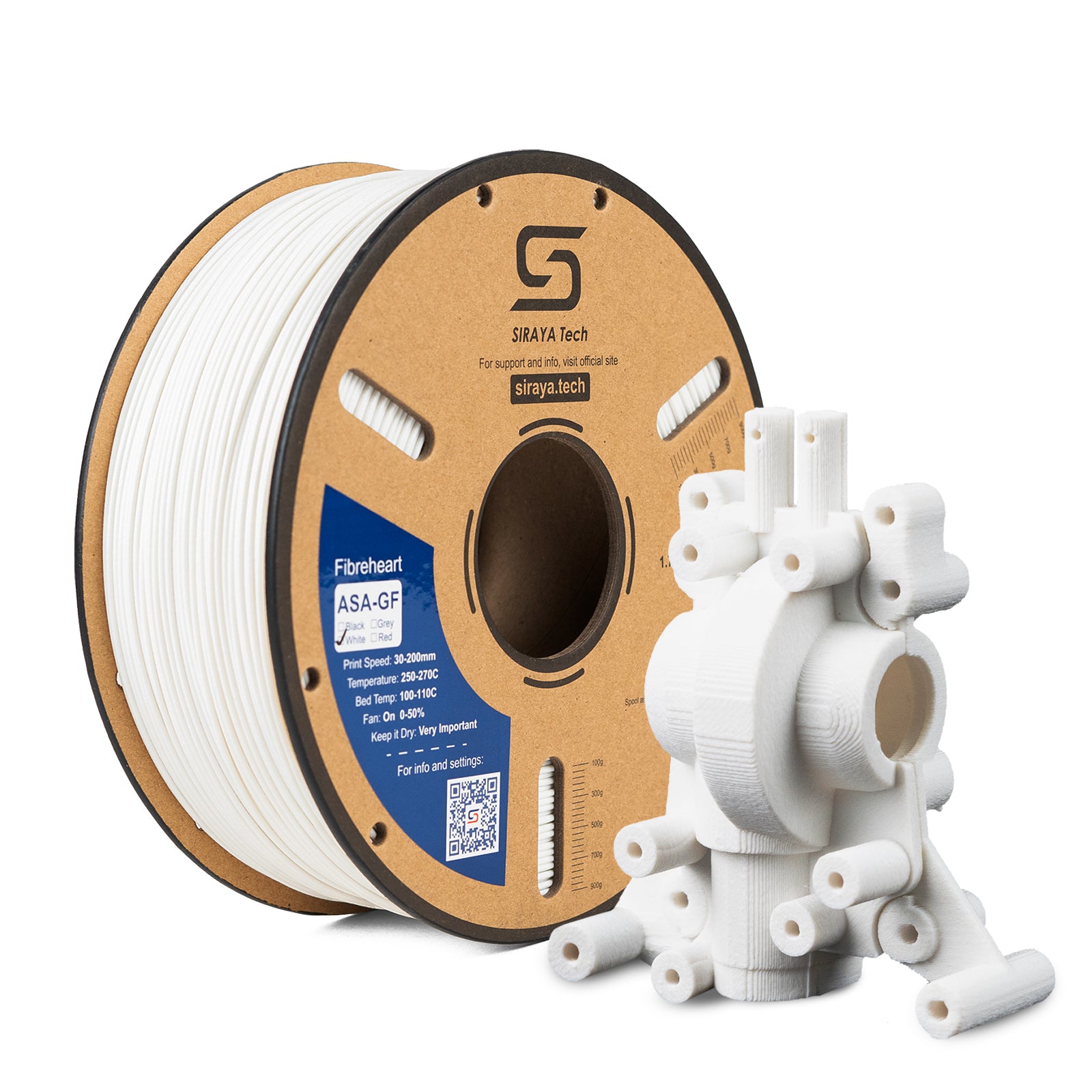
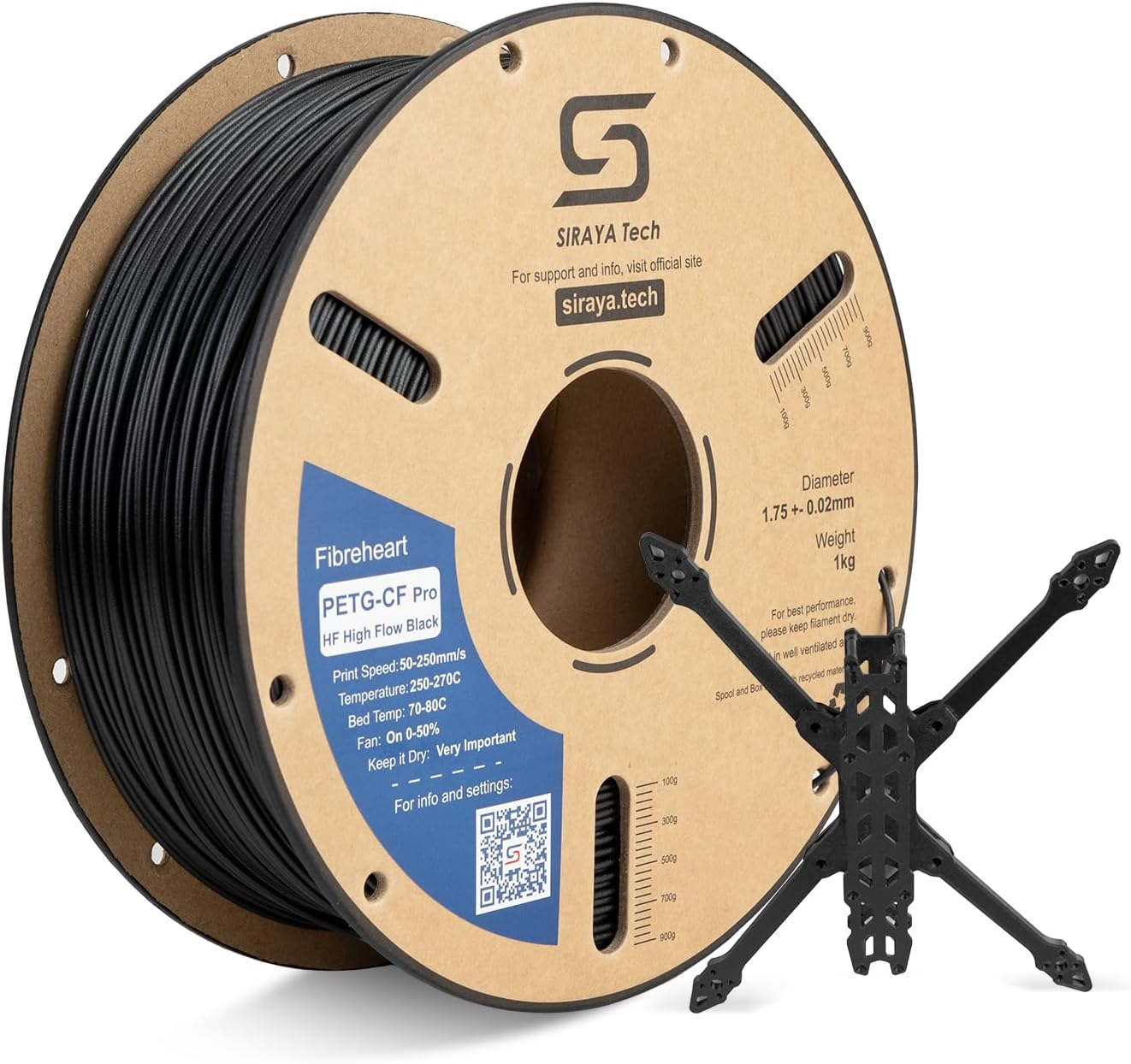
Filament for outdoor use from Siraya includes engineered materials that resist UV damage, weather exposure, and high temperatures. These work for makers and professionals building parts that need to last outside—garden equipment, drone frames, automotive components, and industrial fixtures.
Each material offers specific strengths: glass fiber reinforcement for rigidity, carbon fiber for impact resistance, or ASA's superior weather protection. Print with confidence knowing your finished parts won't fade, crack, or weaken after months in direct sunlight or harsh conditions.
Built to Survive Real Weather and Sun Exposure
Outdoor projects fail when standard materials can't handle what nature throws at them.
- UV resistant 3D printing filament prevents aging and discoloration even under intense sun exposure
- Weatherproof 3D printer filament maintains color and physical properties through rain, heat, and cold cycles
- Enhanced formulations resist moisture absorption that causes dimensional changes in humid environments
- Heat resistant filament for sun exposure keeps parts functional in applications reaching 90°C and above
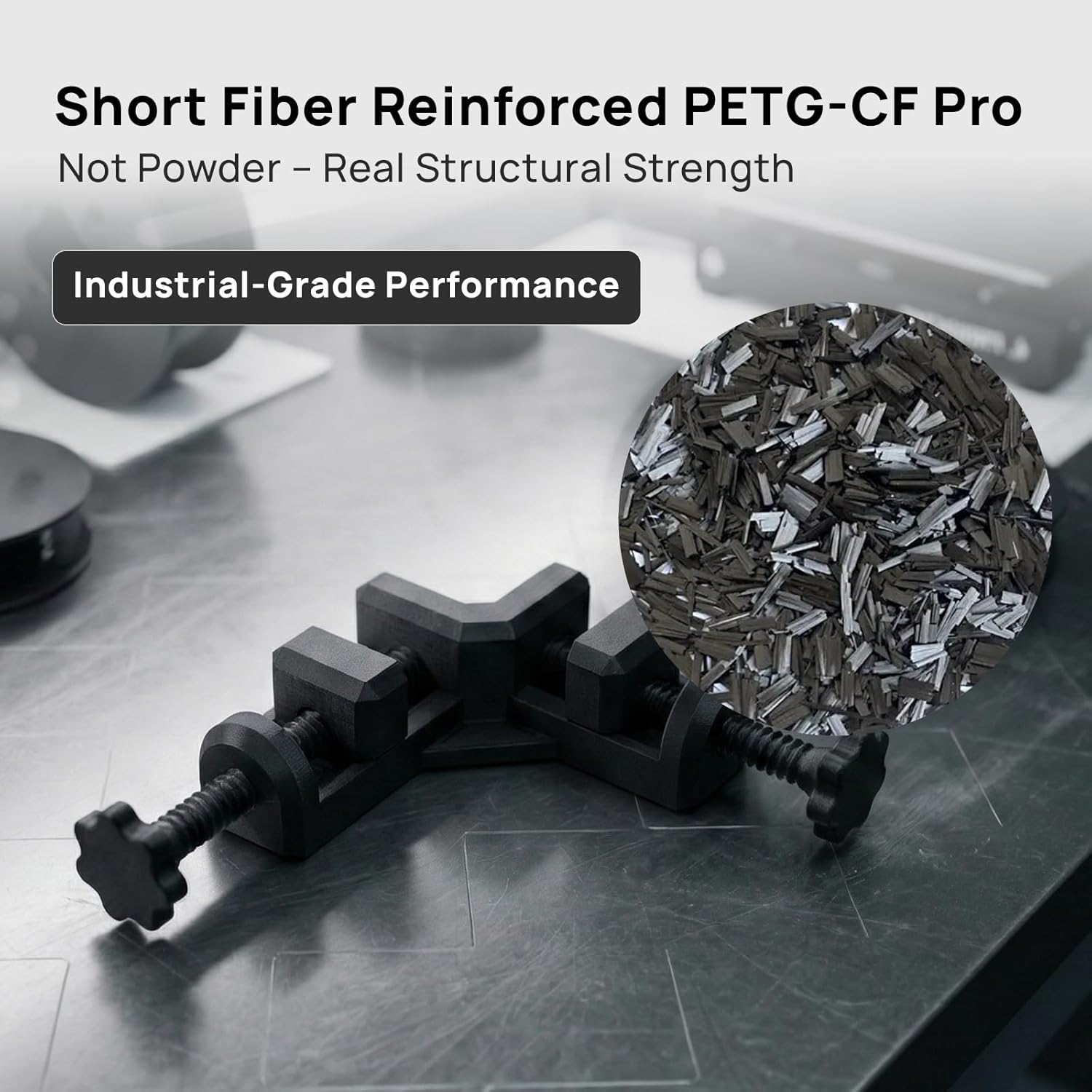
- Glass and carbon fiber reinforcement adds structural integrity that standard plastics can't match
Materials Designed for Longevity
ASA filament for outdoor prints outperforms alternatives in long-term durability testing. PETG outdoor filament options provide chemical resistance alongside weather protection. Both deliver the dimensional stability needed when precision matters even after environmental stress.
Strength Where Standard Filaments Fall Short
Parts that break under load waste time and materials.
- Glass fiber reinforcement increases stiffness and impact resistance for mechanical assemblies
- Carbon fiber content improves layer bonding and reduces brittleness in functional prototypes
- Higher glass transition temperatures support applications in engine bays and industrial equipment
- Minimal warping during printing means accurate dimensions without post-processing fixes
- Enhanced thermal stability maintains performance in heat cycles that melt standard materials
Print Successfully Without Special Equipment
Getting reliable results shouldn't require a complete printer upgrade.
- Works with hardened steel nozzles on most enclosed FDM printers
- Clear temperature guidelines and profiles for popular printer brands
- Better bed adhesion reduces failed prints and wasted filament
- Compatible with PEI build surfaces and standard preparation methods
- Straightforward drying and storage instructions prevent moisture issues
Settings That Work
Recommended profiles include precise nozzle temperatures, bed settings, and retraction distances. Direct-drive extruders handle fiber-reinforced materials best, though manual loading from bowden systems works when AMS feeding causes jams.
Real Applications That Demand Performance
These materials solve specific problems for makers who need parts that perform.
- Drone and robotics builders get lightweight, rigid frames that survive crashes and vibration
- Automotive enthusiasts print heat-resistant brackets, mounts, and trim that won't deform in summer heat
- Garden and outdoor equipment stays functional through UV exposure and temperature swings
- Industrial prototypes and tooling maintain dimensions in factory environments
- Signage and fixtures keep their appearance and strength year after year outside
Explore Related Collections From Siraya Tech
- Carbon Fiber Filament — Additional reinforced options for maximum stiffness and professional surface finish.
- Heat Resistant Filament — Materials engineered for even higher temperature applications and industrial use.
- Strong Filament — Impact-resistant choices for functional parts under mechanical stress.
- PETG CF Filament — High-flow carbon fiber PETG for faster printing with excellent chemical resistance.
FAQs on Filaments for Outdoor Use
What types of filament work best for outdoor use?
Materials with UV resistance and weather stability perform best outdoors. ASA offers superior color retention and weather protection compared to ABS.
PETG provides good chemical and moisture resistance with easier printing. Glass fiber or carbon fiber reinforced versions add strength and dimensional stability for mechanical applications. Choose based on your temperature requirements and exposure conditions.
How does UV resistance prevent outdoor print failures?
UV radiation breaks down polymer chains in standard plastics, causing brittleness and discoloration. UV resistant formulations include stabilizers that block this degradation.
This protection maintains both appearance and mechanical properties over years of sun exposure. Parts stay strong and colorful instead of becoming chalky and fragile. Applications like signage, garden tools, and automotive trim need this protection to survive.
Will fiber-reinforced outdoor filament work with my current printer?
Most enclosed FDM printers that reach 250-300°C nozzle temperature can print these materials. You need a hardened steel nozzle because glass and carbon fibers wear out brass quickly.
A 0.4mm or larger diameter works best for consistent flow. Direct-drive extruders handle fiber content better than bowden systems. Check that your build surface supports the recommended bed temperatures.
How much stronger are glass fiber and carbon fiber versions?
Glass fiber reinforcement typically increases tensile strength by 40-60% compared to base materials. Carbon fiber improves stiffness and impact resistance while reducing weight.
Both versions offer better heat deflection temperatures and dimensional stability. The tradeoff is slightly more brittle behavior and the need for wear-resistant nozzles. Strength improvements make these ideal for functional parts under load or stress.
Can outdoor filament handle both summer heat and winter cold?
Quality outdoor materials maintain properties across wide temperature ranges. ASA and reinforced PETG resist thermal cycling without cracking or deforming. Heat deflection temperatures above 90°C mean summer sun won't soften parts.
Low-temperature impact resistance prevents winter brittleness. Proper material selection based on your climate ensures year-round performance without seasonal failures or replacements.