
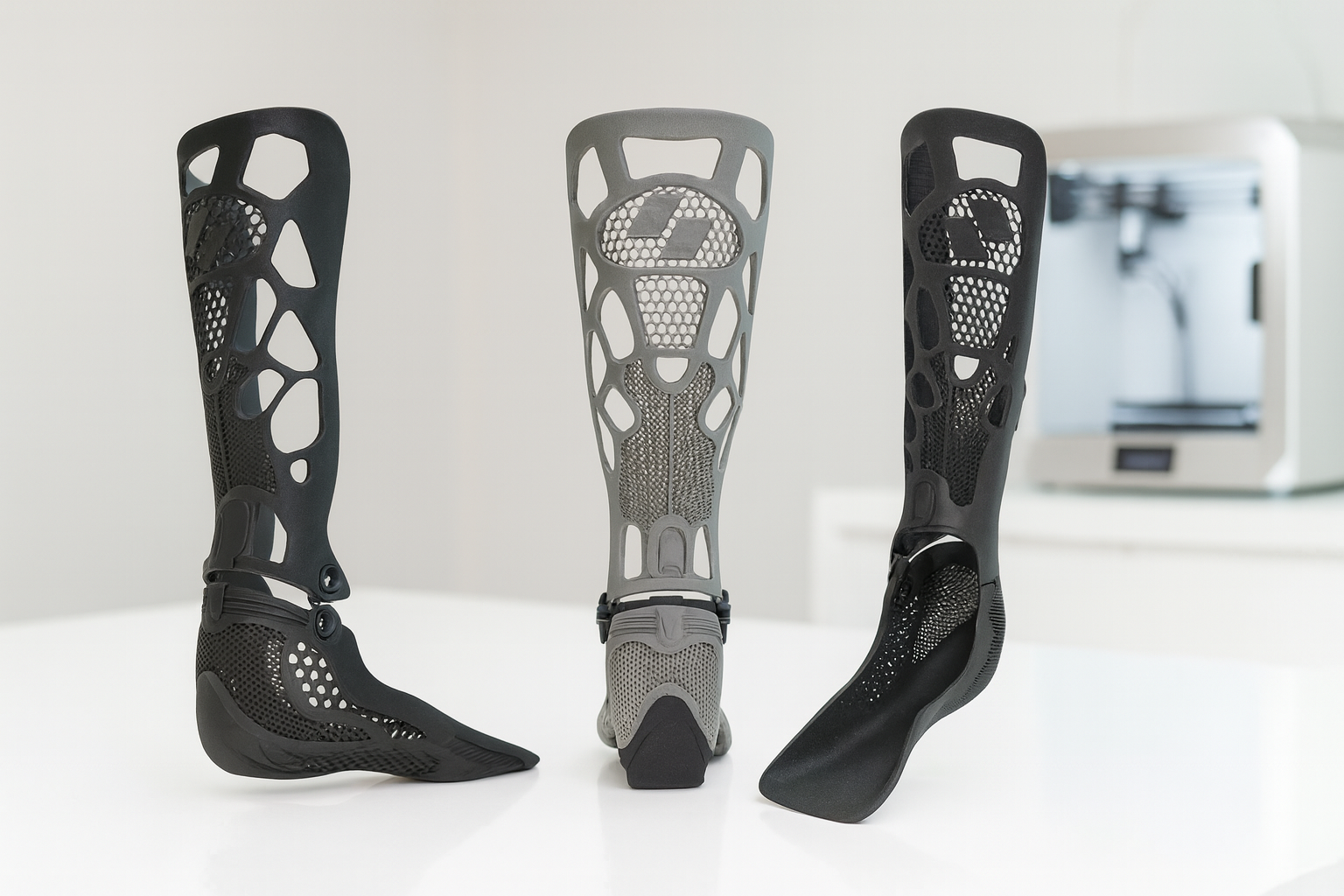
Orthotics are special shoe inserts designed to support your feet, improve comfort, and help with foot problems. Thanks to 3D printing technology, orthotics have become more precise, faster to make, and often more affordable than traditional options.
If you want to learn how 3D printed orthotics work and why they might be the right choice for you, this article will give you clear, easy-to-understand answers.
Keep reading to discover everything you need to know about 3D printed orthotics and how they can improve your foot health.
What Are 3D Printed Orthotics and How Do They Work?
3D printed orthotics are custom-made shoe inserts created using 3D printing technology. Unlike traditional orthotics, which are often carved or molded by hand, these orthotics start with a digital scan of your foot. This scan helps create a precise 3D model that is then printed layer by layer using special materials.
The process usually involves:
- Scanning your foot with a 3D scanner or capturing measurements digitally
- Designing the orthotic using computer software for a perfect fit
-
Printing the orthotic using durable and lightweight materials
Materials used in 3D printed orthotics can include flexible resins or plastics that provide both comfort and strength. Some materials even offer added benefits like breathability or shock absorption.
📌 If you want to learn more about how to make your own custom shoe insoles with 3D printing, check out the article DIY Custom Shoe Insoles with 3D Printing: A Beginner’s Guide for a step-by-step walkthrough.
Advantages of 3D Printed Orthotics Compared to Traditional Ones

3D printed orthotics offer several important benefits that make them a great choice for many people. Because they are made from a digital scan, they fit your feet much more precisely than mass-produced insoles or even some traditional custom orthotics.
Here are some key advantages:
- Perfect Fit: The digital design allows for detailed adjustments to support your arches, heels, and toes exactly where needed
- Faster Production: 3D printing can produce orthotics in a matter of hours or days, compared to weeks for traditional methods
- Lightweight and Durable: Modern 3D printing materials create orthotics that are both strong and comfortable to wear all day
- Cost-Effective: While custom orthotics have traditionally been expensive, 3D printing can reduce costs by simplifying production
These benefits make 3D printed orthotics a popular choice for athletes, people with foot pain, or anyone who wants better support without waiting or paying too much.
📌 Curious about other useful things you can 3D print? Don’t forget to browse the article Useful Things to 3D Print for Everyday Life to see creative and practical ideas for your 3D printer.
Cost and Value of 3D Printed Orthotics
When considering 3D printed orthotics, cost is an important factor. Prices can vary depending on the materials used, the complexity of the design, and the provider you choose. Generally, 3D printed orthotics are more affordable than traditional custom orthotics but more expensive than off-the-shelf insoles.
Factors that affect cost include:
- Type of 3D printing material (resin, plastic, or composite)
- Level of customization and complexity
- Whether additional features like extra cushioning or support are included
On average, 3D printed orthotics can range from moderate to high in price but often provide better long-term value because of their durability and comfort. Compared to traditional orthotics, they usually offer a faster turnaround and more precise fit at a competitive price.
📌 If you want to see examples of what 3D printing can create beyond orthotics, check out the article Creative 3D Printing Examples for Beginners to explore a variety of 3D printed projects.
Longevity and Maintenance of 3D Printed Orthotics
3D printed orthotics are designed to last for a long time, but their lifespan depends on the materials used and how often you wear them. Most 3D printed orthotics can last anywhere from one to three years with proper care, though this can vary based on your activity level and the specific materials used.
To keep your orthotics in good shape, consider these tips:
- Clean them regularly with mild soap and water
- Avoid exposing them to extreme heat or moisture
- Replace them if you notice cracks, loss of support, or discomfort
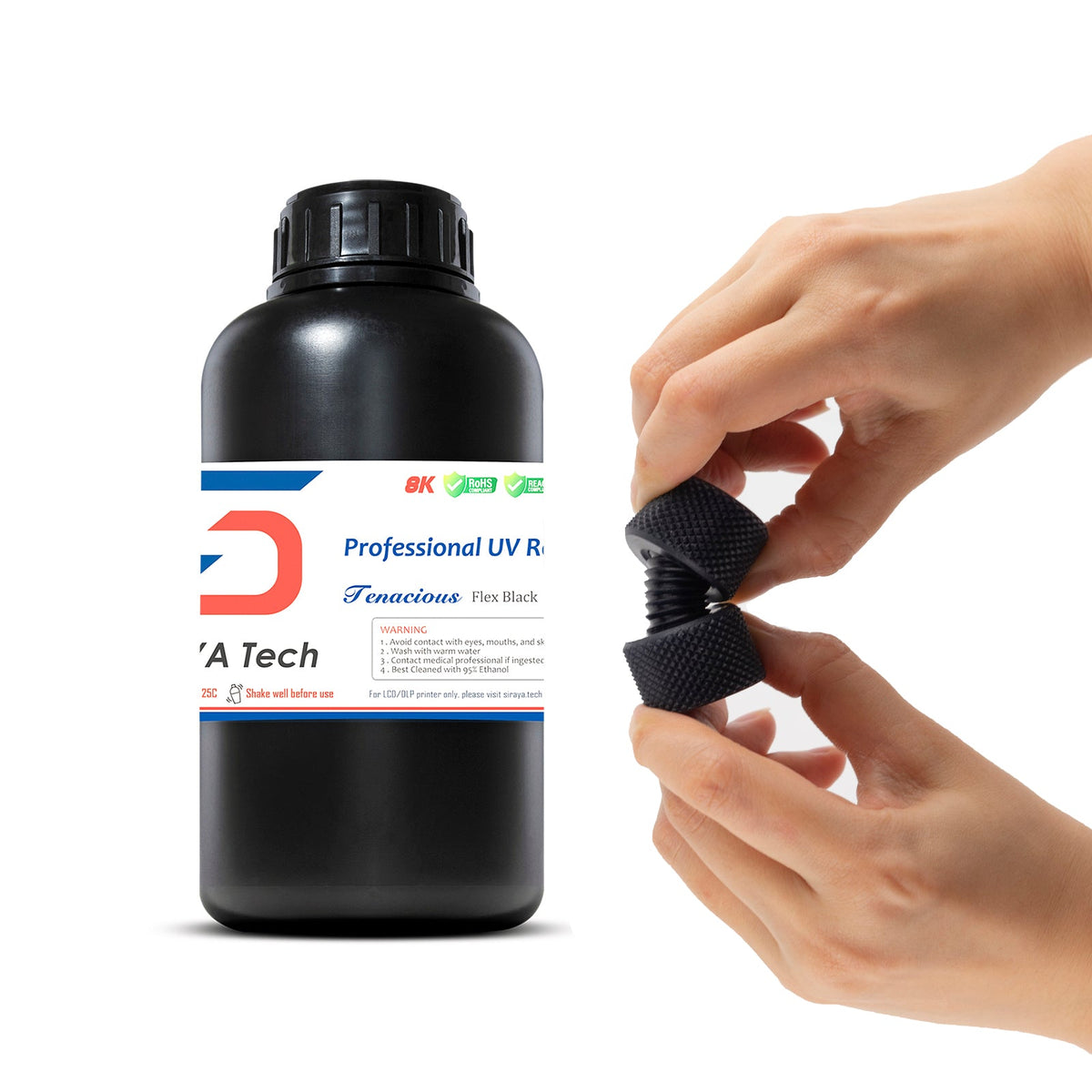
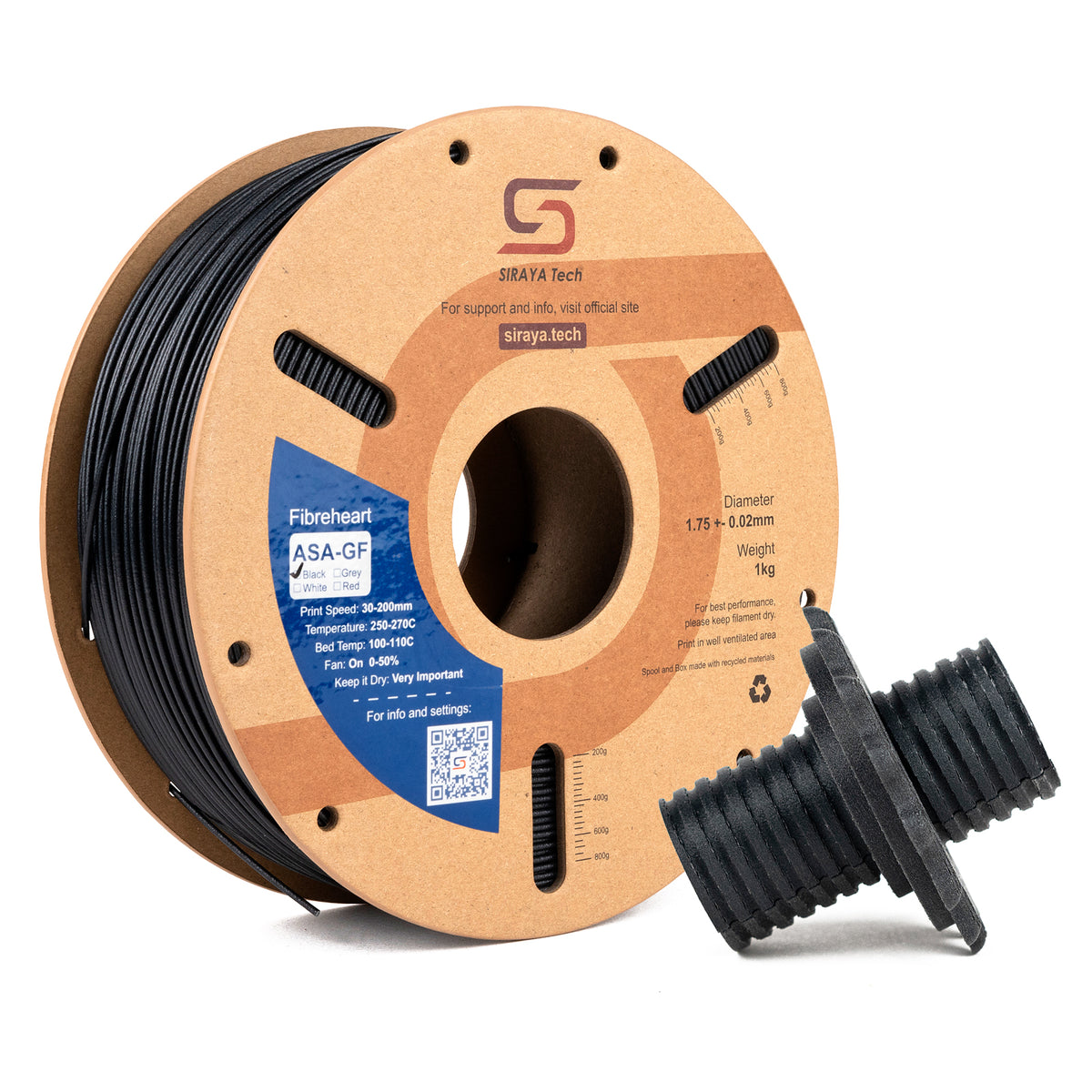
Materials like carbon fiber-infused filaments or flexible resins can extend the life of your orthotics while providing extra strength and comfort. For example, Siraya offers high-quality resins that can be used to create durable and comfortable orthotic parts.
Siraya Products You May Want to Shop
Explore More
Who Benefits Most from 3D Printed Orthotics?

3D printed orthotics are helpful for a wide range of people. They are especially useful for those who need custom foot support to relieve pain or improve walking and running comfort.
People who benefit most include:
- Athletes who want better foot alignment and shock absorption
- Individuals with flat feet, high arches, or plantar fasciitis
- People recovering from injuries or surgeries needing extra support
-
Anyone who experiences foot fatigue or discomfort during daily activities
Because 3D printed orthotics are customizable, they can be designed to address specific foot problems and lifestyle needs. This makes them a versatile option for improving foot health and comfort.
📌 If you are interested in what else you can make with a 3D printer, don’t forget to discover ideas in the article What Can You Make With a 3D Printer? for more inspiration.
How to Obtain Custom 3D Printed Orthotics
Getting your own pair of 3D printed orthotics usually starts with a foot scan or impression. Many clinics and specialty stores now offer 3D scanning services that capture detailed measurements of your feet.
Here is what to expect:
- A professional scans your feet or takes digital measurements
- The orthotic design is customized based on your foot shape and needs
- The orthotics are printed using high-quality materials and then fitted to your shoes
When choosing a provider, look for one that uses reliable scanning technology and durable materials. Some providers may also offer follow-up adjustments to ensure the perfect fit.
Insurance coverage for 3D printed orthotics varies widely depending on your plan and provider, so it’s a good idea to check with your insurance company before purchasing. Many plans cover custom orthotics partially or fully if prescribed by a doctor.
Conclusion
3D printed orthotics offer a modern, precise, and often more affordable way to get custom foot support. With faster production times, durable materials, and excellent customization options, they are changing how people manage foot health.
For more helpful guides and tips about 3D printed orthotics and other 3D printing topics, be sure to visit Siraya. Siraya also provides 3d printing filaments, resins for 3d printing, and platinum silicone crafting materials that help you create superior projects with ease.
Frequently Asked Questions About 3D Printed Orthotics
Can you 3D print orthotics?
Yes, 3D printing is widely used to create custom orthotics. The process allows for precise designs that fit your feet perfectly. It is a popular and effective method to produce durable and comfortable orthotic inserts.
Are 3D printed orthotics worth it?
3D printed orthotics are often worth the investment because they provide a custom fit, are made quickly, and can be more affordable than traditional custom orthotics. They offer good durability and comfort for many users.
How long do 3D printed orthotics last?
The lifespan of 3D printed orthotics depends on the materials and usage but typically lasts between one and three years. Proper care and maintenance can help extend their life.
How much are custom orthotics without insurance?
Custom orthotics without insurance can range from several hundred to over a thousand dollars, depending on the provider and materials. 3D printed orthotics often offer a more cost-effective alternative.
1 コメント
Academy karthikeya
Great share ! statutory and taxation course in hyderabad