
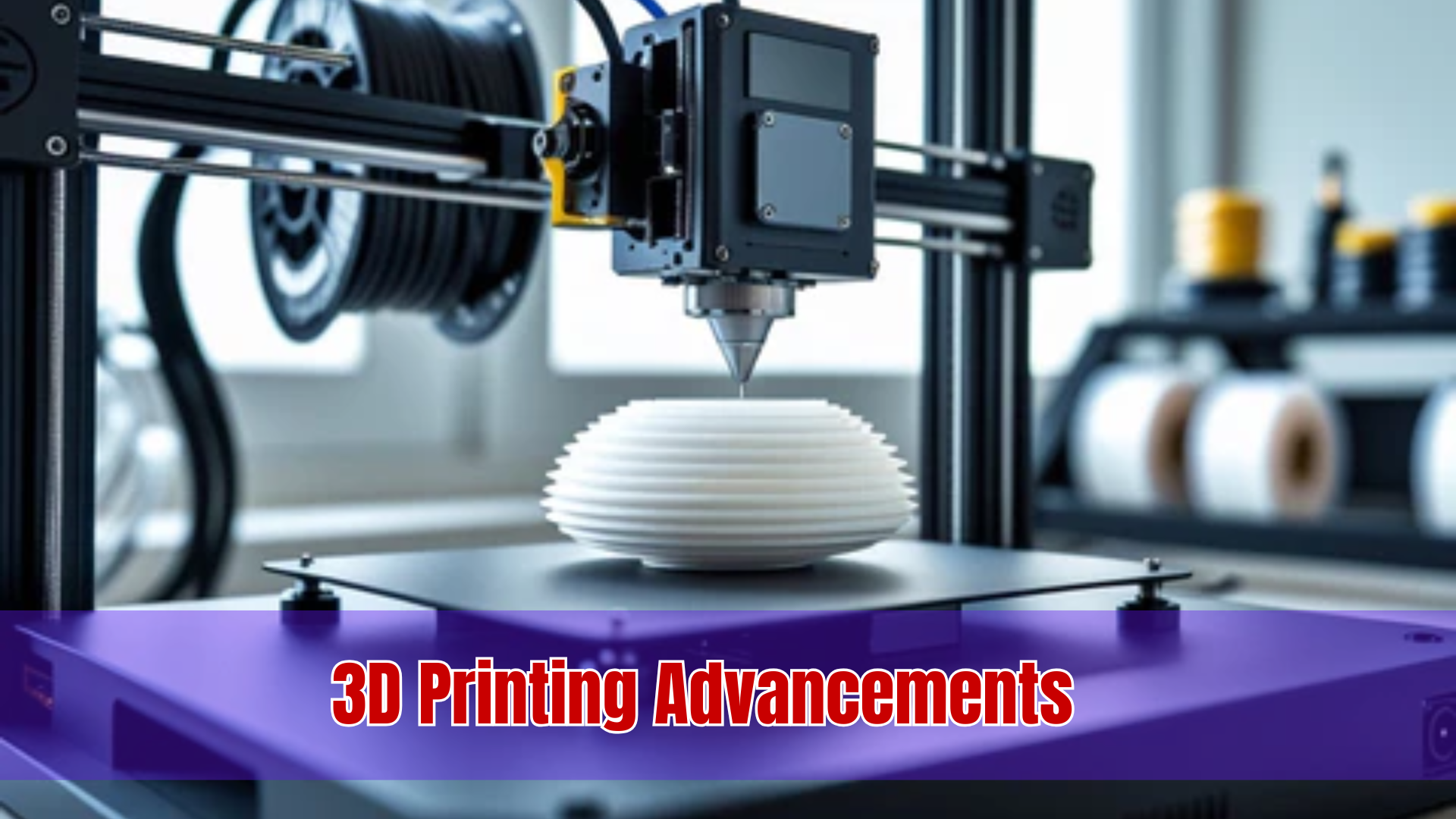
3D printing is changing faster than most people expect, and the latest 3D printing advancements are shaping how products are designed, tested, and made around the world.
From faster printers to stronger materials, these improvements are making 3D printing more useful for everyday projects and large scale production alike.
Whether you are curious about what is new or how far the technology can go, understanding these advancements helps you see where things are headed.
Keep reading to explore how modern 3D printing is evolving and why these changes matter right now.
What Are 3D Printing Advancements and Why They Matter
3D printing advancements refer to the ongoing improvements in printers, materials, software, and processes that make additive manufacturing better over time.
These changes matter because they allow people to create parts that are stronger, faster, cheaper, and more reliable than before.
As 3D printing advancements continue, they reduce waste, shorten production times, and open new possibilities in manufacturing, healthcare, construction, and education.
This steady progress is why 3D printing is moving from a hobby tool to a serious production method.
Siraya 3D Filaments and Resin You May Shop
Explore More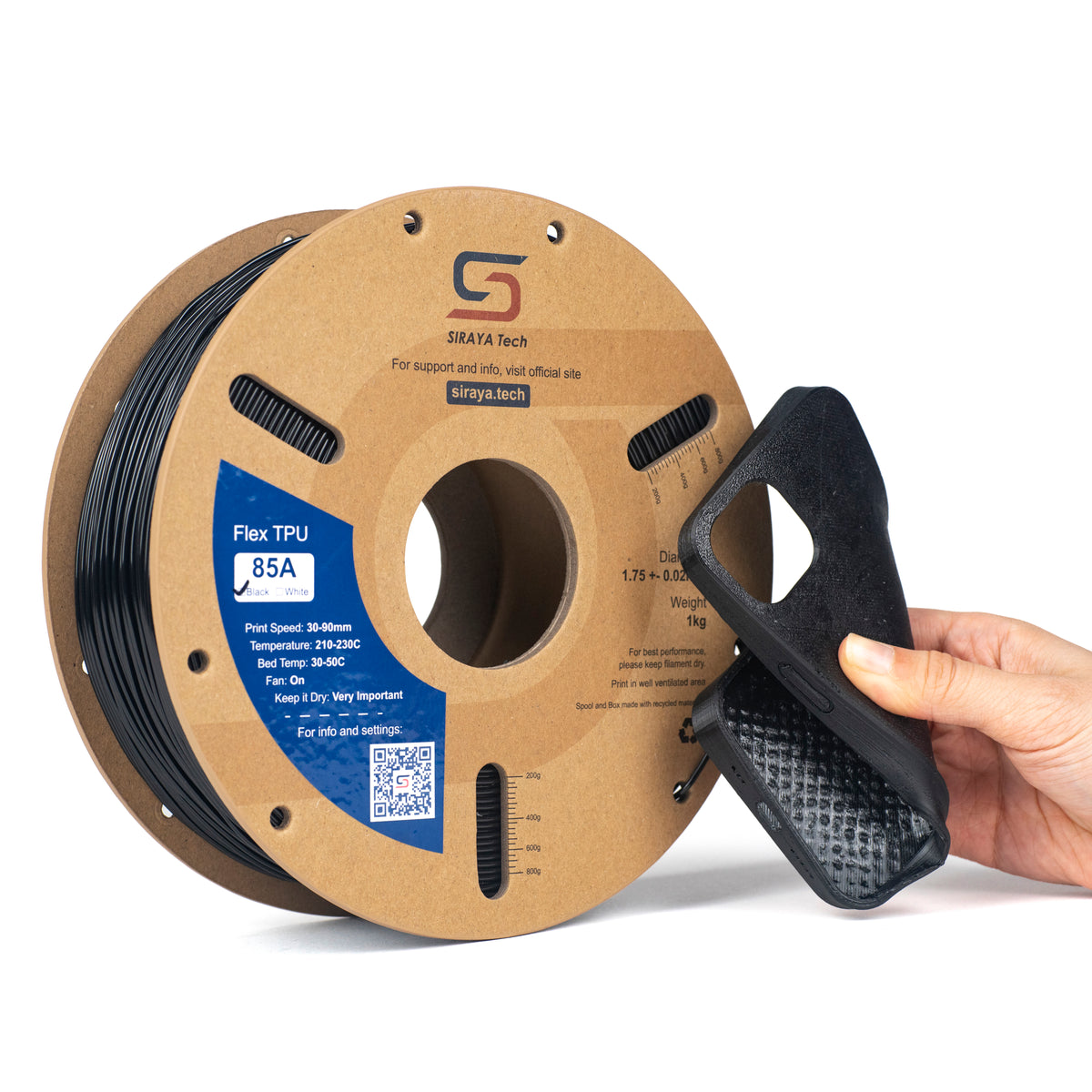

📌 3D printing advancements are easier to understand when you know how the process works. Check out How Does 3D Printing Work? Understanding Methods and Process for a clear and simple breakdown.
The Most Important 3D Printing Advancements Today

Recent 3D printing advancements focus on speed, quality, and ease of use. These improvements help both beginners and professionals get better results with less effort.
Faster and More Efficient 3D Printing
New motion systems and smarter slicing tools have greatly reduced print times. Printers can now move faster while still producing smooth and accurate parts.
Key improvements include:
- High speed extrusion systems
- Better cooling for clean layers
- Optimized print paths that reduce wasted movement
These upgrades make 3D printing more practical for real production instead of just prototypes.
Major Improvements in 3D Printer Hardware
Modern printers are more reliable and easier to use than earlier models. Automatic bed leveling, enclosed build chambers, and improved sensors help reduce failed prints.
Common hardware advancements include:
- Larger build volumes for bigger parts
- Stronger frames for better stability
- Built in monitoring to catch errors early
These changes allow users to focus on design instead of constant troubleshooting.
Advanced Materials Expanding What Can Be Printed
Material science is one of the biggest drivers of 3D printing advancements. New filaments and resins allow printed parts to handle heat, stress, and outdoor conditions much better.
Examples of material progress include:
- Tough and flexible polymers for functional parts
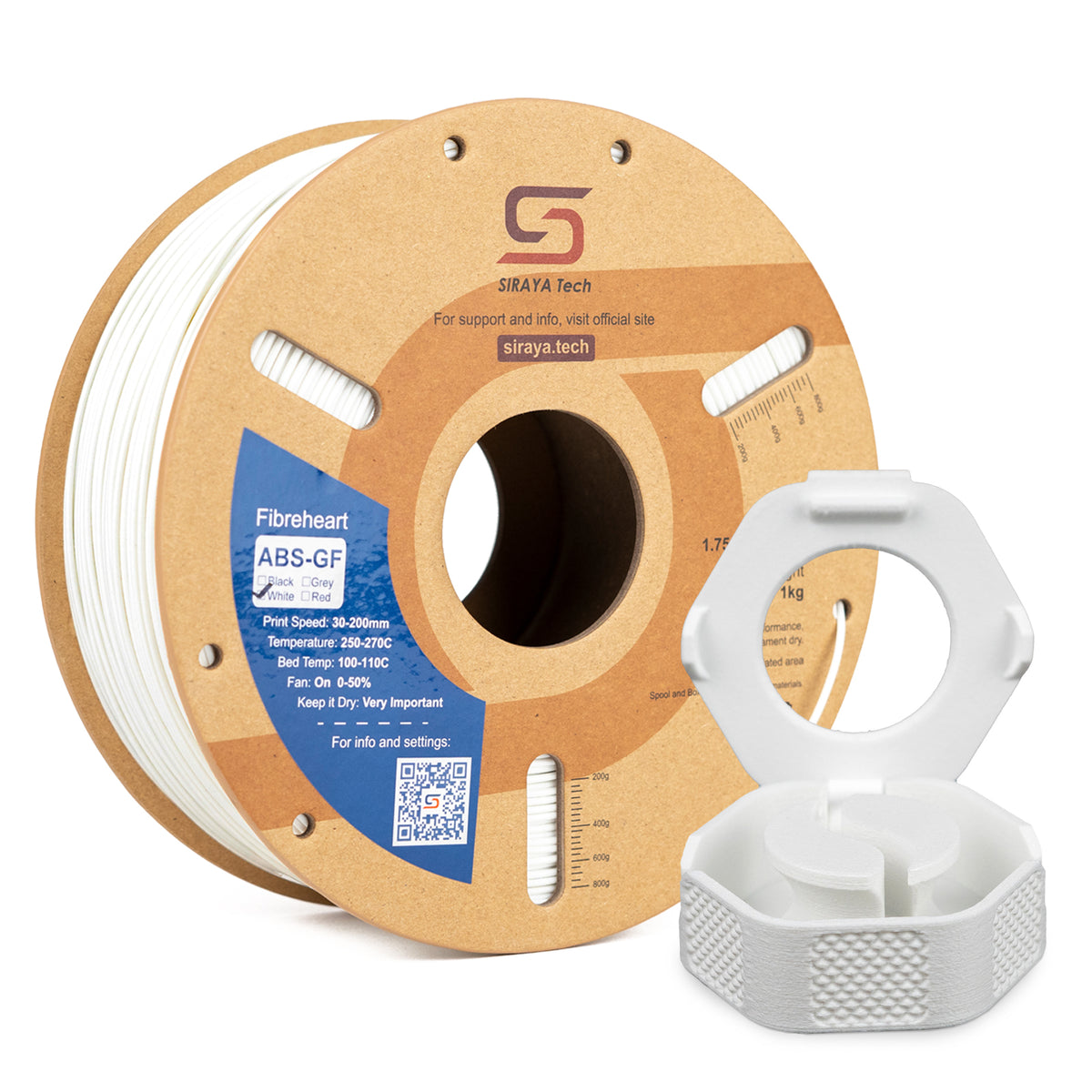
- Reinforced filaments with fibers for added strength
- Specialty resins for detailed or technical prints
Carbon fiber and glass fiber filled options share many properties with standard plastics but add higher stiffness and reduced warping. This makes them useful for demanding applications. High quality materials from trusted suppliers like Siraya can help ensure consistent results across different projects.
📌 New materials also make more practical items possible. Check out Useful Things to 3D Print for Everyday Life to see how these advancements turn into real objects.
Core Technologies Behind Modern 3D Printing Advancements
Several 3D printing technologies continue to evolve, each contributing to overall progress. These technologies improve precision, speed, and material compatibility.
Filament Based 3D Printing
Filament printing remains popular due to its simplicity and versatility. Advancements in extrusion systems and material blends have made filament prints stronger and more reliable.
Improved filament options include:
- Reinforced blends for added durability
- Heat resistant formulations for tougher environments
- Cleaner extrusion for smoother surfaces
Siraya 3D printing filaments are an example of how refined material formulas can improve print consistency without changing basic workflows.
Resin Based 3D Printing
Resin printing has seen major improvements in accuracy and surface quality. Faster curing and better light control allow for detailed parts with minimal post processing.
Resin advancements focus on:
- Stronger mechanical properties
- Reduced brittleness
- Faster layer curing
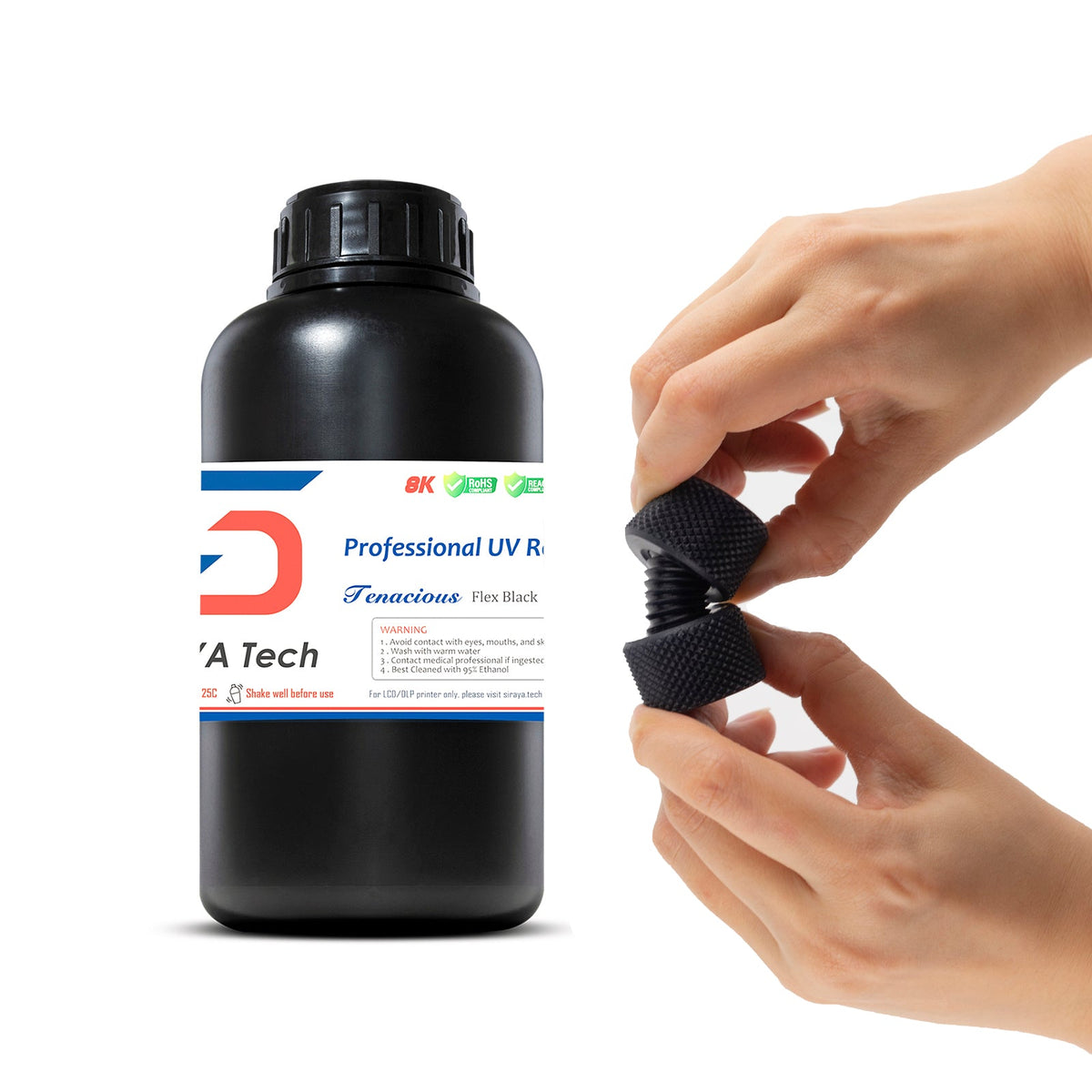
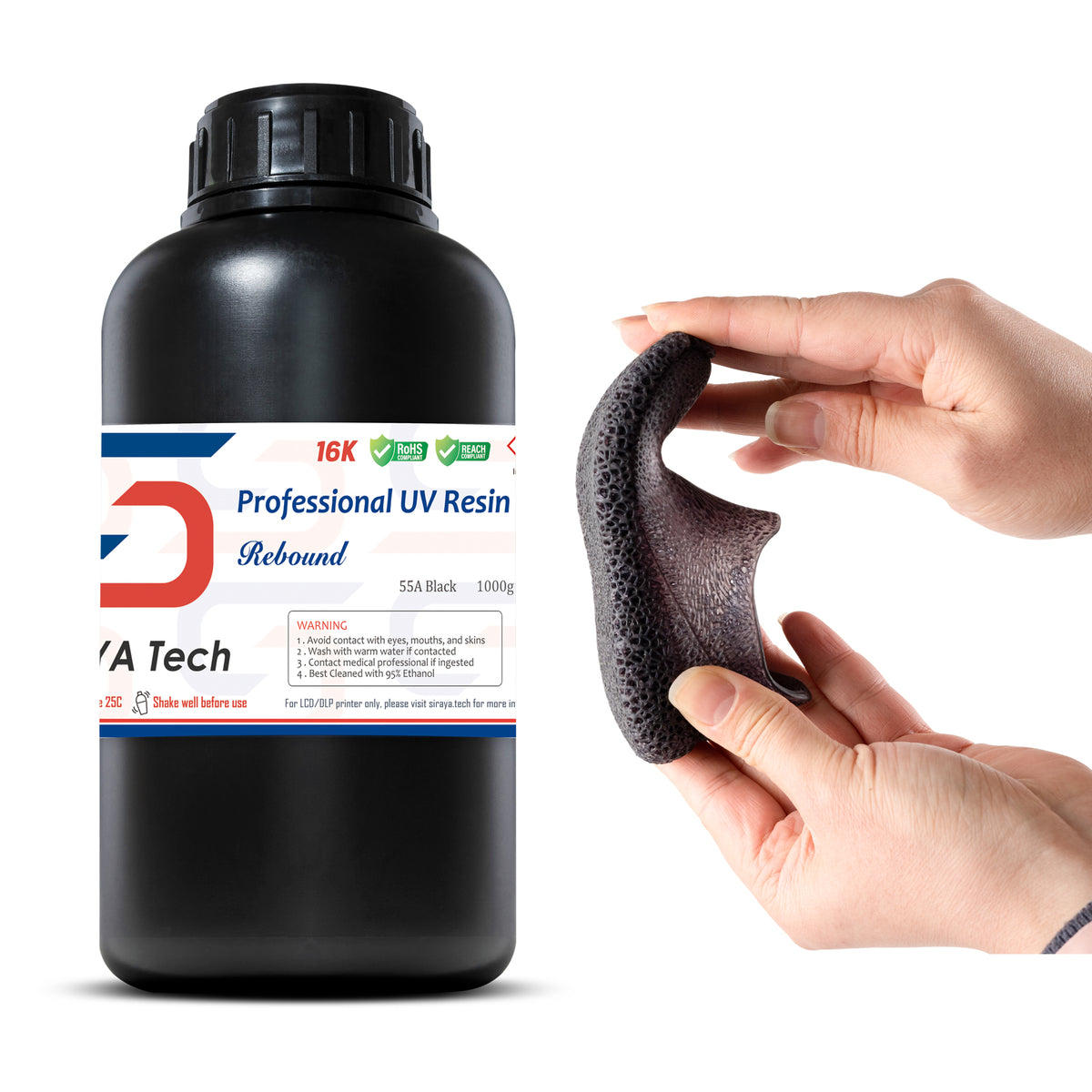
Specialty options like tenacious resin and castable resin help users create flexible parts or clean burn out molds for casting applications.
Powder and Metal 3D Printing Progress
Powder based and metal printing technologies continue to advance in industrial settings. These systems now offer better density, smoother finishes, and stronger final parts.
While less common for home users, these advancements play a key role in aerospace, automotive, and medical manufacturing.
Software and Automation Advancing 3D Printing
Software plays a major role in modern 3D printing advancements. Better programs help printers work smarter and produce more consistent results.
Recent software improvements include:
- Smarter slicing that reduces support material
- Automatic error detection during printing
- Improved simulation tools to predict issues before printing
These tools lower the learning curve and make advanced printing more accessible to new users.
Siraya 3D Filaments and Resin You May Shop
Explore More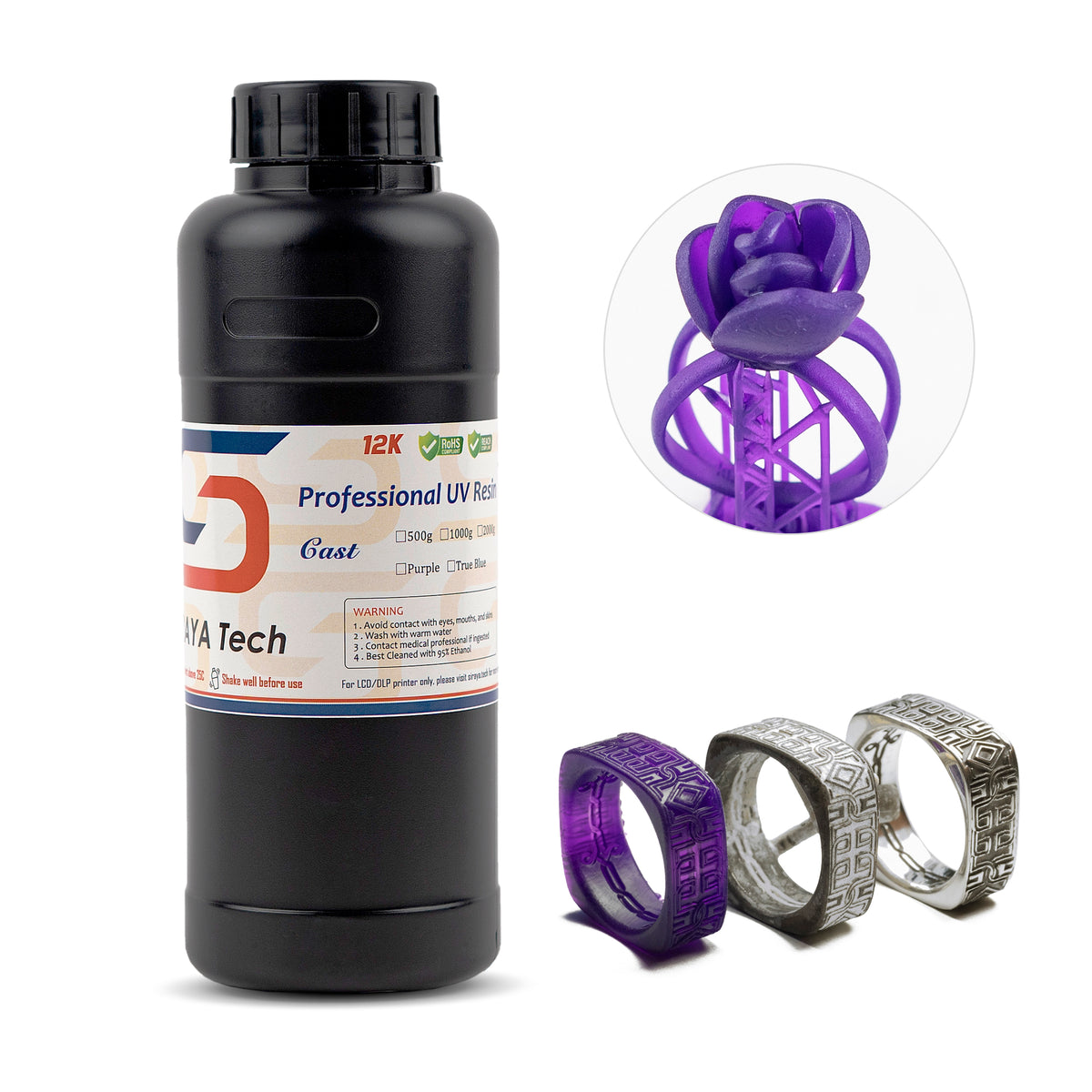
Challenges in 3D Printing and How Advancements Are Solving Them
Every technology has limits, and 3D printing is no exception. Many recent advancements directly target the most common problems users face.
Balancing Speed and Strength
Printing faster used to mean weaker parts. New materials and motion control systems help maintain strength even at higher speeds.
Material Limitations
Older materials struggled with heat, impact, or outdoor use. New blends and reinforced filaments greatly expand what printed parts can handle.
Print Consistency and Failures
Automation and better calibration reduce human error. Enclosed printers and smarter sensors also improve success rates for long prints.
New Trends Shaping 3D Printing Advancements

Trends in 3D printing show where the technology is heading next. These patterns reflect how users and industries are adopting new capabilities.
Key trends include:
- More industrial level production with 3D printing
- Multi material printing in a single job
- Growing focus on sustainability and reduced waste
📌 Many of these trends are now reachable for everyday users. Discover how setups are changing in How to Start 3D Printing at Home Successfully.
How 3D Printing Advancements Are Changing Real World Production
3D printing advancements are reshaping how products are made and delivered. Companies can now produce parts on demand instead of storing large inventories.
Benefits of this shift include:
- Faster product development cycles
- Local production closer to users
- Easier customization without extra cost
📌 Real examples help show this impact clearly. Don’t forget to browse RCreative 3D Printing Examples for Beginners to see these advancements in action.
Where 3D Printing Advancements Are Headed in the Next 10 Years
Looking ahead, 3D printing advancements are expected to focus on reliability, automation, and wider adoption. Printers will become more common tools in homes, schools, and factories.
Future progress may include:
- Stronger materials matching traditional manufacturing
- Seamless integration with other production methods
- More user friendly systems requiring less setup
These changes could make 3D printing a standard part of how many products are made.
Conclusion
3D printing advancements continue to push the technology forward, making it faster, stronger, and easier to use than ever before. From improved hardware and smarter software to advanced materials, these changes are expanding what people can create at home and in industry.
As technology evolves, staying informed helps you make better choices for your projects. For more helpful guides and tips about 3D printing advancements and other 3D printing topics, Siraya is a great resource and also offers high quality products like 3D printing filaments, resins for 3D printing, and platinum silicone crafting materials designed to deliver superior results for your projects.
FAQs About 3D Printing Advancements
What is in high demand for 3D printing?
Functional parts and replacement components are in high demand as 3D printing becomes more reliable. Customized tools, fixtures, and small batch products are also popular. Many users value the ability to create parts quickly without waiting for traditional manufacturing.
Can I legally sell 3D prints?
In general, selling 3D prints is allowed if you own the design or have permission to use it. Problems can arise when printing copyrighted or trademarked designs without authorization. Understanding basic design rights helps avoid legal issues.
What is the biggest market for 3D printing?
Manufacturing remains the largest market for 3D printing advancements. Industries use it for prototyping, tooling, and increasingly for end use parts. Healthcare and construction are also growing rapidly.
Is 3D printing profitable in 2026?
3D printing can be profitable when used for the right applications. Success depends on choosing useful products, reliable materials, and efficient workflows. Advancements that reduce failures and increase speed help improve profitability.