
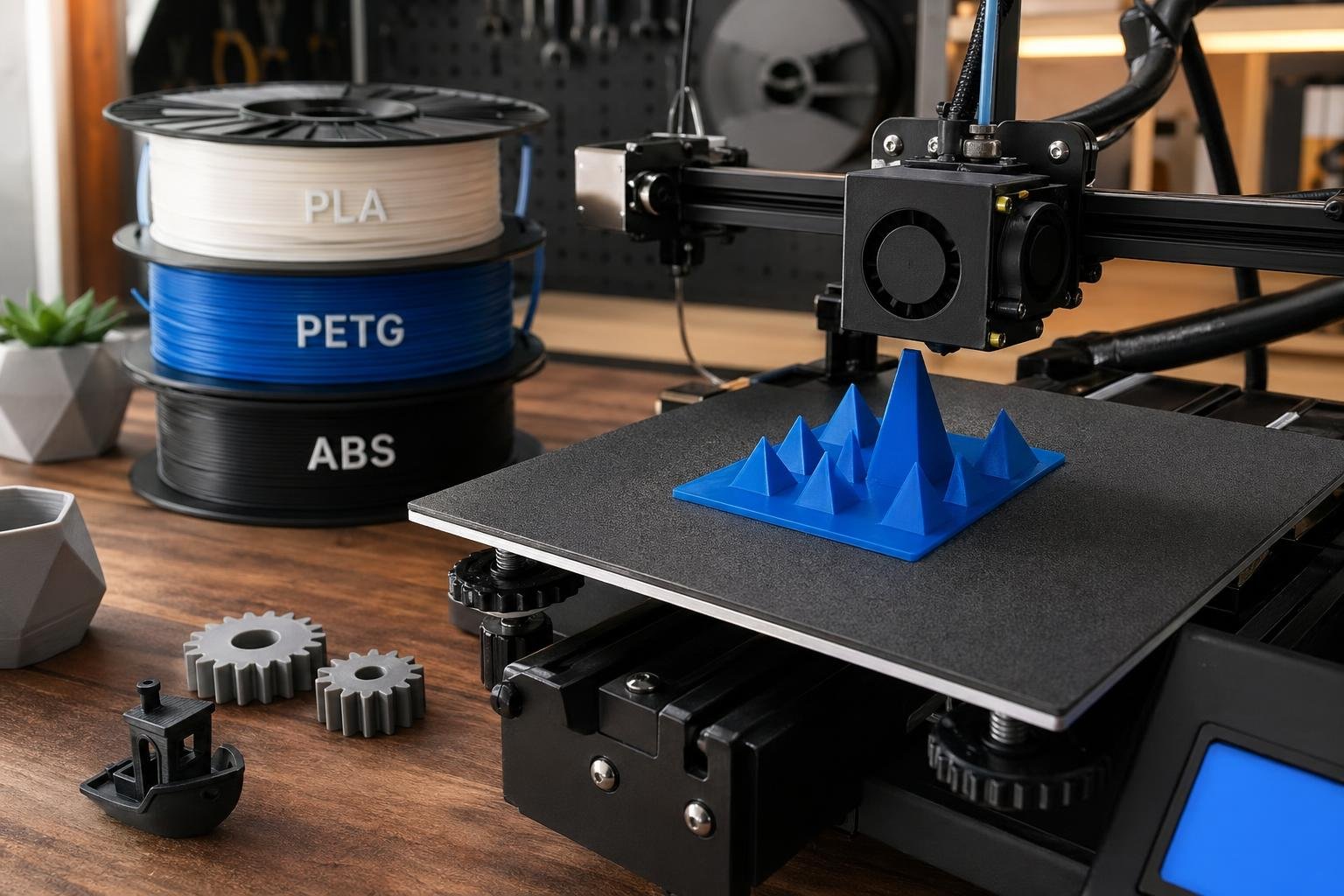
Getting the first layer to stick is the most important step in any 3D print. If your print does not stick to the bed, it can warp, curl, or completely fail.
Good bed adhesion means your model stays flat and steady while the rest of the layers build on top. Once you understand what controls adhesion, printing becomes easier and more reliable.
Read on to learn the best bed adhesion for 3D printing and how to improve your results right away.
🧲Key Takeaways
- •The first layer decides if your 3D print succeeds or fails
- •Clean build plates and proper leveling improve bed adhesion instantly
- •PEI sheets and glass beds are popular choices for strong adhesion
- •Bed temperature and first layer speed matter more than most people think
- •Different filaments like PLA, PETG, ABS, and Nylon need different settings
- •Quality materials such as those from Siraya can improve consistency and print performance
What Is the Best Bed Adhesion for 3D Printing?

Bed adhesion is how well your first printed layer sticks to the build plate. Strong adhesion prevents lifting, shifting, and warping during the print.
The best bed adhesion for 3D printing depends on three things: your build surface, your temperature settings, and your filament type.
The 3 Main Factors That Control Bed Adhesion
- Build surface type such as glass, PEI, textured sheet, or G10
- Bed temperature matched to the filament
- First layer settings like Z offset, speed, and extrusion width
When these three work together, prints stick firmly but still release easily after cooling.
Best Bed Surface for 3D Printing Bed Adhesion
Your build plate surface has a huge impact on how well prints stick. Choosing the right surface can reduce the need for glue or extra adhesives.
Glass Bed for Smooth and Reliable Adhesion
Glass beds are popular because they are flat and affordable. They work very well with PLA when cleaned properly.
- Easy to clean with isopropyl alcohol
- Great for smooth bottom finishes
- Often needs glue stick for PETG or ABS
Glass is a solid option for beginners learning how to get good bed adhesion in 3D printing.
PEI Sheet for Strong and Consistent Grip
PEI sheets are one of the most trusted surfaces for strong first layer adhesion. They work especially well for PLA and PETG.
- Excellent grip when hot
- Releases prints after cooling
- Low maintenance
Textured PEI adds extra grip for larger prints. Smooth PEI gives a glossy finish.
Flexible Magnetic Build Plates
Flexible plates make removing prints simple. You can bend the plate slightly and the model pops off.
They offer strong adhesion but may wear out over time. They are great for printing multiple parts quickly.
G10 Garolite for Nylon and Engineering Filaments
Garolite, also called G10, is often used for Nylon and advanced materials. It provides strong adhesion without extra glue. Some Nylon blends may still benefit from a light glue layer depending on formulation and printer setup.
If you print technical materials often, this surface can reduce warping and lifting.
Best Adhesives for 3D Printer Bed Adhesion
Sometimes you need extra help to keep prints stuck. Adhesives can improve grip or act as a release layer.
What Is the Best Adhesive for 3D Printers?
Common options include:
- Glue stick
- Hairspray
- Liquid bed adhesives
- Painter’s tape
- ABS slurry for ABS prints
Glue sticks are simple and easy to apply. They help PLA stick to glass and prevent PETG from bonding too strongly to PEI.
When to Use Adhesives
Use adhesives when:
- Printing large flat objects
- Printing ABS without an enclosure
- Your room is cold or drafty
Avoid overusing adhesives if your surface already provides strong adhesion.
How to Get Good Bed Adhesion in 3D Printing
Strong adhesion starts with correct printer setup. Even the best surface cannot fix poor leveling.
Step by Step Guide to Better First Layer Adhesion
-
Level your bed carefully
Make sure the nozzle is evenly spaced from the bed on all corners. -
Set the correct Z offset
The first layer should look slightly squished but not scraped. -
Slow down the first layer speed
Print the first layer at 15 to 25 mm per second. -
Increase first layer extrusion width
A slightly wider line improves contact with the bed. -
Use proper bed temperature
Match temperature to filament type.
Small adjustments can make a big difference in print success.
Best Bed Temperature for PLA, PETG, ABS, and More
Temperature plays a major role in bed adhesion. Too low and prints lift. Too high and they may stick too hard.
PLA Bed Temperature
- 50 to 65 degrees Celsius
- Works well on glass or PEI
- Minimal warping compared to ABS
For enhanced PLA prints, specialty blends like carbon fiber infused materials can reduce warping and improve stiffness. For example, PETG-CF shares many PETG properties but adds greater hardness and a matte finish.
Explore Siraya Materials for Reliable First Layers
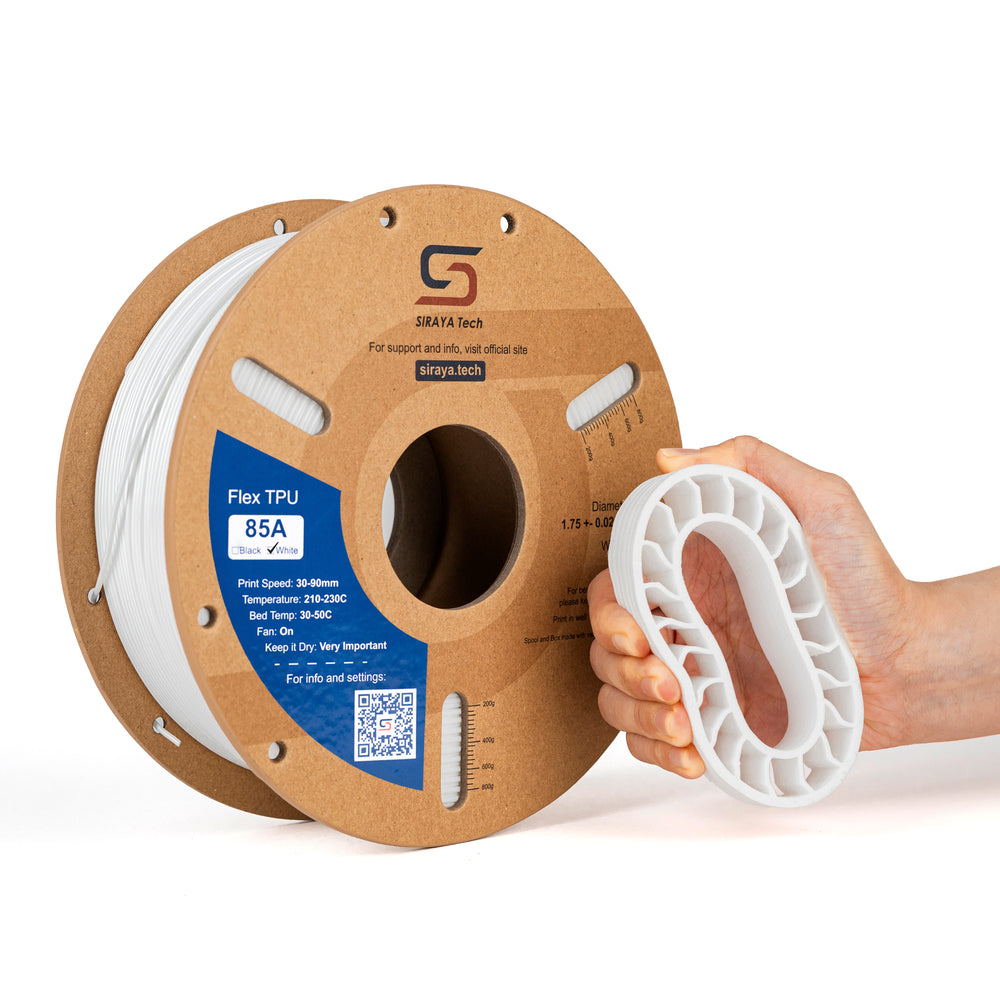
Shop engineering filaments and flexible materials for stronger prints, better consistency, and more reliable bed adhesion across demanding projects.
Explore Siraya Materials →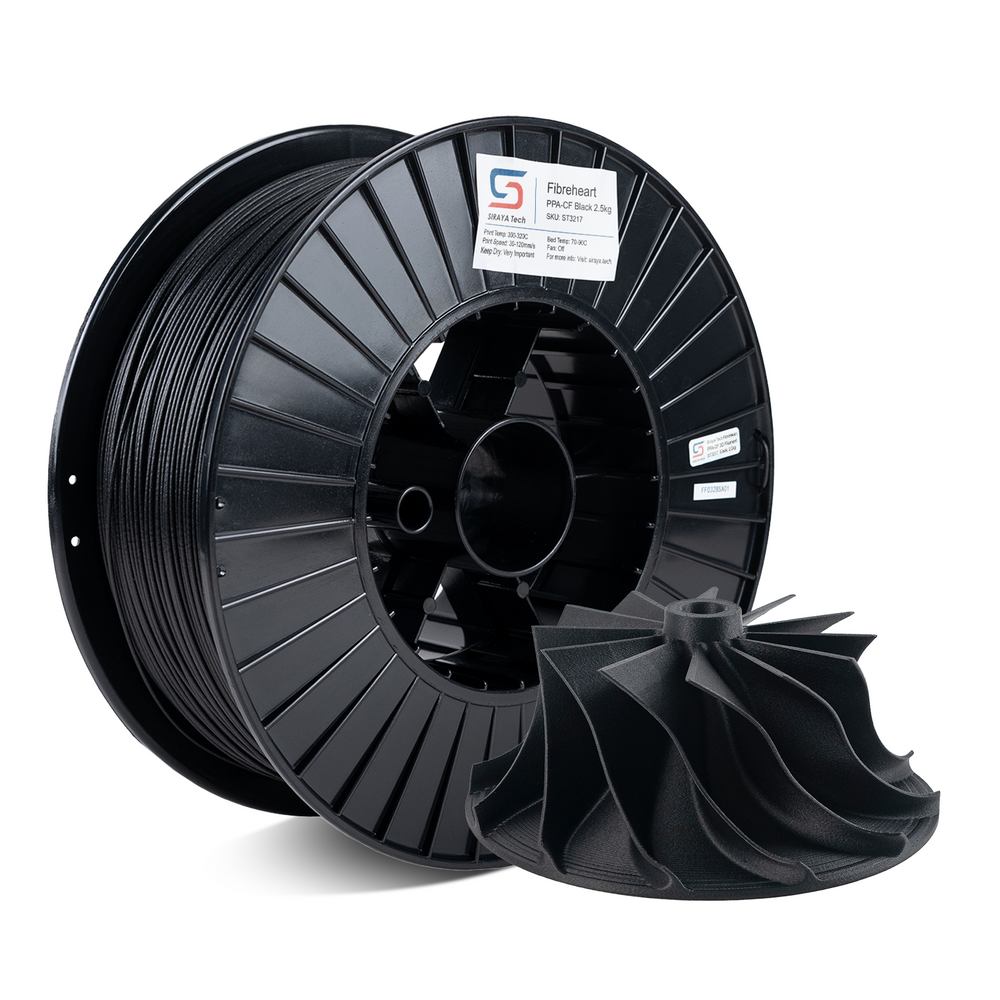

PETG Bed Temperature
- 70 to 85 degrees Celsius
- Sticks strongly to PEI
- Use glue as a release layer if needed
PETG has better layer adhesion than PLA but may bond too strongly to smooth PEI surfaces.
ABS Bed Temperature
- 90 to 110 degrees Celsius
- Works best with enclosure
- Needs strong bed adhesion to prevent warping
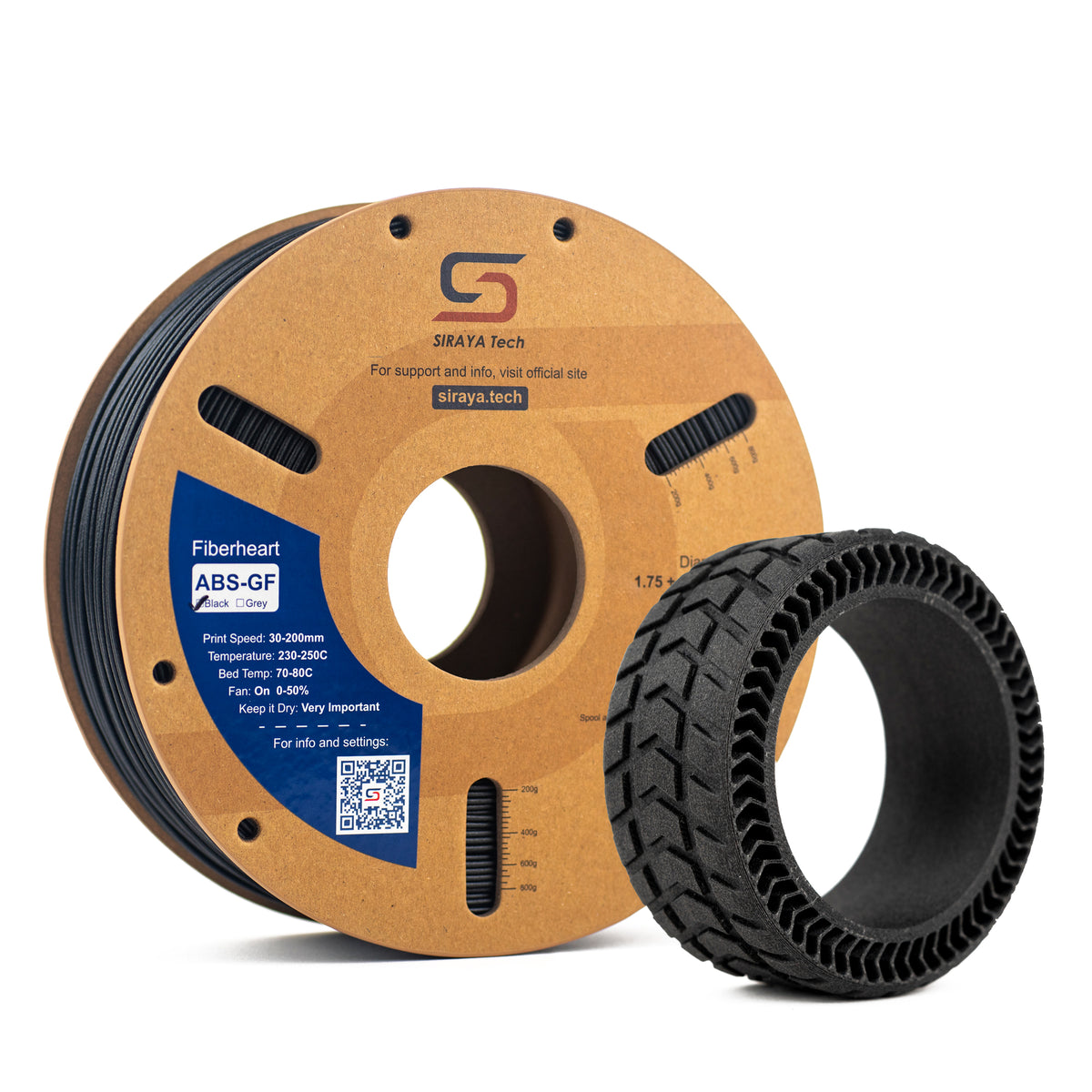
Advanced blends like ABS-CF or ABS-GF offer added strength and reduced shrinkage compared to standard ABS.
Nylon and Engineering Filaments
- 70 to 100 degrees Celsius depending on blend
- Prefer textured surfaces like G10
- Keep filament dry for best adhesion
PLA vs PETG: Which Has Better Layer and Bed Adhesion?

Both PLA and PETG are popular for everyday printing. They behave differently on the build plate.
What Bed Is Best for PLA Adhesion?
PLA sticks well to:
- PEI sheets
- Clean glass with light glue
- Textured build surfaces
PLA is beginner friendly because it warps less and bonds easily at lower temperatures.
What Has Better Layer Adhesion PETG or PLA?
PETG usually has better layer adhesion than PLA. It produces stronger and more impact resistant parts.
PLA is easier to print and less stringy, but PETG is tougher and more flexible.
Common Bed Adhesion Problems and Fixes
Even experienced users deal with adhesion issues. Most problems are easy to fix once you know the cause.
Why Your 3D Prints Are Not Sticking
Common reasons include:
- Dirty bed surface
- Incorrect Z offset
- Bed temperature too low
- Drafts or cold room
Cleaning the bed with soap and water can remove oils that alcohol leaves behind.
How to Fix Warping and Corners Lifting
Try these solutions:
- Increase bed temperature slightly
- Add a brim around the model
- Use an enclosure for ABS
- Switch to a textured build plate
Brims increase surface area and improve bed adhesion for 3D printing large parts.
Prints Sticking Too Well
Sometimes prints stick too much and damage the surface.
- Let the bed cool completely
- Use glue as a release layer
- Switch to a flexible plate
Proper cooling often solves this issue naturally.
Environmental Factors That Affect Best Bed Adhesion for 3D Printing
Room conditions impact print success more than many people realize. Stable temperature helps prevent sudden cooling that causes warping.
Room Temperature and Drafts
Cold air causes uneven cooling. Keep your printer away from windows, fans, and open doors.
Humidity and Filament Quality
Wet filament can cause poor extrusion and weak first layers. Store filament in dry boxes.
Reliable material quality also improves results. For example, Siraya offers high quality 3D printing filaments designed for strength and consistency. Their specialty materials such as PETG-CF, ABS-CF, ASA-GF, and reinforced blends combine durability with improved print performance.
For resin printing, strong bed adhesion is also critical. Siraya resins including tenacious resin for impact strength and castable resin for detailed molds provide consistent curing and solid build plate bonding. For advanced applications, platinum silicone crafting materials are also available for creating flexible molds and functional parts.
Advanced Tips for Perfect First Layer Adhesion
Small improvements can push your results from good to excellent. These tips help fine tune your setup.
Use a Brim or Raft for Extra Support
- Brims add a thin outline around your part
- Rafts create a base layer under your model
- Ideal for tall or narrow prints
Brims are usually enough for most situations.
Clean Your Build Plate Properly
- Use isopropyl alcohol regularly
- Wash with dish soap for deep cleaning
- Avoid touching the surface with bare hands
Oils from fingers reduce adhesion quickly.
Choosing the Best Bed Adhesion for 3D Printing
The best bed adhesion for 3D printing comes from the right mix of surface, temperature, and first layer settings. Clean your bed, level it properly, and match your settings to your filament type for consistent results. Small adjustments can dramatically improve print success and reduce frustration.
For more helpful guides and tips about 3D printing, visit Siraya. They offer high quality 3D printing filaments, durable resins for 3D printing, tenacious blends, castable resins, and platinum silicone materials for superior project results.
Using reliable materials along with proper bed adhesion techniques helps you create stronger, cleaner, and more professional prints every time.
Frequently Asked Questions About Best Bed Adhesion for 3D Printing
What bed is best for PLA adhesion?
PLA works best on PEI sheets, clean glass, or textured build surfaces. A heated bed set around 50 to 65 degrees Celsius improves sticking. Light glue can help on glass for larger prints. PLA is generally easy to stick compared to other materials.
How to get good bed adhesion 3D printing?
Level the bed carefully and adjust the Z offset so the first layer is slightly squished. Slow down the first layer speed and use the correct bed temperature for your filament. Clean the build surface before every print. Small changes in these areas usually solve most adhesion problems.
What has better layer adhesion, PETG or PLA?
PETG typically has better layer adhesion and produces stronger parts. It is more flexible and impact resistant than PLA. PLA is easier to print and shows less stringing. The best choice depends on whether you need strength or ease of printing.
What is the best adhesive for 3D printers?
Glue sticks are one of the most common and easy to use options. Hairspray and liquid adhesives also work well depending on the surface. The best adhesive depends on your build plate and filament type. Many surfaces do not require adhesives if properly heated and cleaned.