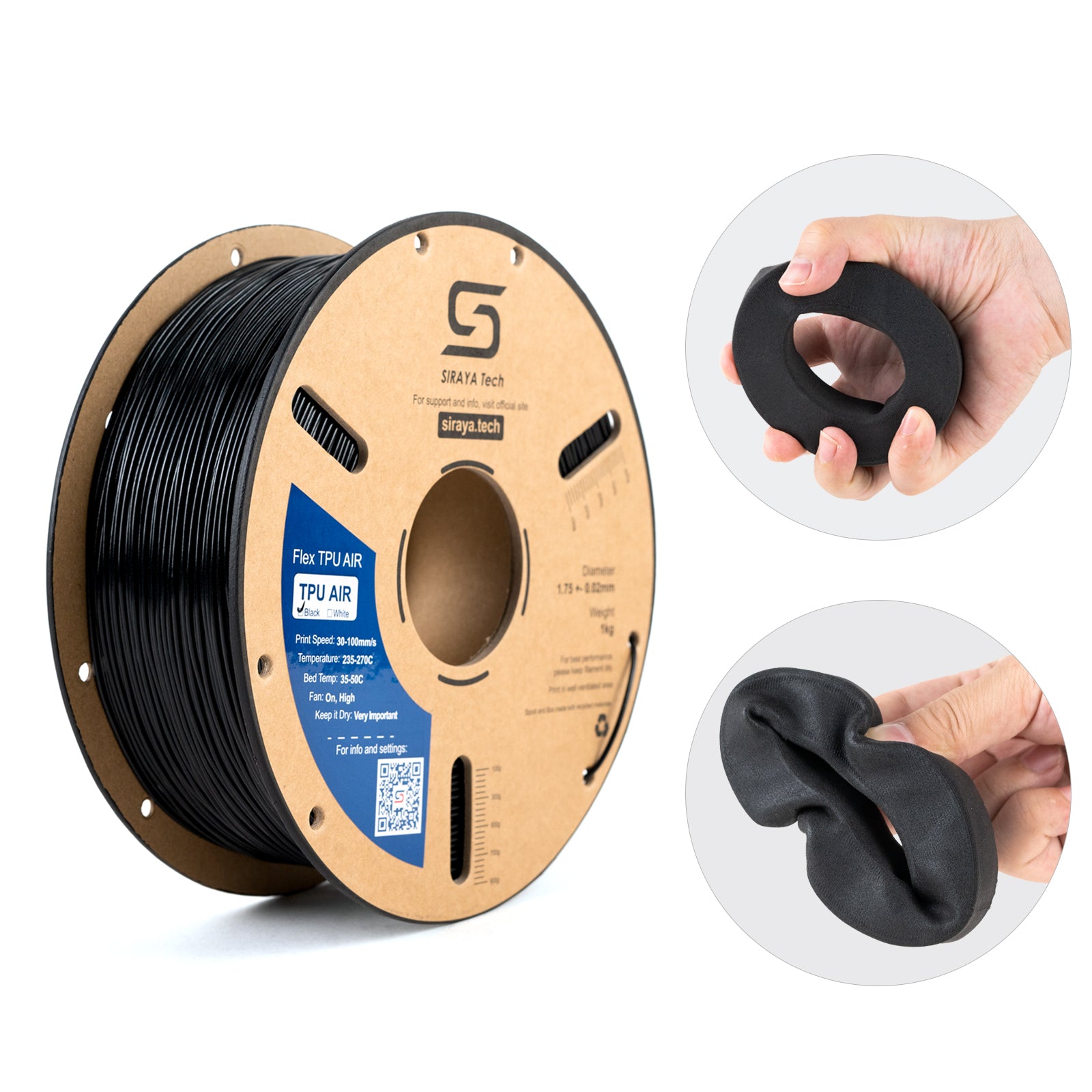
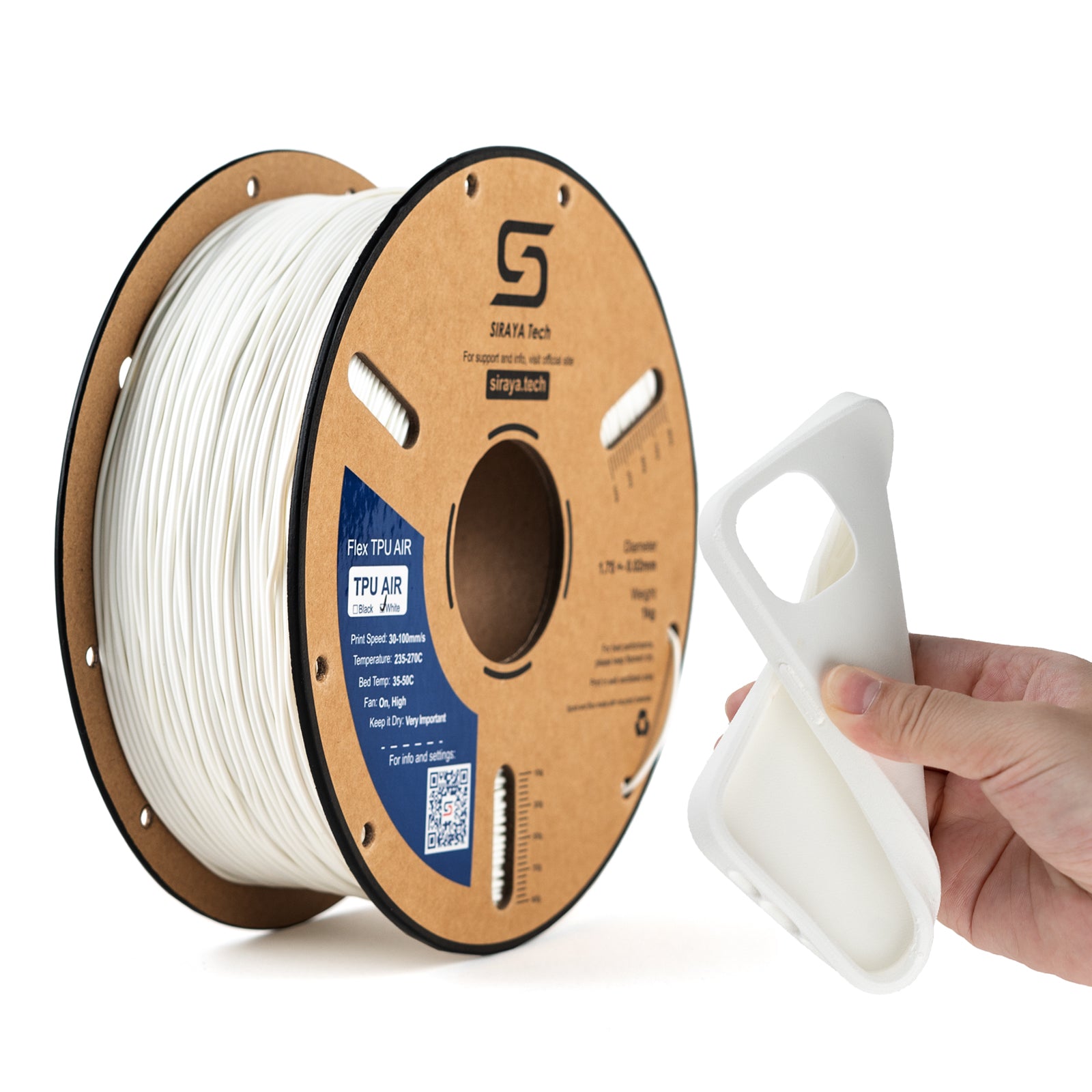
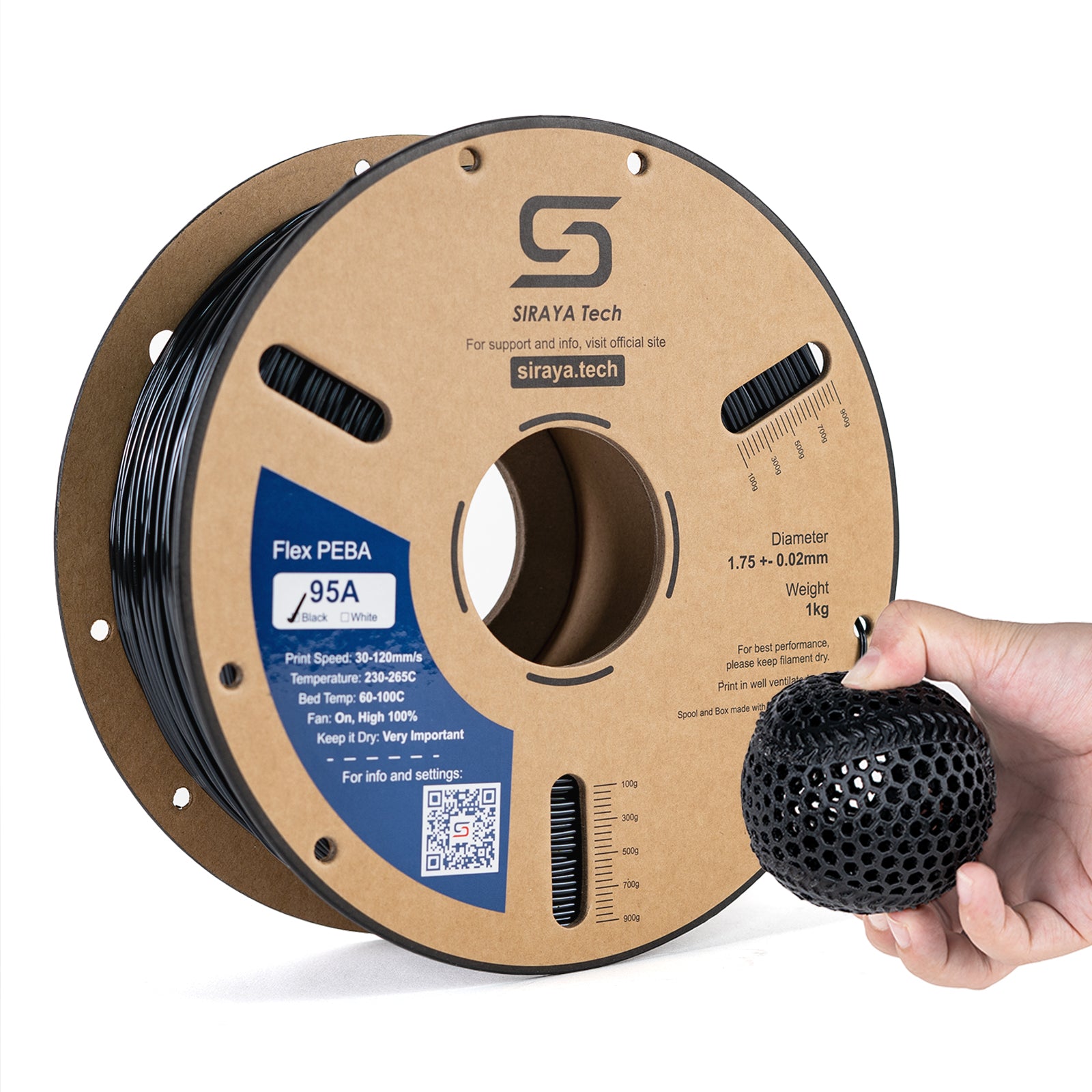
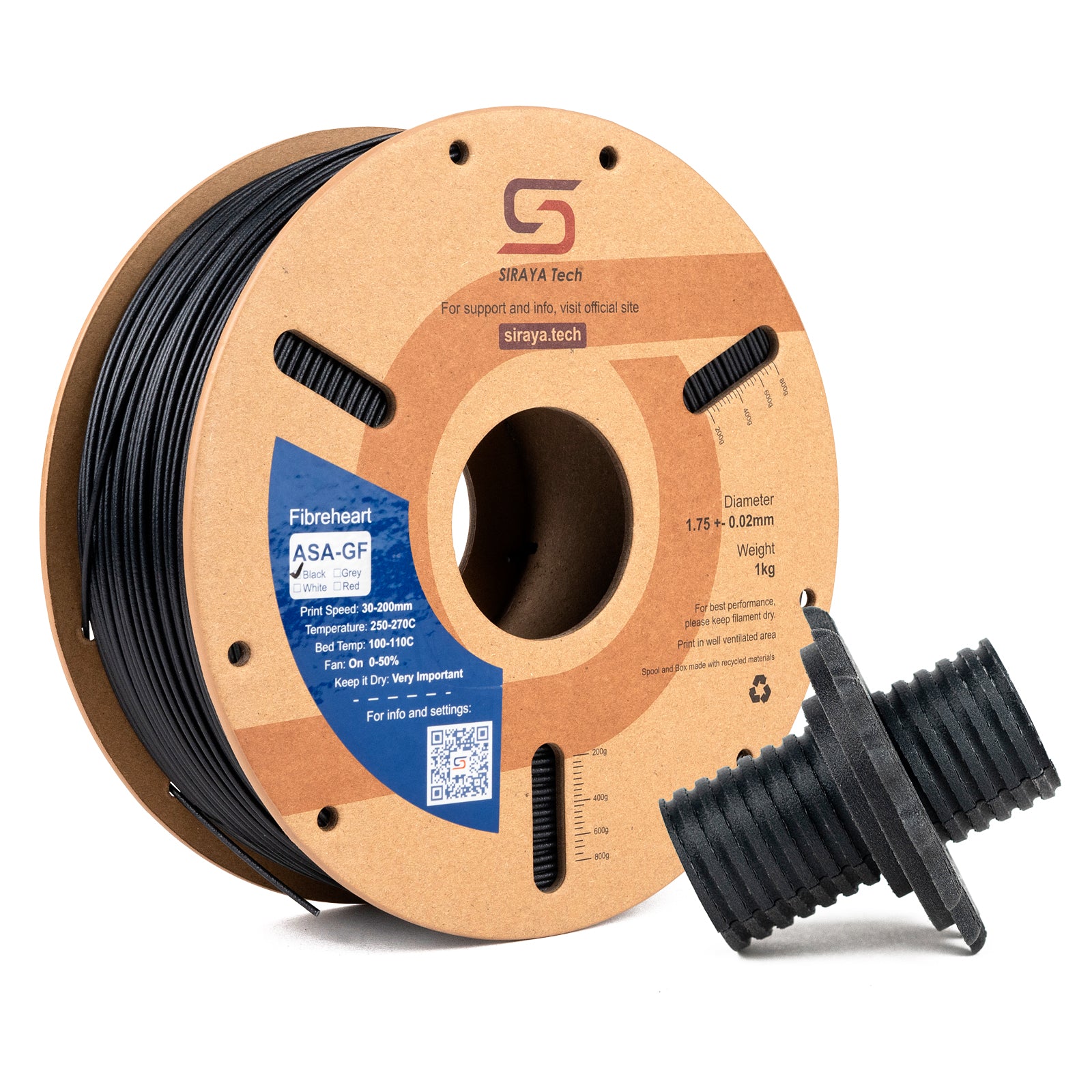
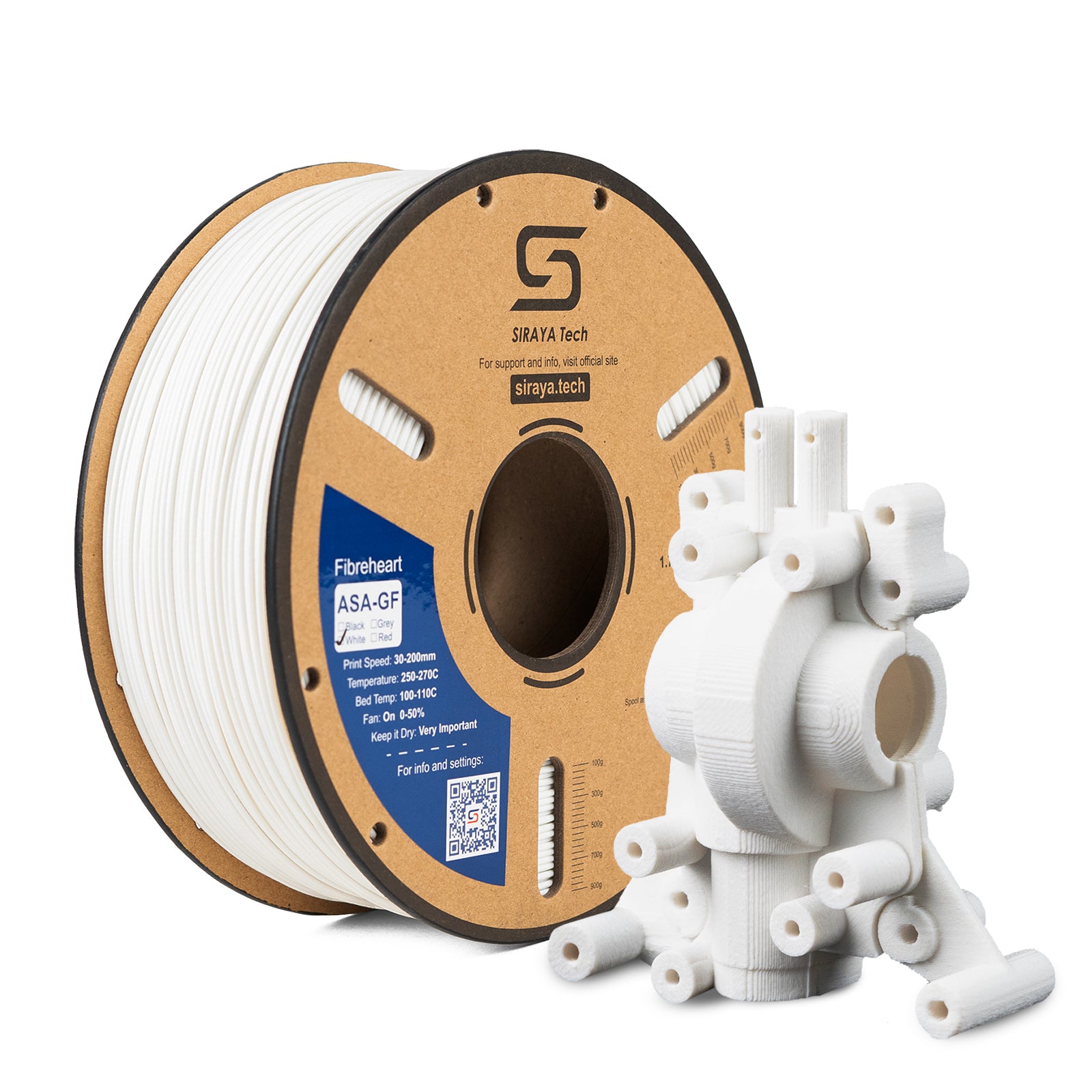
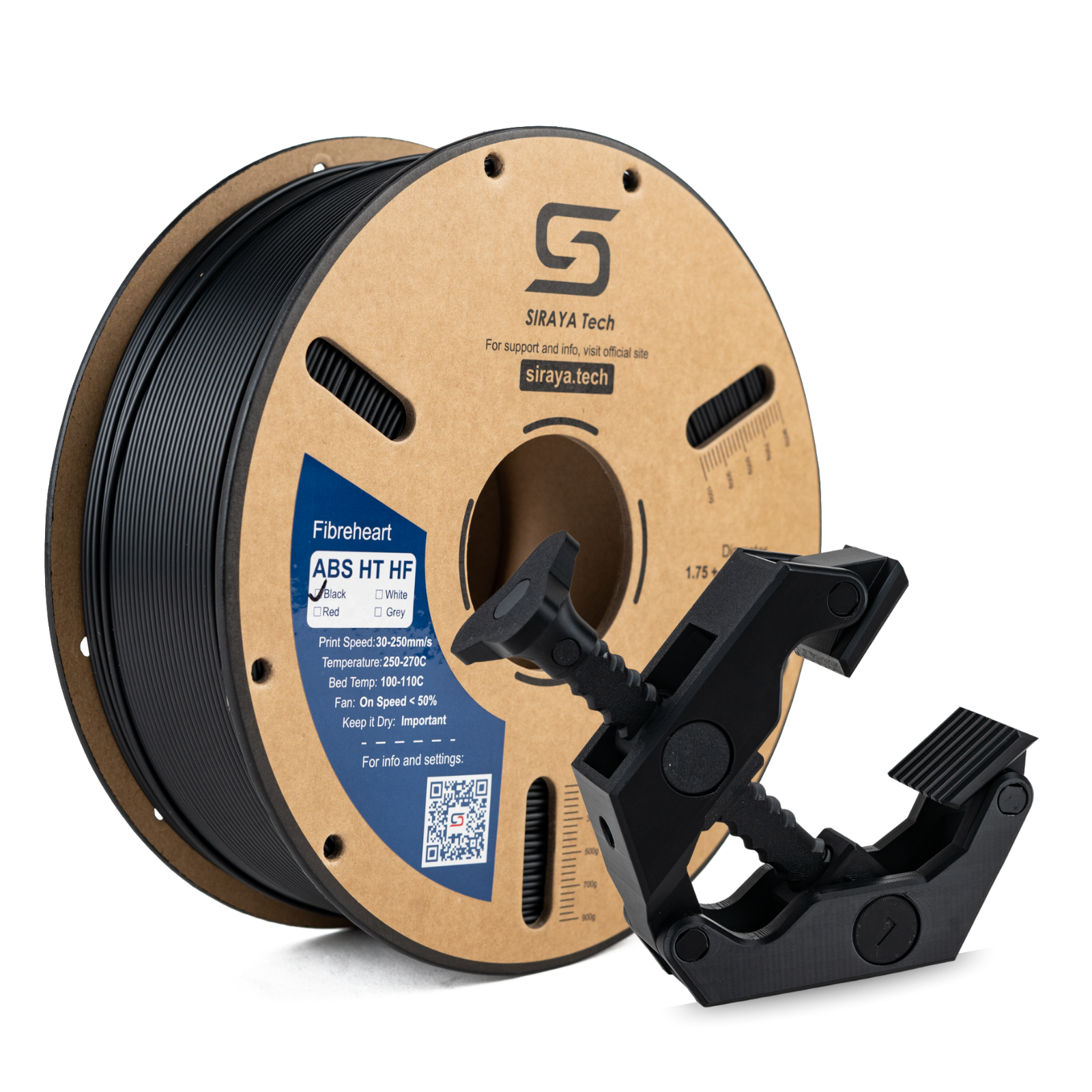
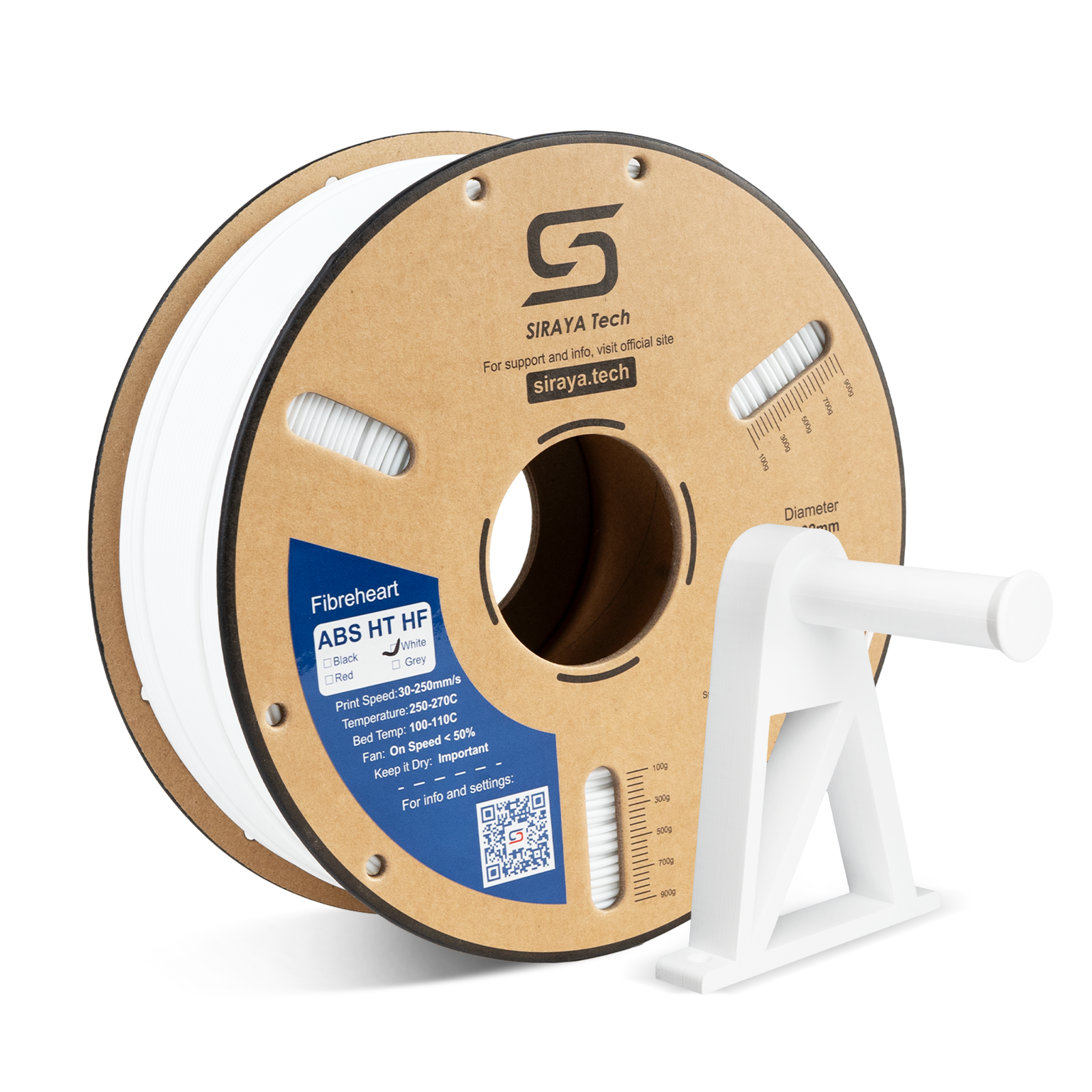
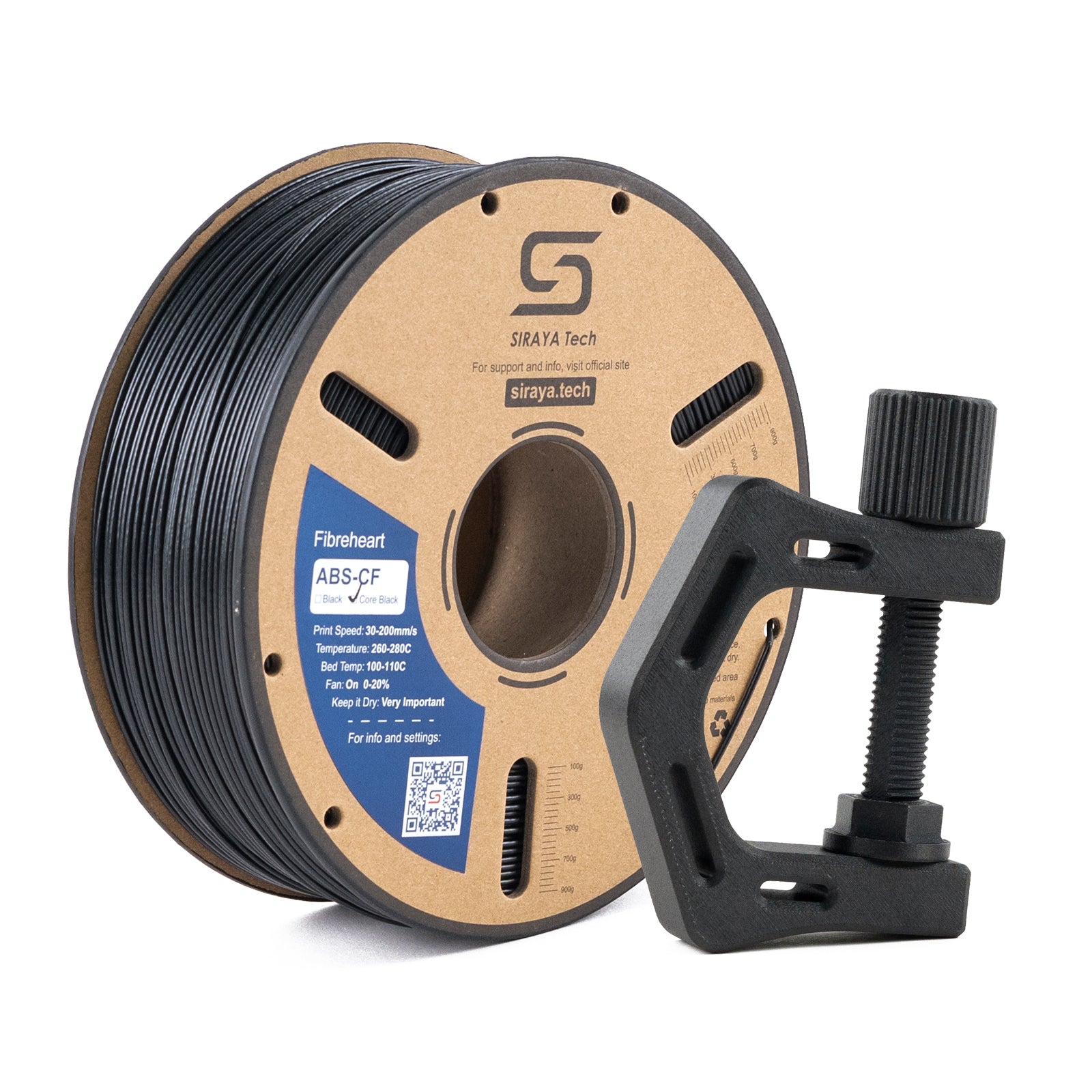
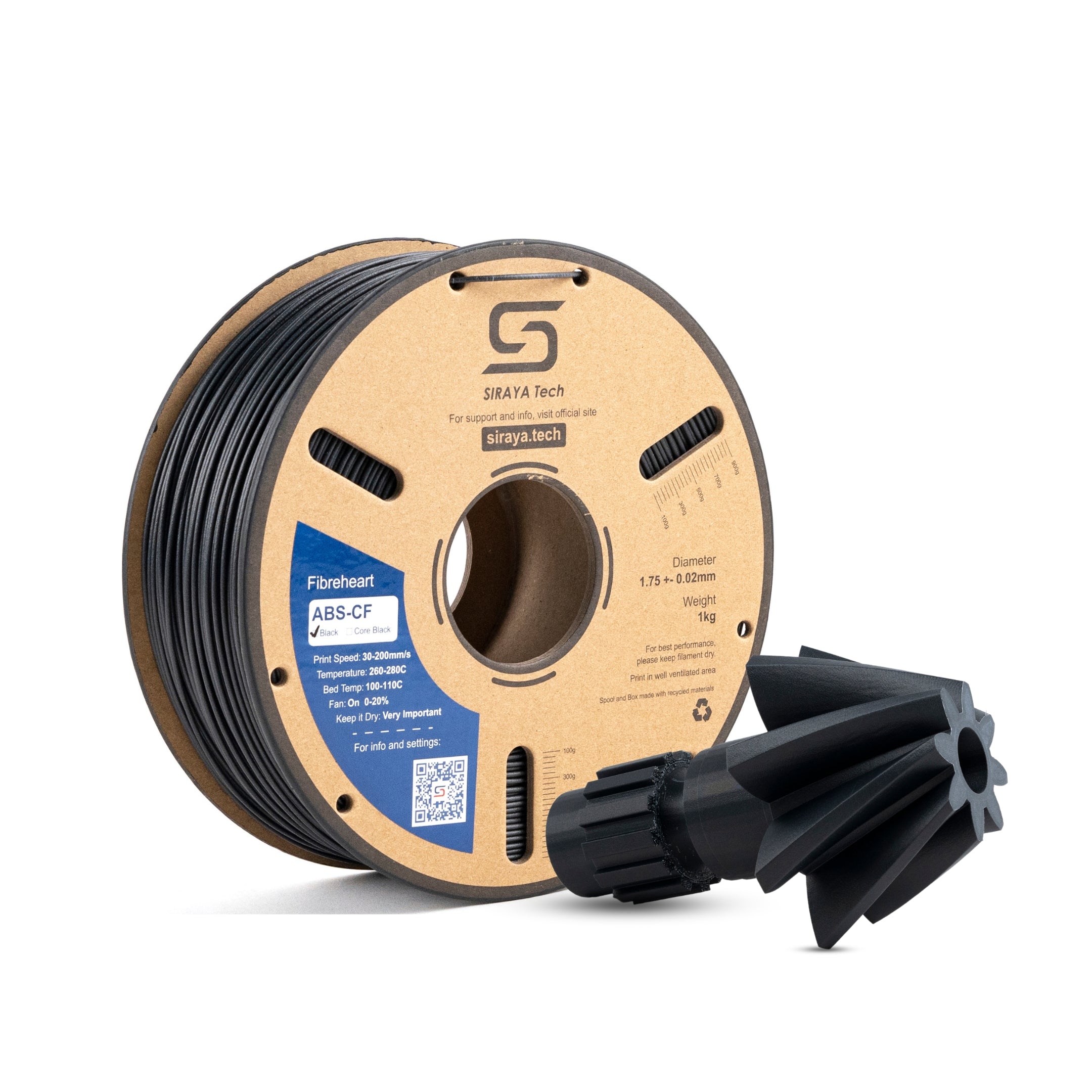
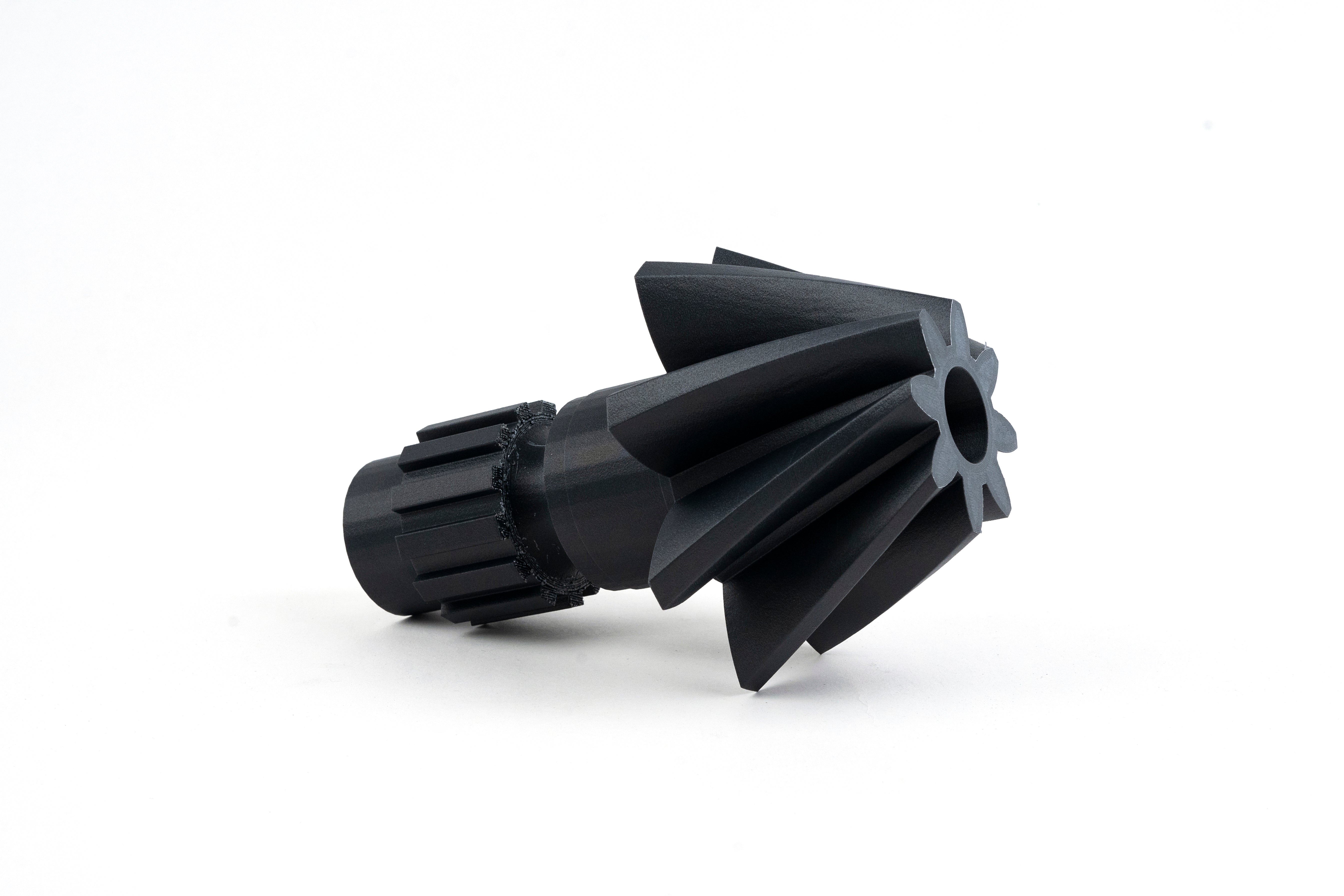
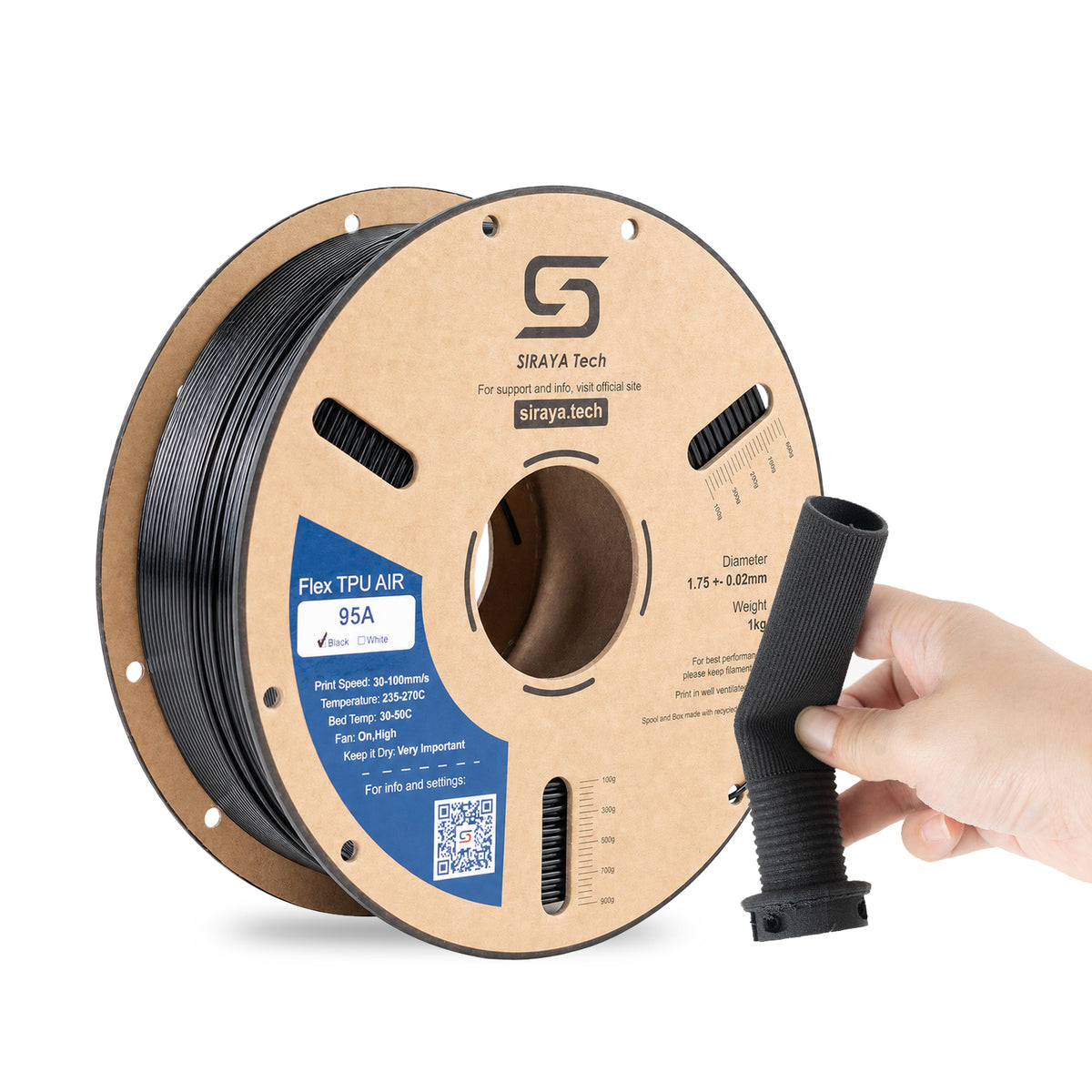
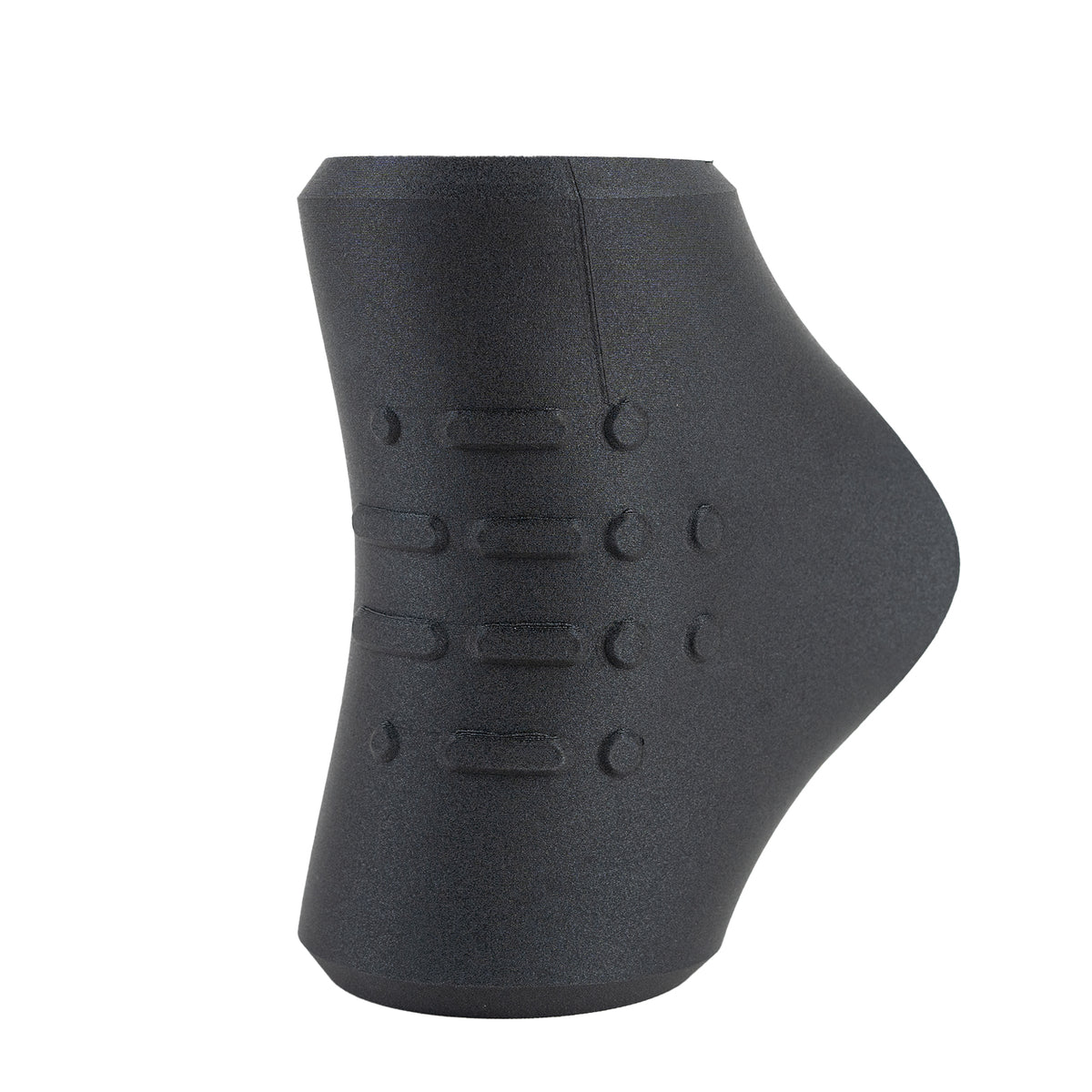
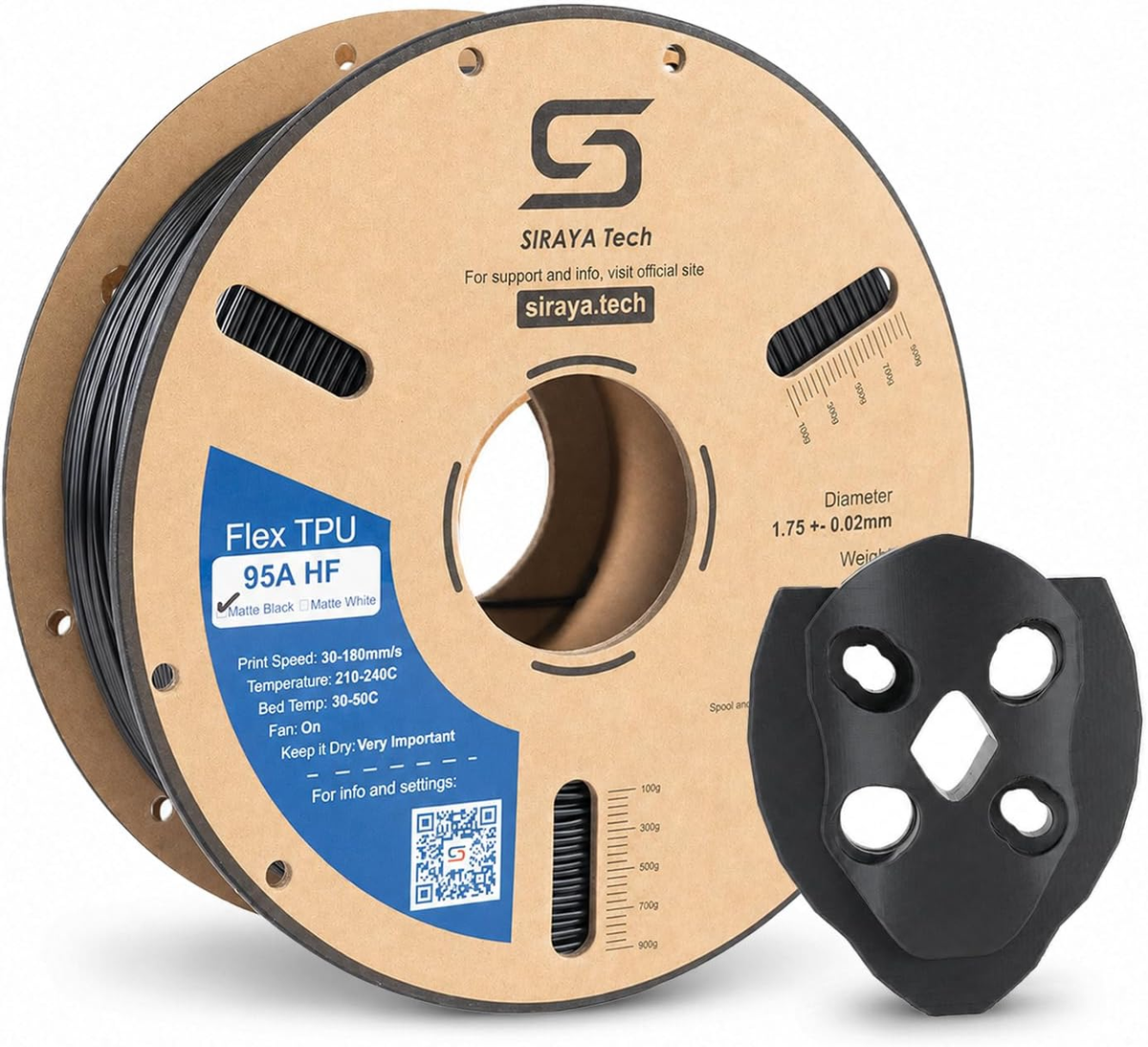
Siraya Tech offers Bambu Lab compatible filament engineered for reliable performance on CoreXY printers like the X1, P1P, and P1S. Every spool is precision-wound to 1.75mm diameter and tested for consistent extrusion at high speeds with Bambu AMS multicolor systems. Whether you're printing functional prototypes, automotive jigs, or high-speed multicolor projects, these filaments solve the real challenges that generic bambu printer filament spools can't.
Bambu Printer Filament: Why Siraya Tech Goes Beyond the Standard Spool
Most bambu printer filament is sold on diameter tolerance alone — but on a Bambu Lab CoreXY running at 200–300mm/s, that is barely the starting point. Siraya Tech's filament for Bambu Lab printers is formulated for three things generic 1.75mm spools don't address: thermal stability at high print speeds, reliable feeding through Bambu AMS PTFE tubes, and engineering-grade performance in enclosed-chamber environments.
Every Siraya Tech Bambu Lab filament spool is tested on live X1 and P1 hardware before it ships. The result is a lineup that covers the full range from flexible TPU to high-temp PPA — all tuned for the specific demands of Bambu's ecosystem.
Bambu Printer Filament Comparison: PPA vs ABS vs PETG vs TPU
The right bambu printer filament depends on your application. Here's how Siraya Tech's four core material families stack up across the specs that matter on Bambu Lab hardware.
Printer Compatibility: What Works with Every Bambu Lab Model
Not every filament variant is right for every Bambu printer. Here's a quick compatibility reference across the X1 Carbon, P1P, P1S, and A1 mini when paired with standard and hardened nozzles.
Filament
X1 Carbon
P1P / P1S
A1 Mini
PPA-CF / PPA-GF
Yes
Yes
No
ABS-CF / ABS HT HF
Yes
Yes
No
PETG / PETG-CF HF
Yes
Yes
Yes
TPU-GF 67D
Yes
Yes
Reduced speed
Flex TPU 64D / 65A–82A
Direct feed only
Direct feed only
No
ASA-GF
Yes
Yes
No
PEBA Rebound 85A–95A
Yes
Yes
Reduced speed
How to Choose the Right Bambu Printer Filament for Your Project
Use this quick application guide to match a material to what you're actually printing.
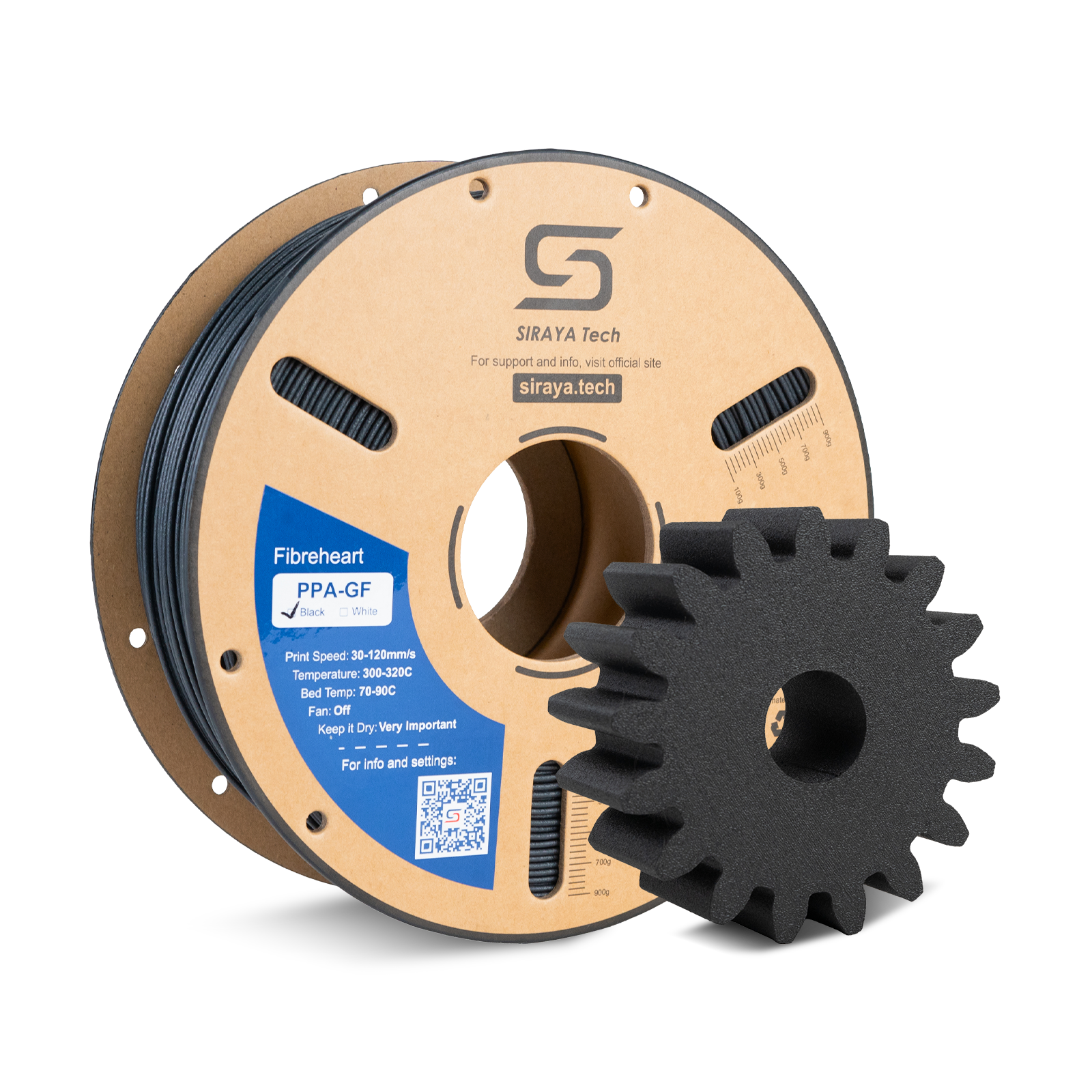
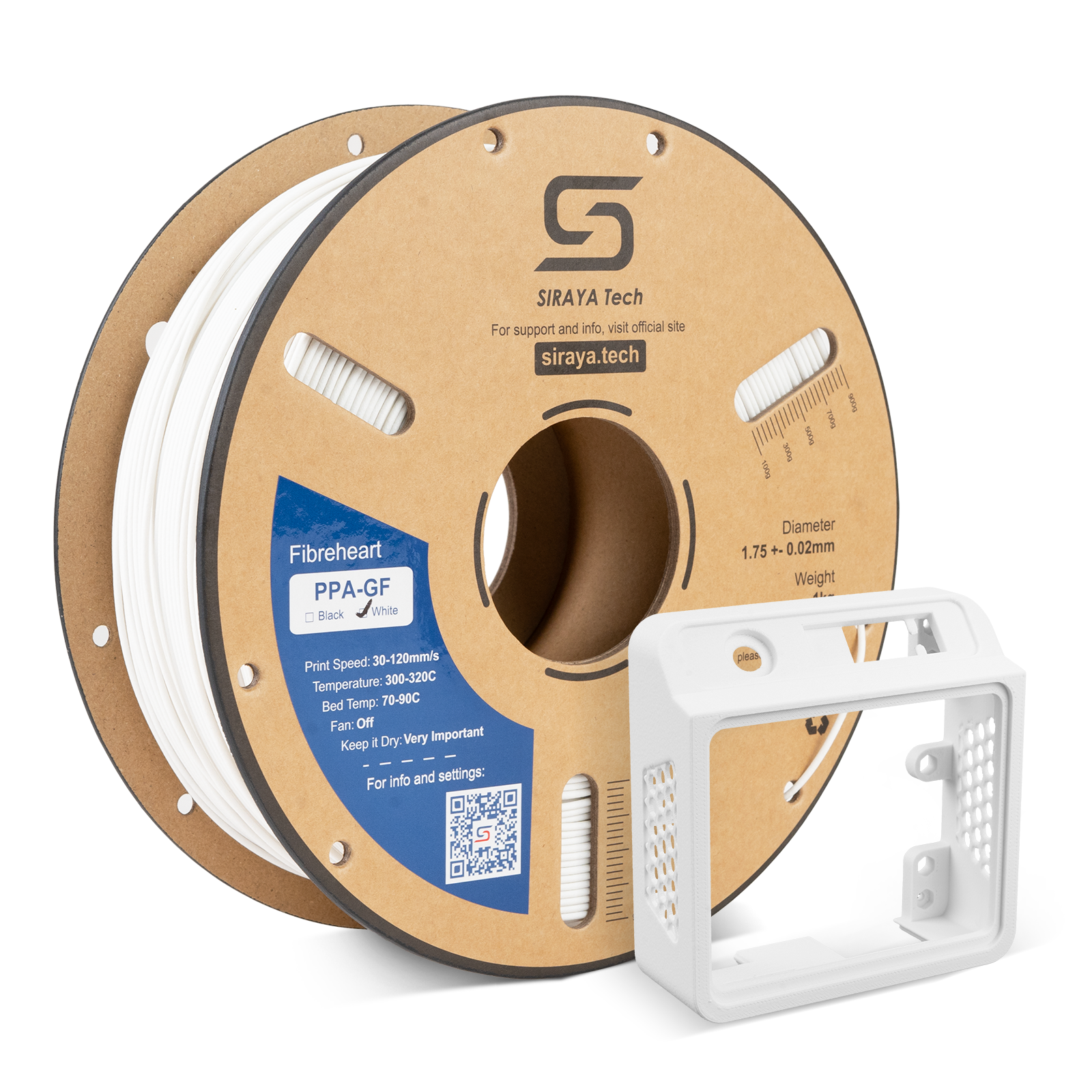
Under-hood automotive or high-temp industrial jigs: PPA-CF or PPA-GF. These nylon-reinforced composites handle sustained heat and chemical exposure where PLA and standard PETG fail outright.
Large functional prints with UV exposure: ABS HT HF or ASA-GF. Both print well in the X1 and P1 heated enclosure and resist UV degradation outdoors without additives.
Multicolor engineering parts on AMS: PETG-CF HF or standard Fibreheart PETG. These flow cleanly at high speed, release from the bed consistently, and multicolor through AMS without jamming.
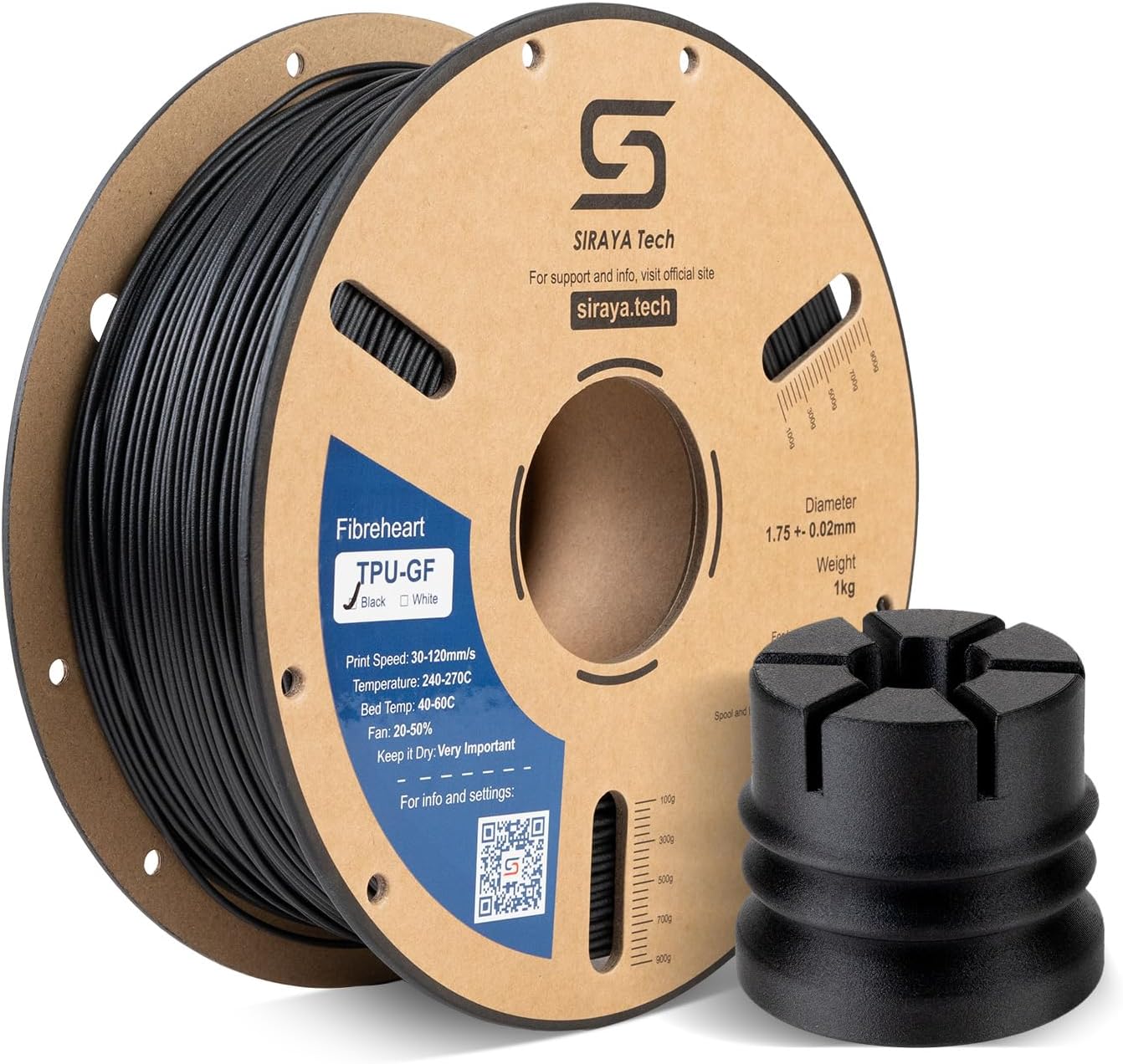
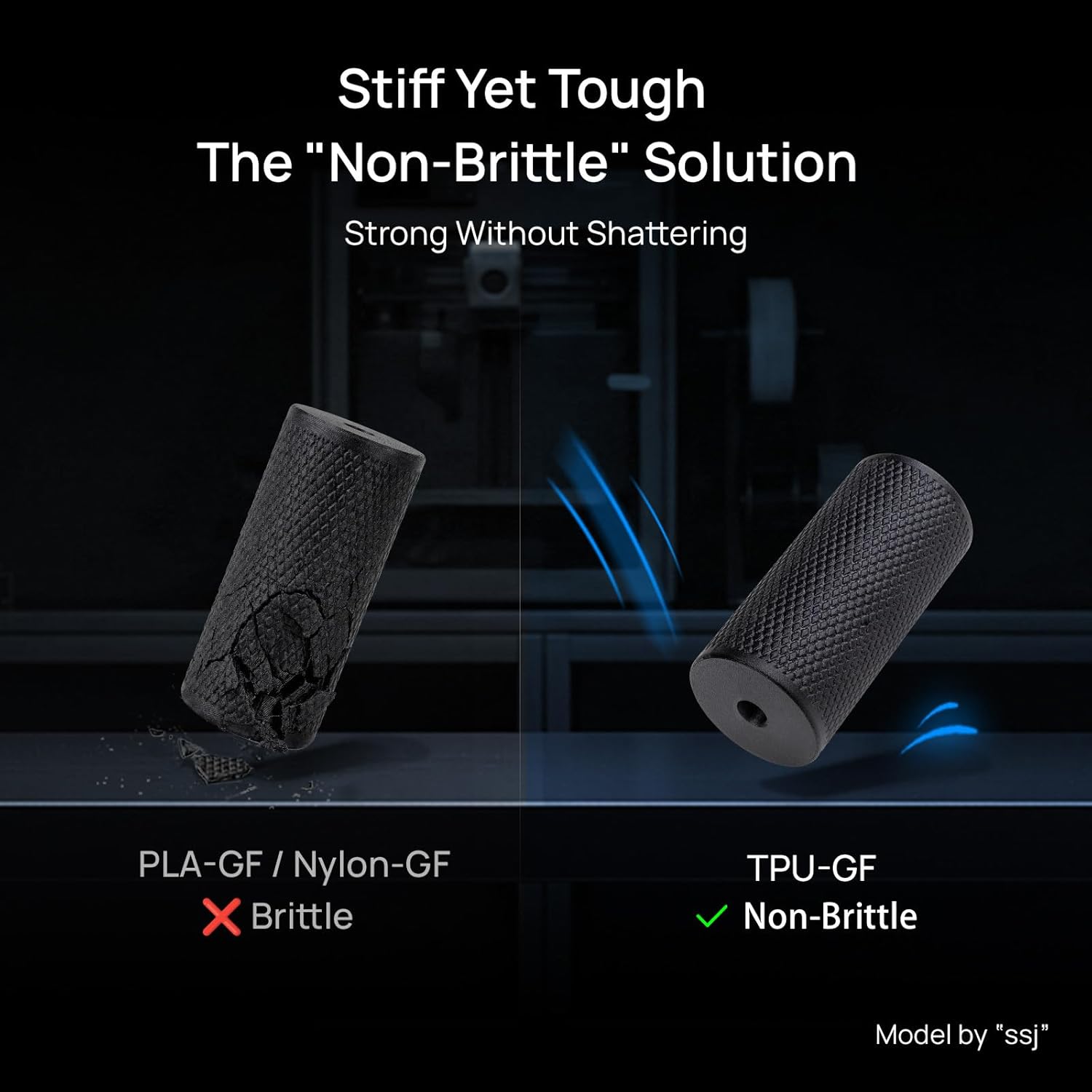
Functional flexible parts with AMS multicolor: TPU-GF 67D. The glass fiber raises stiffness enough for reliable AMS feeding — the key limitation with most TPU on Bambu Lab.
Rapid prototypes where surface finish matters: Lancer PETG-CF HF. High flow formula prints at 250mm/s+ on CoreXY with minimal stringing and excellent layer adhesion.
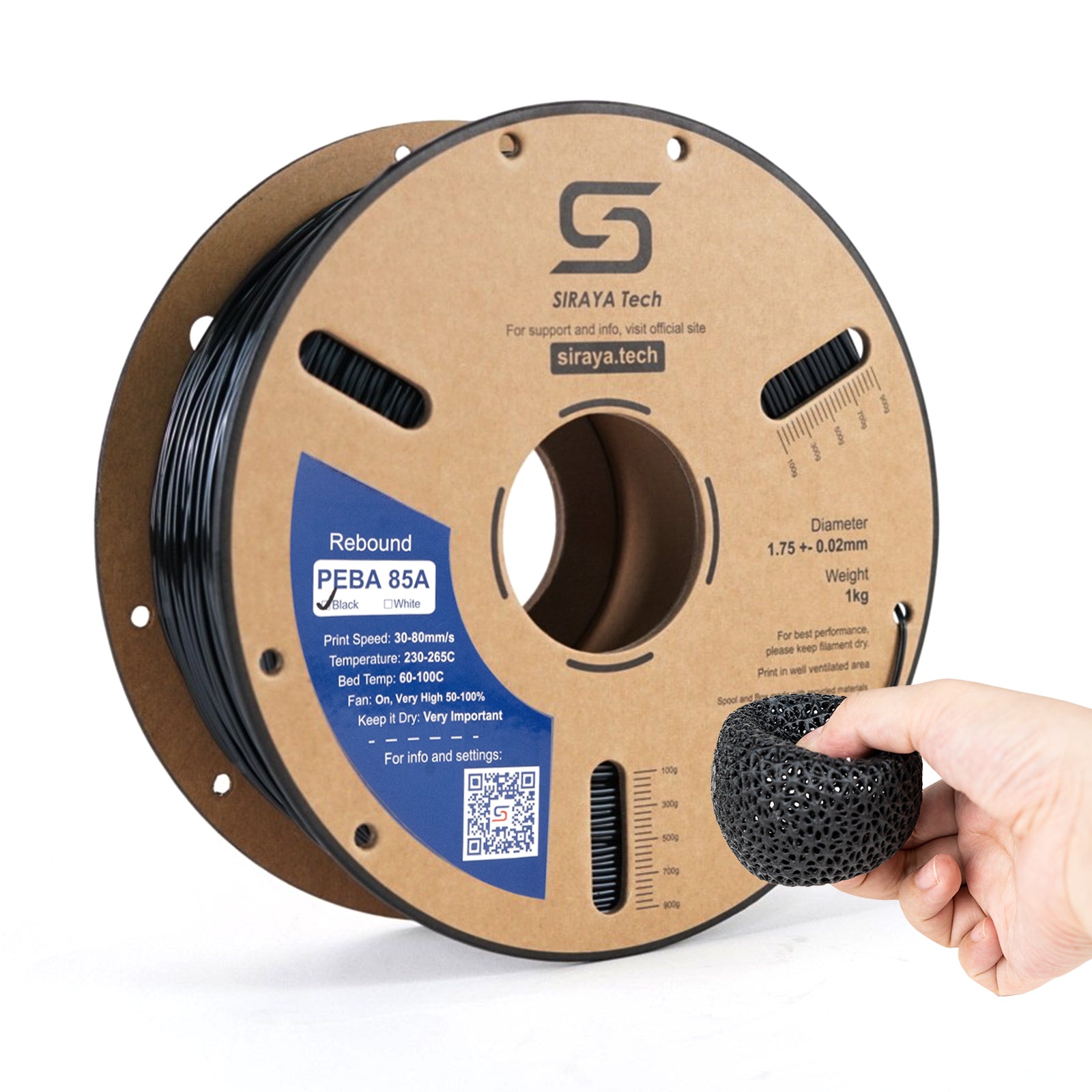
Energy-absorbing parts like drone frames or dampers: PEBA Rebound 85A–95A. High energy return and fatigue resistance in a flexible material tuned for high-speed Bambu printing.
Engineering-Grade Filament Built for the Bambu Lab Ecosystem
Siraya Tech's Fibreheart and Flex TPU lines aren't adapted from a general filament catalog — they're built for the Bambu Lab architecture specifically. Here's what that means for your prints:
Tighter diameter tolerances — Every spool ships at 1.75mm with +/- 0.03mm consistency, eliminating the extrusion inconsistencies that cause mid-print failures on high-speed CoreXY moves.
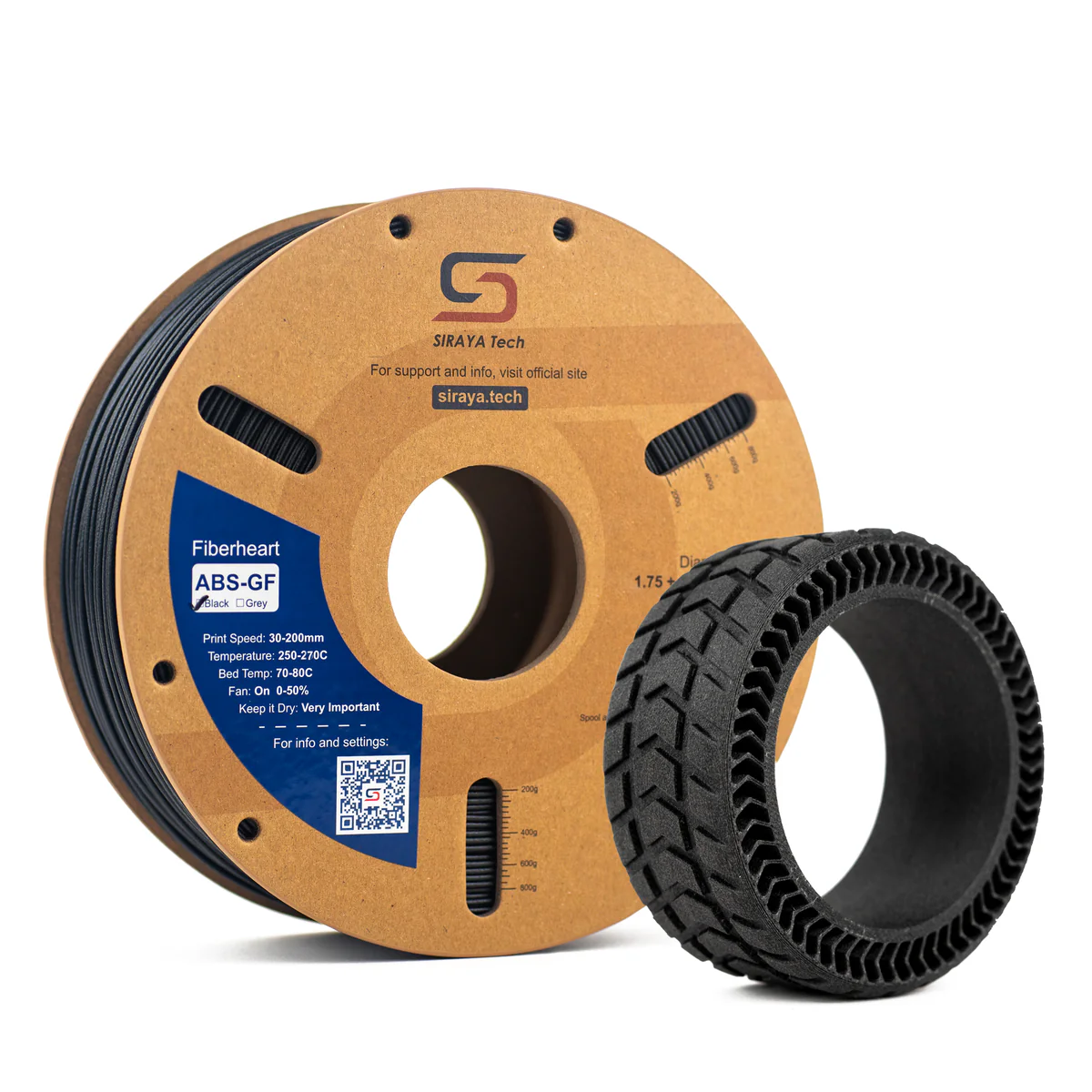
AMS-tuned stiffness — Reinforced formulas like TPU-GF and ABS-CF are specifically hardened to feed through PTFE tubes without buckling or tangling during automated multicolor job changes.
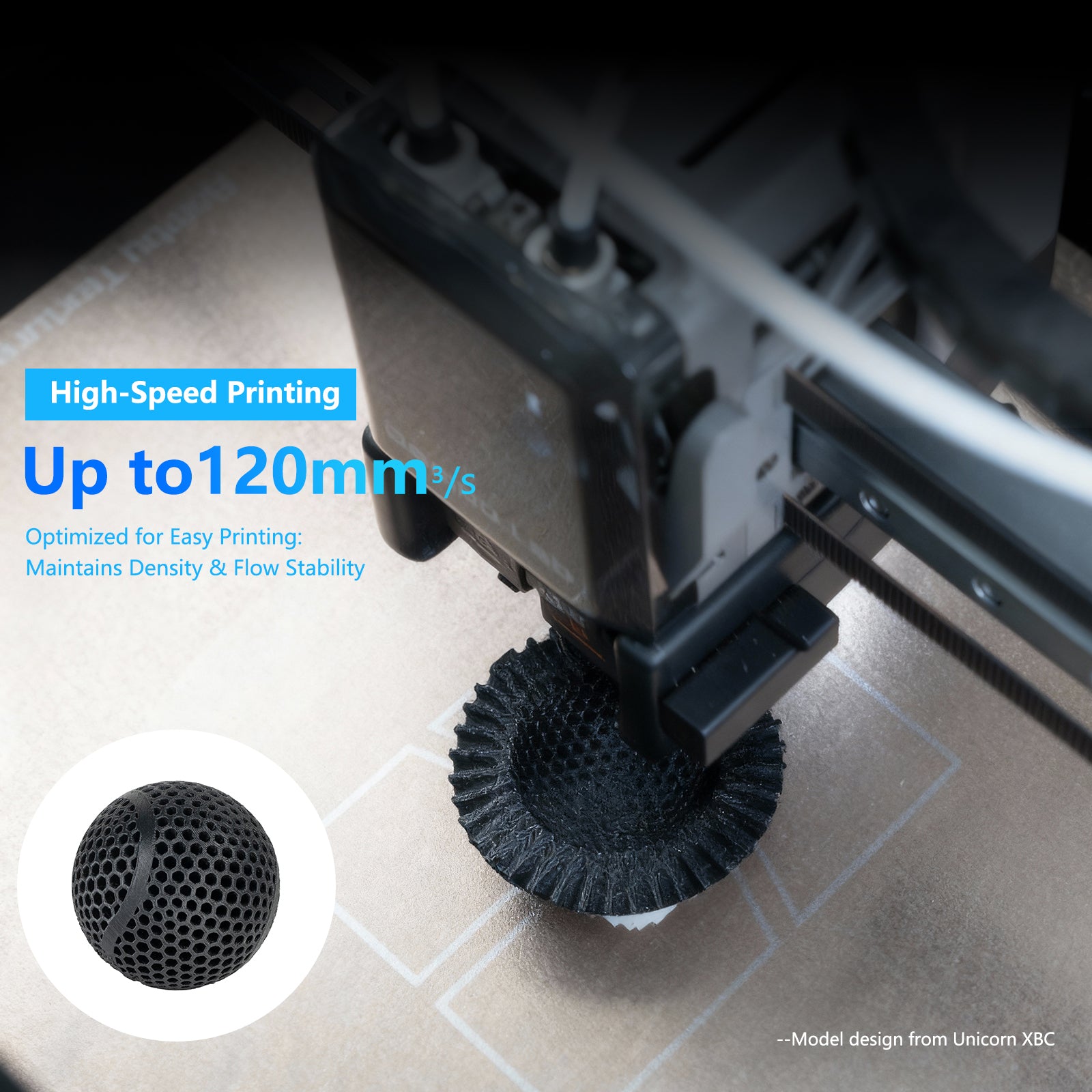
High-speed compatibility — ABS HT HF and PETG-CF HF are formulated to maintain flow at 260°C+ without stringing, even during rapid travel moves at 250mm/s+ on X1 and P1 series.
Enclosure-ready chemistry — PPA, ABS, and ASA formulas are all optimized for the thermal environment inside a closed Bambu Lab chamber, reducing warping and delamination on large functional parts.
Featured Filament for Bambu Lab Printers
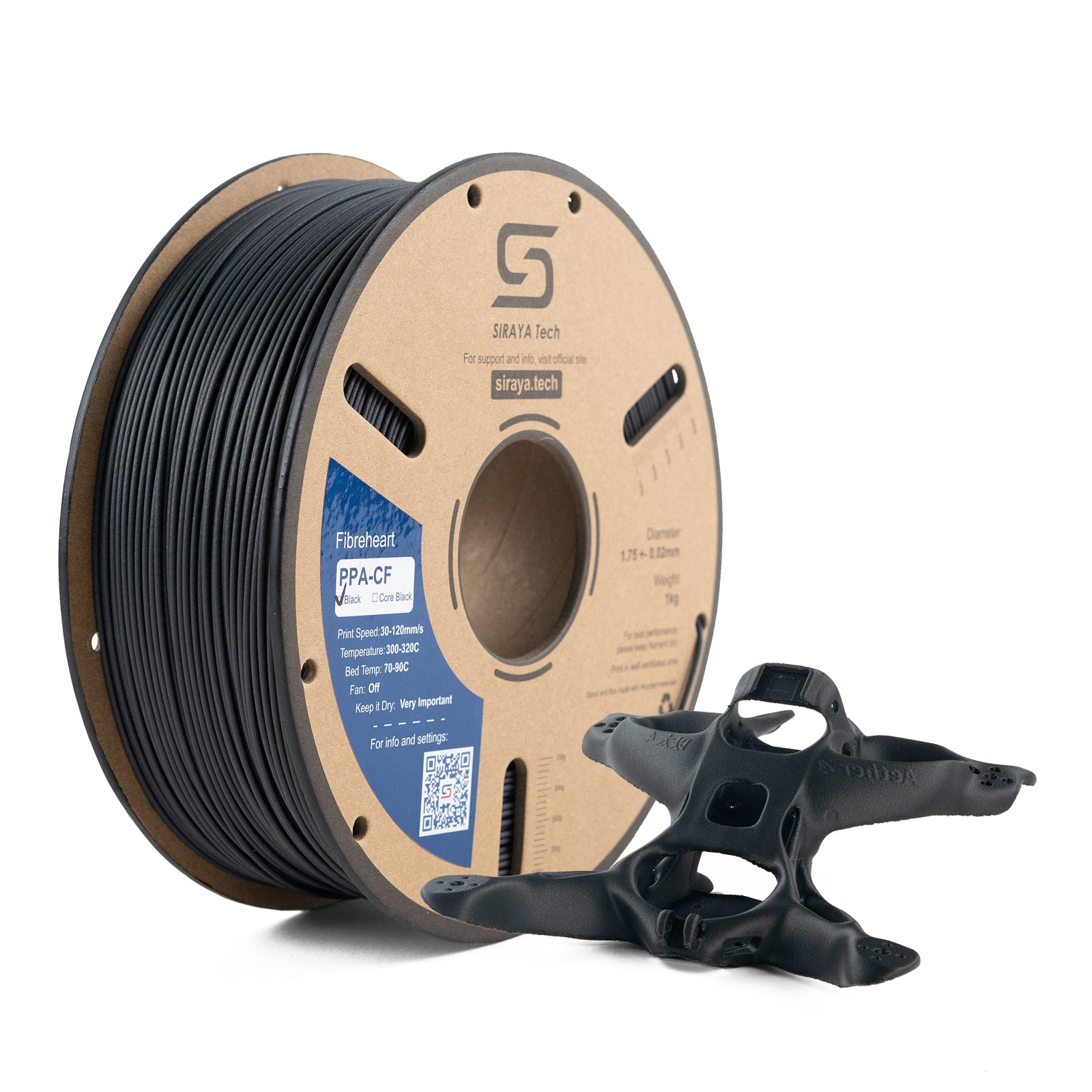
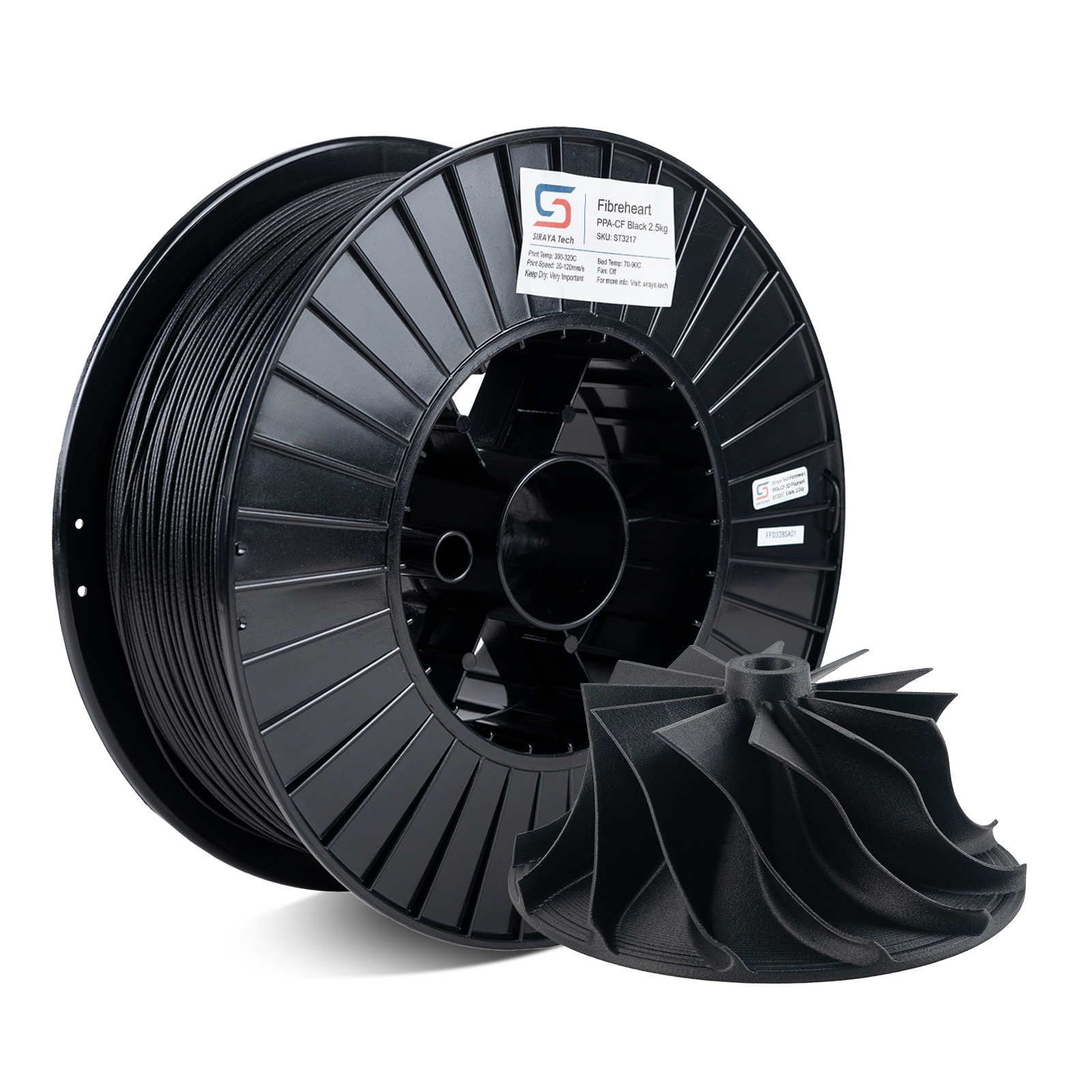
High Performance
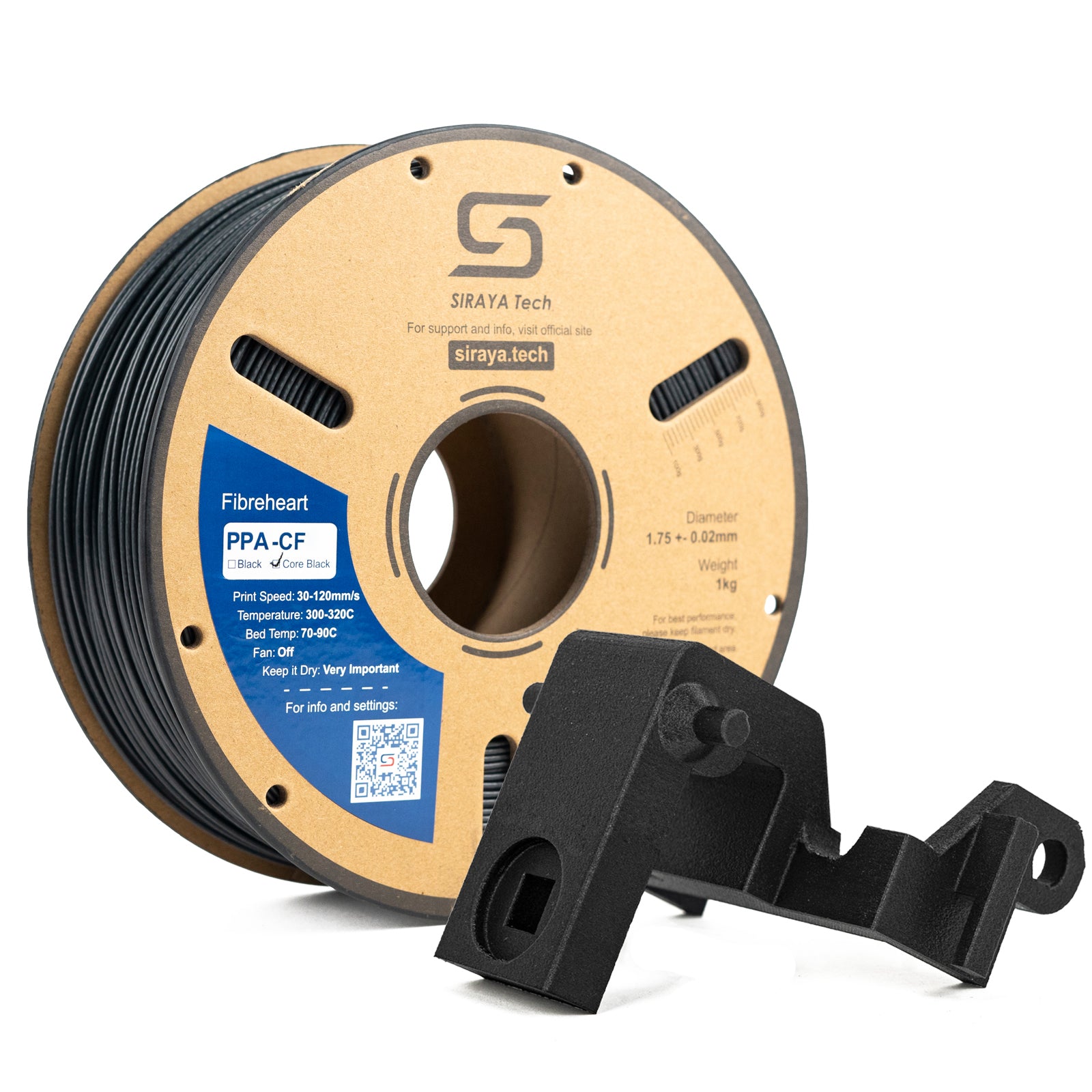
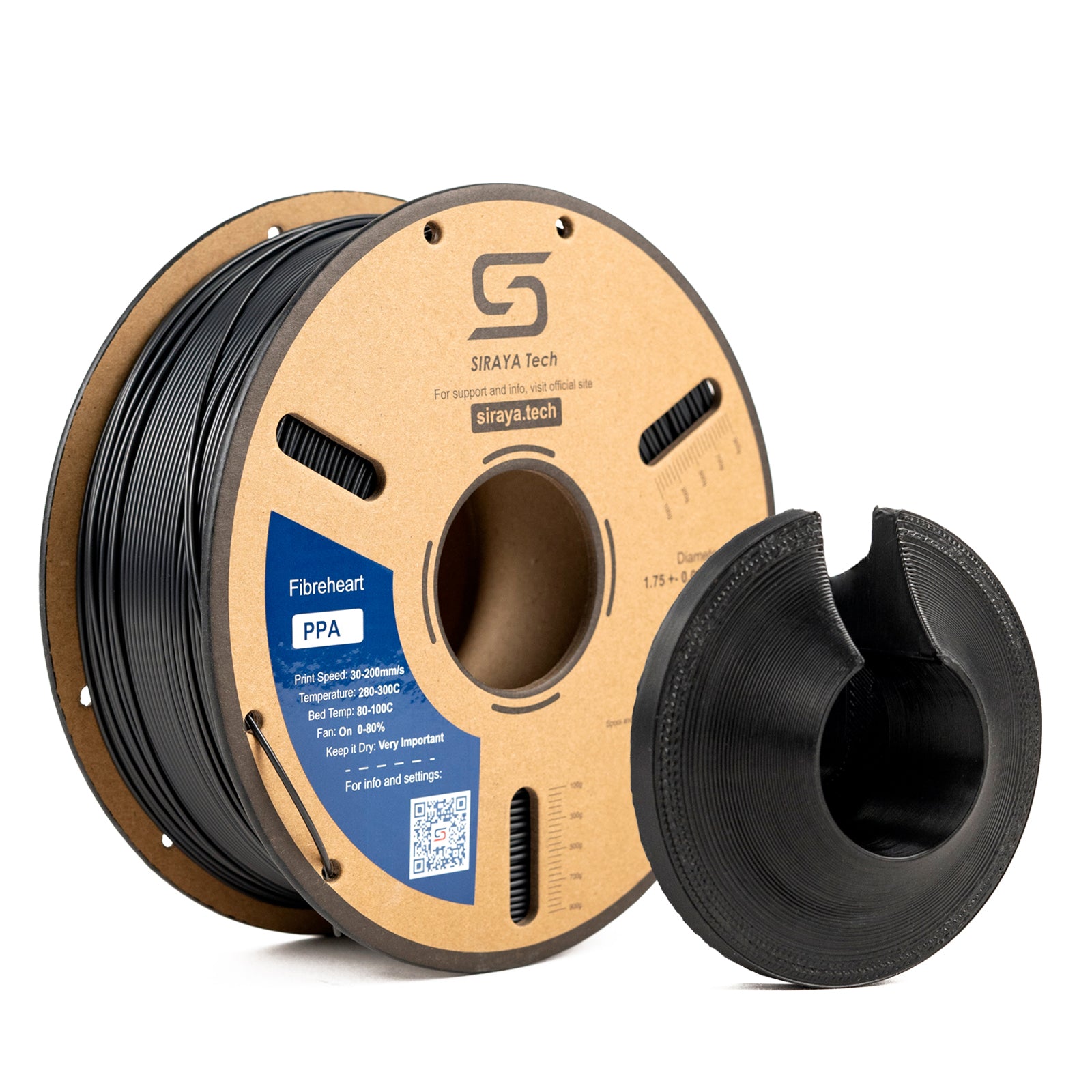
Fibreheart PPA-CF
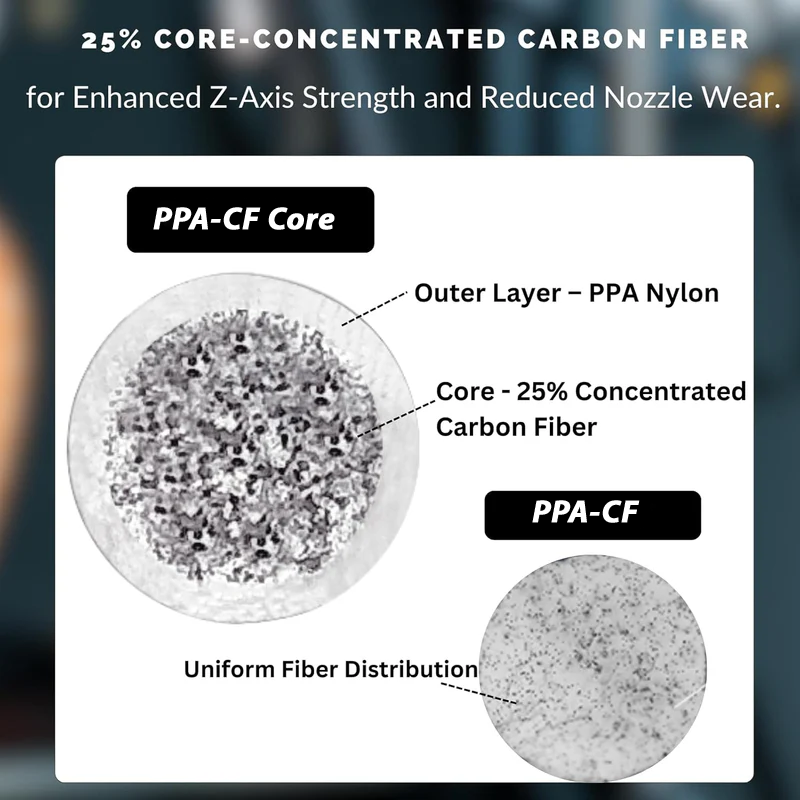
Nylon-based filament with 15% carbon fiber for extreme toughness and heat resistance. Ideal for automotive jigs and functional prototypes.
Looking for general 3D printing filament? Siraya Tech's full filament catalog covers every 1.75mm material from entry-level PLA to advanced engineering thermoplastics — all tested for Bambu Lab compatibility and available at siraya.tech/collections/all-products.
The best filament for Bambu Lab printers is material that's formulated for CoreXY high-speed architecture and AMS multispool feeding — not just generic 1.75mm spool. Siraya Tech's Fibreheart PPA-CF and ABS-CF Core perform exceptionally on enclosed X1 and P1 series printers. For everyday engineering with AMS multicolor, PETG-CF HF and standard Fibreheart PETG are the most versatile choices. Flexible TPU for Bambu AMS should be glass fiber reinforced (like TPU-GF 67D) to have enough stiffness for reliable PTFE feeding.
Can you use third-party filament with Bambu Lab?
Yes — and specialty filament brands like Siraya Tech often outperform Bambu's own spools for engineering and functional applications. Third-party filament works in Bambu AMS as long as it meets the 1.75mm diameter tolerance and has enough column stiffness to feed through the PTFE tube system without buckling. Glass fiber and carbon fiber reinforced formulas particularly benefit from specialty development that controls composite dispersion and reduces wear on the AMS feed mechanism and hardened nozzles.
What is the best filament for functional parts on Bambu Lab?
PPA-CF (Fibreheart) is the highest-performance filament for functional parts on Bambu Lab when your application demands thermal resistance, chemical resistance, and structural strength. For most functional prototyping that doesn't require extreme temperature performance, ABS-CF Core or PETG-CF HF offer the best balance of printability and mechanical properties on the X1 and P1 enclosed chamber. For flexible functional parts, TPU-GF 67D stands out — stiff enough for AMS feeding, flexible enough for real-world use cases.
Is TPU filament compatible with Bambu AMS?
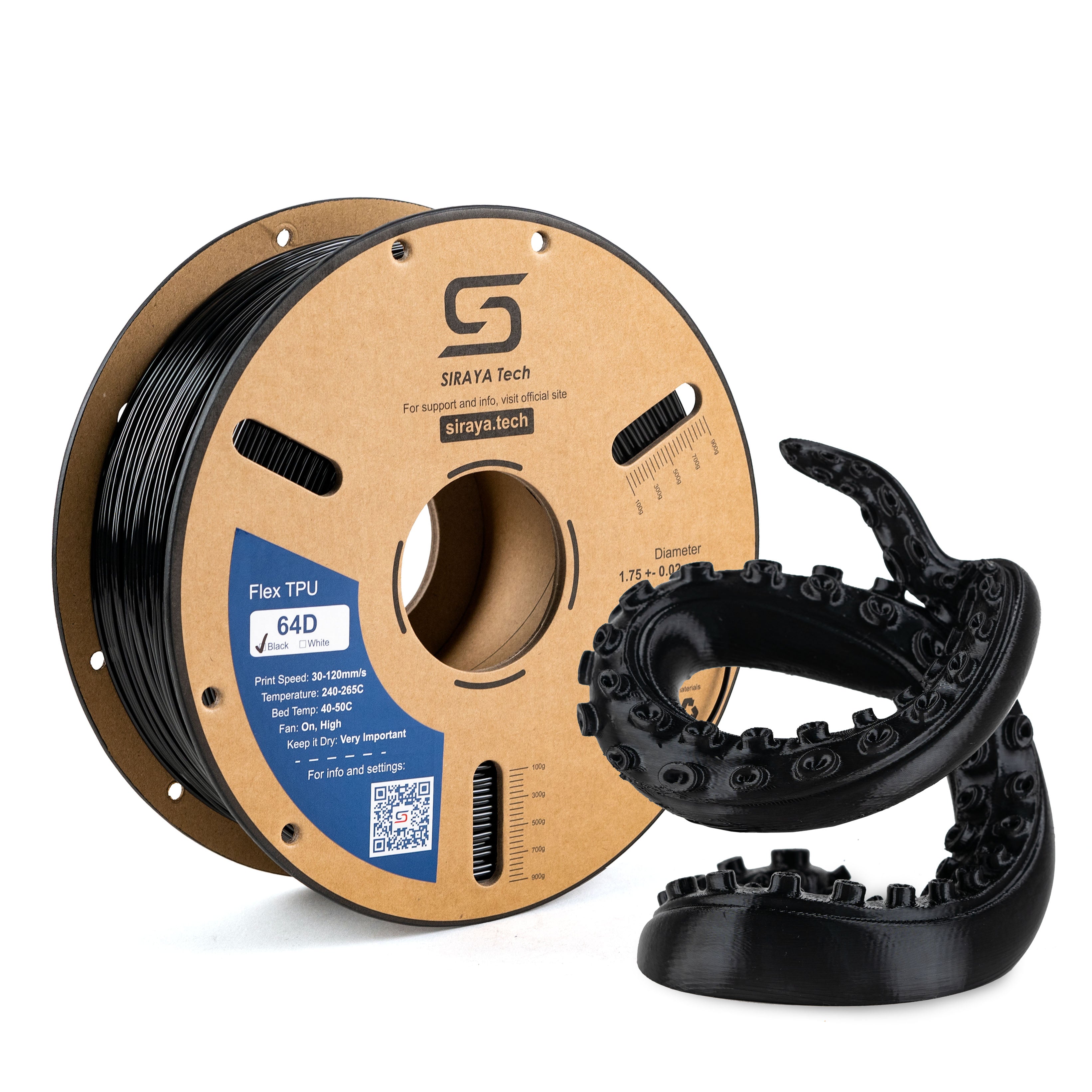
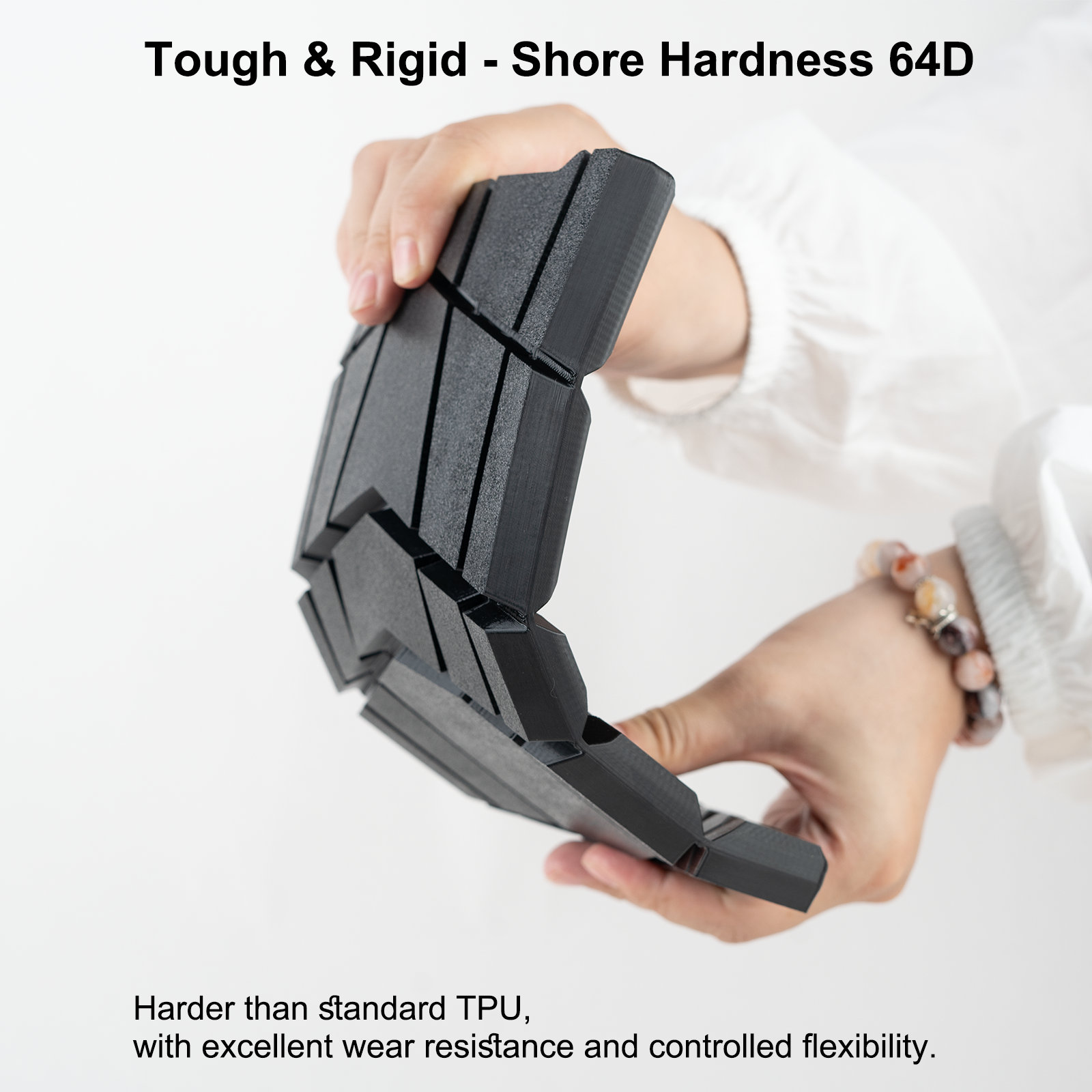
Yes — with the right formulation. Standard soft TPU below 64D Shore hardness buckles in AMS PTFE tubes because it lacks the column stiffness for automated feeding. Siraya Tech's TPU-GF 67D and Flex TPU 64D are specifically hardened to feed reliably through AMS at standard print speeds. Softer grades (65A–82A Shore) require direct feeding without AMS to avoid jams. Always use a hardened steel nozzle when printing any glass fiber or carbon fiber reinforced TPU on Bambu Lab printers — standard brass nozzles wear out rapidly with composite filaments.
Do I need a hardened nozzle for all Siraya Tech Bambu filaments?
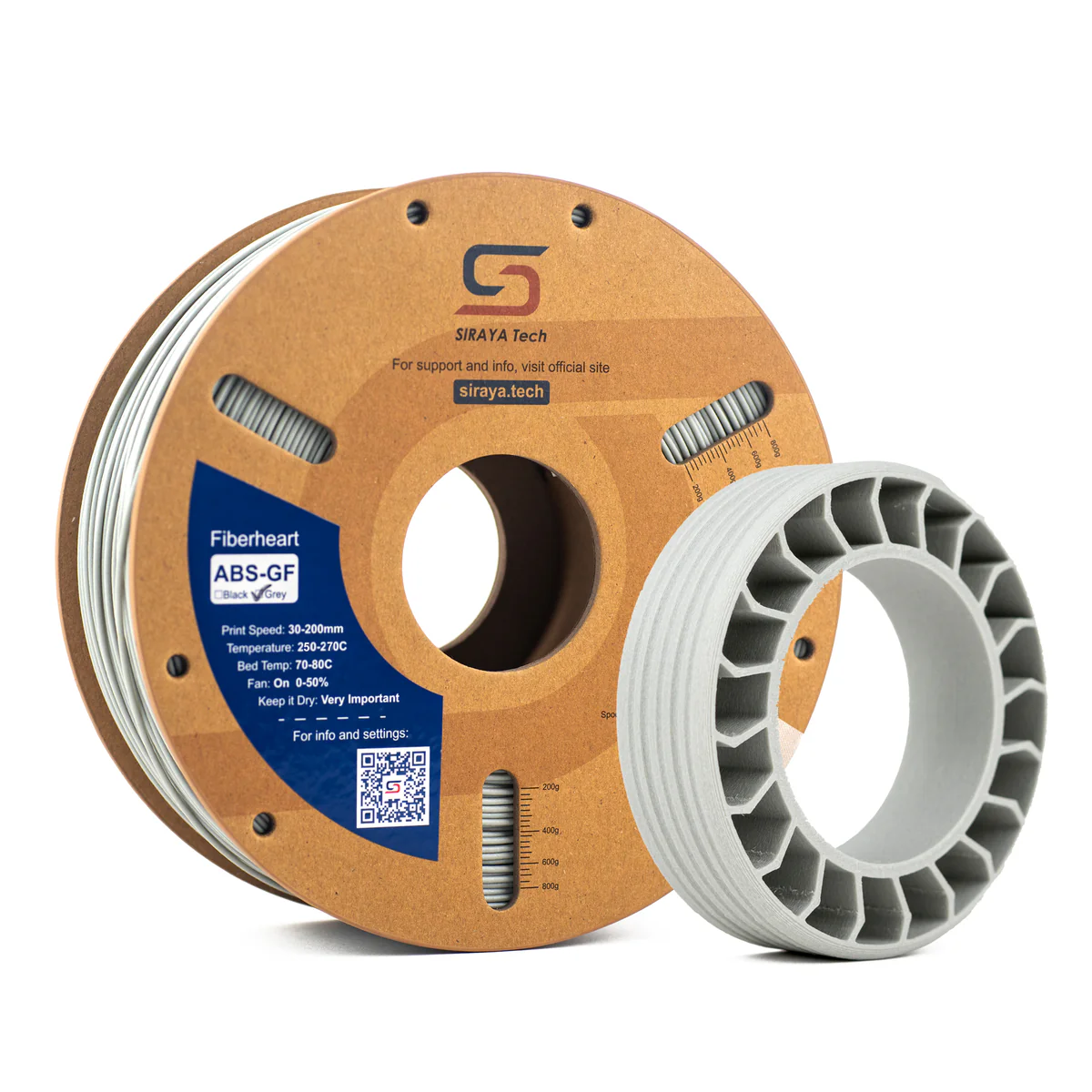
A hardened steel nozzle is required for any glass fiber or carbon fiber reinforced filament — including PPA-CF, PPA-GF, ABS-CF, ASA-GF, PETG-CF, and TPU-GF. The abrasive composites in these formulations wear through brass nozzles in a matter of prints. Standard nozzles work fine for unreinforced PETG, ABS HT HF, and flexible filaments on the A1 mini or when direct feeding TPU.