
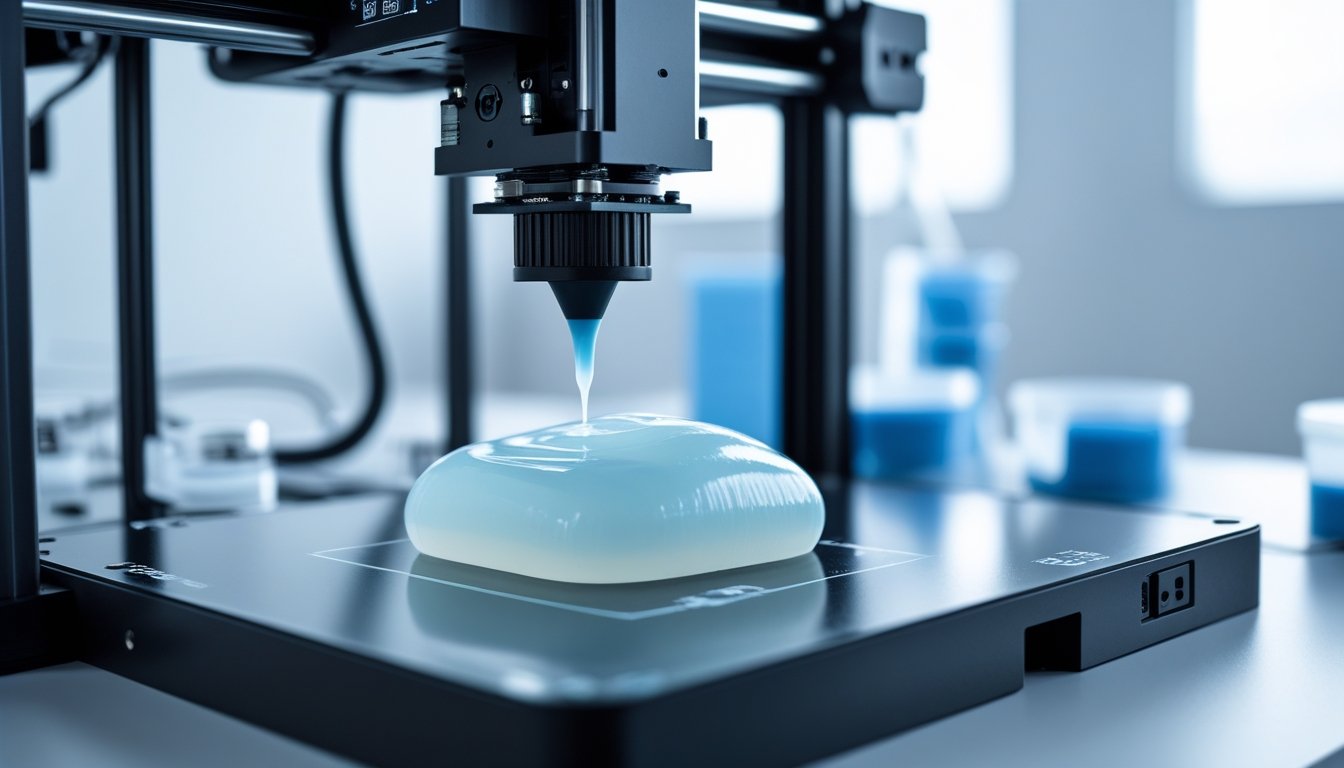
Can you 3D print silicone?
The short answer is: Yes, but you probably shouldn't.
While technology exists to "3D print silicone" directly (using Liquid Additive Manufacturing or LAM), the machines cost thousands of dollars, the print speed is agonizingly slow, and the surface finish often looks like toothpaste layers.
However, for 99% of makers and engineers, there are two superior alternatives that yield better results using your existing 3D printer: Printing Molds for real silicone casting, or printing with Flexible Resin.
In this guide, we break down the best ways to get silicone (or silicone-like) parts using Siraya Tech materials.
Need true silicone performance? Explore our silicone collection for durable, flexible parts built to handle real-world demands.
- Method 1 (Best Quality): 3D Print a mold using Blu Resin, then pour liquid Defiant 25 Silicone into it.
- Method 2 (Fastest): Directly 3D print the part using Tenacious Flexible Resin. It feels like rubber but prints on standard LCD machines.
- Method 3 (Industrial): Buy a dedicated LAM printer ($5,000+) to extrude RTV silicone paste.
Can You 3D Print Silicone Directly?

You can 3D print silicone directly, but it’s nowhere near as simple as printing with PLA or resin. Silicone’s unique properties mean you need special machines and a different approach. Even with recent advances, you’ll still face trade-offs—cost, speed, and how easy it is to get started.
Why Silicone Is Hard to Print
Silicone’s not like your typical 3D printing plastic. It’s a high-viscosity liquid that doesn’t melt and solidify like thermoplastics. Instead, it cures chemically, often needing heat or a catalyst.
This messes with standard extrusion. Regular nozzles and heaters can’t process silicone—it just doesn’t flow when heated. UV curing? That’s out, too, since silicone isn’t a photopolymer.
Precision is another headache. Pure silicone tends to slump or lose shape before it sets, which makes it tough to get crisp details or build tall parts. If the curing isn’t controlled, layers might not bond well, so you end up with weak or warped pieces.
Current Methods and Limitations
There are now printers built for 100% silicone. These usually extrude liquid silicone and cure it on the spot with heat or a catalyst. Some rely on cartridges with pre-mixed silicone designed for printing.
But these machines aren’t cheap. Many commercial silicone printers start in the tens of thousands of dollars, so hobbyists are mostly out of luck. Even the more “affordable” ones still need special resins or proprietary materials.
Resolution is another sticking point. You’ll get accurate parts, but the surface finish and fine features don’t really compare to injection molding. Printing is also slower than with plastics, especially for bigger parts.
When Direct Printing Works
Direct silicone printing shines when you need functional prototypes or custom, low-volume parts that really use silicone’s flexibility and toughness—think seals, gaskets, soft-touch bits, or medical devices.
It’s handy when traditional tooling would be too pricey or slow. Instead of waiting weeks for molds, you can turn around a part in just hours.
This method makes the most sense for small to medium parts with tricky shapes that are hard to mold. But for mass production? Molding or casting usually wins for cost and speed.
Ready to start printing? Browse our full 3D printer filament collection and find the perfect material for your next project.
Alternatives to 3D Printing Silicone
You don’t always need to print pure silicone to get the flexibility or durability you’re after. There are a few ways to make silicone parts—or silicone-like ones—using regular 3D printers and materials. These options can cut costs, speed things up, and give you more freedom during prototyping.
Option 1: The "Mold & Pour" Method (Real Silicone)
If you need the heat resistance (400°F+) and food safety of true silicone, you cannot 3D print it directly on a standard machine. Instead, use your resin printer to create a high-resolution mold.
Why Resin Molds are Better than FDM
FDM (Filament) molds leave layer lines that transfer to your silicone part. Resin molds printed with Siraya Tech Fast or Simple are perfectly smooth, meaning your cast silicone part will come out glossy and professional.
Option 2: The "Look-Alike" (Flexible Resin)
Do you actually need silicone? Or do you just need something flexible and rubbery?
If you need a gasket, a soft robot gripper, or a shock absorber, you can skip the molding process entirely and use Tenacious Resin.
Tenacious vs. Real Silicone
- Tenacious: Prints directly on your MSLA printer. High impact resistance. Flexible but returns to shape slower than silicone.
- Silicone: Must be cast. Extremely high heat resistance. Snaps back to shape instantly (high rebound).
Comparison: Which Method Should You Choose?
| Feature | Direct Printing (LAM) | Resin Mold + Casting | Flexible Resin (Tenacious) |
|---|---|---|---|
| Material Cost | Very High ($$$) | Low ($) | Medium ($$) |
| Equipment | Specialized Printer | Any Resin Printer | Any Resin Printer |
| Surface Finish | Rough (Layer lines) | Perfectly Smooth | Smooth |
| Heat Resistance | High (200°C+) | High (200°C+) | Low (~70°C) |
| Best For | Complex internal geometries | Food grade, Skin safe, High Temp | Gaskets, Bumpers, Impact parts |
Choosing the Right Material for Your Project

The “best” material really depends on what you’re making. Some options are perfect for soft, bendy parts; others are better for tough, functional pieces or making molds.
When to Use Flexible Filaments
Flexible 3D printer filament like TPU or TPE are great for soft, rubbery prints. They’re much easier to print than silicone and work with most FDM printers.
Use flexible filaments for parts that need to bend but keep their shape—phone cases, grips, seals, hinges. They don’t handle heat or chemicals as well as silicone, but they’re way more accessible.
Just a heads-up: flexible 3D printer filaments can be finicky. Go slow, watch your temps, and a direct drive extruder helps. For most people, TPU strikes the best balance between flexibility and ease of printing.
When to Use Casting Techniques
For real silicone parts, casting is usually the smarter call. Print a mold (PLA, ABS, or resin all work), then pour in liquid silicone and let it cure.
Casting shines when you need medical-grade, food-safe, or super-elastic parts. You can pick the exact hardness you want, which is key for things like gaskets, prosthetics, or custom seals.
Go with casting if you need silicone’s unique properties that filaments just can’t match. It’s a few more steps, but you’ll get stronger, longer-lasting silicone parts than with most direct 3D printing options right now.
How to Pick the Best Filament
Think about performance needs first. Ask yourself:
- Do you need flexibility or rigidity?
- Will the part face heat, chemicals, or heavy use?
- Is detail super important, or do you just need it to work?
For flexible, easy-to-print parts, pick TPU. For softer but less tough prints, TPE might do. If you want something strong and rigid, go with PLA, PETG, or ABS.
Always check if your printer can handle the filament. Some need hotter temps, an enclosed chamber, or special nozzles. Matching the material to your printer saves headaches down the line.
Want silicone-like flexibility without the cost? Try our TPU filament collection for strong, flexible prints on most FDM printers.
Can FDM Printers Print Silicone?
Technically, no. FDM printers use filament. You cannot make silicone into a filament because it doesn't melt—it burns.
FDM users often use TPU (Thermoplastic Polyurethane). While TPU is flexible, it is much harder than silicone (usually Shore 95A). If you need true softness (Shore 25A), you must switch to Casting Silicone or resin printing.
Conclusion: Can You 3D Print Silicone?
While 3D printing silicone directly is still limited, makers have plenty of creative ways to achieve silicone-like flexibility. From casting with molds to experimenting with flexible filaments, you can still produce durable, functional parts that meet your project needs.
The key is choosing the right method for the job. Whether you need heat resistance, elasticity, or just a softer feel, today’s materials and techniques open the door to endless possibilities.
Want to learn more about working with silicone parts? Read our guide on cleaning and sterilizing Siraya Tech Defiant Silicone parts.
Frequently Asked Questions
Some materials just don’t work for 3D printing—maybe they’re unsafe, technically impossible, or even illegal. Silicone can be printed with the right setup, but it’s a different beast than plastics. And when you mix materials, compatibility matters.
What materials cannot be 3D printed?
Standard desktop printers can’t handle metals, ceramics, or glass. These materials need extreme heat and industrial equipment. Pure silicone also requires specialized printers and processes.
What are you not allowed to 3D print?
It’s illegal to print firearms, weapon parts, or counterfeit goods. Medical devices often need certification before use. Printing restricted items can cause legal and safety issues.
Can we 3D print silicone?
Yes, but only with specialized machines. They use extrusion or photopolymerization to cure silicone layer by layer. The process works, but the equipment and materials are costly.
Will PLA stick to silicone?
PLA won’t bond to silicone—it’s naturally non-stick. That’s why silicone is common for molds and release layers. For bonding, you’d need adhesives or surface treatments.