
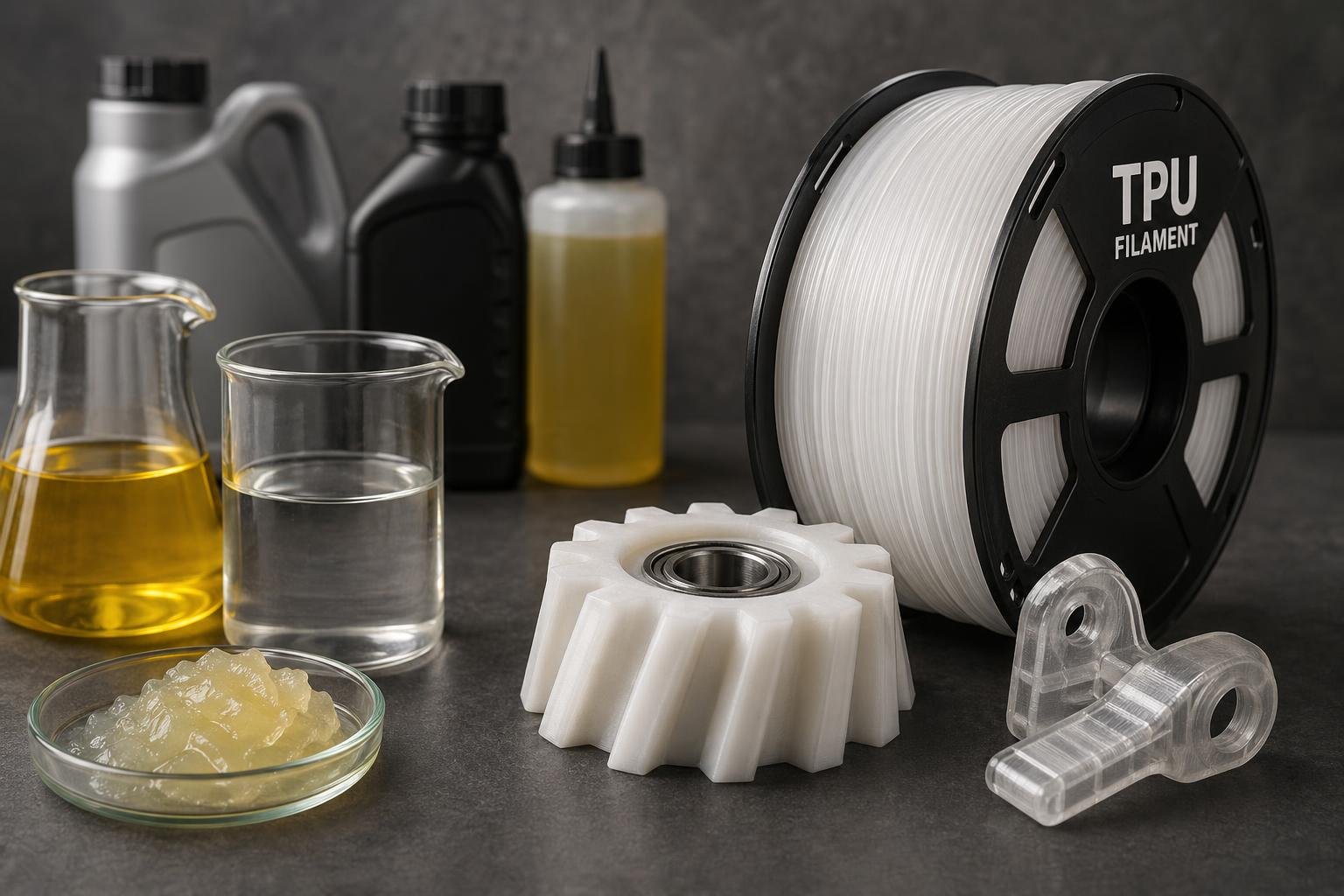
TPU is widely used in 3D printing because it is flexible, tough, and reliable in many environments. One of its biggest strengths is TPU filament chemical resistance, which makes it useful for parts that touch oil, water, fuel, or cleaning liquids.
But not every chemical reacts the same way with TPU. Some liquids are harmless, while others can cause swelling, softening, or long term damage.
If you are designing functional parts, seals, covers, or wearable items, understanding how TPU behaves around chemicals is important. The right material choice can mean the difference between a part that lasts for years and one that fails too soon.
Keep reading to learn exactly how TPU filament chemical resistance works and how to get the best performance from your prints.
🧪Key Takeaways
- •TPU filament chemical resistance is strong against oils, greases, and many common liquids
- •TPU performs well in water and humid environments but can degrade over very long exposure
- •Strong solvents like acetone and aggressive fuels can cause swelling or softening
- •Print settings such as wall thickness and infill affect chemical durability
- •TPU often outperforms PLA in chemical resistance and offers flexibility that PETG and ABS do not
Understanding TPU Filament Chemical Resistance

TPU stands for thermoplastic polyurethane, a flexible and durable plastic used in 3D printing. Its elastic structure gives it strong resistance to wear, impact, and many chemicals.
Chemical resistance means how well a material can resist damage when exposed to liquids, gases, or harsh substances. With TPU filament chemical resistance, the key factors are swelling, softening, cracking, or long term breakdown.
TPU is an elastomer, which means it stretches and bends without breaking. This flexibility helps it resist cracking when exposed to oils or mild chemicals. However, not all TPU formulas behave the same way. Hardness ratings such as Shore 85A or 95A can slightly change performance.
Chemical resistance can also vary depending on whether the TPU is polyether based or polyester based.
TPU Filament Chemical Compatibility Chart
Knowing which chemicals TPU resists and which ones cause damage helps you design better parts. Below is a breakdown of common chemical categories and how TPU typically performs.
TPU Filament Chemical Resistance to Water and Moisture
TPU handles water exposure very well. It is commonly used for waterproof seals, flexible enclosures, and outdoor components.
- Fresh water exposure is generally safe
- Salt water is usually tolerated in short to medium term use
- High humidity does not quickly damage printed TPU parts
- Very long immersion may lead to slow hydrolysis in certain grades
Hydrolysis is a slow chemical reaction with water that can weaken some polyurethanes over time. In normal hobby or light industrial use, TPU performs reliably in wet conditions.
TPU Filament Chemical Resistance to Oils and Greases
One of TPU’s strongest advantages is oil resistance. This is why it is used in automotive and industrial parts.
- Motor oil and engine fluids are typically well tolerated
- Hydraulic oils rarely cause rapid damage
- Grease and lubricants do not easily break down TPU
- Oil exposure may slightly soften the surface over long periods
For gaskets, vibration dampeners, and protective covers, TPU is often a strong choice. Its flexibility combined with oil resistance makes it reliable in moving systems.
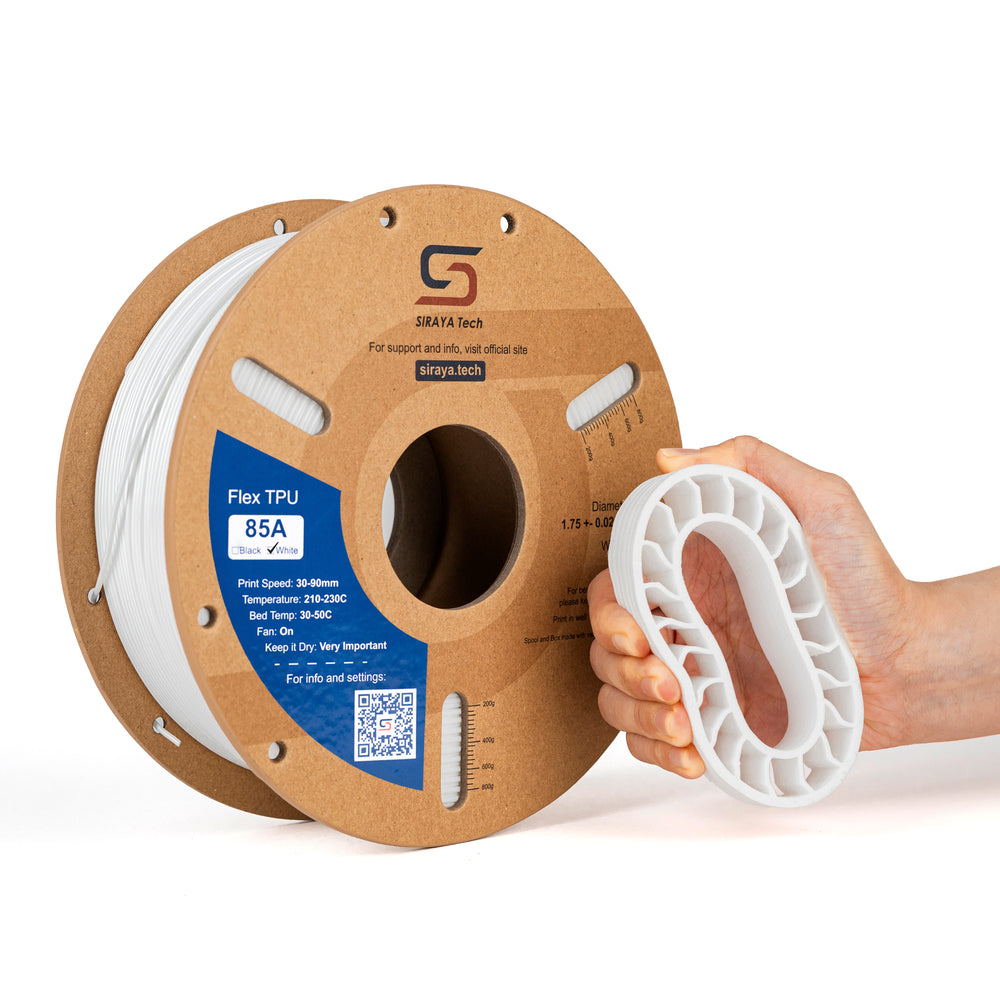
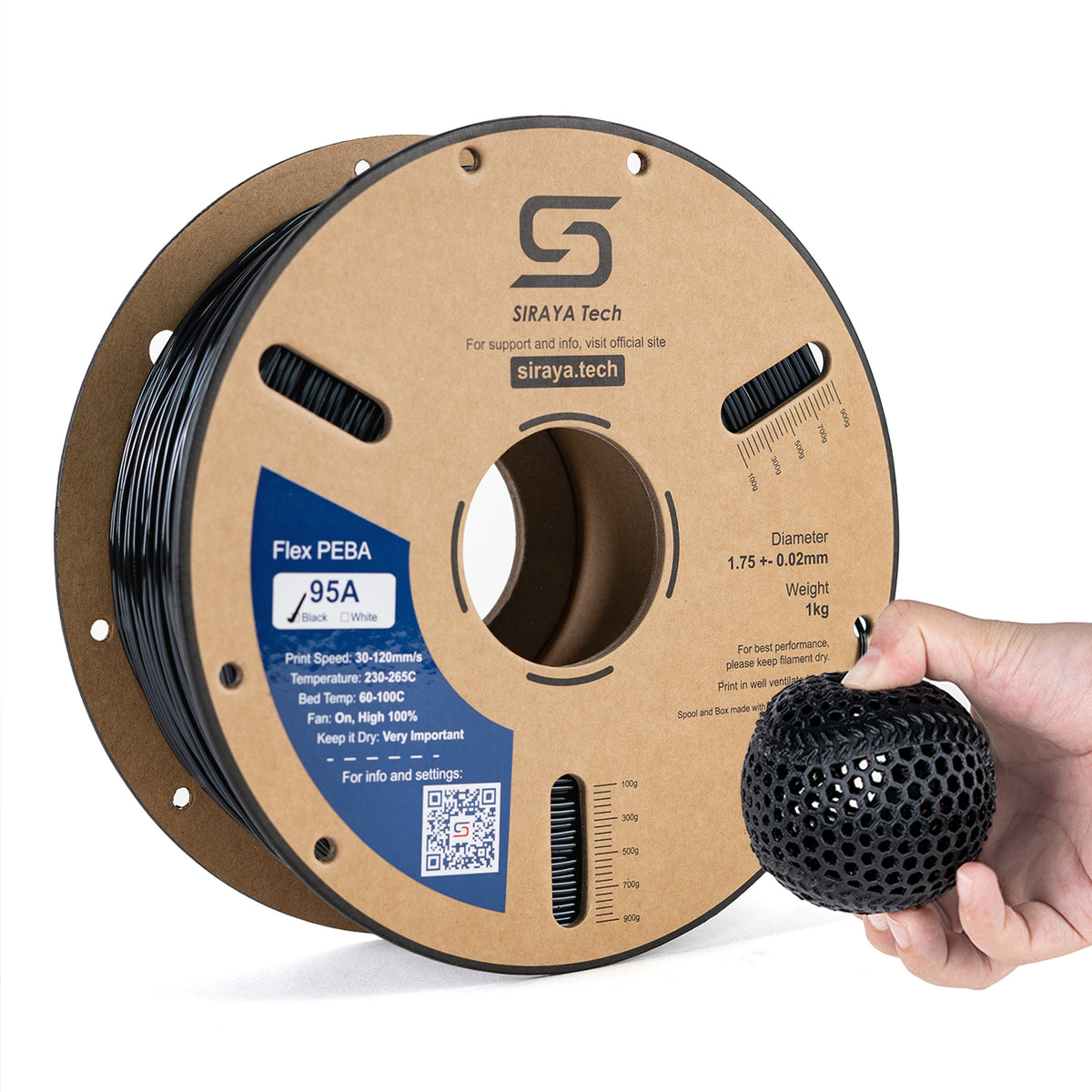
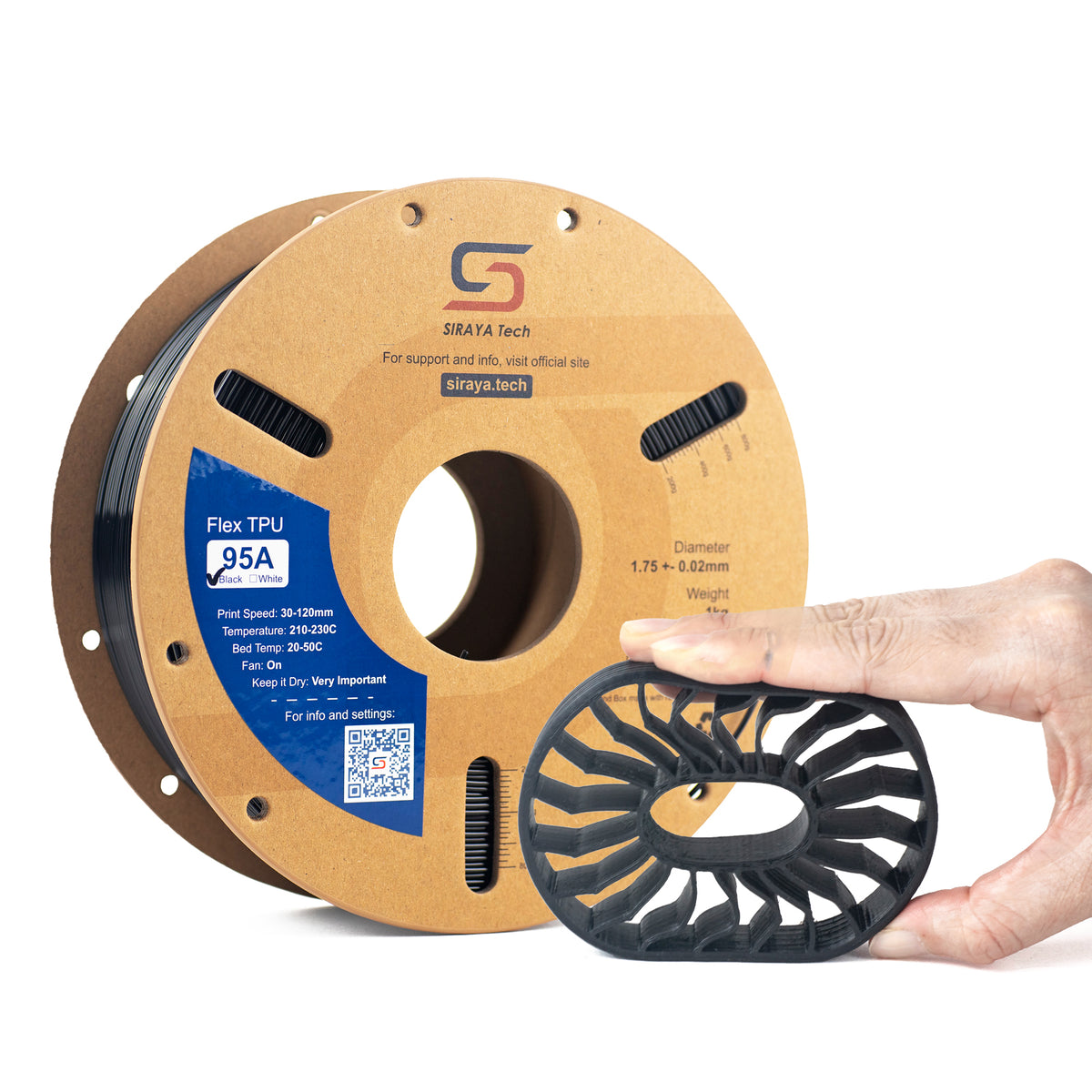
Explore Siraya Flexible 3D Printing Materials
Shop flexible TPU and elastic filament options for durable prints, prototypes, wearable parts, seals, grips, and chemical-resistance testing projects.
Explore Siraya Materials →
TPU Filament Chemical Resistance to Alcohols and Cleaners
TPU performs reasonably well against common cleaning agents. Short contact with alcohol based cleaners usually does not cause major problems.
- Isopropyl alcohol is generally safe for wiping or cleaning
- Ethanol based cleaners are tolerated in short term contact
- Mild household cleaners rarely cause immediate damage
- Long soaking in strong cleaners can lead to surface dulling
If you print wearable items or tool grips that need regular cleaning, TPU is usually a safe option.
TPU Filament Chemical Resistance to Acids and Bases
Acid and base resistance depends on strength and exposure time. TPU handles mild conditions better than extreme ones.
- Weak acids such as diluted vinegar are usually tolerated
- Mild industrial acids can be safe in controlled conditions
- Strong acids may cause surface breakdown
- Strong alkaline solutions can weaken the material over time
For applications involving chemical tanks or harsh industrial fluids, testing is recommended before full deployment. Always test printed samples under real conditions before final use.
TPU Filament Chemical Resistance to Solvents and Fuels

Solvents are where TPU can struggle. Some chemicals can cause swelling, softening, or structural failure.
- Acetone does not dissolve TPU quickly like ABS, but it can cause swelling
- Gasoline and diesel may lead to gradual softening depending on the TPU formulation
- Aromatic solvents such as toluene can damage the polymer structure
- Paint thinners and aggressive industrial solvents are risky
If your part will contact fuel regularly, choose a high performance TPU grade and test it first.
Factors That Affect TPU Filament Chemical Resistance in 3D Printing
The way you print TPU directly affects how it handles chemicals. Even the best material can fail if printed poorly.
A dense and well bonded print resists chemical penetration better than a porous one.
Key factors include:
-
Wall thickness
Thicker walls slow down chemical penetration and improve durability. -
Infill density
Higher infill reduces hollow spaces where liquids can collect. -
Layer adhesion
Strong bonding between layers prevents chemicals from entering micro gaps. -
Print temperature
Proper temperature improves layer fusion and reduces porosity. -
Surface finish
Smooth surfaces absorb fewer chemicals than rough ones.
If you need maximum TPU filament chemical resistance, consider printing with higher wall counts and near solid infill.
Long Term TPU Filament Chemical Resistance and Environmental Stability
Short exposure and long exposure are very different. A splash of oil is not the same as continuous immersion.
Over time, heat and UV light can reduce TPU’s chemical resistance. When chemicals and heat combine, degradation speeds up. For outdoor use, consider UV resistant coatings or UV stable material grades.
Watch for these signs of chemical degradation:
- Swelling or expansion
- Surface stickiness
- Cracks or splitting
- Loss of elasticity
Regular inspection helps prevent unexpected failures in critical parts.
Comparing TPU Filament Chemical Resistance to Other 3D Printing Materials
Material choice depends on both chemical exposure and mechanical needs. TPU is flexible, while many other filaments are rigid.
TPU vs PLA Chemical Resistance
PLA has limited chemical resistance. It can degrade in water over time and is sensitive to certain chemicals.
TPU typically outperforms PLA in:
- Oil resistance
- Impact resistance
- Flexibility under chemical exposure
If flexibility and durability matter, TPU is often the better option.
TPU vs PETG Chemical Resistance
PETG has good chemical resistance and is more rigid than TPU. However, it does not provide the same elasticity.
TPU is better for:
- Flexible seals
- Vibration absorbing parts
- Wearable items exposed to sweat and oils
If you need a PETG alternative with added strength and stiffness, carbon fiber reinforced PETG such as PETG CF offers a matte finish and improved hardness while keeping many PETG properties.
TPU vs ABS Chemical Resistance
ABS is known for solvent sensitivity, especially to acetone. TPU resists acetone better than ABS, though it may still swell.
For higher strength ABS based materials, glass fiber or carbon fiber reinforced versions such as ABS GF or ABS CF can offer better dimensional stability and durability. For outdoor resistance, ASA GF is often chosen.
Applications That Depend on TPU Filament Chemical Resistance
Many industries rely on TPU because of its balance of flexibility and chemical durability.
Common uses include:
- Automotive seals and flexible covers
- Cable protectors
- Industrial vibration dampeners
- Waterproof enclosures
- Wearable straps exposed to sweat
For projects that also require high detail or specialty performance, you might combine TPU prints with advanced materials such as high quality 3D printing resins, tenacious flexible resin, or castable resin for specialized applications. In mold making or protective coatings, platinum silicone crafting materials can complement TPU parts.
Brands like Siraya offer a wide range of 3D filaments, resins, and silicone materials designed for performance driven printing.
Limitations of TPU Filament Chemical Resistance
No material is perfect. TPU has clear strengths but also limits.
TPU may not be ideal when:
- Constant exposure to aggressive solvents is expected
- Very high temperature chemical environments are involved
- Strong acids or bases are present continuously
- Absolute rigidity is required
In these cases, consider testing specialized engineering materials or reinforced filament blends.
Conclusion
TPU filament chemical resistance makes it one of the most versatile flexible materials in 3D printing. It handles oils, water, and many everyday chemicals with ease, while still offering durability and impact resistance.
With proper print settings and smart design choices, TPU parts can perform reliably in demanding environments.
For more helpful guides and practical tips about TPU and other 3D printing materials, Siraya offers valuable resources to support your projects.
If you are looking for high quality 3D filaments, advanced resins including Tenacious resin and castable resin, and platinum silicone for superior results, Siraya provides dependable options designed for serious makers and professionals alike.
Frequently Asked Questions About TPU Filament Chemical Resistance
How chemically resistant is TPU?
TPU is highly resistant to oils, greases, and many common liquids. It performs well in water and humid environments. However, strong solvents and aggressive fuels can cause swelling or softening over time. Performance depends on exposure length and specific chemical strength.
Is TPU filament resistant to gasoline and fuels?
TPU can tolerate short term exposure to gasoline and some fuels. Long term or repeated contact may lead to gradual softening or reduced mechanical strength. Testing under real world conditions is recommended before using it in fuel heavy applications. Not all TPU grades react the same way.
Does TPU filament dissolve in acetone or strong solvents?
TPU does not dissolve quickly in acetone like ABS does. However, it can swell, soften, or lose strength when exposed to strong solvents. Prolonged contact increases the risk of damage. It is best to avoid aggressive solvent environments when possible.
Is TPU filament more chemically resistant than PETG?
TPU and PETG both offer good chemical resistance, but they serve different needs. TPU is better for flexible parts exposed to oils and wear. PETG is stronger and more rigid but lacks elasticity. The better choice depends on whether flexibility or stiffness is more important for your project.